
Michelin Plate
Our verdict
Tempura Hattori holds a Michelin Plate (2025) in Nara's quietly serious dining scene, where the city's slower pace shapes how specialist kitchens operate. Positioned at the ¥¥¥ tier alongside kaiseki and sushi counters in the neighbourhood, it represents the kind of focused, single-cuisine format that Nara does better than most visitors expect. A useful anchor point for anyone building a considered meal plan around the city.

Pearl is the En Primeur Club membership app, where members save venues, book tables and use the concierge.
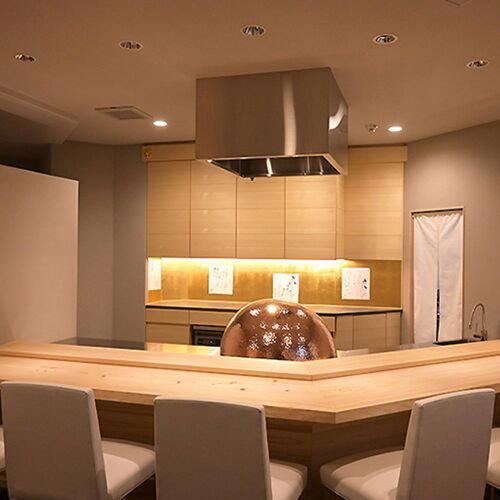
Tempura in Nara: A Different Kind of Specialist
Japan's tempura tradition has always rewarded the specialist kitchen over the generalist. In Tokyo, the benchmark counters in Ginza and Minami-Aoyama have spent decades narrowing their focus to a single craft: batter temperature, oil management, and the sequencing of ingredients by weight and season. Nara's dining scene operates on a smaller scale and a quieter register, but the same logic applies. A tempura house that has earned Michelin recognition here is not competing with the volume of a city like Osaka or Kyoto; it is serving a local and visiting clientele who come to Nara precisely because they want depth over spectacle.
Tempura Hattori, located in Omoricho on the city's older residential grid, sits inside that tradition. The 2025 Michelin Plate signals that inspectors found consistent technical standards here, the kind of baseline that earns recognition without the starred tier's pressure for narrative or theatrics. For context, a Michelin Plate in a secondary Japanese city is not a consolation designation; it marks a kitchen the guide considers reliable enough to direct its readers toward. At the ¥¥¥ price point, it occupies the same bracket as Nara's kaiseki and sushi operators, including peers such as NARA NIKON, Oryori Hanagaki, and Ajinokaze Nishimura. The comparison is useful: in Nara, ¥¥¥ tempura and ¥¥¥ kaiseki are genuinely competitive options rather than different categories of experience.
The Lunch and Dinner Divide
Across Japan's tempura tradition, the gap between lunch and dinner service matters more than at most other cuisine types. The reasons are structural. Tempura is a kitchen-intensive format: oil must be brought to precise temperature, ingredients prepared in tightly sequenced batches, and the counter paced to deliver each piece at the right moment. In the evening, that structure typically plays out across a longer, more ceremonial arc, with a set course built around premium seasonal ingredients and a corresponding price point. Lunch compresses the arc without necessarily reducing the craft, and in many respected houses, the midday service is where the kitchen demonstrates its fluency most honestly, freed from the theatre that a full dinner course can accumulate.
For a Nara venue at the ¥¥¥ tier, the lunch-dinner dynamic carries additional weight. Nara draws a significant daytime visitor flow from Kyoto and Osaka, travellers who spend a morning at Todai-ji or Kasuga Taisha and want a serious meal before the return journey. An afternoon counter seat at a Michelin-recognised tempura house is a practical fit for that pattern, offering a focused experience within a half-day visit. The evening profile shifts: Nara's overnight visitors and local diners tend to move more slowly through dinner, and the city's quieter streets after dark give the meal a different character than the lunch rush. Whether Hattori structures its service around both rhythms is something to confirm directly when booking, but the general pattern across comparable Japanese tempura houses suggests that both services merit consideration rather than defaulting to dinner as the automatic choice.
Nara's Dining Position: Context for the ¥¥¥ Tier
Nara occupies an interesting position in the Kansai dining circuit. It lacks the density of Osaka's restaurant blocks or Kyoto's concentration of multi-generational kaiseki houses, but it has developed a coherent upper-mid tier of specialist kitchens that reflects the city's identity as a slower, more considered destination. Restaurants like akordu, which brings Spanish and innovative technique to the city, and Tsukumo demonstrate that Nara's top tier is not simply a spillover from Kyoto's scene. These kitchens are building their own coherent offer.
Within that context, a focused tempura counter at the ¥¥¥ level makes particular sense. Tempura is one of the few Japanese formats where the ingredient sourcing and the technical execution are equally visible to the diner, making it a useful lens through which to read how seriously a city takes its product. That Nara can sustain a Michelin-recognised house in this category is a signal about the dining culture here, not just about a single venue.
For travellers building a multi-city itinerary across the Kansai region, the relevant comparison set extends outward. Numata in Osaka operates in the same tempura specialist category in a larger city with more competition; Mudan Tempura in Taipei shows how the format has travelled across East Asia with its own regional inflections. Within Japan's broader fine-dining circuit, anchor points like Harutaka in Tokyo, HAJIME in Osaka, Gion Sasaki in Kyoto, Goh in Fukuoka, 1000 in Yokohama, and 6 in Okinawa each carry their own regional character, and Nara's specialist kitchens sit within that national conversation rather than apart from it.
Planning a Visit: Practical Notes
Tempura Hattori is located at 23-1 Omoricho, Nara, accessible from Kintetsu Nara Station or JR Nara Station by a short taxi or walk into the older residential quarter. The address places it away from the main tourist circuit around Nara Park, which is consistent with the kind of local specialist kitchen that tends not to rely on foot traffic from temple visitors. Given the venue's small profile and the general pattern of recognised Japanese specialist houses in this tier, advance reservation is the expected approach rather than a walk-in. Contact details are not publicly listed in standard databases, so booking through a hotel concierge or a reservation service covering Nara's dining scene is the practical route. The ¥¥¥ price designation places an evening meal in the range comparable to Nara's other Michelin-level operators, roughly ¥10,000–¥20,000 per person depending on course selection and drinks, though the exact structure should be confirmed at the time of booking.
For a full picture of Nara's dining options at this tier, our full Nara restaurants guide covers the city's current spread. Travellers planning around accommodation can consult our Nara hotels guide, and those building an evening around a pre-dinner drink or post-dinner bar stop will find relevant options in our Nara bars guide. For context beyond dining, our Nara experiences guide and our Nara wineries guide round out the city's premium offer.
Frequently asked questions
Can I bring kids to Tempura Hattori?
What is the overall feel of Tempura Hattori?
What should I order at Tempura Hattori?
Comparison Snapshot
Comparable venues nearby, for context on price, style, and recognition.
| Venue | Cuisine | Price | Awards | Notes |
|---|---|---|---|---|
| Tempura HattoriThis venue (the venue you are viewing) | Tempura Omakase | $50–100 | Michelin Plate | Not listed |
| Arigato | Japanese | Not listed | Michelin Plate | Nara |
| Gen | Traditional Juwari Soba | $50–100 | Michelin Plate · Tabelog 100 #78 | Nara |
| Shikinosushi KROUTO | Seasonal Sushi | Not listed | Michelin Plate | Nara |
| Oryori Kotan | Traditional Kaiseki | $50–100 | Michelin Plate · Tabelog Bronze #206 | Nara |
| Sushidokoro WASABI | Sushi | $500+ | Michelin Plate | Nara |
Recognition history
Dated appearances from independent guides and award organizations, with the underlying list record or original source where available.
Michelin Plate
Michelin
Full recognition history (2 entries)
Michelin Plate
Michelin
Continue exploring
More in Nara
Restaurants in Nara
All restaurants in Nara →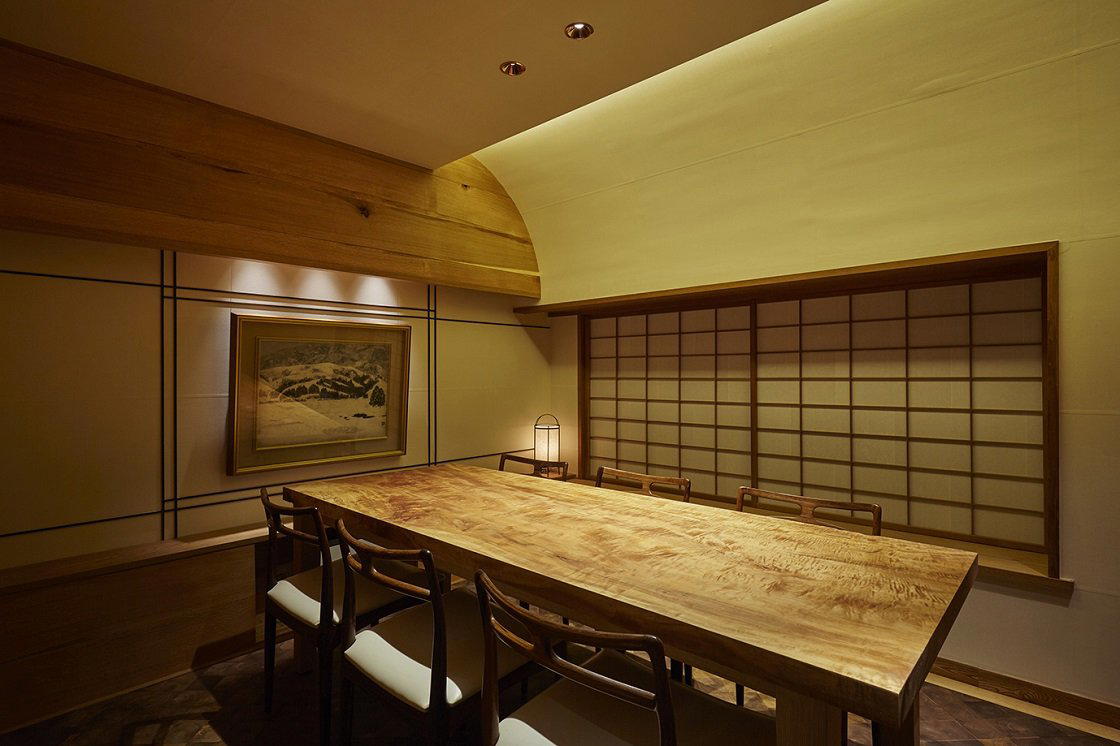

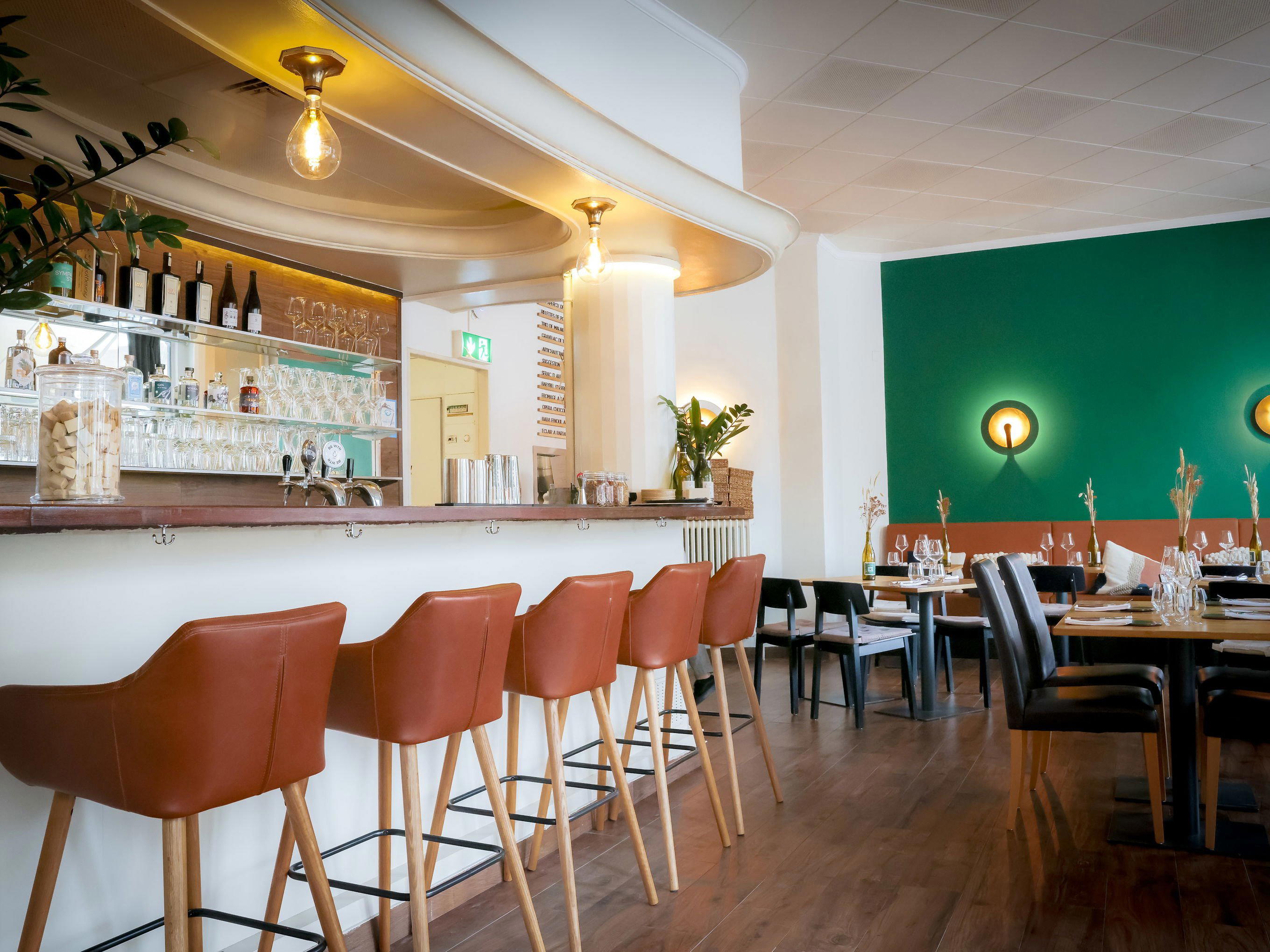
Bars in Nara
All bars in Nara →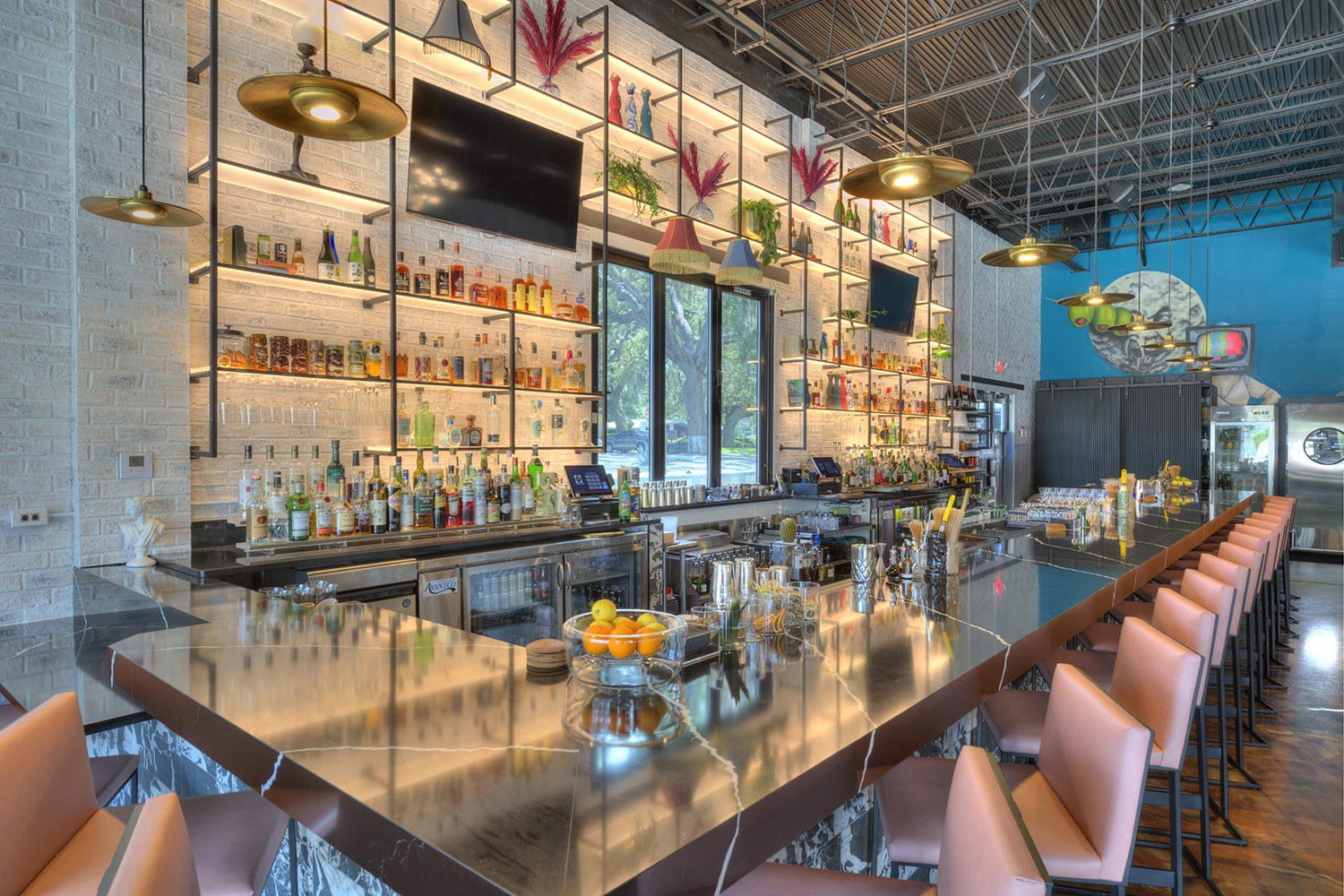
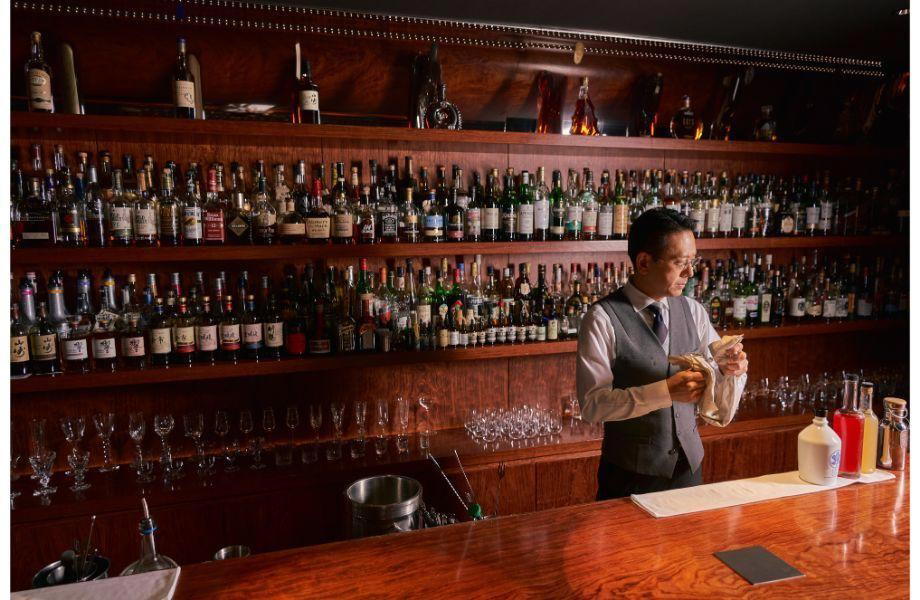
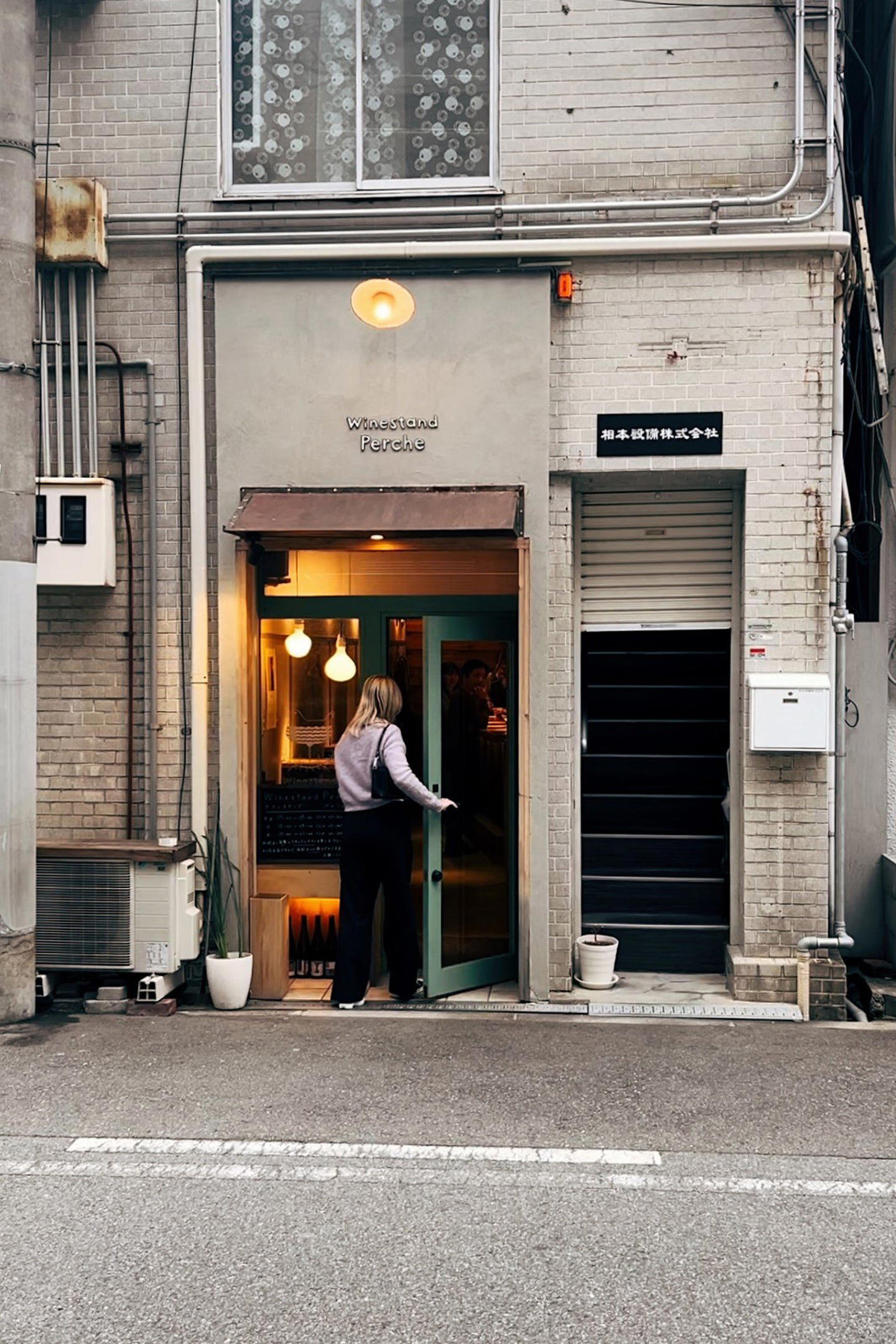


Hotels in Nara
All hotels in Nara →



Wineries in Nara
Browse all →
Details
- Intimate
- Elegant
- Cozy
- Special Occasion
- Chefs Counter
- Sake Program
- Omakase
- Counter Dining
- Sake
Current opening hours
- Monday
- 5–9 PM
- Tuesday
- 5–9 PM
- Wednesday
- Closed
- Thursday
- 5–9 PM
- Friday
- 5–9 PM
- Saturday
- 5–9 PM
- Sunday
- 5–9 PM
Hours can change for holidays and private events. Hours as of .
Cozy counter seating for 6 in intimate setting with focus on chef's craftsmanship.