


Michelin Plate · Tabelog 100 #5
Our verdict
In Higashiyama Ward, Gion Rohan holds a Michelin Plate across consecutive years for a style of Japanese cooking that moves between tradition and quiet invention. Clay pot rice dishes, fermented crucian carp, and vinegar-pickled mackerel sandwiches sit alongside salt-grilled fish of the day, composing a menu built for grazing and sharing at a mid-range price point that places it well below Gion's kaiseki tier.

Pearl is the En Primeur Club membership app — saves, bookings, and concierge access live there. Same editors, same standards.
- Address
- 233 Nijuikkencho, Higashiyama Ward, Kyoto, 605-0077, Japan
- Phone
- +81 75-533-7665
- Hours
- Mon–Sat 5–10:30 PMSun Closed
- Website
- tabelog.com
- Directions
- Get directions
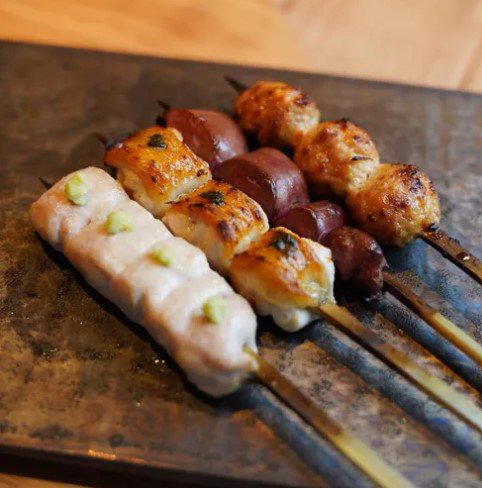
Where Gion's Eating Habits Live
Higashiyama Ward occupies a peculiar position in Kyoto's dining map. A short walk from the stone-paved lanes of Ninenzaka and the eastern temple circuit, it draws visitors who have spent the morning in contemplative spaces and arrive at the table with an appetite shaped by that pace. The neighbourhood's restaurants answer in kind: not the theatrical twelve-course kaiseki format of Gion's top tier, nor the tourist-facing set lunches of the main drag, but a middle register where the food is considered, the portions negotiable, and the evening unfolds at a speed the kitchen and the guest set together. Gion Matayoshi and Kenninji Gion Maruyama occupy nearby coordinates, each working a different register of the same neighbourhood tradition.
Gion Rohan sits inside this pattern. Located at 233 Nijuikkencho in Higashiyama Ward, it holds a Michelin Plate for 2024 and 2025, the Guide's signal that a kitchen is producing food worth tracking without the structural formality of a starred kaiseki house. At a ¥¥ price point, it occupies a distinctly different tier from the ¥¥¥¥ rooms like Isshisoden Nakamura or the three-starred Gion Sasaki a short distance away. The comparison matters because Gion carries a weight of expectation: the district's name alone implies ceremony. Gion Rohan functions as a useful reminder that ceremony and quality are not the same thing.
The Architecture of the Menu
Japanese dining culture at this level operates on a logic that Western set-menu thinking often misreads. The meal is not a sequence with a fixed conclusion; it is a field of choices assembled around a core. At Gion Rohan, that core is clay pot rice, and the approach reflects a broader tradition in which the donabe serves as both cooking vessel and structural anchor for the table. In restaurant culture across Kyoto, the clay pot signals a particular kind of care: slow heat, absorption over time, a crust at the bottom that rewards patience. Here, the choice between ginger-fried pork or sukiyaki as an accompaniment shapes the meal's direction in a way that a fixed tasting sequence cannot.
The surrounding dishes operate as drinking snacks and small plates in the izakaya-adjacent mode that runs through much of Kyoto's mid-range eating. Potato salad paired with fermented crucian carp sushi, known locally as funazushi, is a pairing that places mild creaminess against one of Japan's oldest preserved foods: funazushi undergoes a lacto-fermentation process lasting anywhere from one to several years, producing a pungency that has no equivalent in contemporary fermentation. Setting it beside potato salad is a studied contrast rather than a casual one. Similarly, mackerel pickled in vinegar, a classic preparation in the saba-zuke tradition of the Kyoto kitchen, arriving here as a sandwich points at the kitchen's comfort with moving between form and tradition without treating either as fixed.
Fish of the day, served salt-grilled or stewed, reflects the market-driven discipline that runs through serious Japanese cooking regardless of price tier. Salt-grilling, shioyaki, requires confidence in the ingredient: no sauce obscures, no marinade compensates. The same logic applies at restaurants commanding three times the cover charge, which is precisely the point. Technique at Gion Rohan speaks a shared culinary language with Kyoto's higher tiers; the difference lies in ceremony, not craft. For broader context on how Kyoto's Japanese dining spectrum distributes across price tiers, see our full Kyoto restaurants guide.
Intentionality and Pace
One of the more instructive aspects of dining at this level in Kyoto is the way portion adjustment works as a hospitality principle. The ability to calibrate quantities to appetite rather than being bound to a fixed sequence reflects an older model of Japanese table hospitality in which host and guest negotiate the meal in real time. Kaiseki formalised this into a choreographed art; the mid-range izakaya tradition kept the negotiation informal. Gion Rohan's approach, in which quantities can be adjusted to taste, sits in that informal tradition but carries it out with evident precision in the kitchen.
Across Japan's dining spectrum, this flexibility often correlates with a particular confidence in the cooking. Restaurants that worry about consistency tend to fix their output; those that trust their preparation welcome variation. Tourists pass through; regulars return. A consistent rating at that volume suggests the latter are doing most of the work.
For reference points elsewhere in Japan's mid-to-high register, Myojaku in Tokyo and Azabu Kadowaki each show how Japanese cuisine in different price brackets handles the same underlying philosophy of restraint and seasonal responsiveness. Further afield, Harutaka in Tokyo, HAJIME in Osaka, Goh in Fukuoka, and akordu in Nara each illustrate a different national register. For something outside the main island culinary axis entirely, 6 in Okinawa and 1000 in Yokohama represent further departure points.
Planning Your Visit
Gion Rohan is located at 233 Nijuikkencho in Higashiyama Ward, an address that places it within walking distance of Yasaka Shrine and the southern Gion lane network. The ¥¥ pricing makes it accessible for an evening meal without the advance planning required at the kaiseki tier, where reservation windows of several months are standard. Compared to nearby peers such as Kikunoi Roan or Kodaiji Jugyuan For the wider Kyoto stay, our full Kyoto hotels guide covers accommodation across the district's range of neighbourhoods. Those planning around the drink as well as the food will find the Kyoto bars guide and Kyoto wineries guide useful, and the Kyoto experiences guide covers the broader cultural programme that makes the neighbourhood worth spending more than a single evening in.
Frequently asked questions
What should I order at Gion Rohan?
How difficult is it to get a table?
What defines Gion Rohan's cooking approach?
Cuisine-First Comparison
A short peer table to compare basics side-by-side.
| Venue | Cuisine | Price | Awards | Notes |
|---|---|---|---|---|
| Gion RohanThis venue — the venue you are viewing | Creative Seasonal Japanese Izakaya | $50–100 | Michelin Plate · Tabelog 100 #5 | Not listed |
| Gion Sasaki | Modern Kaiseki | $300–500 | 3 Michelin Stars · La Liste Top Restaurants | Kaiseki, Japanese |
| cenci | Innovative Italian-Japanese Fusion | $100–150 | 1 Michelin Star · World's 50 Best #76 | Italian |
| Ifuki | Sumibi Kappo Kaiseki | $200–300 | 2 Michelin Stars · La Liste Top Restaurants | Kaiseki |
| Kyokaiseki Kichisen | Kyoto Kaiseki | $200–300 | 2 Michelin Stars · La Liste Top Restaurants | Japanese |
| Kyo Seika | Seasonal Chinese Fine Dining in Kyoto | Not listed | 1 Michelin Star | Chinese |
Recognition history
Dated appearances from independent guides and award organizations, with the underlying list record or original source where available.
Michelin Plate
Michelin
Opinionated About Dining Top Restaurants in Japan Recommended
Opinionated About Dining
Tabelog 100 #5 · No. 5
Tabelog · Tabelog 100 - Izakaya - WEST - 2025
Full recognition history (5 entries)
Michelin Plate
Michelin
Michelin Plate
Michelin
Continue exploring
More in Kyoto
Restaurants in Kyoto
Browse all →
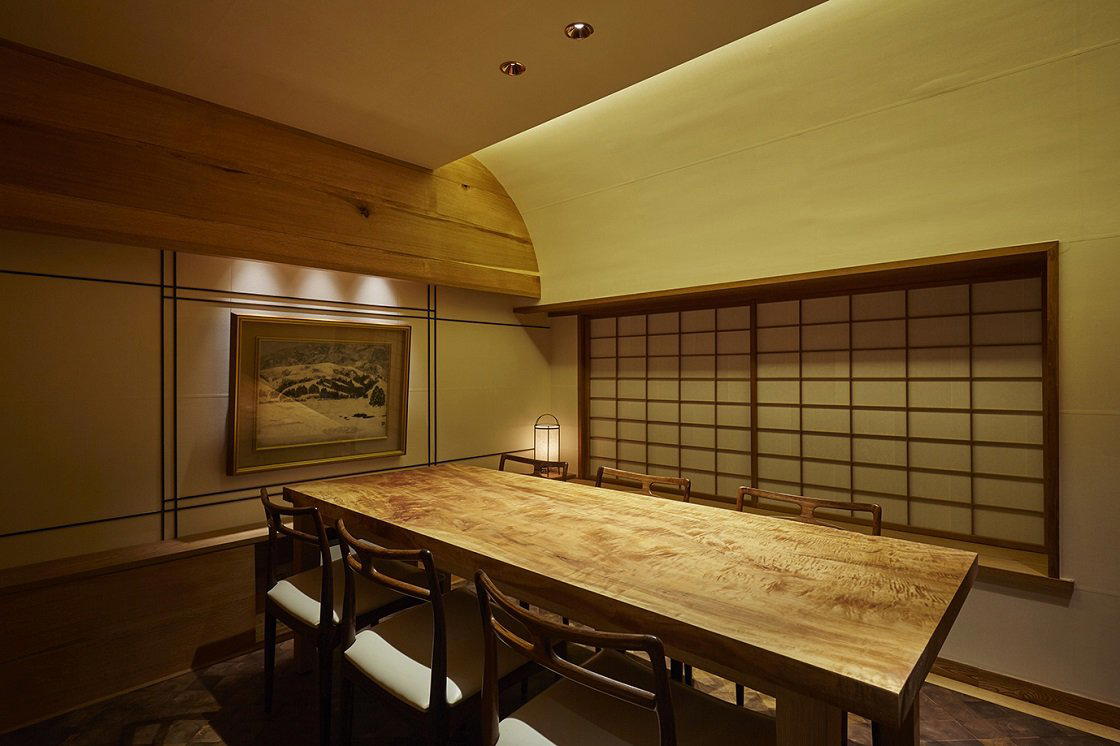
Bars in Kyoto
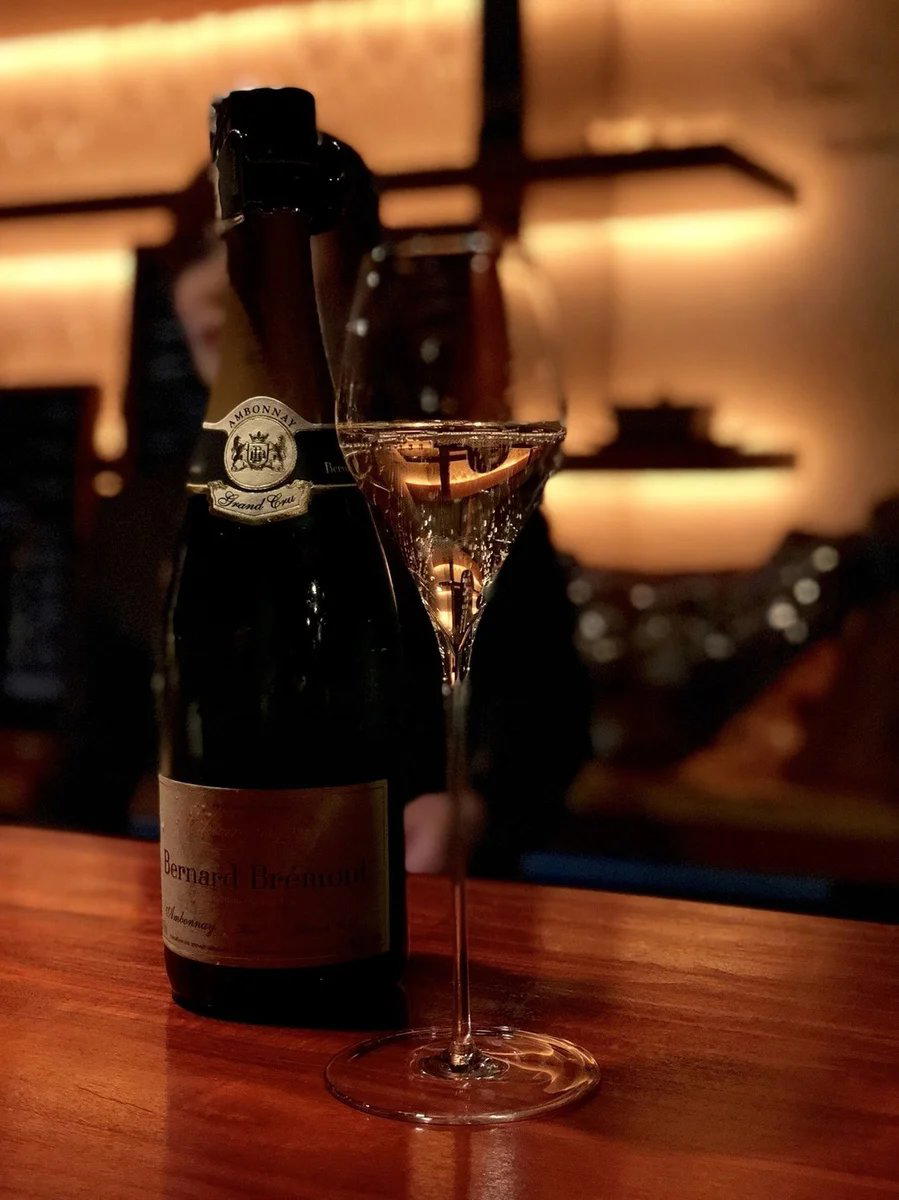
Browse all →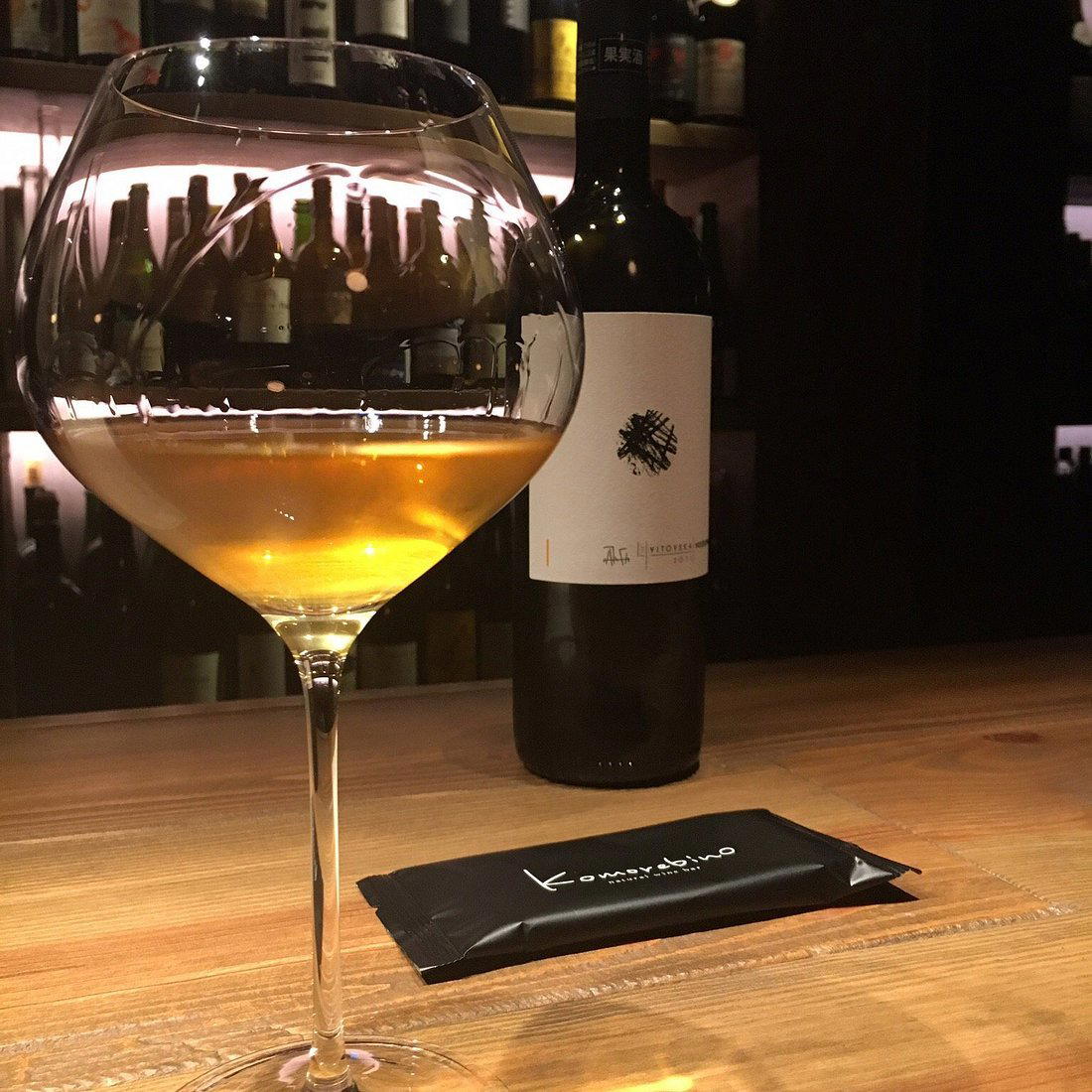
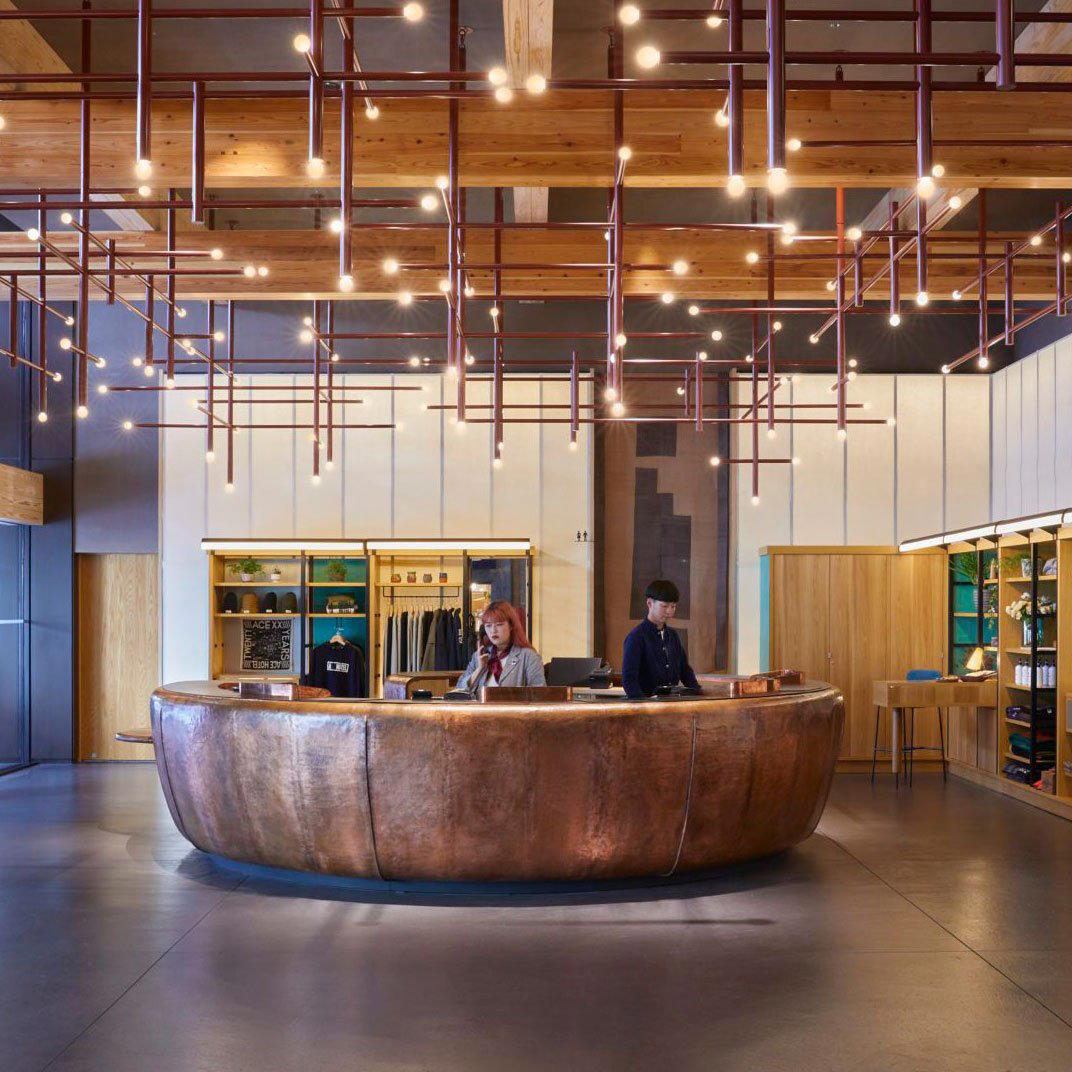
Hotels in Kyoto
Browse all →
Wineries in Kyoto
Browse all →
Details
- Intimate
- Cozy
- Elegant
- Date Night
- Solo
- Special Occasion
- Chefs Counter
- Open Kitchen
- Sake Program
- Local Sourcing
- A La Carte
- Counter Dining
- Small Plates
- Sake
Current opening hours
- Monday
- 5–10:30 PM
- Tuesday
- 5–10:30 PM
- Wednesday
- 5–10:30 PM
- Thursday
- 5–10:30 PM
- Friday
- 5–10:30 PM
- Saturday
- 5–10:30 PM
- Sunday
- Closed
Hours can change for holidays and private events. Last verified .
Warm, welcoming intimate atmosphere with counter seating, pleasant and relaxed setting praised for its comfortable and special feel.