
In Nakagyo Ward, Torisho sai works Hinai-jidori chicken over both charcoal and wood flames, applying a curing process that concentrates flavour before a single skewer of breast meat opens the meal. The kitchen's guiding principle, a lifetime devoted to skewering and grilling, translates into technical precision across every course. Michelin Plate recognition in 2024 and 2025 confirms its position inside Kyoto's serious yakitori tier.
Pearl is the En Primeur Club membership app — saves, bookings, and concierge access live there. Same editors, same standards.
- Address
- Japan, 〒604-8315 Kyoto, Nakagyo Ward, Daimonjicho, 237 御池下がる黒門通り
- Phone
- +81 75-384-2288
- Website
- torisho-sai.com
- Directions
- Get directions
 Saves & bookings on Pearl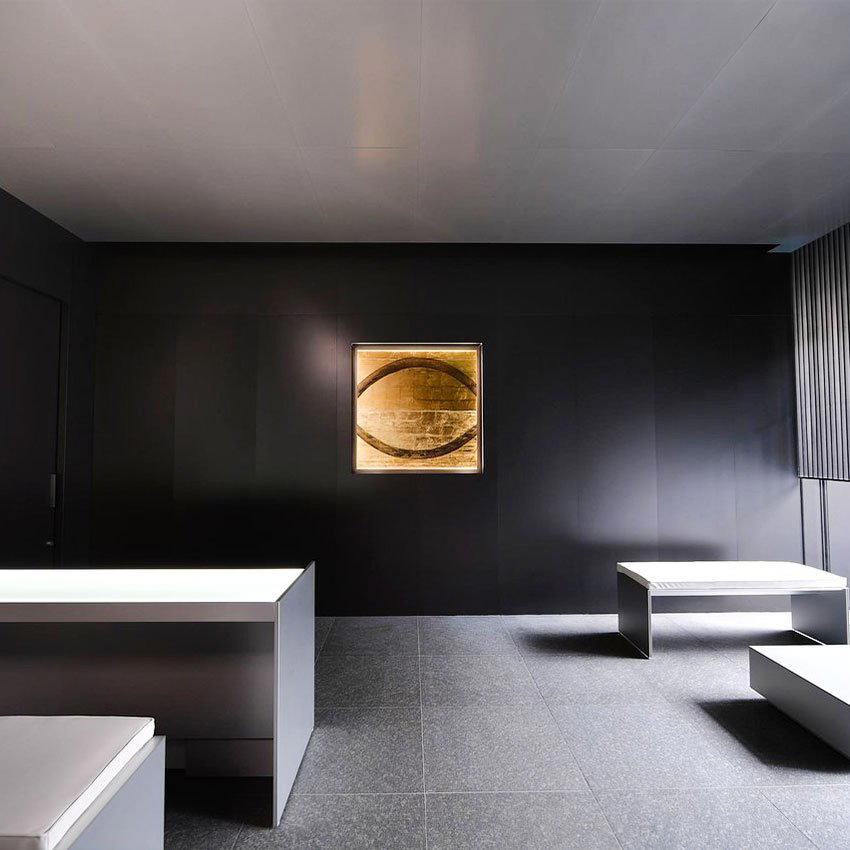
Where the Grill Is the Point
Nakagyo Ward sits between Kyoto's grand temple circuits and the commercial density of Shijo, a neighbourhood where the dining register tends toward the quietly serious rather than the tourist-facing. On Kuroguchi-dori, just below Oike, the setting primes you for exactly the kind of meal Torisho sai delivers: no spectacle at the door, no elaborate preamble, just the smell of live fire and the sound of fat hitting hot coals.
Yakitori as a category rewards this kind of context. The form looks simple from the outside, chicken on a skewer, heat applied, but the gap between competent and commanding is wider here than in almost any other Japanese grill tradition. The variables compound quickly: the breed of bird, how the meat is handled before it reaches the fire, the choice between charcoal and wood, the geometry of the skewer itself. At Torisho sai, each of those variables is treated as a deliberate decision rather than a default.
The Ingredient Logic Behind Hinai-jidori
Free-range Hinai-jidori chicken is one of Japan's three designated jidori breeds, raised under strict criteria in Akita Prefecture. Compared to the more commonly seen Nagoya Cochin, Hinai-jidori is leaner, with a firmer texture and a cleaner, more mineral-edged flavour profile. It is the kind of ingredient that punishes inattention at the grill, there is nowhere to hide, which makes it the right choice for a kitchen whose stated philosophy centres entirely on mastery of the skewer.
The curing stage adds another layer of intention. Resting the meat in a dedicated curing environment to draw out excess moisture before grilling is a technique that concentrates flavour and changes how the exterior behaves over flame. The result is a tighter, more defined bite and a skin, where present, that registers the heat differently than uncured poultry. This isn't a shortcut or a flourish; it is craft applied to an ingredient that already demands respect. The approach places Torisho sai in the same methodological bracket as the small number of yakitori counters across Japan where provenance and pre-grill preparation carry as much weight as the fire itself.
Two Heat Sources, One Philosophy
The use of both charcoal and wood flames is not common in yakitori. Most counters commit to one or the other: binchōtan charcoal for its even, radiant heat and near-smokeless profile, or wood for the more volatile, aromatic combustion it produces. Running both requires reading each cut of the bird and deciding which fire suits it. Breast meat grilled over wood flame behaves differently from thigh over charcoal; the flavour compounds that develop on the surface diverge. The kitchen's ability to make that call consistently, across a full service, is a measure of accumulated experience.
Chef's credo, a lifetime in skewering, a lifetime in grilling, frames this not as a technique but as a discipline. It is the same principle that makes a great bowl of ramen or udon legible as craft: the repeated execution of a constrained form until the practitioner understands every variable well enough to control the outcome. Simplicity at that level is the hardest thing to achieve and one transparent to read. There is no sauce complex enough to obscure an error at the fire.
How the Meal Opens
Service begins with a single skewer of breast meat, a deliberate choice that front-loads the neutral, most unforgiving cut. Breast meat has the least fat to compensate for heat errors and the least connective tissue to mask dryness. Opening with it signals confidence: the kitchen is showing you the bird before it shows you anything else. The skewers themselves are built in an inverted triangle form, a construction that affects how heat moves through the meat and how the diner's hand holds the skewer through the bite.
That level of structural attention to something as utilitarian as skewer geometry is characteristic of the broader Japanese craft tradition, where the visible form of a thing and its functional logic are expected to coincide. It is the same thinking that distinguishes a well-thrown ramen bowl from a cheap one, or the hand-cut soba noodle from the machine-extruded. The container is part of the meal.
Torisho sai in Kyoto's Yakitori Field
Kyoto's yakitori scene operates differently from Tokyo's or Osaka's. The city's kaiseki tradition sets a baseline expectation for ingredient sourcing and kitchen discipline that filters into other formats, including the grill counter. Michelin Plate recognition in both 2024 and 2025 places the restaurant inside the credentialled tier of that scene, sitting below the starred category but inside the documented range of kitchens Michelin considers worth a traveller's attention. At a price of about $165 per person, it sits in the mid-to-upper range for Kyoto yakitori.
For comparison across the yakitori format, Torisaki, Hiiragitei, Sumiyakisosaitoriya Hitomi, and Yakitori Kyoto Tachibana each represent a different position in the city's grill spectrum. Beyond Kyoto, the same discipline appears in Osaka's credentialled yakitori counters: Ichimatsu and Torisho Ishii both occupy a similar tier in that city's market. For broader Japan reference, Harutaka in Tokyo, HAJIME in Osaka, akordu in Nara, Goh in Fukuoka, 1000 in Yokohama, and 6 in Okinawa illustrate how Japan's precision-grill tradition extends well beyond the major urban centres.
Planning Your Visit
Reservations: Appointment only. Budget: about $165 per person, placing it in the mid-to-upper range for Kyoto yakitori. Location: Nakagyo Ward, Daimonjicho, on Kuroguchi-dori below Oike, walkable from central Kyoto hotel districts.
Cuisine and Credentials
Comparable venues nearby, for context on price, style, and recognition.
| Venue | Cuisine | Price | Awards | Notes |
|---|---|---|---|---|
| Torisho saiThis venue — the venue you are viewing | Premium Yakitori Omakase | $$$ | Michelin Plate | Not listed |
| COPPIE | Modern Japanese Izakaya with Italian Fusion | $$$ | Michelin Plate | Shimogyō |
| Jikiba Ono | Seasonal Japanese Counter Dining | $$$ | Michelin Plate | Higashiyama |
| Eitaroya | Traditional Japanese Izakaya | $$$ | Bib Gourmand | Nakagyō |
| Ryori Rihaku | Japanese-Chinese Fusion Kappo | $$$ | Michelin Plate | Nakagyō |
| Ryoriya Kanemitsu | Modern Kaiseki with Charcoal Grilling | $$$$ | Michelin Plate | Shimogyō |
Recognition history
Dated appearances from independent guides and award organizations, with the underlying list record or original source where available.
Michelin Plate
Michelin
Michelin Plate
Michelin
Michelin Plate
Michelin
Continue exploring
More in Kyoto
Restaurants in Kyoto
Browse all →
Bars in Kyoto
Browse all →
Hotels in Kyoto
Browse all →

Wineries in Kyoto
Browse all →
At a Glance
- Elegant
- Modern
- Intimate
- Sophisticated
- Special Occasion
- Date Night
- Celebration
- Chefs Counter
- Open Kitchen
- Historic Building
- Design Destination
- Sake Program
- Natural Wine
- Corkage Allowed
- Local Sourcing
Current opening hours
- Monday
- 4–9 PM
- Tuesday
- 4–9 PM
- Wednesday
- 4–9 PM
- Thursday
- 4–9 PM
- Friday
- 4–9 PM
- Saturday
- 1–9 PM
- Sunday
- Closed
Hours can change for holidays and private events. Last verified .
Gorgeous modern-traditional setting with shining copper plate walls, spherical pendant lights, and natural wood elements creating an inviting yet refined atmosphere.