Our verdict
モデスト occupies a quiet address in Kitakatsushika District, Saitama, at a remove from the capital's restaurant density. The Koshigaya area has developed its own dining character independent of Tokyo's spotlight, and this address sits within that local fabric. Visitors looking beyond the metropolitan circuit will find the surrounding district rewards the detour.

Pearl is the En Primeur Club membership app, where members save venues, book tables and use the concierge.
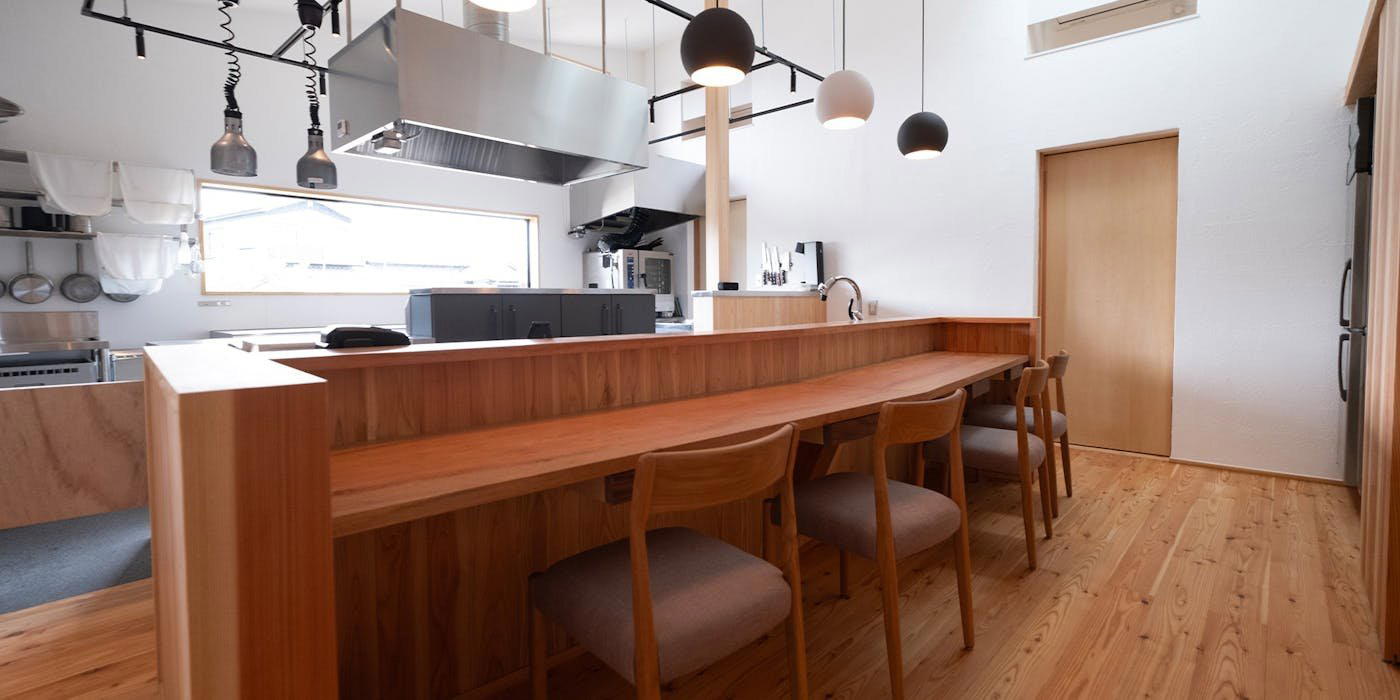
Beyond the Yamanote Line: Dining in Koshigaya's Quieter Register
The prefectures that ring the capital operate on a different logic. Saitama's restaurant culture, particularly in the Kitakatsushika district east of Urawa, has grown incrementally and without the international attention that warps pricing and booking dynamics in central Tokyo. Koshigaya sits within this band: a city whose dining identity is grounded in local patronage, neighbourhood function, and an absence of the performance pressure that defines destination restaurants further south. For the reader comfortable consulting our full Koshigaya restaurants guide, that context shapes everything about how to approach an address like モデスト.
The Address at Matsubushi
The restaurant occupies a plot in Matsubushi, technically within the Kitakatsushika District at the Koshigaya boundary, a semi-rural corridor where agricultural land and suburban housing run alongside each other. This geography matters editorially. In Japan, proximity to farmland has increasingly become a structural advantage for kitchens that source regionally: the Kanto plain north of Tokyo produces rice, root vegetables, brassicas, and alliums at a scale that supports farm-direct relationships of the kind that restaurants in more central postcodes have to engineer at considerable logistical effort and cost. Where a kaiseki kitchen in central Kyoto must negotiate supply chains to source Kyo-yasai, a Saitama address has the same regional produce essentially in its backyard.
Ingredient sourcing in this part of Kanto is less a marketing posture and more a practical reality of location. Japan's broader move toward regional provenance in serious cooking, visible across formats from the kaiseki counter to the French-Japanese hybrid menus seen at places like HAJIME in Osaka and akordu in Nara, has made locality a genuine point of differentiation. Whether a suburban Saitama address translates that structural advantage into deliberate sourcing practice is a question that on-the-ground visits answer better than records alone.
The Ingredient Question in Kanto Suburban Dining
Japan's farm-to-counter conversation has been more visible in the regions than in Tokyo proper. The capital's top-tier restaurants, from the sushi counters carrying the lineage seen at Harutaka in Tokyo to seasonal kaiseki of the kind associated with Gion Sasaki in Kyoto, often source nationally or globally, with Tsukiji and its successor Toyosu market acting as the centralising node. Restaurants operating outside that gravitational pull have an argument for tighter local loops, provided they choose to make it. Saitama produces konnyaku, negi onions, and spinach at commercial scale. Its river systems historically supplied freshwater fish. The seasonal calendar along the Kanto plain, running from the cold winter months through spring bamboo shoots and summer edamame, offers a working larder that does not require the intervention of a national wholesale network.
Across Japan, the restaurants that have built the most durable reputations outside major metropolitan centres tend to be those that anchored their menus in what the surrounding geography actually produces, rather than importing the same premium ingredients available in city markets. Goh in Fukuoka connects to Kyushu's particular ingredient culture; 一本杉川島 in Nanao operates within the Noto Peninsula's coastal provenance. The pattern is consistent: regional specificity, when genuinely followed through, creates a menu that cannot be replicated by moving the restaurant to a different city. That is the editorial standard against which any Koshigaya-area dining address invites comparison.
What can be said is that the competitive set for a Kitakatsushika restaurant is not the same as for a Ginza counter or a Namba kaiseki room. The reference points are local: neighbourhood restaurants serving working-lunch price points through the week, family-format dining that prioritises accessibility over spectacle, and the occasional destination-grade address that draws from across the district. This is a different competitive environment from the one occupied by the internationally recognised ¥¥¥¥ tier, including Japanese-French innovators like HAJIME or the sushi premium bracket represented by Harutaka.
For readers accustomed to the formats and expectations of restaurants like Le Bernardin in New York City or Atomix in New York City, the suburban Saitama register offers a different value proposition: lower ambient prestige, less booking friction, and the possibility of a more direct relationship between kitchen and diner than is available at high-profile destination addresses. That trade-off is the point, not a limitation to be apologised for.
Planning a Visit
Matsubushi sits within the Kitakatsushika District, accessible from the Musashino Line or via road from central Koshigaya. The address at 3382-28 Matsubushi places the restaurant in a quieter stretch of the district, which means arrival logistics are better suited to those with access to local transport or a vehicle rather than those depending entirely on Shinkansen connections. Given the suburban context and the absence of large-scale review infrastructure typical of central Tokyo addresses, walk-in availability may follow patterns different from high-turnover city restaurants, but this should be confirmed before making a specific journey.
Readers planning broader Kanto and regional Japan itineraries will find useful contrast in the EP Club coverage of 古仁屋山乃 in Sapporo, 湖隣庵 in Takashima, 鳥羽屋 in Nishikawa Machi, Birdland in Sakai, Blue Ocean Steak in Nakagami District, and Cafe Naoshima Konichiwa in Naoshima, each of which represents a regional dining context shaped by local geography and provenance logic rather than metropolitan prestige signalling.
Frequently asked questions
Is モデスト good for families?
The Matsubushi address in Kitakatsushika District sits in a semi-rural corridor with road access from central Koshigaya, which suits self-drive visits with family groups. No pricing, booking policies, or specific menu formats are on public record for モデスト, so it is worth contacting the restaurant directly to confirm whether the format and seating arrangement work for children or larger parties.
What's the overall feel of モデスト?
The restaurant occupies a plot in Matsubushi, a quieter agricultural-edge zone at the Koshigaya boundary, well removed from the density of central Saitama or Tokyo's dining districts. That geographic position shapes the register: this is not a high-traffic urban venue, but a destination that requires a deliberate journey via the Musashino Line or by road.
Is モデスト worth the trip from central Tokyo to Koshigaya?
The restaurant's location at 3382-28 Matsubushi in Kitakatsushika District places it outside the Yamanote Line radius that defines most Tokyo restaurant itineraries, making this a deliberate destination visit rather than a walk-in. Suburban Saitama restaurants operating at this remove from the capital's Michelin-mapped corridors tend to attract a local regular trade, which often translates to tighter, more neighbourhood-specific menus. Checking current hours and availability before travelling from central Tokyo is advised.
What do people recommend at モデスト?
Specific dish or menu recommendations for モデスト are not on the public record, and no published reviews with named items are currently available to cite. Visitors to suburban Koshigaya dining in this corridor often note the proximity to local Kanto agricultural supply chains, which in Japan's farm-to-counter scene can shape a menu significantly. For current offerings, reaching the restaurant directly at its Matsubushi address is the most reliable route.
Fast Comparison
Comparable venues nearby, for context on price, style, and recognition.
| Venue | Cuisine | Price | Awards | Notes |
|---|---|---|---|---|
| モデストThis venue (the venue you are viewing) | Seasonal French Innovative | $50–100 | Not listed | Not listed |
| Girassol | Yoshoku (Japanese-style Western cuisine) & curry | $20–30 | Tabelog 100 #53 | Gamo |
| Kuriya Sawa | Japanese-style Western (Yoshoku) | Not listed | Tabelog 100 #99 | Sengendai Nishi |
| spice curry mokuromi | Spice Curry | $1–10 | Tabelog 100 #91 | Sengendai |
| Cheval | Seasonal French with Japanese influences | $50–100 | Michelin Plate | Nihonbashi |
| A New Trulve V | French Fine Dining | Not listed | Not listed | Shibuya |
Continue exploring
More in Koshigaya
Restaurants in Koshigaya
All restaurants in Koshigaya →

Bars in Koshigaya
Browse all →





Details
- Elegant
- Cozy
- Intimate
- Modern
- Date Night
- Special Occasion
- Open Kitchen
- Sake Program
- Local Sourcing
- Tasting Menu
Current opening hours
- Monday
- 12–2:30 PM, 6–9 PM
- Tuesday
- 12–2:30 PM, 6–9 PM
- Wednesday
- 12–2:30 PM, 6–9 PM
- Thursday
- 12–2:30 PM, 6–9 PM
- Friday
- 12–2:30 PM, 6–9 PM
- Saturday
- 12–2:30 PM, 6–9 PM
- Sunday
- 12–2:30 PM, 6–9 PM
Hours can change for holidays and private events. Hours as of .
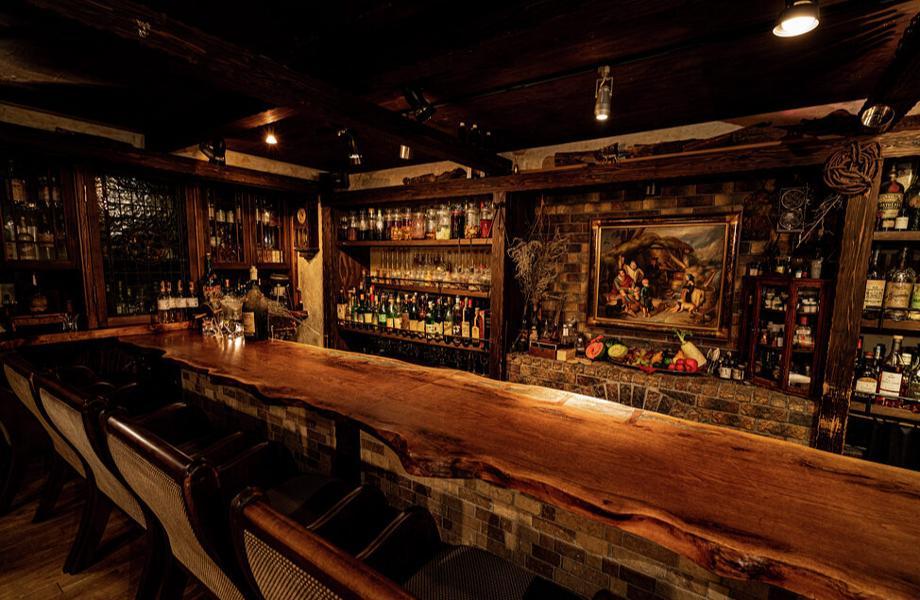
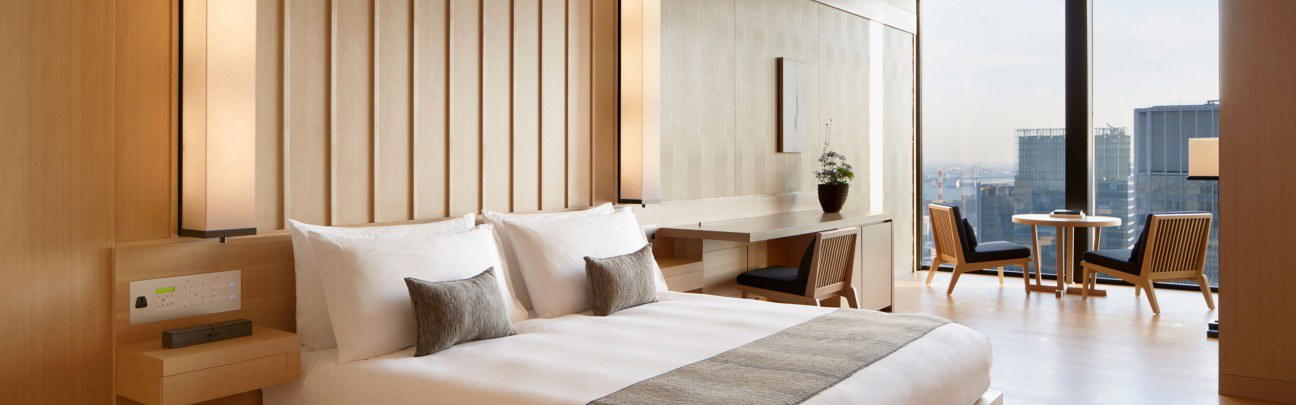
Renovated old warehouse building creating a delicate, elegant, and cozy atmosphere with thoughtful spatial design.