

Il Ghiottone occupies a compelling niche in Kyoto's Higashiyama district, translating Japanese precision and seasonal produce through an Italian-inflected lens. The result is a quietly confident fusion that rewards diners who come with curiosity rather than expectation. Located steps from the historic Yasaka Kamimachi quarter, it makes a considered choice for a meal that warrants a specific evening rather than a casual reservation.
Pearl is the En Primeur Club membership app — saves, bookings, and concierge access live there. Same editors, same standards.
- Address
- 388-1 Yasaka Kamimachi, Higashiyama Ward, Kyoto, 605-0827, Japan
- Phone
- +81 75-532-2550
- Website
- ilghiottone.com
- Directions
- Get directions
 Saves & bookings on Pearl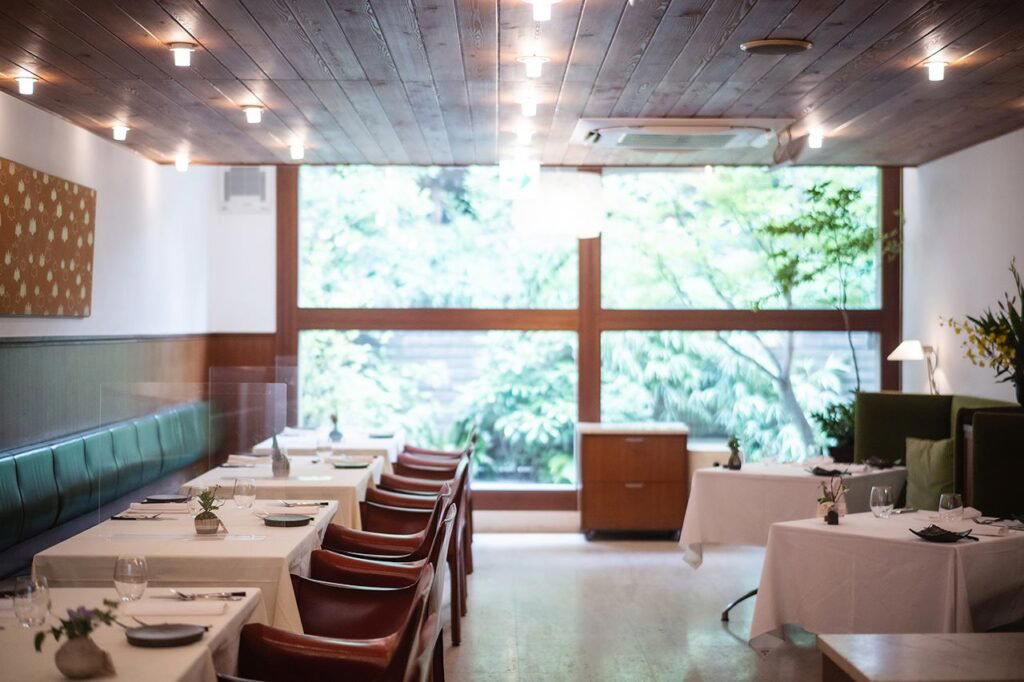
Where Kyoto's Seasonal Logic Meets Italian Structure
Higashiyama Ward has long been the part of Kyoto where the city presents its most formal face. The stone-paved lanes between Kiyomizudera and Yasaka Shrine carry an atmosphere shaped by centuries of craft, ceremony, and careful attention to material, qualities that extend, in their own way, to the dining choices clustered in this neighbourhood. It is, accordingly, a setting where a restaurant that works with precision rather than volume finds natural footing.
Il Ghiottone operates within that register. The kitchen draws on Japanese produce and seasonal rhythm but filters them through Italian culinary logic, the framing of vegetables as primary argument, the structural role of herbs, the Mediterranean impulse to let good ingredients carry the plate. In a city otherwise organised around kaiseki and its strict internal grammar, that approach occupies a clearly differentiated position. For a celebration dinner or a milestone occasion, differentiation matters: the meal should mark the evening as distinct, not confirm a format the guest has experienced before.
The Italo-Japanese Proposition, Placed in Context
Kyoto's restaurant culture has always been more heterodox than its kaiseki reputation implies. The city supports Italian and French kitchens that draw directly on local producers, often operating at a seriousness that sits alongside, rather than beneath, the kaiseki houses. Cenci, for instance, represents the Italian end of that continuum at the ¥¥¥ tier. Il Ghiottone approaches the same territory from a different angle: rather than importing Italian technique wholesale, the kitchen integrates Japanese seasonal thinking into an Italian-framed menu, using the vegetable and herb logic that has always given Italian cooking its structural backbone.
That dual fluency is not common. Most Western-concept restaurants in Japan either subordinate local produce to imported technique, or treat fusion as a concept to be announced rather than dissolved into the cooking. The stronger approach, and the one that generates genuine occasion-dining weight, is to make the convergence feel inevitable rather than engineered. High-quality seasonality and careful flavour calibration describe exactly that kind of assurance.
For comparison within Japan's premium fusion tier, HAJIME in Osaka represents particularly architecturally ambitious Western-Japanese convergence in the Kansai region, while akordu in Nara brings a Spanish idiom to similarly Japan-rooted produce sourcing. Il Ghiottone's Italian frame places it in a smaller comparable set, but that scarcity is itself an argument for the reservation.
Occasion Dining in Higashiyama: The Case for This Address
When a meal is the occasion rather than the accompaniment, a significant birthday, an anniversary, a professional milestone, the right restaurant needs to do several things simultaneously. It needs to hold attention across multiple courses without fatigue. It needs to feel considered rather than performative. And it needs to offer something the guest is unlikely to have encountered in the same form before.
Kyoto's kaiseki tier delivers all three at venues like Gion Sasaki, Hyotei, Kikunoi Honten, and Mizai, but for a guest who has already worked through that circuit, or who arrives from outside the kaiseki tradition and wants entry through a more familiar Western lens, the restaurant offers a structurally coherent alternative. The Italian format, a progression that moves logically from lighter to richer, with vegetables doing serious compositional work throughout, translates naturally to an extended celebratory meal.
The Higashiyama address adds its own layer. An evening in this part of Kyoto, particularly outside the peak tourist window, carries a quality of quiet that few urban dining settings can replicate. The neighbourhood's character reinforces the occasion rather than competing with it.
Situating the Kitchen: Craft and Quality Signals
The chef behind the restaurant operates across multiple restaurants, a pattern that in Japan typically signals a kitchen structure built around a clear culinary philosophy rather than sole-operator improvisation. The Kyoto 'ristorante' format is the deliberate choice among those outlets, a more formal register than a trattoria or café expression of the same sensibility. That selection of format matters when assessing where this restaurant sits in its comparable set: it is positioned as a serious dinner destination, not a casual drop-in.
Guest accounts describe the quality as high and the flavour calibration as careful, with vegetables and herbs functioning as they do in serious Italian cooking, not as garnish or filler but as primary flavour agents. That discipline is harder to sustain in a Japanese context, where Italian produce is either imported at cost or replaced with local equivalents that require fluency in both traditions to use convincingly. The evidence here points toward the latter approach: a kitchen that knows what Japanese seasonality offers and can translate it without apologising for the substitution.
Elsewhere in Japan, diners interested in the cross-cultural convergence format might compare notes with Harutaka in Tokyo, Goh in Fukuoka, 1000 in Yokohama, or 6 in Okinawa. Internationally, the Italian fine-dining parallel worth holding in mind is Le Bernardin in New York City for its structural discipline, or Atomix in New York City for the kind of Korean-Western convergence that shares methodological DNA with what the restaurant attempts from the Italian side. For completeness, Isshisoden Nakamura represents the traditional Japanese end of Kyoto's formal dining range, and
Know Before You Go
- Address: 388-1 Yasaka Kamimachi, Higashiyama Ward, Kyoto, 605-0827, Japan
- Neighbourhood: Higashiyama, between Kiyomizudera and Yasaka Shrine
- Format: Ristorante, multi-course Italian-inflected Japanese menu
- Price range: About $50 per person
- Booking: Reservations recommended
- Hours: Mon: 12-2 PM, 6-8 PM; Tue: Closed; Wed: Closed; Thu: 12-2 PM, 6-8 PM; Fri: 12-2 PM, 6-8 PM; Sat: 12-2 PM, 6-8 PM; Sun: 12-2 PM, 6-8 PM
- Occasion fit: Anniversary, milestone birthday, celebratory dinner, extended menu format suits a deliberate evening
Cuisine and Credentials
Comparable venues nearby, for context on price, style, and recognition.
| Venue | Cuisine | Price | Notes |
|---|---|---|---|
| Il GhiottoneThis venue — the venue you are viewing | Modern Italian with Kyoto influences | $$$ | Not listed |
| Kyoto Neze | Seasonal Kyoto Italian | $$$ | Nakagyō |
| La Locanda Za rittsu kaaruton kyoto | Modern Italian Fine Dining | $$$$ | Nakagyō |
| ルシュルシュル | Ingredient-Focused Italian | $$$ | Nakagyo-ku |
| IL GARAGE | Modern Italian with Japanese Influences | $$$$ | Nakagyō |
| Ristorante Noro | Italian with Japanese and French influences | $$$ | Nakagyō |
Recognition history
Dated appearances from independent guides and award organizations, with the underlying list record or original source where available.
Tabelog 100 #44 · No. 44
Tabelog · Tabelog 100 - Italian - WEST - 2025
We're Smart World 2 Radishes
We're Smart World
Continue exploring
More in Kyoto
Restaurants in Kyoto
Browse all →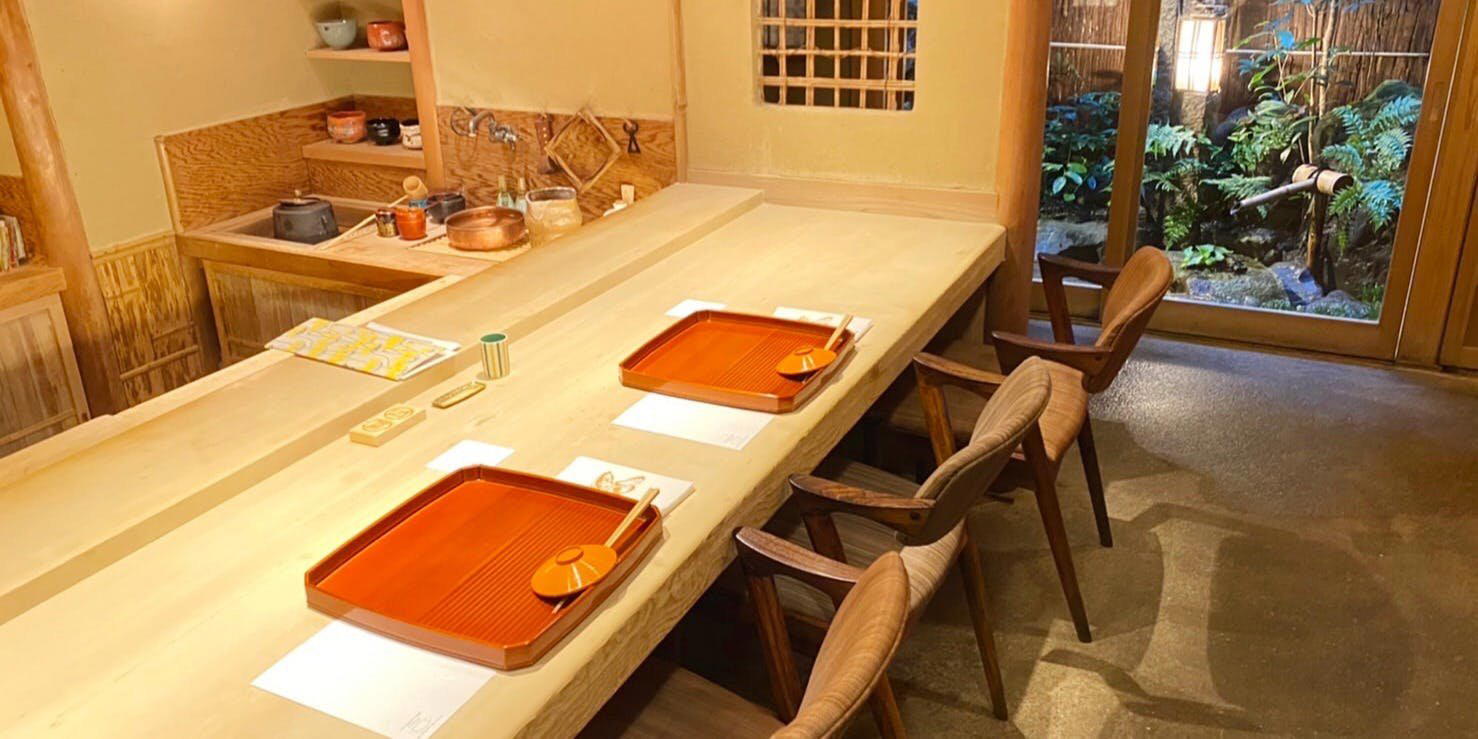

Bars in Kyoto
Browse all →

Hotels in Kyoto
Browse all →
Wineries in Kyoto
Browse all →
At a Glance
- Elegant
- Cozy
- Intimate
- Sophisticated
- Date Night
- Special Occasion
- Open Kitchen
- Extensive Wine List
- Local Sourcing
- Garden
- Street Scene
Current opening hours
- Monday
- 12–2 PM, 6–8 PM
- Tuesday
- Closed
- Wednesday
- Closed
- Thursday
- 12–2 PM, 6–8 PM
- Friday
- 12–2 PM, 6–8 PM
- Saturday
- 12–2 PM, 6–8 PM
- Sunday
- 12–2 PM, 6–8 PM
Hours can change for holidays and private events. Last verified .
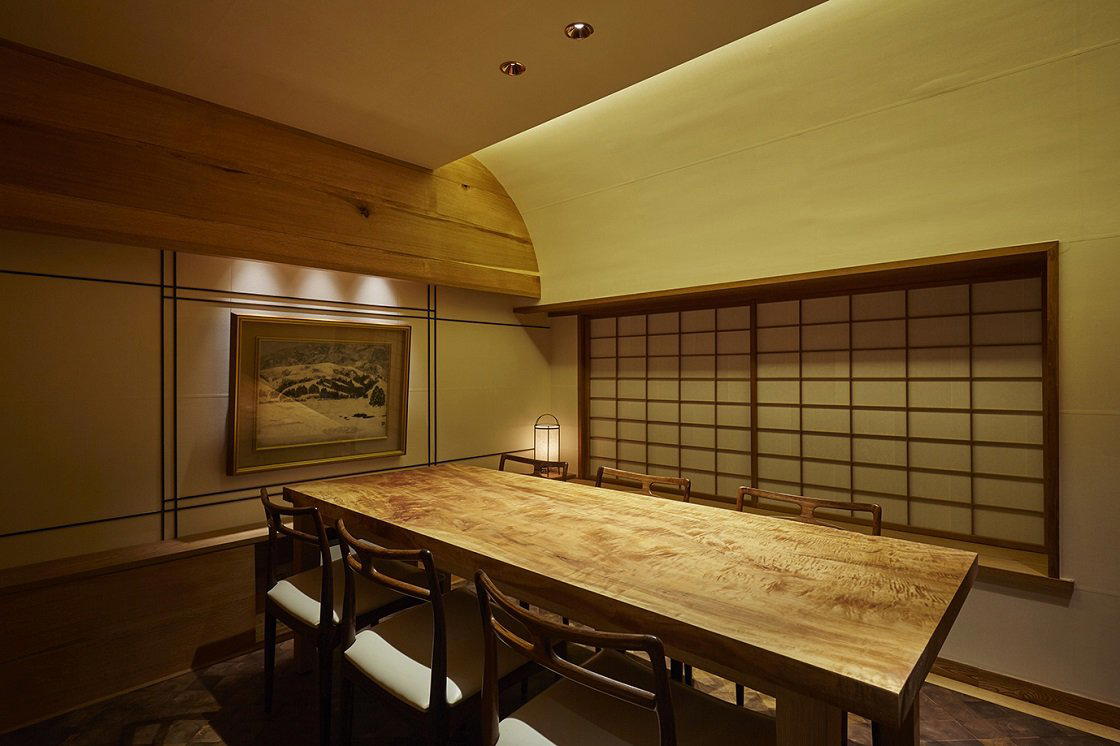
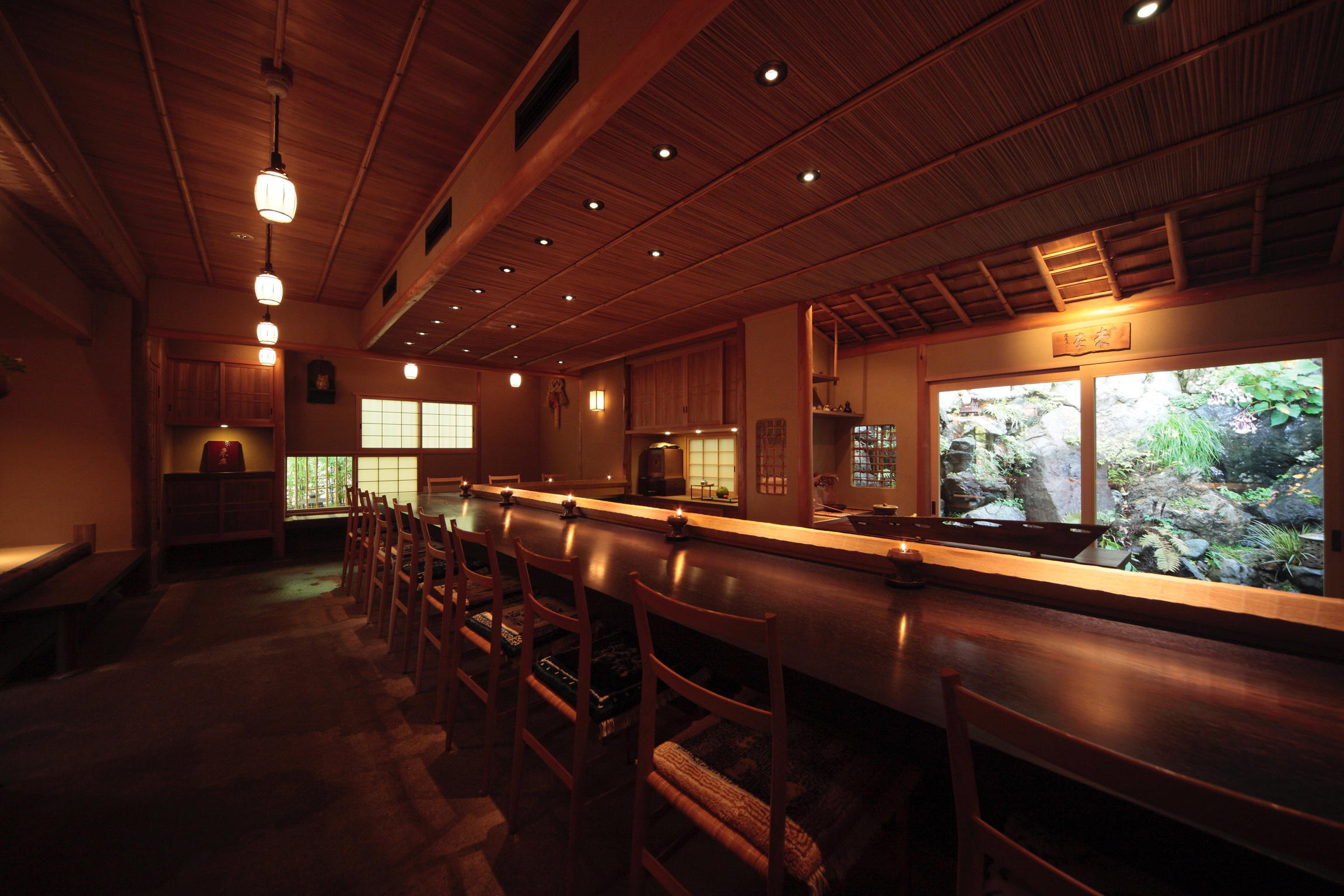
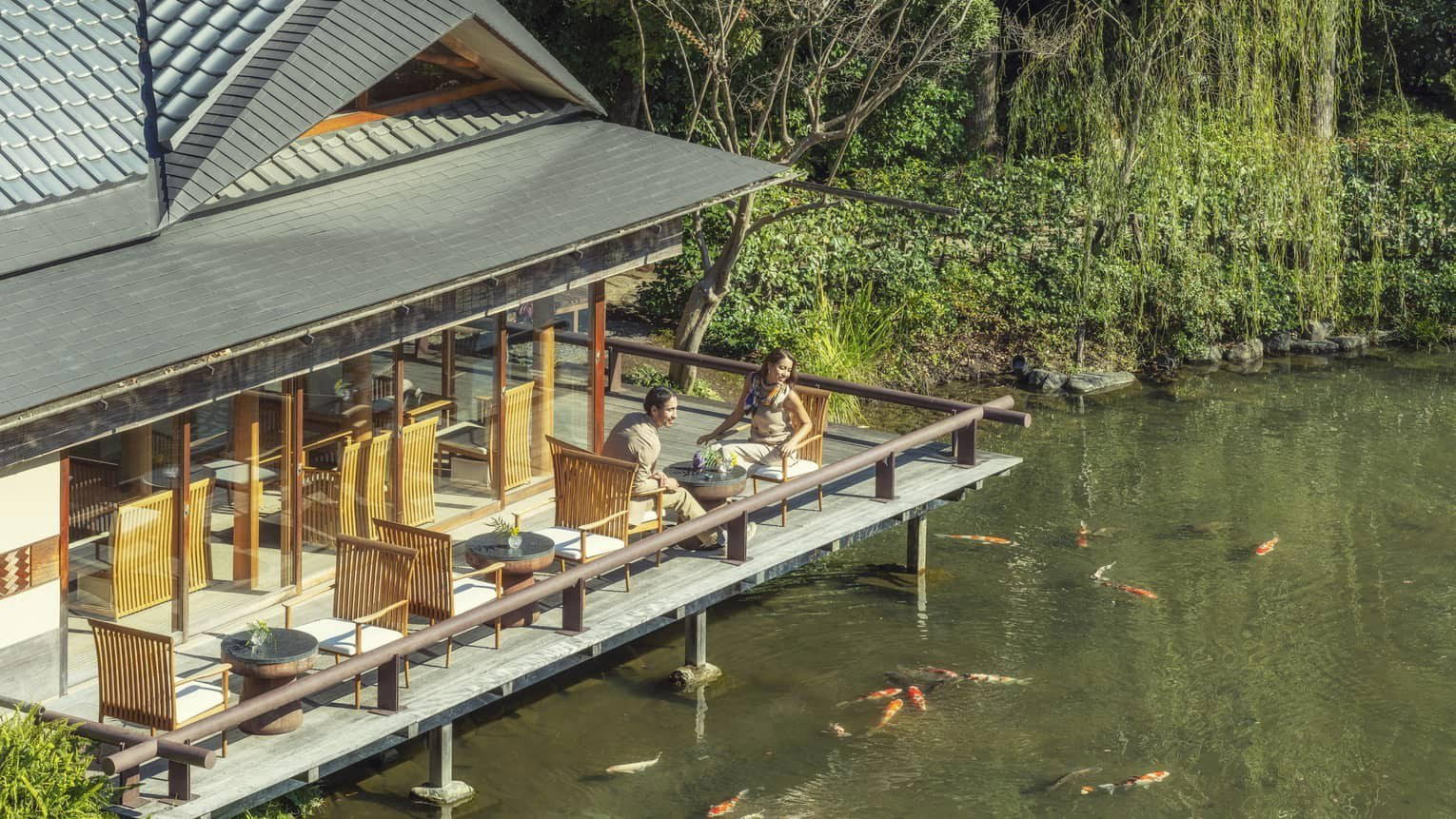
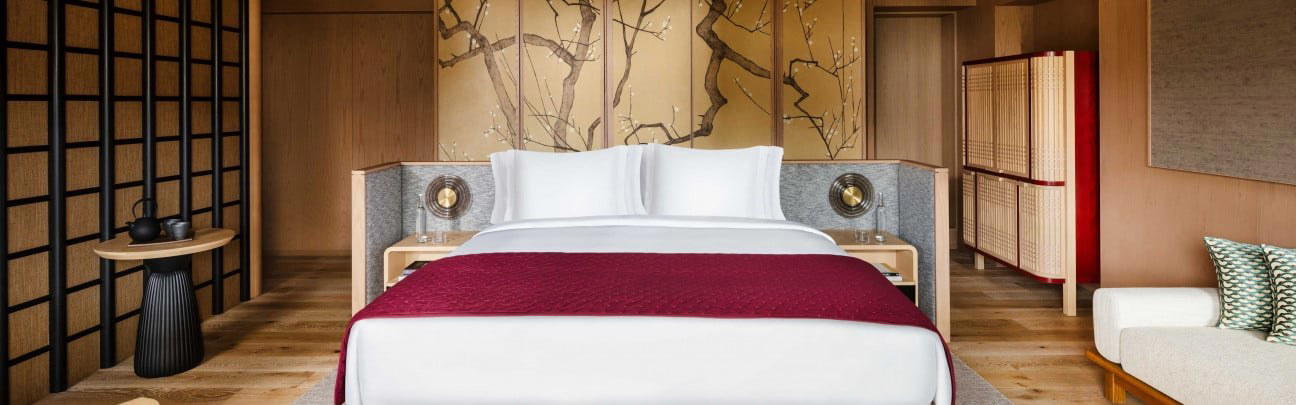
Serene and elegant with modern Western style interior in a restored Japanese home, calm atmosphere, and beautiful zen garden views.