Rigoletto occupies an address in Gion's Minamigawa strip, one of Kyoto's most concentrated corridors of serious dining. The venue sits in a neighbourhood where kaiseki tradition and quiet architectural restraint set the tone for every restaurant on the block. Visitors arriving without context will find the surrounding scene instructive before they reach the door.
Pearl is the En Primeur Club membership app — saves, bookings, and concierge access live there. Same editors, same standards.
- Address
- 570-192 Gionmachi Minamigawa, Higashiyama Ward, Kyoto, 605-0074, Japan
- Phone
- +81 75-532-0112
- Website
- huge.co.jp
- Directions
- Get directions
 Saves & bookings on Pearl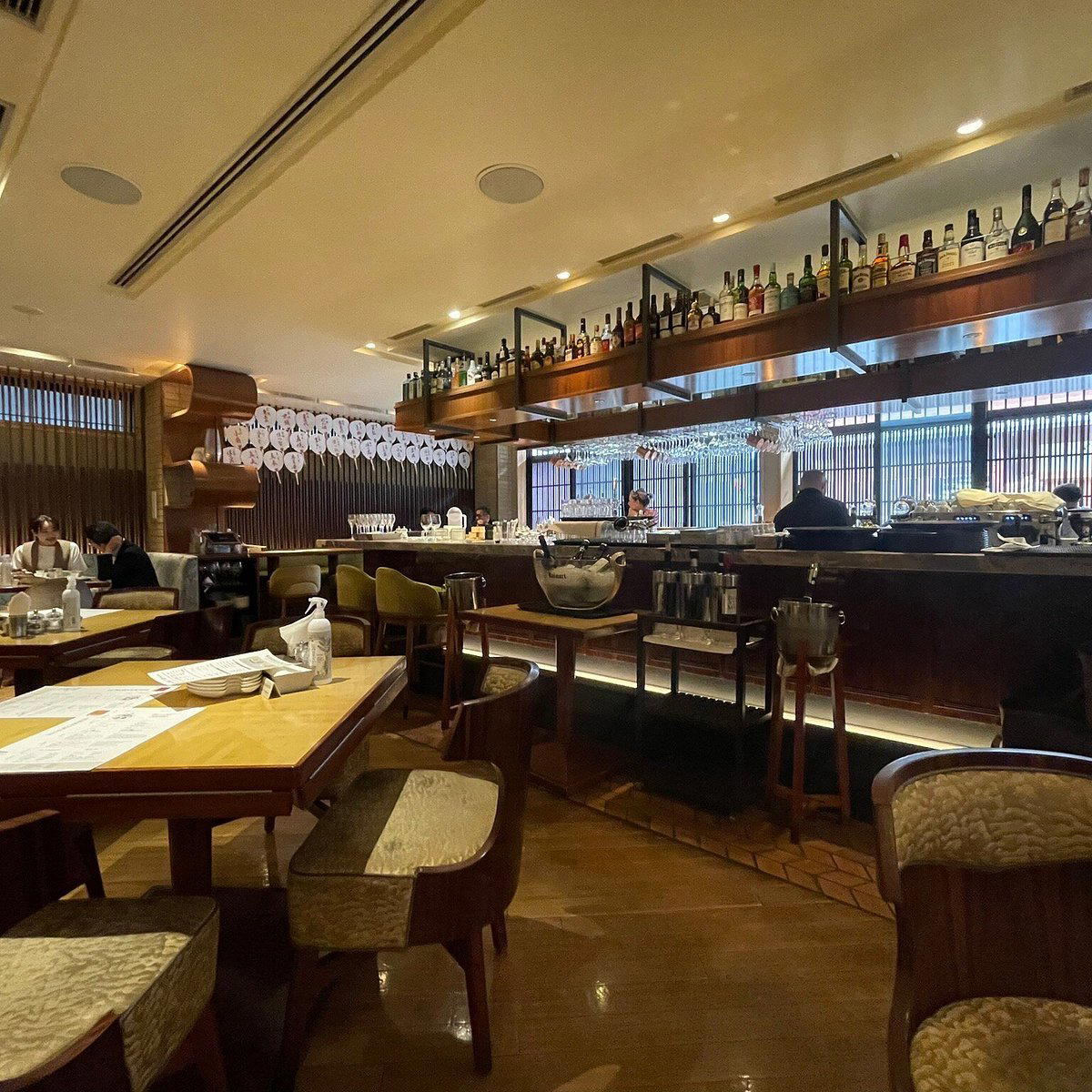
Arriving in Minamigawa
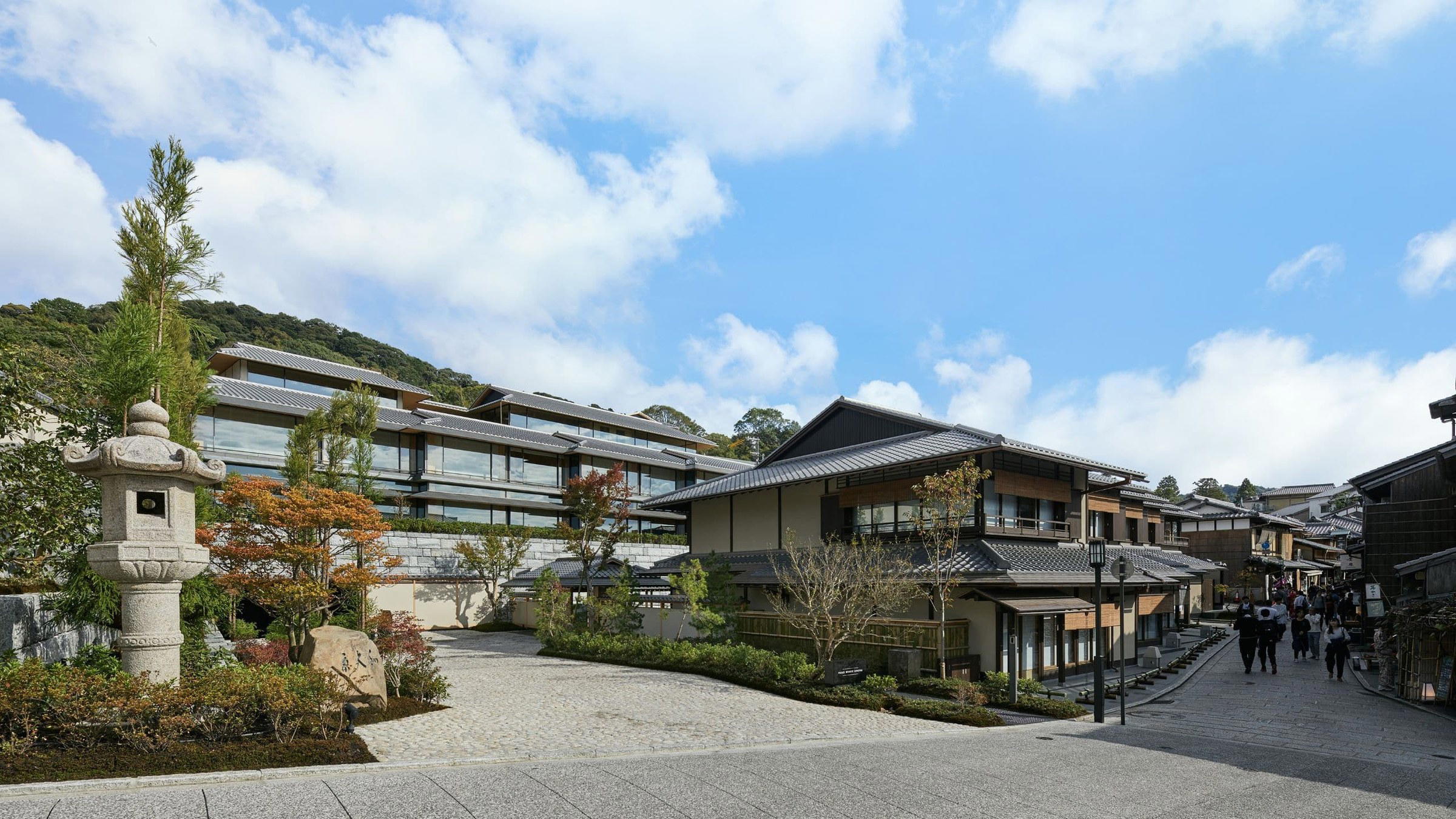
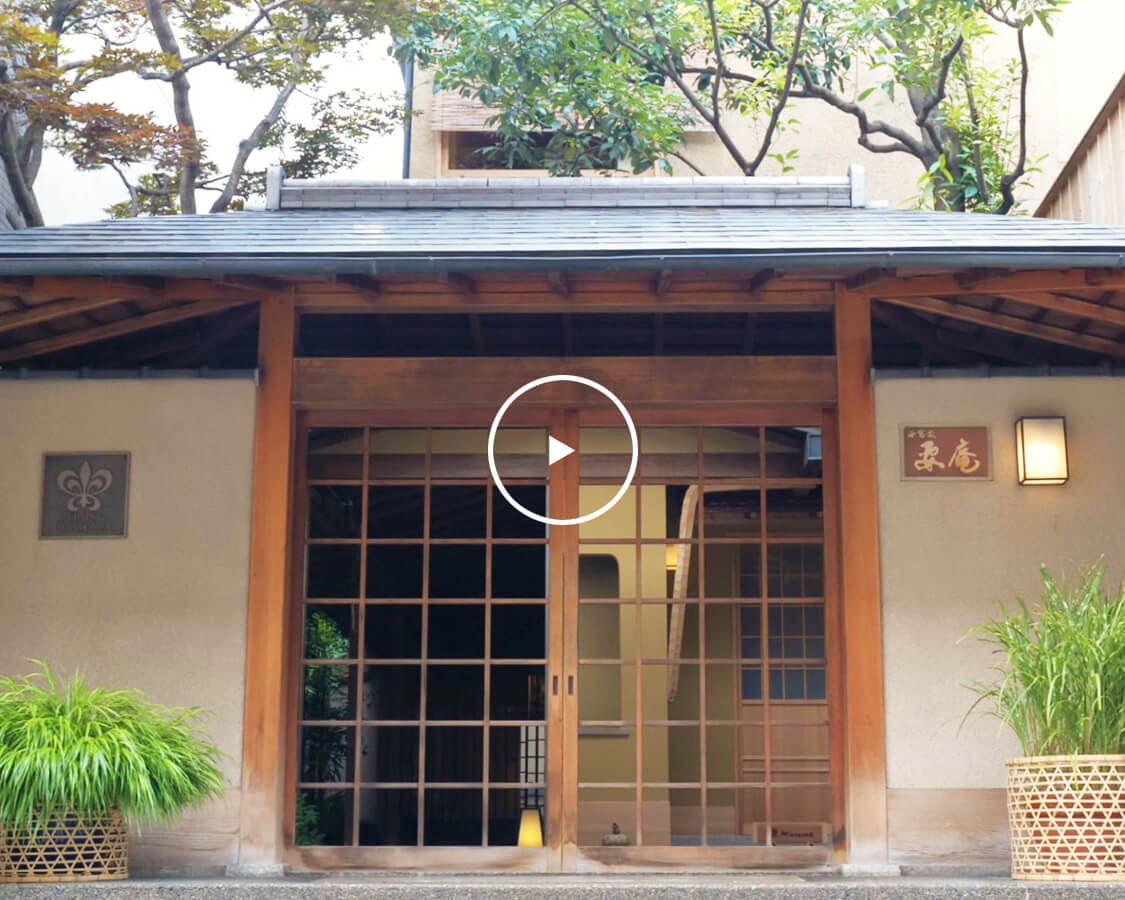
The southern side of Gion's main canal corridor, Hanamikoji to Shijo, operates at a different register from the tourist-facing north. Stone lanterns mark thresholds rather than entrances. The sound levels drop noticeably as you move away from the main crossings, and the facades of the buildings along 570-番地 Gionmachi Minamigawa give little away: dark wood, occasional暖簾 (noren) in muted fabric, and the measured quiet of a district that expects visitors to slow down. Rigoletto is a restaurant in Kyoto's Higashiyama Ward serving Smoke-Infused Spanish-Italian cooking.
Higashiyama's dining concentration is not accidental. The ward built its reputation across centuries as the territory closest to Gion's ochaya culture, where the conventions of formal hospitality were encoded into how food was presented, timed, and received. Restaurants that open here inherit that expectation whether they intend to or not. The physical approach to any table in this district is part of the meal.
The Gion Context: What the Neighbourhood Sets Up
Kyoto's serious restaurant addresses cluster into a handful of sub-zones. Gion Minamigawa is one of the tightest, with kaiseki-trained kitchens at multiple price points operating within a few hundred metres of each other. Gion Sasaki and Kikunoi Honten both operate in this corridor at the ¥¥¥¥ tier, setting the ambient standard against which any address on this strip is read. Mizai and Hyotei extend that competitive frame slightly further into the ward. The density means that first-time visitors arriving for any single address are likely to pass two or three peers of comparable weight on the same walk from the taxi drop.
That concentration creates a particular kind of pressure on every kitchen in the area. Western visitors encountering this dynamic for the first time often underestimate how much the neighbourhood itself shapes expectations before any food arrives.
Reading the Room: Atmosphere as Argument
In Gion's formal dining culture, the room is not neutral. Light levels, surface materials, the distance between tables, the acoustic register of the space, all of these function as statements about what kind of attention the kitchen expects from its guests. Venues in the kaiseki tradition typically work with natural materials: lacquer, ceramic, washi, cedar or hinoki wood surfaces that absorb sound rather than reflect it. The sensory effect is one of deliberate quieting, a managed lowering of stimulus that primes the diner to notice what is placed in front of them.
Rigoletto's Minamigawa address places it inside this tradition at the level of expectation even before the interior is considered. The street itself does the first layer of atmospheric work. For visitors coming from HAJIME in Osaka or from the high-intensity counter energy of Harutaka in Tokyo, the shift in register is noticeable. This part of Kyoto operates more slowly, and the leading restaurants in it use that tempo as a structural element of the experience.
Where Rigoletto Sits in the Broader Japan Picture
Japan's serious dining is distributed more widely than its international reputation suggests. The concentration on Tokyo and Kyoto obscures strong regional programs: Goh in Fukuoka operates at a level that would place it comfortably in either major city's upper tier, and akordu in Nara has built a case for the region south of Kyoto as a serious dining destination in its own right. Further afield, addresses in smaller cities, 一本木 瓦川制 in Nanao, 羽根屋 in Nishikawa Machi, 湖畔荘 in Takashima, and 大地の宿乃 in Sapporo, make the case that geography is not destiny in Japanese fine dining.
Within Kyoto specifically, the comparison set matters. Isshisoden Nakamura operates with centuries of institutional history behind it, which positions it differently from newer openings in the same ward. The contrast between historically rooted houses and newer programs with less recorded pedigree is one of the more interesting tensions in Kyoto dining right now, and it shapes how critics and informed visitors read each address they encounter.
For Visitors Mapping a Kyoto Itinerary
Gion Minamigawa functions well as an evening district. The street is most atmospheric after dark, when the lantern light softens the facades and the foot traffic thins. Visitors using the area as a dining anchor should account for the fact that the surrounding ochaya houses operate with their own guest protocols, and the district's atmosphere is at its most coherent between roughly 19:00 and 22:00. Birdland in Sakai, Bistro Ange in Toyohashi, and international comparisons like Le Bernardin in New York City and Atomix in New York City illustrate how differently formal dining encodes its atmospherics in other cities. Kyoto's version is among the more spatially and temporally specific, it depends on arriving in the right part of the city at the right time of evening, having done enough groundwork to read what the environment is communicating.
Know Before You Go
- Address: 570-192 Gionmachi Minamigawa, Higashiyama Ward, Kyoto, 605-0074, Japan
- District: Gion Minamigawa, Higashiyama Ward
- Price range: About $30 per person
- Reservations: Recommended
- Getting there: The address is 570-192 Gionmachi Minamigawa, Higashiyama Ward, Kyoto, 605-0074, Japan.
Cuisine-First Comparison
Comparable venues nearby, for context on price, style, and recognition.
| Venue | Cuisine | Price | Notes |
|---|---|---|---|
| RigolettoThis venue — the venue you are viewing | Smoke-Infused Spanish-Italian | $$$ | Not listed |
| Ristorante t.v.b | Seasonal Italian fine dining with Kyoto influence | $$$ | Higashiyama |
| Kyoto Neze | Seasonal Kyoto Italian | $$$ | Nakagyō |
| Ristorante Noro | Italian with Japanese and French influences | $$$ | Nakagyō |
| en boca Kyoto | Italian-Japanese wood-fired pizza & vegetables | $$$ | Nakagyō |
| IL GARAGE | Modern Italian with Japanese Influences | $$$$ | Nakagyō |
Continue exploring
More in Kyoto
Restaurants in Kyoto
Browse all →


Bars in Kyoto
Browse all →



Hotels in Kyoto
Browse all →
Wineries in Kyoto
Browse all →
At a Glance
- Modern
- Elegant
- Sophisticated
- Date Night
- Group Dining
- Special Occasion
- Open Kitchen
- Private Dining
- Extensive Wine List
- Sake Program
Current opening hours
- Monday
- 11:30 AM–10 PM
- Tuesday
- 11:30 AM–10 PM
- Wednesday
- 11:30 AM–10 PM
- Thursday
- 11:30 AM–10 PM
- Friday
- 11:30 AM–10 PM
- Saturday
- 11:30 AM–10 PM
- Sunday
- 11:30 AM–10 PM
Hours can change for holidays and private events. Last verified .
Lively bar with ornate space, tranquil dining room, open kitchen, and comfortable lounge, blending modern and classic elements.