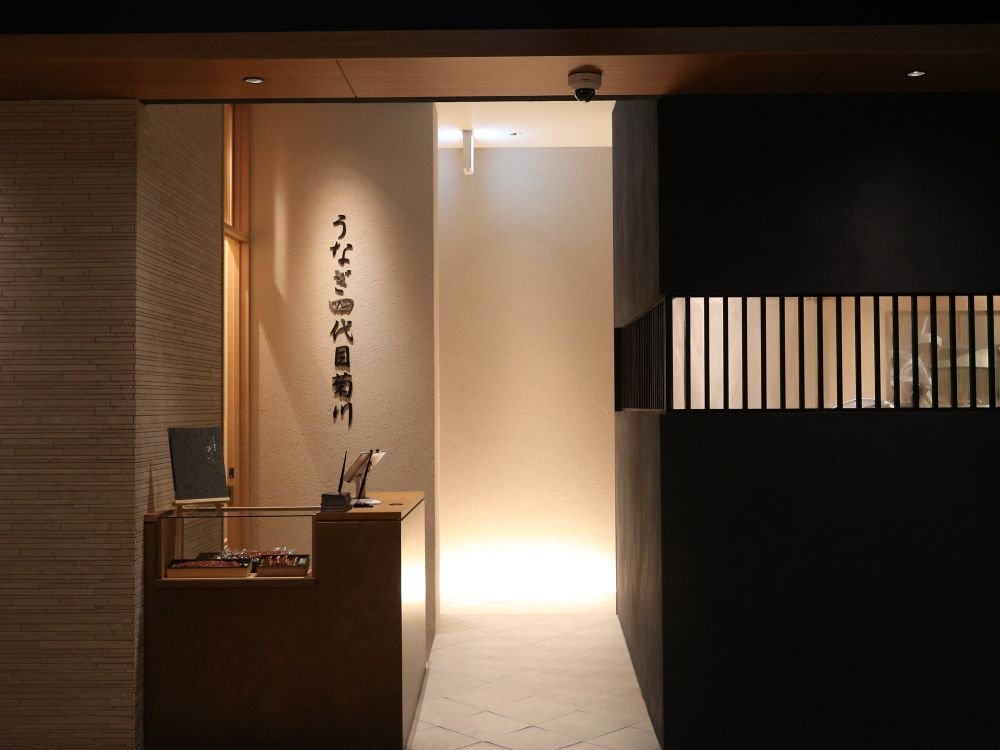
Housed on the second floor of Cross Gate Kanazawa in the Hirooka district, うなぎ四代目菊川 carries four generations of unagi tradition into one of Kanazawa's most accessible transit-adjacent dining addresses. The restaurant draws on the long-established Hokuriku appetite for freshwater eel, prepared in a style that places craft lineage above novelty. Expect a focused menu built around charcoal-grilled unagi, positioned within Kanazawa's broader heritage dining culture.
 Discover on Pearl
Pearl is the En Primeur Club membership app — saves, bookings, and concierge access live there. Same editors, same standards.
Kanazawa's Unagi Tradition and Where Kikugawa Fits
Japan's freshwater eel restaurants occupy a distinct tier in the country's dining hierarchy. Unlike kaiseki, which Kanazawa has exported to national prominence through houses like Zeniya and Kataori, unagi-ya sit closer to the everyday craft tradition: specialist, generational, and largely indifferent to international acclaim. That positioning is not a limitation. In cities like Kanazawa, where culinary identity runs deep through the Kenroku-en garden district and the Omicho market, a four-generation unagi house carries a kind of authority that a newer restaurant cannot replicate through ambition alone.
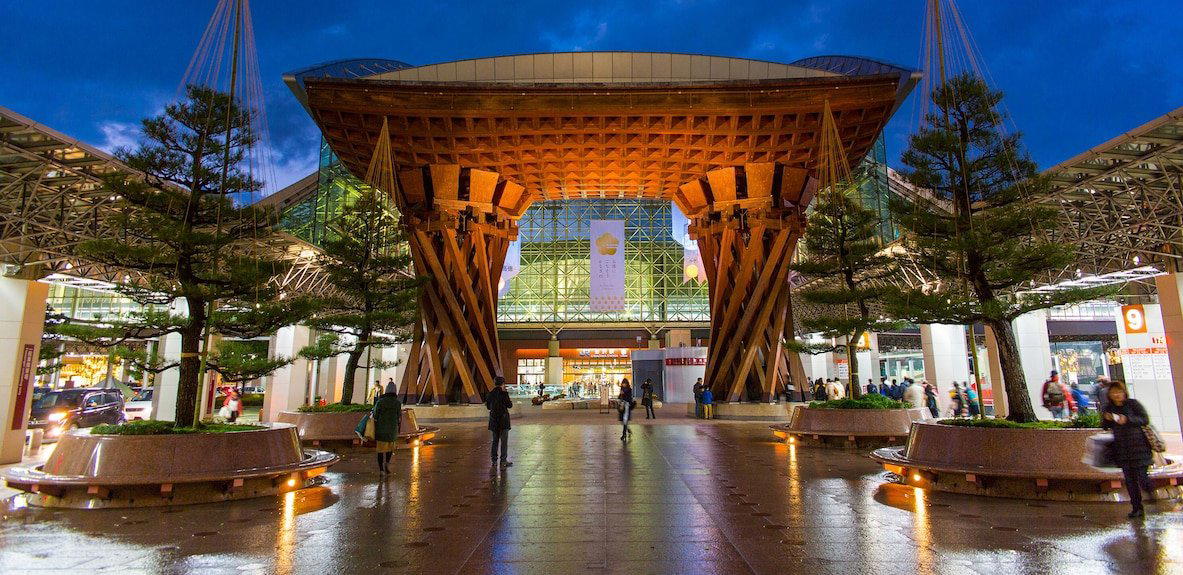
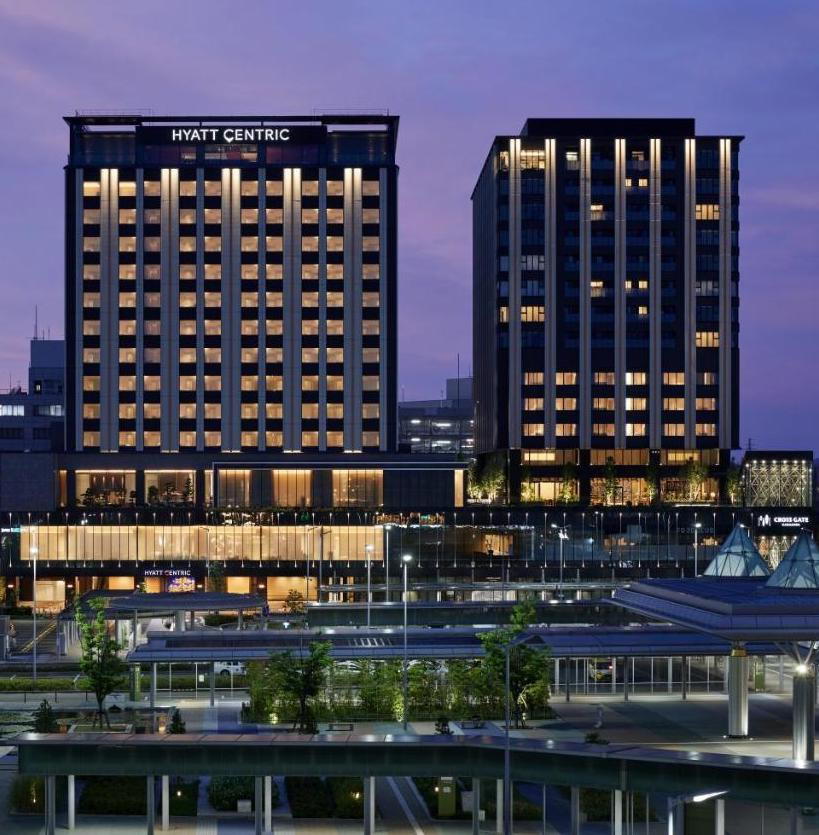
うなぎ四代目菊川 (Unagi Yondaime Kikugawa) sits on the second floor of Cross Gate Kanazawa, a mixed-use complex anchored to Kanazawa Station's eastern exit in the Hirooka district. The location is deliberate: Cross Gate is less a shopping centre than a civic connector, the kind of modern building that Japanese cities use to frame their transit gateways without erasing neighbourhood character. Arriving from the station concourse and ascending to the second floor, the shift from transit noise to the quieter register of a specialist eel restaurant is immediate. The setting rewards visitors arriving by shinkansen from Tokyo or Osaka, who can move directly from the platform into one of Kanazawa's more rooted dining formats without crossing the city.
Four Generations as a Culinary Signal
In Japan's specialist restaurant culture, generational depth functions as a credential in a way that awards cannot fully replicate. A four-generation lineage in unagi preparation implies not just recipe continuity but accumulated knowledge of sourcing, fire management, and the precise relationship between steaming and grilling that defines the Kanto-style preparation most prevalent in Japan's premium eel houses. Hokuriku's own regional preferences tend to run closer to Kansai directness, given the area's historical ties to Kyoto's food culture through the kitamaebune trade routes.
Generational restaurants of this type rarely chase Michelin recognition, partly by temperament and partly because the Guide's eel coverage in Japan has historically concentrated on Tokyo and Nagoya. That absence from formal award lists does not indicate a gap in quality; it reflects a category of Japanese dining that measures itself by repeat local patronage and lineage continuity rather than external certification. For context on how Japan's broader fine-dining recognition distributes across cities, the work of restaurants like HAJIME in Osaka and Gion Sasaki in Kyoto illustrates the award-heavy end of that spectrum, against which a craft specialist like Kikugawa occupies a different but equally intentional position.
The Unagi Format and What to Expect at the Table
Unagi restaurants in Japan operate around a tightly constrained menu logic. The core offering is unadon or unaju: charcoal-grilled eel over rice, served in a bowl or lacquered box, finished with tare, a reduction of soy, mirin, and the restaurant's own accumulated glaze built over years of basting successive batches. Kikugawa's four-generation context implies that its tare carries the layered depth that only long-run production achieves, since the sauce is replenished rather than replaced, accumulating flavour across decades. Side dishes typically extend to clear soup, pickles, and liver preparations. The format is not designed for extended tasting across multiple courses; the eel itself is the argument.
For visitors accustomed to the broader kaiseki register that defines Kanazawa's dining reputation, or to sushi counters of the type represented in Tokyo by Harutaka, a specialist unagi-ya operates on different structural logic. There is no progression through courses, no seasonal kaiseki arc. The meal is compressed and intentional: the quality of the eel, the precision of the grilling, and the depth of the tare carry the full weight of the experience.
Kanazawa's Broader Specialist Dining Context
Kanazawa rewards visitors who move beyond its headline kaiseki addresses into its specialist formats. The city's food culture is wide enough to sustain dedicated eel houses, wagashi producers like Amanatto Kawamura, and the kind of category-specific depth that only cities with long, uninterrupted culinary lineages develop. Dokkan and Hakuichi represent other facets of that specialist culture, while Budoonomori Les Tonnelles shows how French technique has been absorbed into the city's dining conversation. The picture across these addresses is of a city that does not need novelty to sustain culinary interest.
Comparable specialist eel traditions appear in other Japanese cities. Goh in Fukuoka operates in a city with its own strong craft-dining culture, and the unagi houses of Nagoya's Atsuta district set a national benchmark for the hitsumabushi format. Within Hokuriku, Kanazawa's proximity to Nanao's seafood-focused dining, represented by 一本杉 川尻, illustrates how the region's ingredient geography shapes specialist menus across adjacent cities. For those extending itineraries into neighbouring prefectures, 湖里庵 in Takashima and 羽根屋 in Nishikawa Machi offer additional reference points in the region's traditional dining formats.
Seasonal Timing and Practical Planning
Unagi consumption in Japan peaks around Doyo no Ushi no Hi, the midsummer day on the lunar calendar when eel is traditionally eaten for stamina in the heat, typically falling in late July. Demand at unagi-ya spikes significantly around this date nationwide, and wait times at popular addresses extend well beyond their usual patterns. Visiting Kikugawa outside this window, particularly in autumn and early winter when Kanazawa's crab season draws food-focused visitors, provides a more measured introduction to the restaurant's format without the seasonal crowd pressure. Spring, when the city's Higashi Chaya district and Kenroku-en gardens attract heavy tourist traffic, is another period when reservations at specialist restaurants across Kanazawa become tighter.
Cross Gate Kanazawa's station-adjacent location makes Kikugawa a practical first or last meal option for visitors arriving by shinkansen from Tokyo (approximately two and a half hours) or connecting from Osaka and Kyoto via the Thunderbird limited express. For those comparing Kanazawa against other regional fine-dining cities, akordu in Nara and Atomix in New York City represent the international end of that conversation, while the city's own specialist addresses like Kikugawa anchor the argument for Kanazawa as a destination where craft continuity matters as much as creative ambition.
The restaurant does not maintain a widely publicised English-language web presence, which is consistent with unagi-ya of this type across Japan: their audience has historically been local and repeat, reached through word of mouth rather than online reservation platforms. Walk-in availability varies by season and day of week; arriving early at opening is the standard approach at comparable specialist addresses in Japan's regional cities. For anyone building a broader Kanazawa itinerary that extends to comfort food formats, Go! Go! Curry offers context on the city's more casual register. For yakitori, Birdland in Sakai provides a comparative reference point for Japan's grill-focused specialist category more broadly. And for those tracking Japan's high-end seafood counter tradition internationally, Le Bernardin in New York City represents how that precision-with-product ethos translates to a Western fine-dining context.
Comparable Spots
Comparable venues nearby, for context on price, style, and recognition.
| Venue | Cuisine | Price | Notes |
|---|---|---|---|
| うなぎ四代目菊川This venue — the venue you are viewing | Kansai-style Whole Eel (Unagi) | $$$ | |
| Rokkaku Do | Traditional Japanese Teppanyaki Steakhouse | $$$ | Kanazawa |
| Unagi Yondaime Kikukawa | Traditional Japanese Unagi | $$$ | Kanazawa Station Area |
| 東山 和今 | Michelin-Starred Omakase Sushi | $$$ | Kanazawa |
| 割鮮 のむら | Kappo Japanese with Fresh Seafood | $$$ | 泉野出町 |
| くら竹 | Kanazawa Sushi Omakase | $$$ | Kanazawa |
Continue exploring
More in Kanazawa
Restaurants in Kanazawa
Browse all →
At a Glance
- Classic
- Elegant
- Cozy
- Special Occasion
- Business Dinner
- Private Dining
- Sake Program
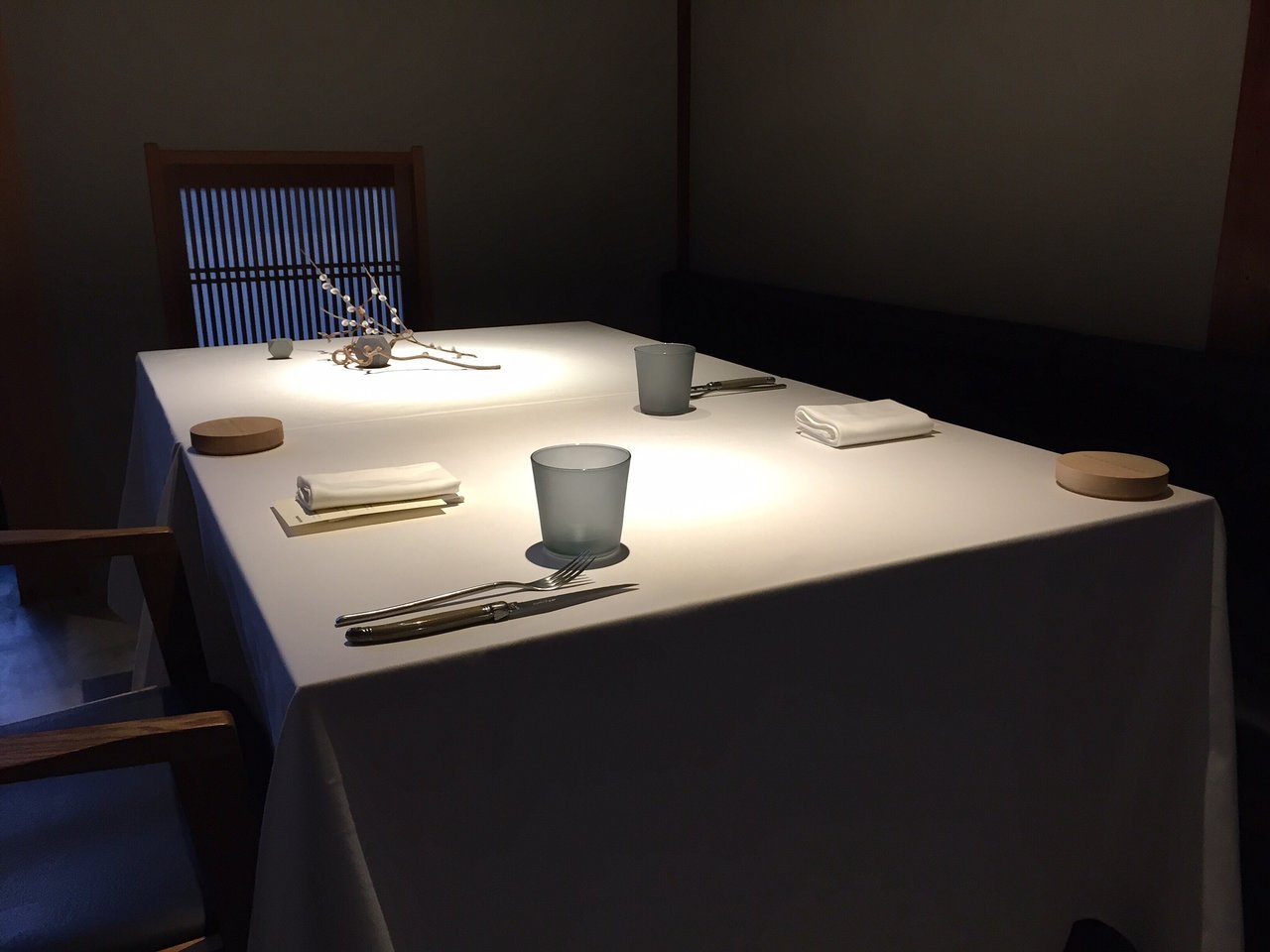
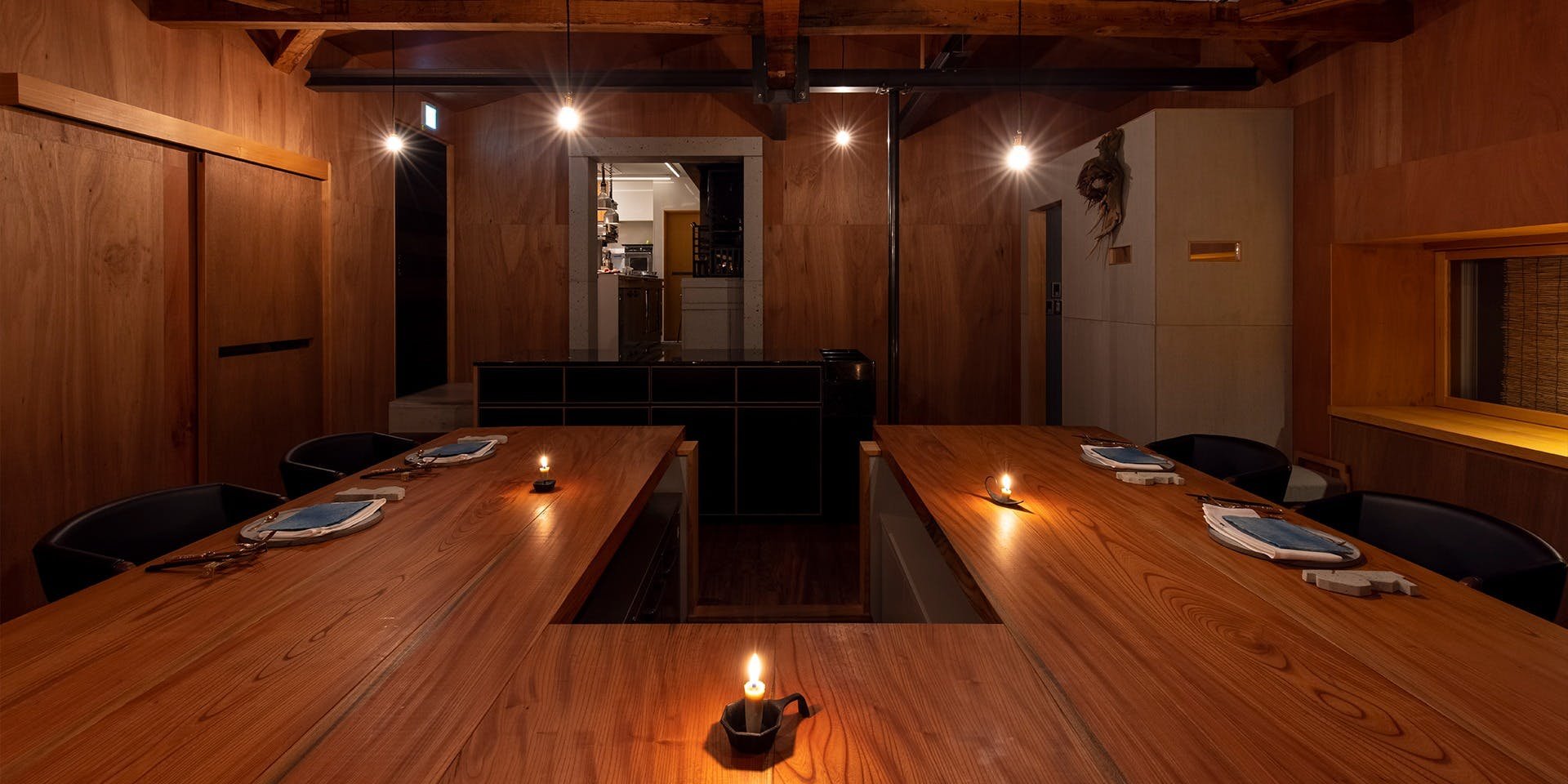
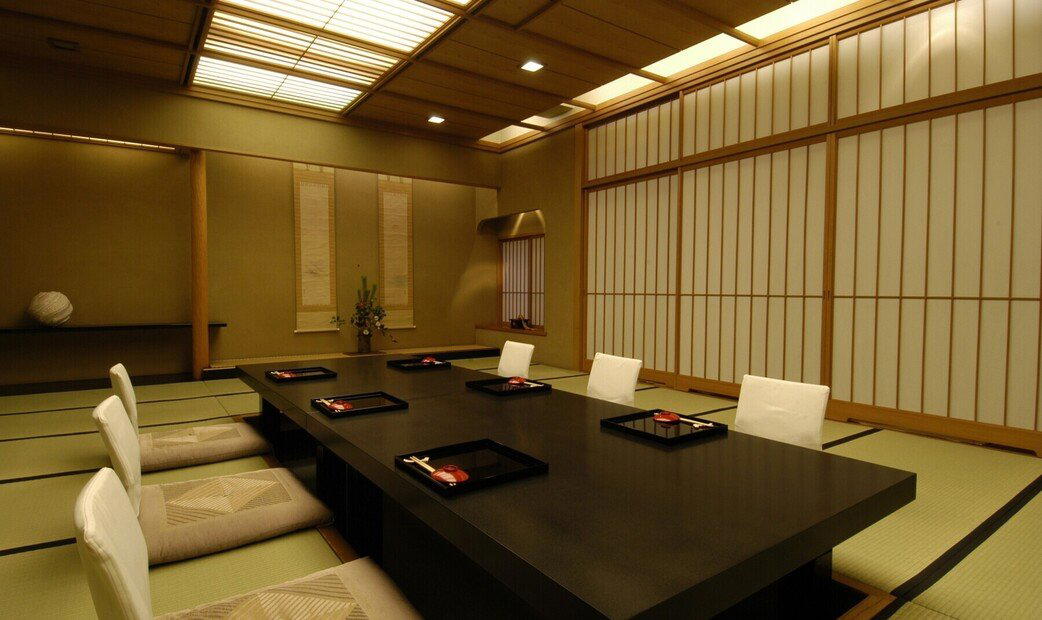
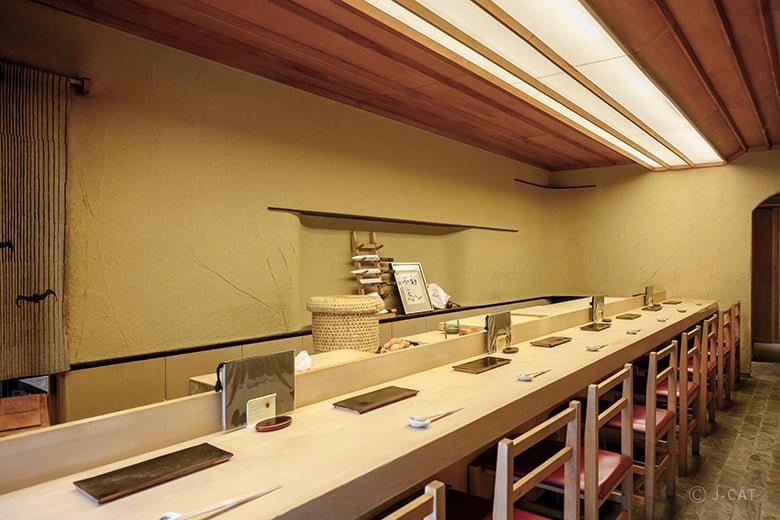
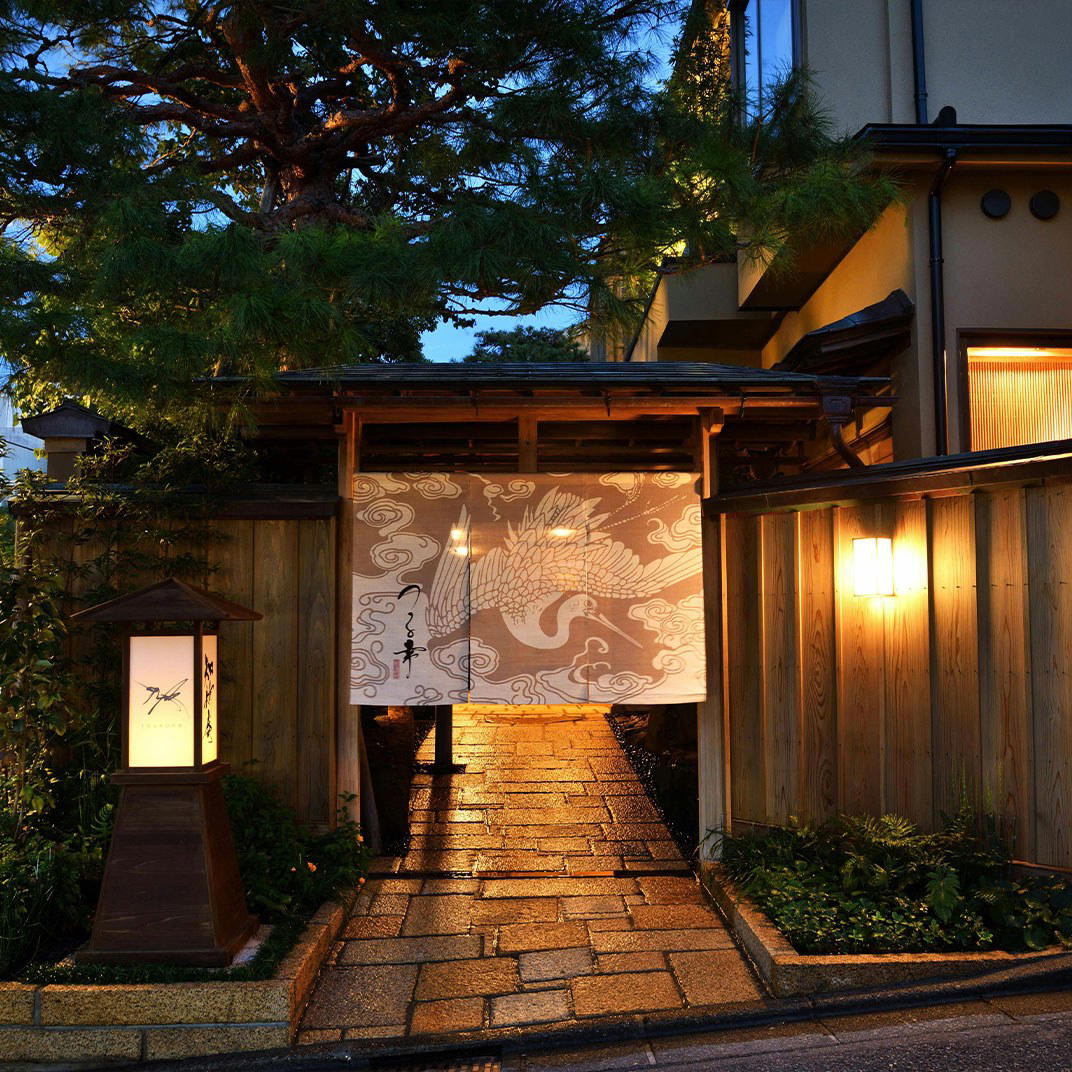
Calm, modern Japanese atmosphere with relaxed seating including counter and private rooms for 4-20 people.