東山 佐仁 occupies a quiet address in Kanazawa's Higashiyama district, one of the city's most preserved historic quarters. The restaurant sits within a tradition of intimate, counter-led dining that Kanazawa has cultivated alongside its kaiseki heritage. Details on format, pricing, and booking are best confirmed directly, given limited publicly available data.
Pearl is the En Primeur Club membership app — saves, bookings, and concierge access live there. Same editors, same standards.
- Address
- Japan, 〒920-0838 Ishikawa, Kanazawa, Kannonmachi, 1-chome−5−8 薪の音金澤 1階 「東山和今」
- Phone
- +81762526657
- Website
- restaurant.ikyu.com
- Directions
- Get directions
 Saves & bookings on Pearl
Higashiyama's Quiet Register
Kanazawa's Higashiyama district does not announce itself. The Kannonmachi streets approach quietly, through preserved machiya townhouse facades and stone-paved lanes that have changed less dramatically than most Japanese urban quarters in the postwar decades. It is in this kind of neighbourhood — where proximity to geisha teahouse culture and Buddhist temple architecture shapes the atmospheric baseline — that a restaurant's physical address carries meaning before a single dish arrives. 東山 佐仁 holds an address in this quarter, placing it inside one of Japan's most intact pre-Meiji streetscapes and within earshot of a dining tradition that Kanazawa has spent considerable civic energy protecting.
That protection has a practical dimension. Kanazawa avoided Allied bombing in the Second World War, which preserved not just the architecture but the artisan and culinary networks that typically concentrate around historic urban fabric. The city's food culture, centred on Omicho market's seafood and the seasonal discipline of kaiseki, did not need to rebuild from scratch in the way that Osaka or Tokyo did. This continuity is legible in the neighbourhood where 東山 佐仁 operates: the surroundings encode a living tradition rather than a reconstructed one.
Kanazawa's Culinary Position in the Wider Japanese Scene
Japan's fine dining hierarchy tends to concentrate critical attention on Tokyo, Kyoto, and Osaka. Harutaka in Tokyo operates at the rarefied end of the capital's sushi counter tier; Gion Sasaki in Kyoto draws heavily on that city's kaiseki inheritance; HAJIME in Osaka represents the city's appetite for technically ambitious contemporary cuisine. Kanazawa is less discussed in international food media, but it operates with a different set of advantages: proximity to the Sea of Japan's cold-water fish stocks, an agricultural hinterland that produces Kaga vegetables with genuine regional specificity, and a craft culture, particularly lacquerware and Kutani porcelain, that feeds into the material language of serious dining rooms.
Within Kanazawa itself, the fine dining cohort is smaller and more contained than in the major cities. Zeniya and Kataori represent the kaiseki tier that draws national and international recognition. Respiracion works the innovative Spanish register that has found footholds in Japanese regional cities. The yakitori counter at Hamagurizaka Maekawa addresses a different meal type entirely. 東山 佐仁, positioned in Higashiyama, occupies a distinct geographic and likely tonal register from the more commercially visible addresses nearer Omicho or Katamachi. For diners comparing notes across the city, Dokkan and Hakuichi provide reference points for Kanazawa's range, while Amanatto Kawamura addresses the city's artisan confectionery tradition that runs parallel to its restaurant culture. Go! Go! Curry anchors the deeply local, everyday end of the city's eating habits, a reminder that Kanazawa's food identity spans more than its formal dining rooms.
The Cultural Logic of This Address
Higashiyama's Kannonmachi strip sits adjacent to the Higashi Chaya district, one of three geisha quarter districts that survive in Kanazawa and one that the city has actively maintained as a cultural designation zone. Dining in this proximity is not neutral geography. Restaurants that operate here inherit the area's established expectations around discretion, craft, and a pace calibrated to the neighbourhood rather than to table-turn economics. This is the environment in which counter-led, intimately scaled dining makes particular sense: the neighbourhood's tempo and material character set a frame that larger, noisier formats would work against.
Across Japan's regional cities, this pattern repeats. In Fukuoka, Goh operates within a city whose street food confidence coexists with serious counter dining. In Nara, akordu positions itself against that city's historic weight. In Akita, affetto akita works a comparable niche in a city even further from the main culinary circuit. The logic is consistent: smaller Japanese cities with strong cultural identities generate dining rooms that address local specificity rather than metropolitan fashion cycles. 東山 佐仁's Higashiyama address places it squarely in that pattern.
Beyond Japan, comparable dynamics operate in different registers. Le Bernardin in New York City and Lazy Bear in San Francisco demonstrate how serious dining rooms anchor themselves to the specific cultural and material conditions of their city, rather than operating as context-free fine dining product. The principle, that address and neighbourhood encode meaning, holds across geographies.
What the Surroundings Suggest About the Experience
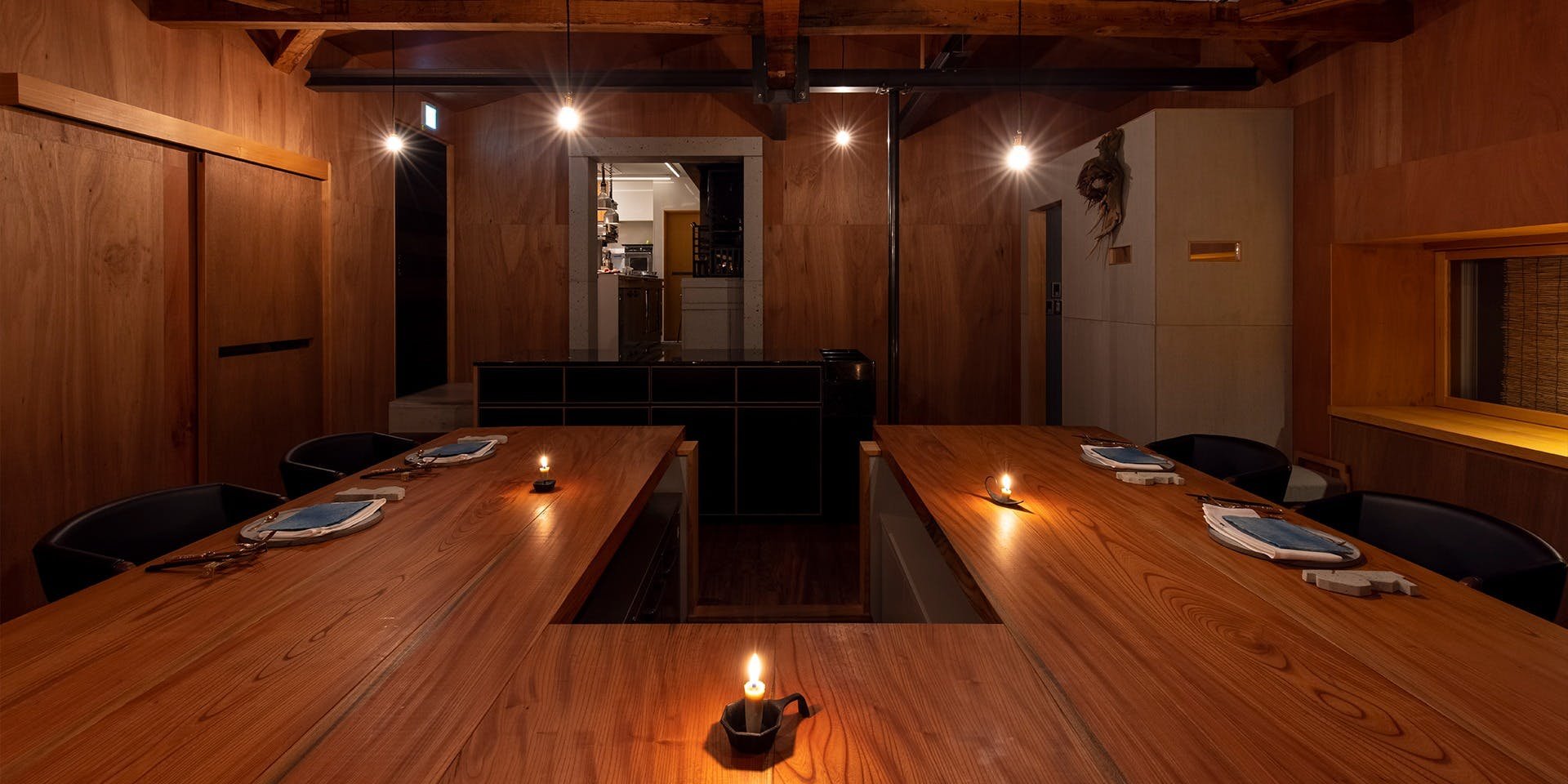
The specific address, Kannonmachi 1-chome, places 東山 佐仁 on the lower slope of the Higashiyama hill area, within walking distance of the Asano River and the wooden lattice-fronted ochaya that define the district's visual character. Restaurants at this address typically operate at a scale consistent with the neighbourhood's residential grain: small, controlled, with limited covers. This is not a venue type that scales upward easily or that benefits from foot-traffic exposure.
For diners arriving from outside Kanazawa, the Higashiyama district requires deliberate navigation rather than incidental discovery. It sits a reasonable distance from Kanazawa Station, accessible on foot or by local bus, but the area's character is defined precisely by its separation from the transit corridors that funnel visitors toward the Kenroku-en garden complex. Reaching Kannonmachi involves a decision, which means that the clientele it attracts tends toward the purposeful rather than the opportunistic. Within Japan, this kind of quiet geographical positioning is often a deliberate signal from operators who prefer a certain type of guest and a certain kind of meal.
Diners with broader itineraries across Japan's regional dining circuit may find useful context in addresses like Abon in Ashiya, Aji Arai in Oita, Akakichi in Imabari, and Ajidocoro in Yubari District, each representing the way Japan's secondary and tertiary cities sustain serious dining rooms outside the main critical circuit.
Planning a Visit
For a restaurant of this neighbourhood type and address in Kanazawa, the standard approach is to enquire through the hotel concierge of your Kanazawa accommodation, or through a specialist Japan reservations service, both of which can confirm current operating status, format, and booking availability in a way that avoids misaligned expectations. Visiting Higashiyama during the late afternoon to early evening also makes logistical sense: the district's lantern-lit transition from day to night is among the more considered atmospheric progressions in any Japanese city, and timing a dinner reservation to coincide with it rewards the effort of the detour.
For the wider Kanazawa dining picture, the EP Club Kanazawa restaurants guide maps the city's full range across price tiers and cuisine types, and provides a structured framework for building an itinerary around the city's distinct culinary geography. Budoonomori Les Tonnelles represents the French-influenced end of the city's formal dining range and is worth cross-referencing for diners planning multiple evenings in Kanazawa.
Budget Reality Check
| Venue | Price |
|---|---|
| æ±å±± åä»This venue — the venue you are viewing | This venue |
| Kataori | Kaiseki |
| Respiracion | Innovative Spanish |
| Zeniya | Kaiseki |
| Sushi Kibatani | Chinese |
| Hamagurizaka Maekawa | Yakitori |
Continue exploring
More in Kanazawa
Restaurants in Kanazawa
Browse all →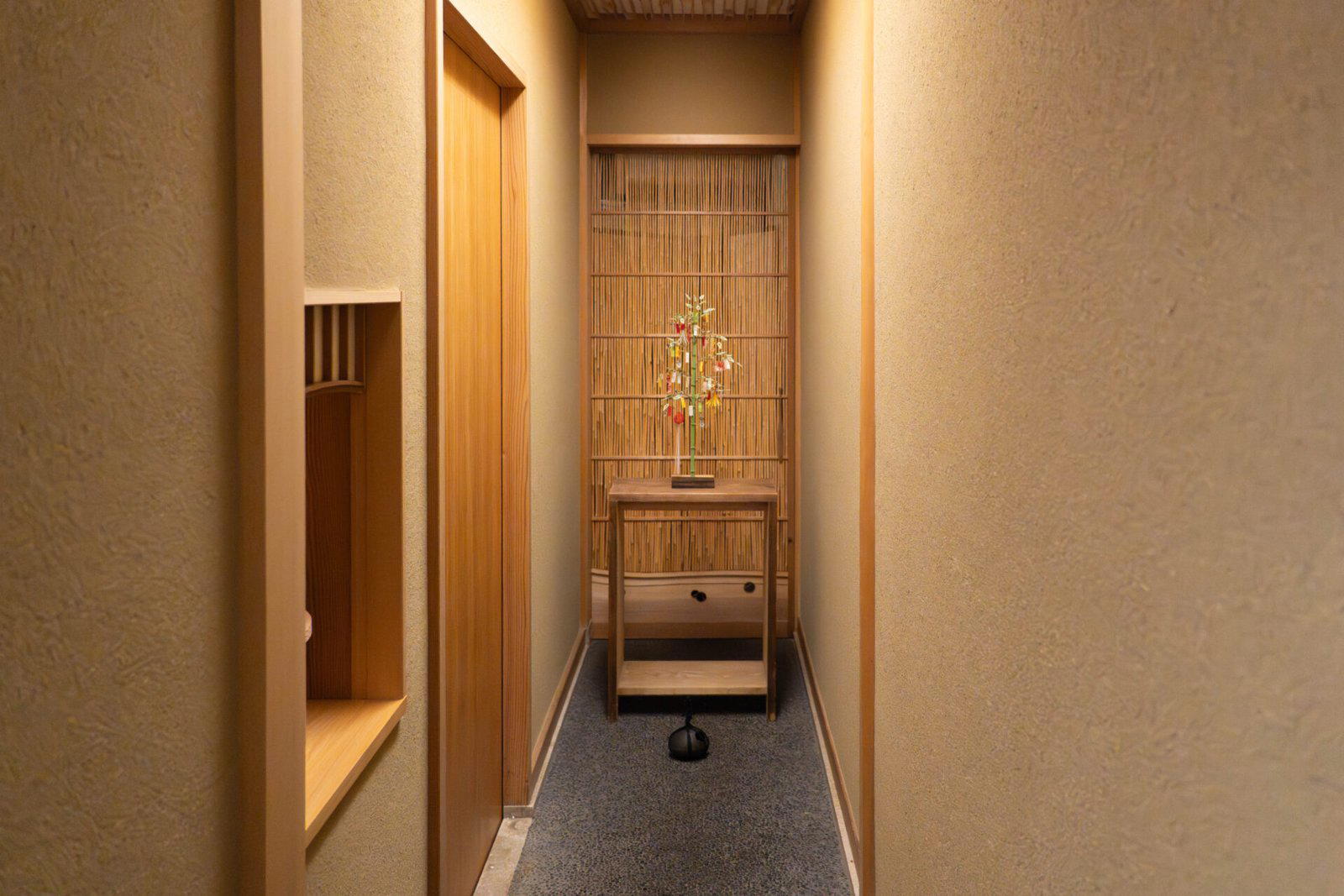
Bars in Kanazawa
Browse all →
Hotels in Kanazawa
Browse all →
Wineries in Kanazawa
Browse all →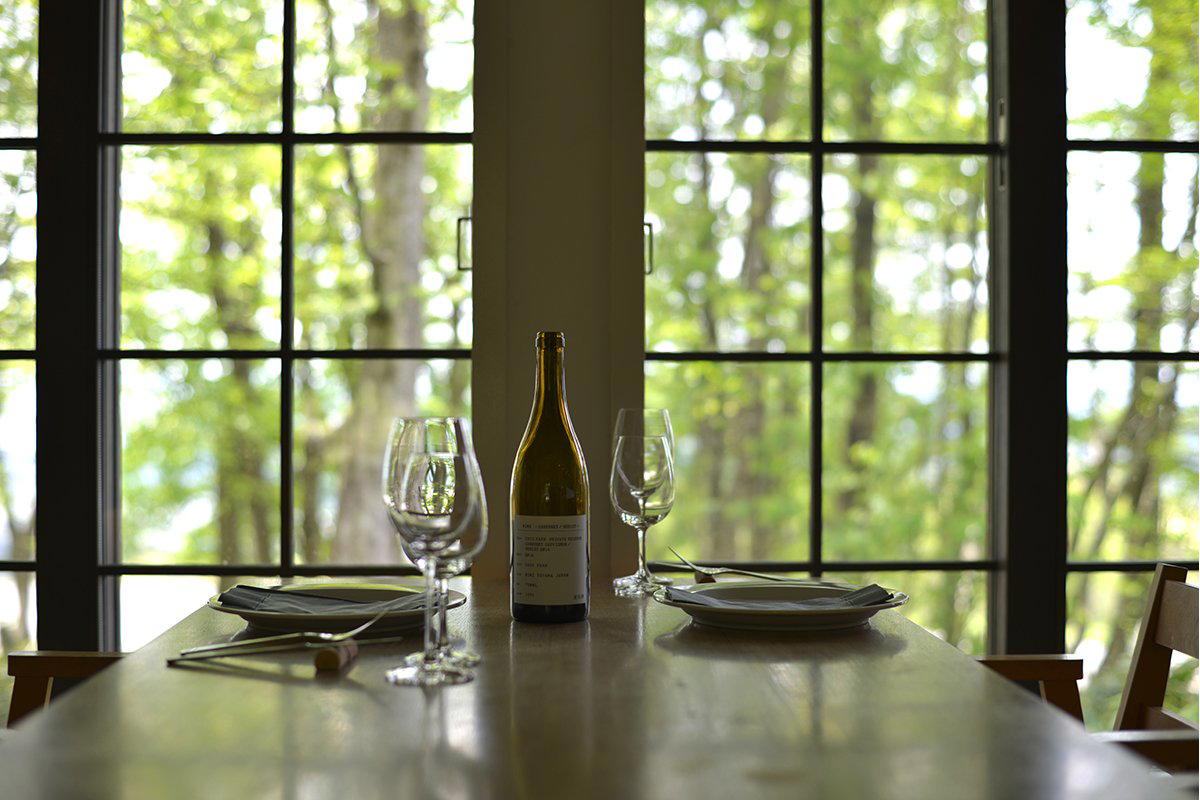
At a Glance
- Classic
- Elegant
- Intimate
- Date Night
- Special Occasion
- Business Dinner
- Chefs Counter
- Open Kitchen
- Sake Program
- Local Sourcing
- Sustainable Seafood
- Waterfront
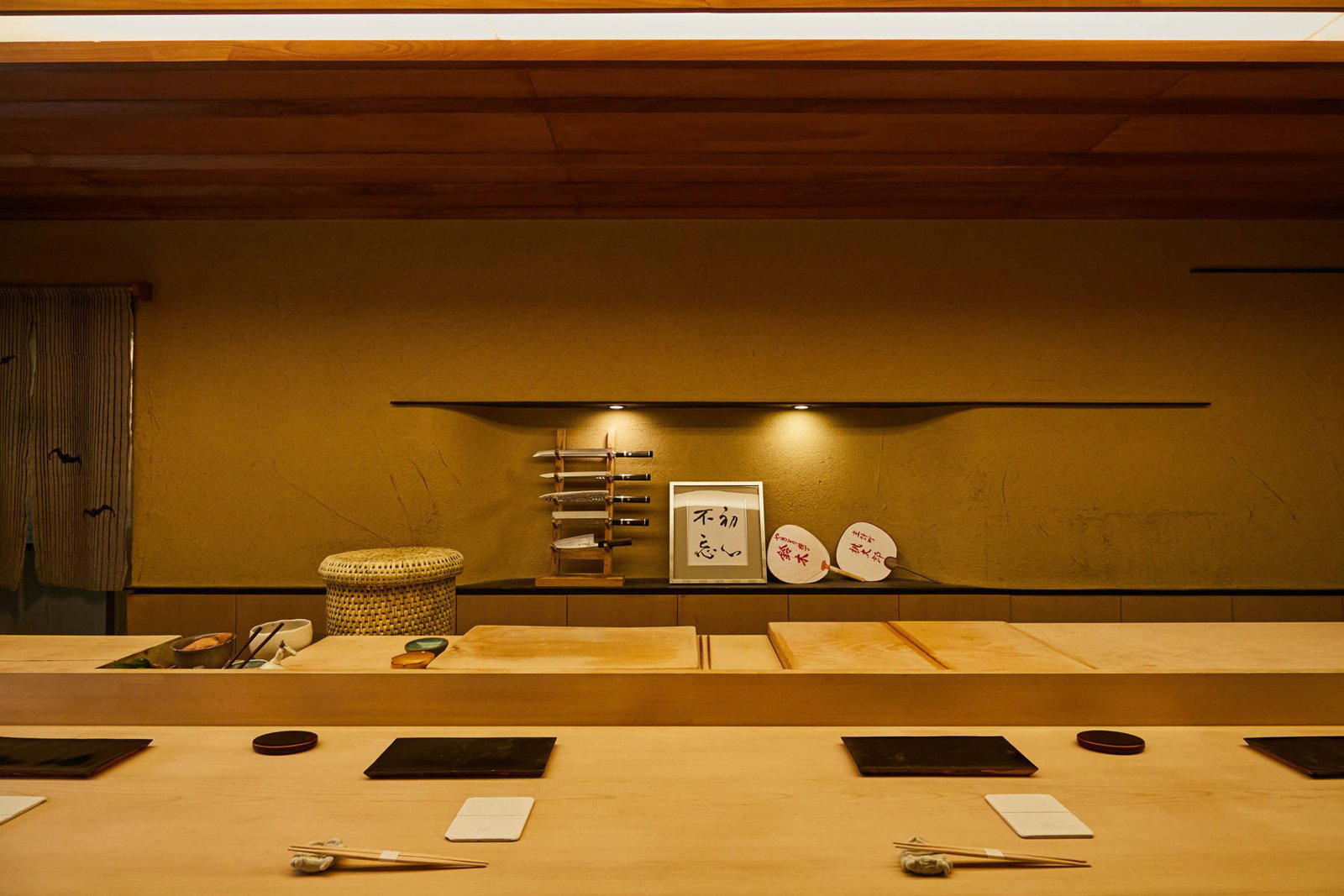
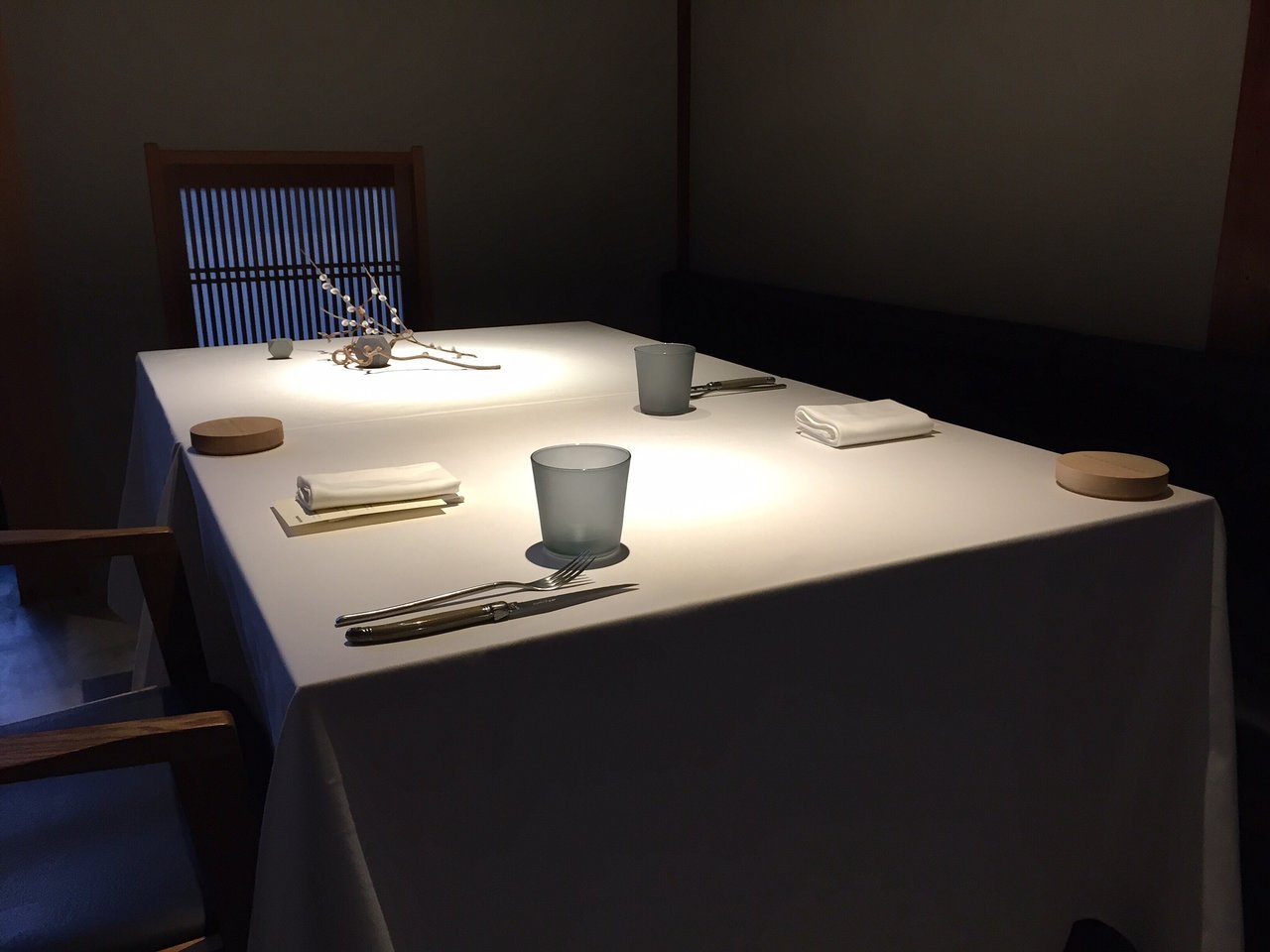
Traditional omakase counter setting with intimate chef-guest interaction and refined Japanese aesthetic.
Know Before You Go
- Getting there
- Japan, 〒920-0838 Ishikawa, Kanazawa, Kannonmachi, 1-chome−5−8 薪の音金澤 1階 「東山和今」