Unagi Yondaime Kikukawa in Kanazawa serves traditional Japanese unagi with an open kitchen, a quiet room, and a leisurely pace that suits lunch or dinner.
Pearl is the En Primeur Club membership app — saves, bookings, and concierge access live there. Same editors, same standards.
- Address
- Kanazawa, Japan
- Directions
- Get directions
 Saves & bookings on Pearl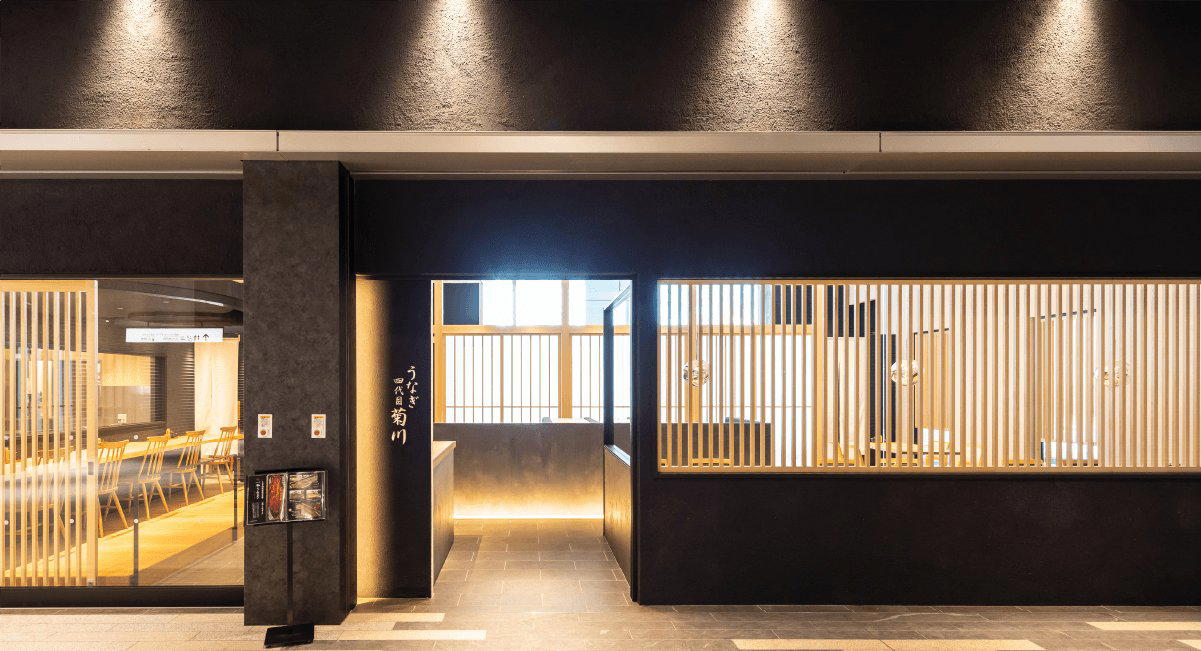
Where Eel Preparation Becomes Regional Argument
Japan splits cleanly on how unagi should be cooked. East of the Tenryu River, eel is steamed before grilling, producing the yielding, almost cloud-like texture that Tokyo diners expect. West of it, the fish goes straight to charcoal without steaming, arriving firmer and more assertively charred. Kanazawa sits on the cultural and geographic boundary between those two traditions, which gives the city's dedicated eel houses an unusual latitude: they can draw from either school, or hold their own position entirely. Unagi Yondaime Kikukawa occupies that contested middle ground, operating in a city where ingredient provenance is treated as a serious matter and where diners read a menu with the same attention a sommelier brings to a producer's vineyard address.
The Sourcing Logic Behind Japanese Eel
Unagi has one of the more fraught supply chains in Japanese cuisine. Wild-caught Japanese eel (Anguilla japonica) has been classified as endangered by the International Union for Conservation of Nature, pushing most domestic consumption toward farmed stock. Within that farmed category, however, significant distinctions exist. Kagoshima and Miyazaki in Kyushu, along with the Hamana Lake area of Shizuoka, produce unagi under tightly controlled aquaculture conditions that command premium positioning in the Tokyo market. Restaurants that specify origin rather than defaulting to generic farmed eel are signalling something meaningful about their supply relationships and their kitchen priorities.
In a city like Kanazawa, where the Omicho Market has long functioned as a barometer of ingredient seriousness, an eel specialist that traces sourcing with any precision is operating within a food culture that already expects that level of accountability. The city's kaiseki tradition, represented by restaurants like Dokkan and high-end counters across the Higashi Chaya district, has conditioned local diners to treat provenance as a baseline requirement rather than a differentiating flourish.
Kanazawa's Position in Japan's Specialty Restaurant Map
Kanazawa is sometimes described as Japan's third culinary capital after Tokyo and Kyoto, though that framing oversimplifies what makes it distinctive. The city's food culture is less about density of starred restaurants and more about depth within specific categories. Sweets, seafood, and preserved preparations all carry strong local traditions that run parallel to the kaiseki framework. Specialty restaurants here, whether a wagashi house like Amanatto Kawamura or a format as focused as an eel counter, tend to exist within a narrower, more disciplined lane than their equivalents in Tokyo.
That narrowness is a function of market size and culinary culture simultaneously. Kanazawa's dining scene rewards specialists who go deep rather than broad. A standalone unagi restaurant fits that pattern: it earns its place not by diversifying the menu but by applying sustained attention to a single ingredient across its preparation variables, from feed type and water temperature during farming through to resting time and sauce reduction on the day of service. The comparison set for Unagi Yondaime Kikukawa is not the French-influenced innovators like Budoonomori Les Tonnelles or the contemporary kaiseki counters; it is the narrow national tier of eel houses that treat the ingredient with the same seriousness that Tokyo's leading omakase counters, such as Harutaka, apply to tuna.
What Defines the Unaju and Hitsumabushi Formats
Most dedicated eel restaurants in Japan organise their menu around a small number of preparation formats. The unaju, eel lacquered in tare sauce and served over rice in a lacquered box, is the standard benchmark. Some houses offer grilled eel on skewers (kabayaki) as a separate course before the rice dish, allowing the kitchen to demonstrate control of the charcoal work independent of the sauce. A handful of restaurants, particularly those with Central Honshu or Nagoya affiliations, offer hitsumabushi, where the eel arrives atop a wooden tub of rice and is eaten in three stages: plain, with condiments, and finally as a loose tea-broth soup. Each format reveals different aspects of the kitchen's technique, and the choice of what to serve says something about which tradition the restaurant identifies with.
For the broader Japan itinerary, eel houses of this type occupy a different register than the tasting-menu restaurants that dominate overseas coverage. Venues like HAJIME in Osaka or Gion Sasaki in Kyoto represent one mode of Japanese culinary ambition; a precise, single-ingredient specialist like an eel counter represents another, older mode that requires less performance and more accumulated knowledge of a specific animal.
Planning a Visit
Kanazawa is accessible by Shinkansen from Tokyo in roughly two and a half hours, a connection that opened in 2015 and substantially changed the city's visitor profile. Visitors combining Kanazawa with Kyoto or Nara may find useful reference in akordu in Nara for a sense of how smaller Japanese cities handle precision-focused restaurant formats. For the full picture of where an eel counter fits within Kanazawa's dining spectrum, from the casual directness of Go! Go! Curry to the craft retail of Hakuichi, the full Kanazawa restaurants guide provides the broader map.
Dedicated eel restaurants in Japan often operate on reduced hours compared to general dining establishments, frequently closing in the mid-afternoon once the day's prepared stock is exhausted. Lunchtime service at peak periods, particularly during the summer months when unagi consumption traditionally spikes around the Doyo no Ushi no Hi calendar date, can result in queues at smaller specialist counters that do not take advance bookings. Arriving at opening time on a weekday remains the most reliable strategy for smaller houses of this type across Japan, a pattern that holds as consistently in Kanazawa as in Tokyo or Fukuoka, where Goh operates in a similarly specialist register.
Fast Comparison
Comparable venues nearby, for context on price, style, and recognition.
| Venue | Cuisine | Price | Notes |
|---|---|---|---|
| Unagi Yondaime KikukawaThis venue — the venue you are viewing | Traditional Japanese Unagi | $$$ | Not listed |
| Tempura Miyashita | Seasonal Tempura Kaiseki | $$$ | Kanazawa |
| HUNI | Modern Japanese Izakaya Fusion | $$ | Kanazawa |
| Plat Home | Modern Creative Japanese | $$ | Kanazawa |
| 割鮮 のむら | Kappo Japanese with Fresh Seafood | $$$ | 泉野出町 |
| 東山 和今 | Michelin-Starred Omakase Sushi | $$$ | Kanazawa |
Continue exploring
More in Kanazawa
Restaurants in Kanazawa
Browse all →
Bars in Kanazawa
Browse all →
Hotels in Kanazawa
Browse all →
Wineries in Kanazawa
Browse all →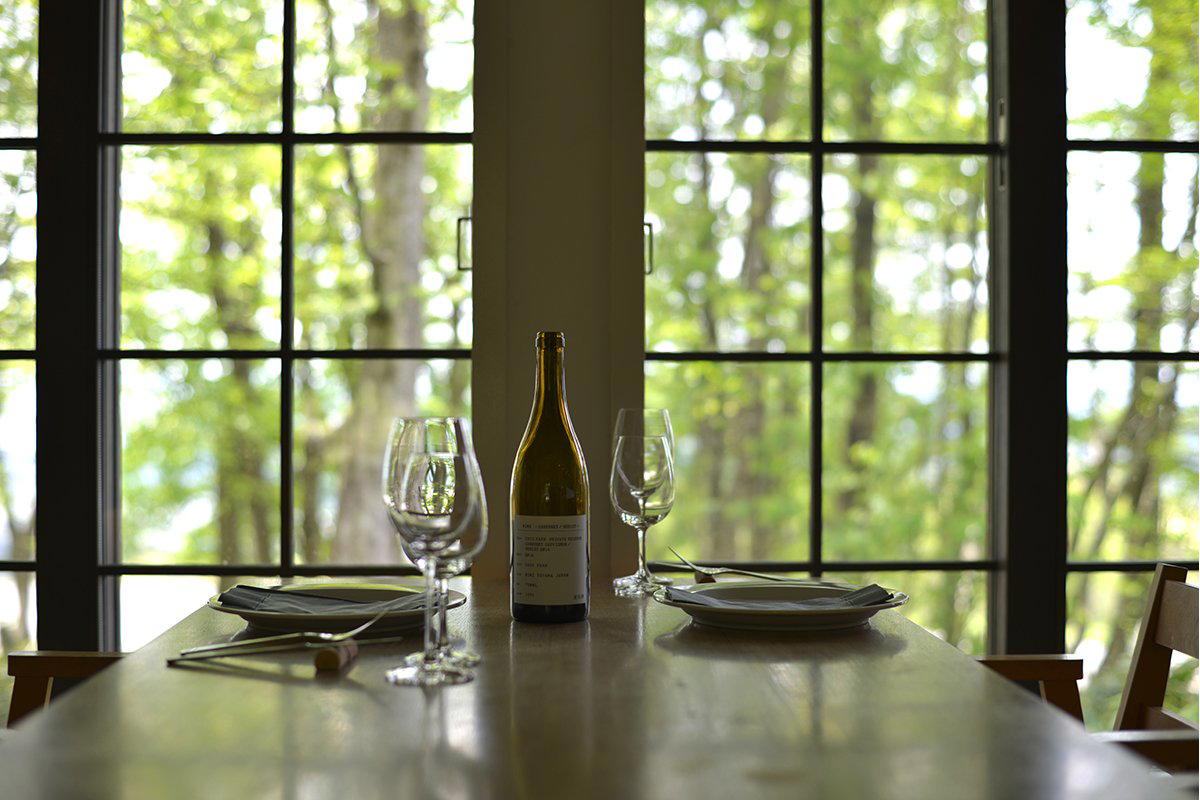
At a Glance
- Elegant
- Classic
- Intimate
- Special Occasion
- Family
- Business Dinner
- Open Kitchen
- Sake Program
Current opening hours
- Monday
- 11 AM–3 PM, 5–10 PM
- Tuesday
- 11 AM–3 PM, 5–10 PM
- Wednesday
- 11 AM–3 PM, 5–10 PM
- Thursday
- 11 AM–3 PM, 5–10 PM
- Friday
- 11 AM–3 PM, 5–10 PM
- Saturday
- 11 AM–3 PM, 5–10 PM
- Sunday
- 11 AM–3 PM, 5–10 PM
Hours can change for holidays and private events. Last verified .
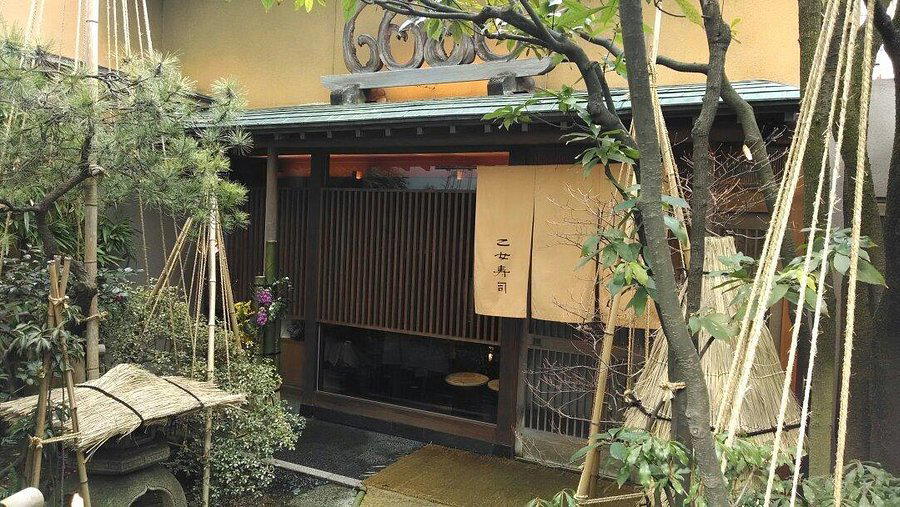
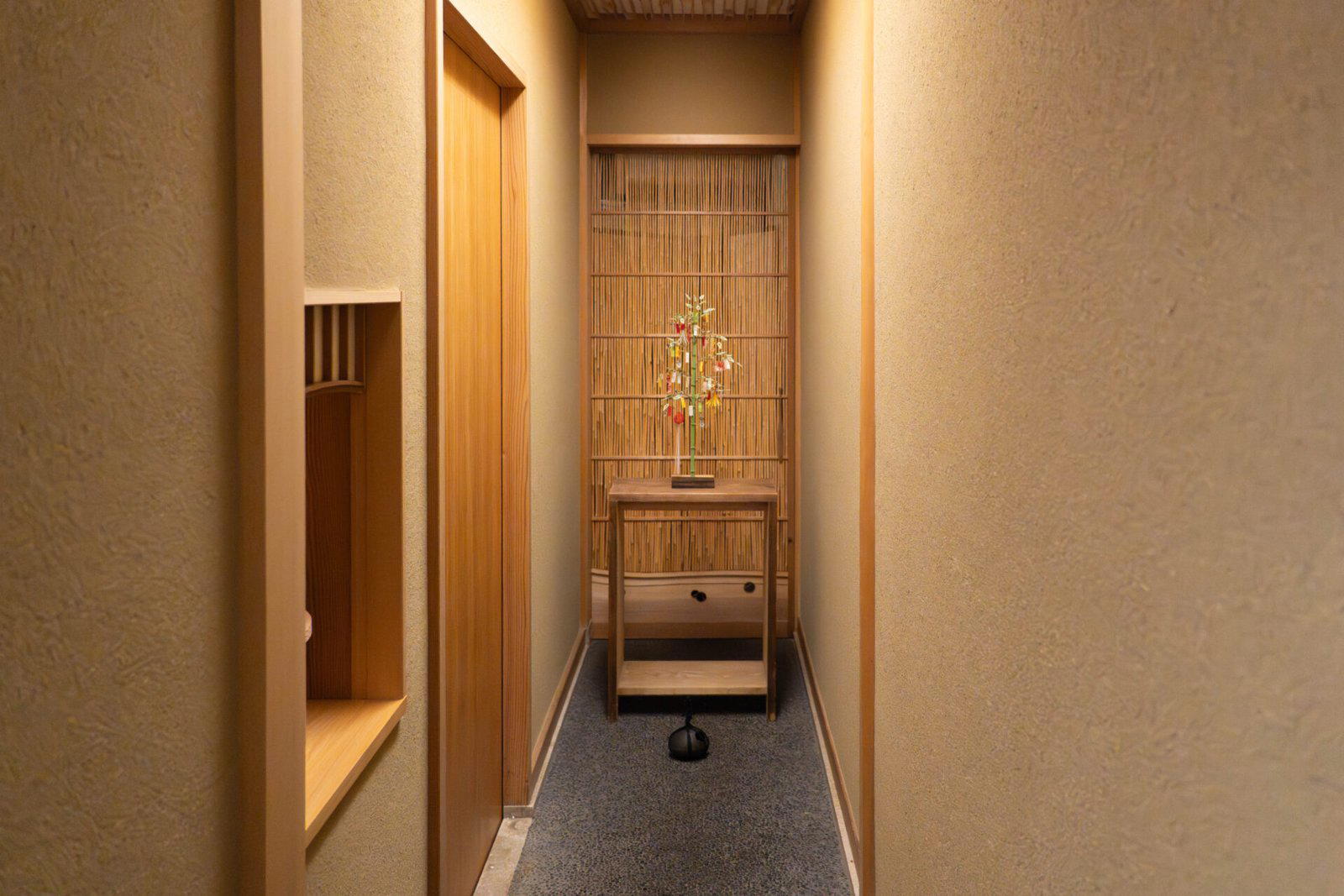
Calm modern Japanese space in a traditional machiya style with viewing window to watch grilling.