Our verdict
ブブ operates in Nagoya's Mizuho Ward, a residential district that draws a local rather than tourist crowd. With minimal data in the public record, the venue occupies an interesting position in Nagoya's dining scene, discoverable primarily through word of mouth rather than international press. EP Club places it in context alongside the city's broader range of neighbourhood restaurants worth tracking.

Pearl is the En Primeur Club membership app, where members save venues, book tables and use the concierge.
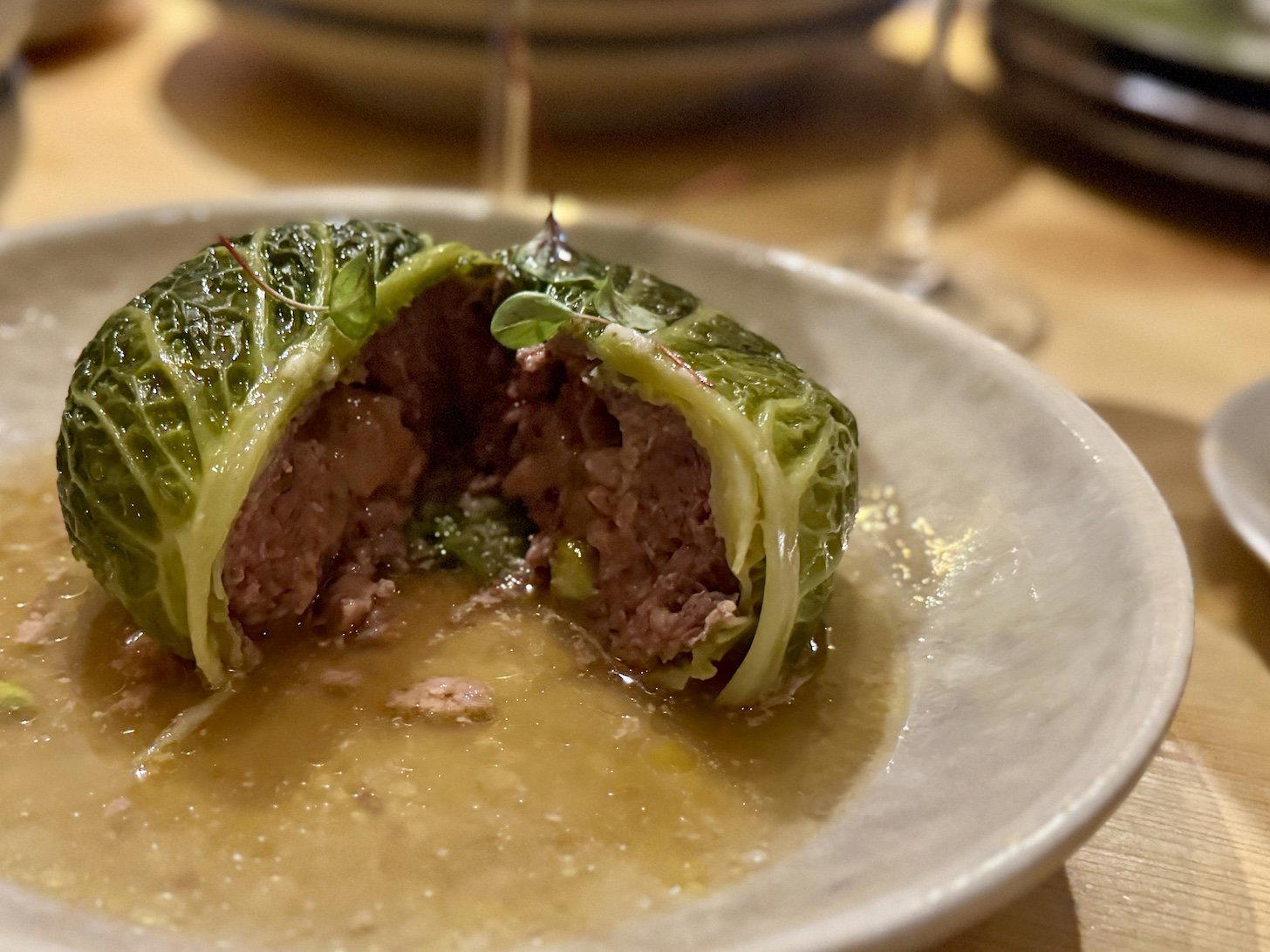
Mizuho Ward and the Quiet End of Nagoya's Dining Map
Nagoya's dining reputation tends to compress into a handful of well-documented categories: hitsumabushi at Atsuta Horaiken (あつた蓬莱軒 本店), miso katsu, tebasaki, and the handful of Michelin-tracked counters that draw visitors from Osaka and Tokyo. What sits outside those coordinates is a residential dining circuit that operates largely on local knowledge, booked by regulars and rarely indexed by international food media. Mizuho Ward belongs to that circuit. The neighbourhood, south of central Nagoya and closer to Jingu Nishi than to Sakae's commercial density, runs at a different pace, quieter streets, lower foot traffic, a dining population that tends to live nearby rather than arrive by Shinkansen.
ブブ sits on Komabacho, a short stretch in the ward's northern pocket. The address alone signals something about the venue's register: this is not a destination restaurant engineered for out-of-town visitors. It is the kind of address you find when someone tells you to look it up, not when you are scanning a neighbourhood guide from a hotel concierge. That positioning, whatever the format inside, places it alongside a cohort of Nagoya venues that operate below the awards radar but above the level of casual neighbourhood filler.
What Sparse Data Tells You About a Room
The public record for ブブ is thin. In Nagoya's dining context, that combination of factors tends to point in one direction: a venue small enough that its reputation circulates through return visits rather than press coverage, and established enough that it has not needed to build an external profile. Nagoya has a pronounced version of this pattern. The city's dining culture has historically favoured a kind of deliberate low visibility, venues that are not hiding, exactly, but are not advertising either.
The wine angle is worth considering here. In Japan's neighbourhood dining tier, the venues that manage serious cellar depth without a formal sommelier program are increasingly common, particularly in mid-sized cities where importers have spent the last decade building relationships with restaurant owners who were not already in the wine trade. Nagoya sits in that development arc. The city's proximity to Aichi's broader hospitality infrastructure and its position on the Tokaido corridor mean that wine access has improved materially, even in wards like Mizuho that do not carry the prestige addresses.
Nagoya's Neighbourhood Dining in Comparative Context
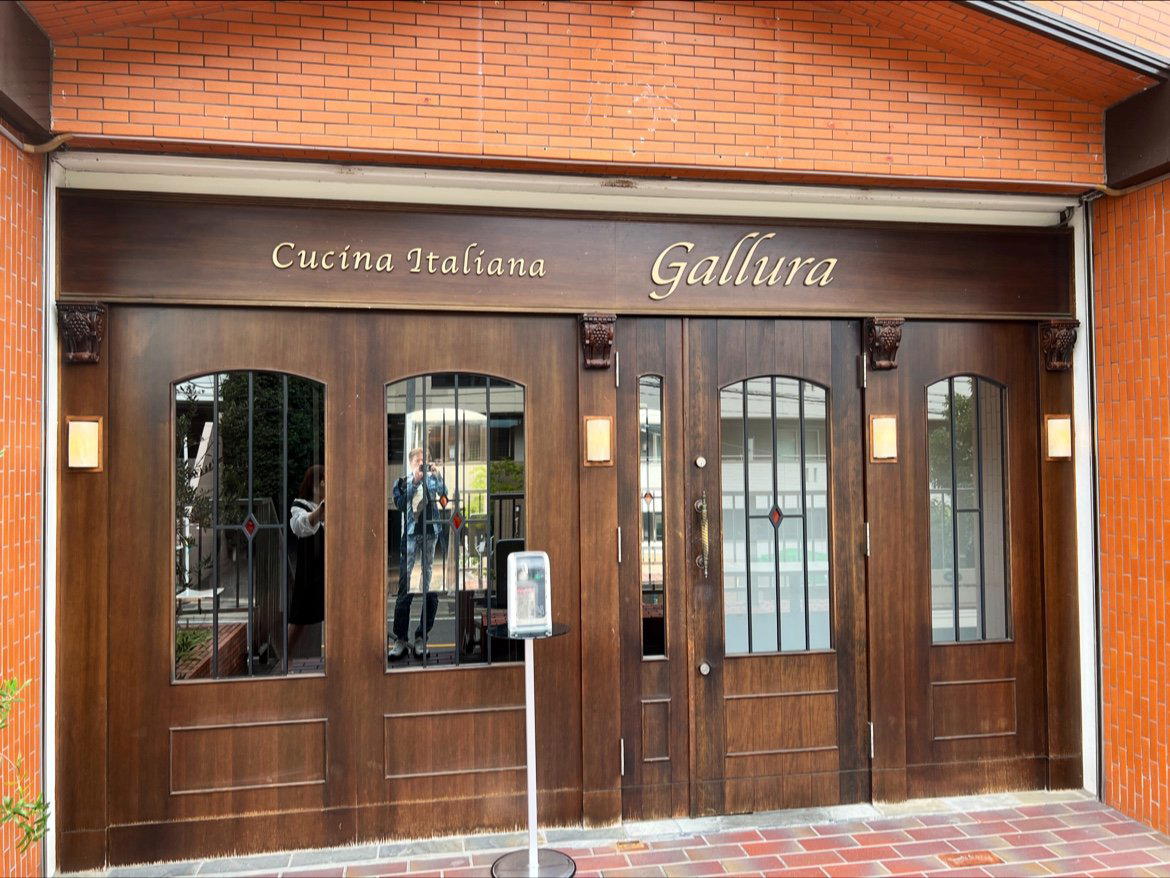
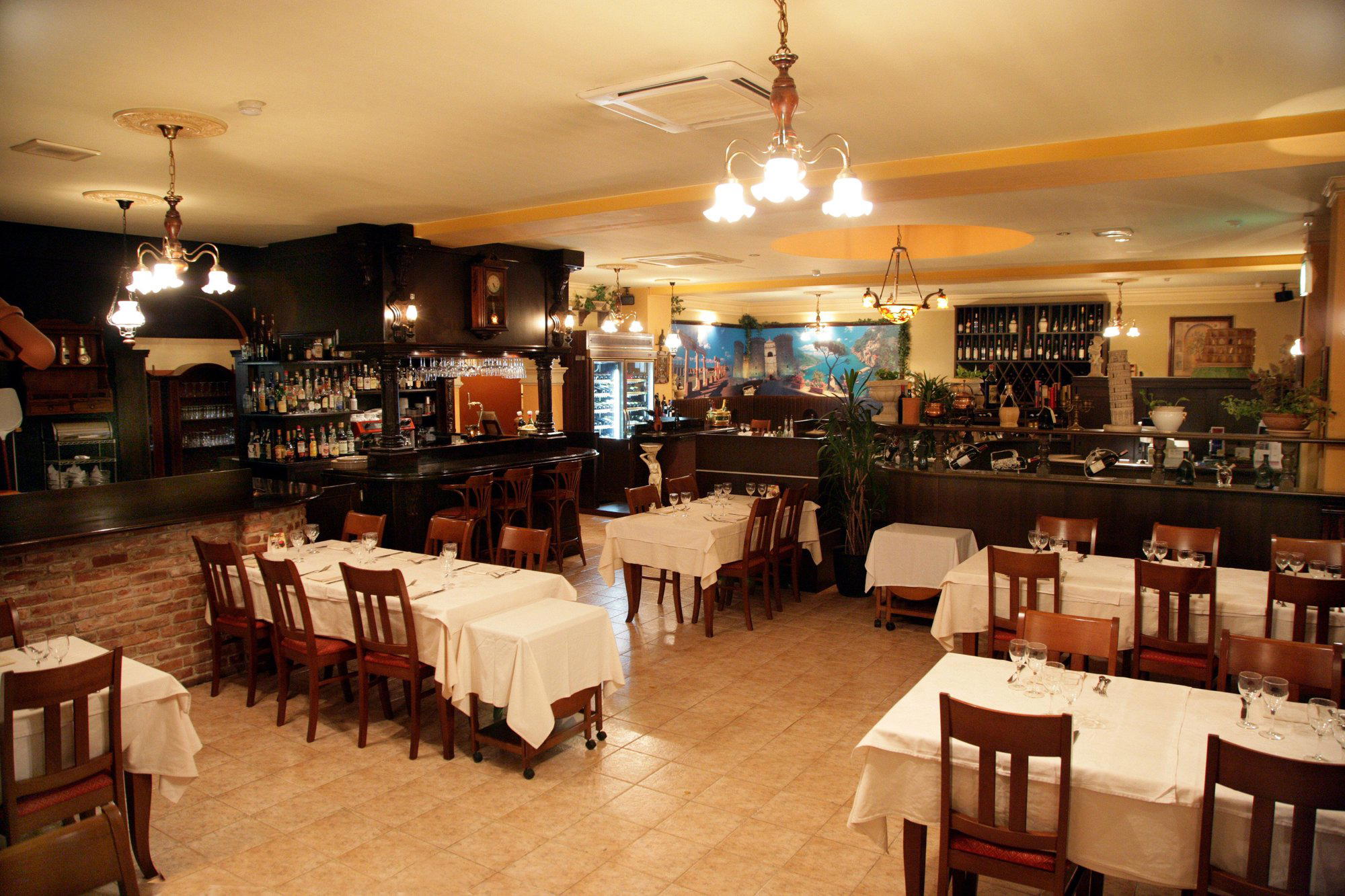
To understand where a venue like ブブ fits, it helps to map what Nagoya's dining scene actually contains. At the formal end, the city carries a small number of tracked restaurants across French, Italian, and Japanese formats. Bacio and Chez Kobe represent different corners of the European-influenced segment. cucina Wada and Cucina Italiana Gallura extend the Italian presence. These venues share a recognisable infrastructure: confirmed hours, booking systems, a degree of external documentation.
Below that tier, and sometimes alongside it in terms of quality, sits a layer of venues that carry none of that apparatus. They are not less serious; they are differently oriented. The comparison is not entirely unlike what you find in other Japanese cities. Gion Sasaki in Kyoto or Goh in Fukuoka operate with the full weight of documented recognition behind them. Venues in Mizuho Ward operate without it, which is not the same as operating without merit. The distinction matters when deciding how to approach a visit: you are not walking into a venue where the format has been pre-explained. You are entering a room where the context arrives through the meal itself.
For reference across Japan's wider neighbourhood-restaurant tradition, similar patterns appear in places like 一本杉川島 in Nanao, 夕月寿司乃 in Sapporo, and 庭羽屋 in Nishikawa Machi, venues where the address is the first signal and the format reveals itself on arrival.
The Wine Question in Nagoya's Quieter Rooms
Japan's restaurant wine culture has moved faster in Tokyo and Osaka than in secondary cities, but the gap is narrowing. At venues like Harutaka in Tokyo or HAJIME in Osaka, wine lists have become central to the dining proposition, sometimes carrying cellar depth that competes with European counterparts. The trickle effect into Nagoya's residential tier has been slower, but it is traceable. Importers who built relationships with Nagoya's central-district restaurants have gradually extended outward, and the result is that small venues in wards like Mizuho occasionally carry bottles that would not look out of place on a list twice their size.
For venues where wine data is not confirmed, the practical approach is to ask directly rather than assume. In Japan's smaller rooms, the most interesting pours are often the ones written on a paper slip above the counter rather than printed in a bound menu. Comparable dynamics appear at spots like 琵琶湖畔 in Takashima and Birdland in Sakai, where the wine presence is real but not loudly signalled. For a contrasting scale of wine program, Le Bernardin in New York City and Atomix in New York City represent what a fully documented, sommelier-led cellar looks like at the international level, and akordu in Nara shows how a regional Japanese venue can build a wine identity with equivalent intentionality.
Planning a Visit
Because no phone number, website, booking method, or confirmed hours appear in the available record for ブブ, the practical route is to treat this as a venue that requires local legwork before arrival. That means checking current Google Maps listings, asking at your hotel or accommodation in Nagoya, or approaching the address directly during what would conventionally be dinner service hours. Mizuho Ward is accessible by subway from central Nagoya, with Mizuho Undojo Nishi station on the Meijo Line offering the most direct approach to the Komabacho area. The neighbourhood has no strong tourist infrastructure, so visiting without a confirmed reservation or opening-hours check carries real risk of a closed door. Treat the visit as exploratory: the reward of finding a room like this open and ready is proportionate to the effort it takes to confirm the logistics. For a broader view of where ブブ sits within the city's dining options, see our full Nagoya restaurants guide.
Frequently asked questions
Is ブブ okay with children?Is ブブ better for a quiet night or a lively one?
What's the signature dish at ブブ?
Is ブブ the kind of venue where a wine-focused visit makes sense in Nagoya?
Awards and Standing
Comparable venues nearby, for context on price, style, and recognition.
| Venue | Cuisine | Price | Awards | Notes |
|---|---|---|---|---|
| ブブThis venue (the venue you are viewing) | Seasonal French Bistro | $50–100 | Not listed | Not listed |
| サングリエ | Classic French | $50–100 | Not listed | Meitō |
| Reconnaissance | Natural French, fully customized course dining | Not listed | Tabelog 100 #100 | Naka |
| Garden Restaurant Tokugawaen | Japanese-French Fine Dining in a Historic Garden | $100–150 | Tabelog 100 #48 | Higashi |
| With | Seasonal French in Nagoya | $50–100 | Tabelog 100 #16 | Meitō |
| L'atelier K | French Teppanyaki | $100–150 | Tabelog 100 #58 | Higashi |
Continue exploring
More in Nagoya
Details
- Cozy
- Trendy
- Intimate
- Elegant
- Date Night
- Special Occasion
- Natural Wine
- Local Sourcing
- A La Carte
- Natural Wine
Current opening hours
- Monday
- 6–10 PM
- Tuesday
- Closed
- Wednesday
- Closed
- Thursday
- Closed
- Friday
- 6–10 PM
- Saturday
- 6–10 PM
- Sunday
- 6–10 PM
Hours can change for holidays and private events. Last verified .
Stylish and cozy bistro atmosphere well-suited for wine lovers.