
GapricE places Italian cooking inside Nagoya’s ingredient-driven dining culture rather than treating it as imported theatre. The Ikeshita restaurant’s Tabelog Award Bronze recognition in 2025 and 2026, 10-seat format, and Japanese-seasonal sourcing put it in a tighter, reservation-led bracket than casual pasta rooms across Aichi.
Pearl is the En Primeur Club membership app — saves, bookings, and concierge access live there. Same editors, same standards.
- Address
- Japan, 〒464-0067 Aichi, Nagoya, Chikusa Ward, Ikeshita, 1 Chome−2−6 ジャルダン池下 1F
- Phone
- +81 70-8990-9585
- Website
- gaprice.therestaurant.jp
- Directions
- Get directions
 Saves & bookings on Pearl
Ikeshita is not where Nagoya first performs for visitors. East of the louder commercial core, it moves at a residential station rhythm: low-rise blocks, small dining rooms, and restaurants judged less by spectacle than repeat local scrutiny. Here, Italian cooking is tested not by imitation of Tuscany or Piedmont, but by how well it absorbs Japanese seasonality while keeping the grammar of an Italian meal.
GapricE belongs to a smaller Aichi category where format, sourcing, and recognition align. Listed as Italian, it is better read as a compact ristorante using seasonal Japanese ingredients, with sake and wine both in play, and a room small enough that the cooking must carry the evening. Tabelog awarded it Bronze in 2025 and 2026, and selected it for Tabelog Italian EAST “Tabelog 100” in 2023 and 2025. In Japan’s restaurant culture, those signals matter because they reflect sustained diner attention, not launch noise.
Japanese-seasonal Italian, judged by Nagoya standards
Italian dining in Japan has long split two ways. One path pursues regional fidelity: hand-shaped pasta, Italian wine orthodoxy, imported vocabulary. The other uses Italian structure to frame domestic produce, seafood, and Japan’s habit of reading the calendar through ingredients. Aichi’s stronger rooms often lean second, because Nagoya diners expect precision, compact service, and price discipline. GapricE sits there, where calibration matters more than novelty.
Sourcing changes the weight of Italian cooking. Acidity, bitterness, sweetness, and texture often come through local vegetables and seasonal seafood rather than heavy saucing or abundance. Restraint becomes technical, not decorative. At this level, the question is whether the meal feels translated or fluent. The awards record suggests enough diners place GapricE in the fluent camp.
The price bracket clarifies the comparison. Dinner is JPY 15,000 to JPY 19,999, lunch JPY 10,000 to JPY 14,999. That sits well above everyday Italian dining in Nagoya, but below the JPY 20,000 to JPY 29,999 tier occupied by comparison venues such as Yama no I and Housa Saryo in the wider regional set. It is closer in dinner spend to Japanese cuisine Kashizuki, while far above simpler comfort categories represented by Tonkatsu Tsuchimoto. These restaurants do not compete dish for dish; GapricE prices itself as a serious small-format meal, not a casual neighbourhood pasta stop.
Readers mapping stronger city dining can place it alongside Aichi addresses such as Amaki, aru, Fujisawa, HIRO NAGOYA, and Hirovanna. The links are less about cuisine similarity than decision-making: Aichi’s serious dining scene is broad enough that Italian, Japanese, sushi-adjacent, and counter formats require the same planning attention.
A 10-seat room changes the meal's stakes
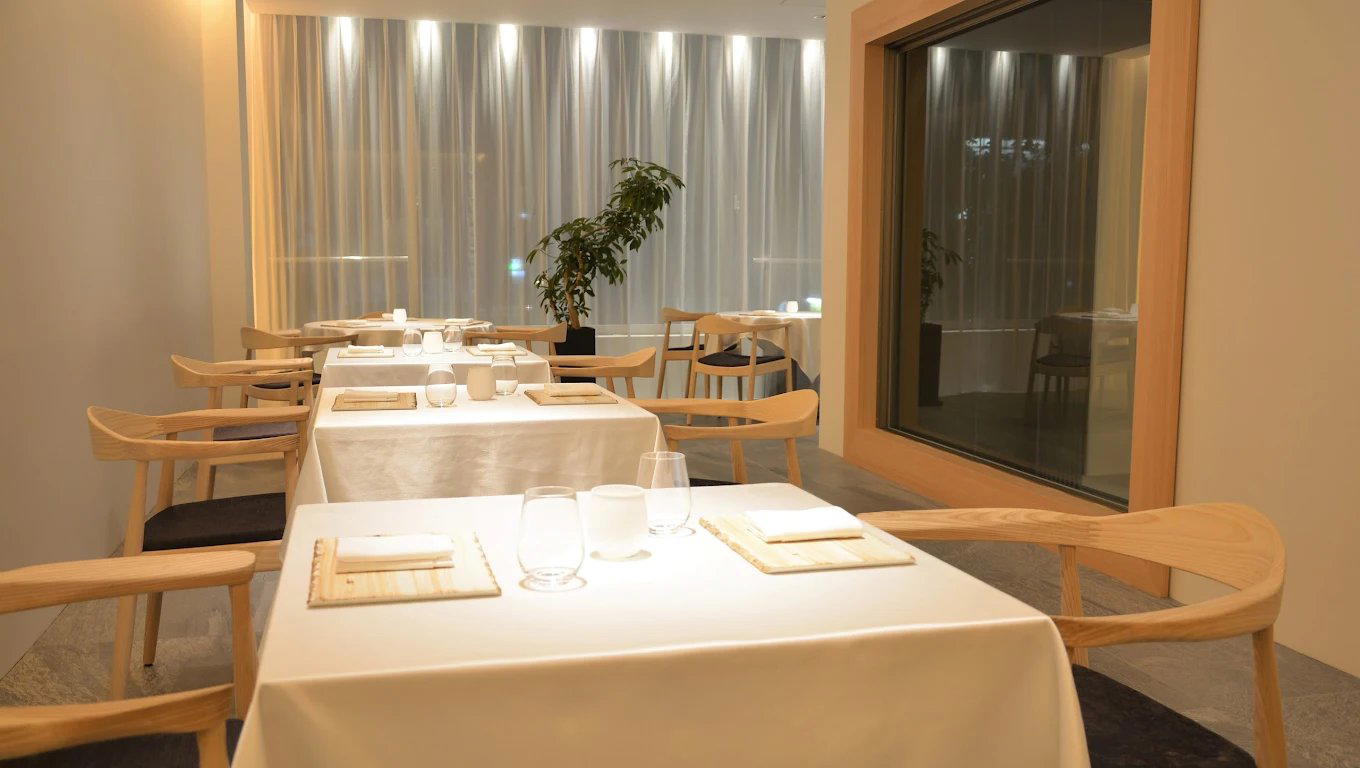
The room has 10 seats: a four-seat counter and a six-seat table. At this size, pacing is exposed, wine and sake service cannot drift, and the kitchen’s choices meet the room without buffer. Counter seating shifts Italian dining toward a Japanese rhythm, closer to kappo or sushi in attention economy, even when the menu grammar remains Italian.
The restaurant opened on 14 November 2022, making its recognition curve notable. By 2025 it had appeared in Tabelog’s Italian EAST 100 selection; by 2026 it held consecutive Bronze awards. That is quick traction, but long enough to separate it from opening-season curiosity. In a city where established names and loyal regulars matter, the distinction is useful.
Private-use rules reinforce the format. Lunch is available for private reservations of four or more people, while dinner can be reserved privately from six. Children are allowed during private events, important in Japan’s small high-end restaurants, where family access often depends less on stated friendliness than on whether the room can be controlled for the whole party. There are no private rooms, so privacy means taking the room or a meaningful part of it, not disappearing behind a door.
Drink positioning also defines the kitchen. Wine is expected in this category, but sake indicates a meal not locked into Italian orthodoxy. For ingredient-led Italian cooking in Japan, sake can be practical when seafood, dashi-like savoury depth, or lighter preparations make conventional red-white logic feel blunt. No bottle or pairing should be assumed, but the dual listing signals range.
Where it fits in an Aichi itinerary
For travellers, GapricE works well as a planned Nagoya dinner, not a spontaneous add-on. It is reservation-only, closed on Wednesdays and Sundays, and dinner service runs in a narrow evening window. It is listed near Ikeshita Station on the Higashiyama Subway Line, useful for visitors moving between central Nagoya and eastern neighbourhoods. Parking is unavailable, so rail or taxi planning is cleaner.
Payment is precise: credit cards are accepted for Visa, while electronic money and QR code payments are not. That sounds minor until it is not; Japan’s dining rooms can be exacting about payment methods, and small restaurants rarely benefit from end-of-meal improvisation. Non-smoking status, counter seating, and free Wi-Fi complete the practical picture without changing the main reason to go: a compact, ingredient-led Italian restaurant with enough public recognition to justify planning around it.
For broader trip architecture, use Our full Aichi restaurants guide to balance high-commitment meals against casual days. The surrounding travel layer matters too: Our full Aichi hotels guide, Our full Aichi bars guide, Our full Aichi wineries guide, and Our full Aichi experiences guide help keep a Nagoya stay from becoming isolated dinner bookings.
Outside Aichi, the comparison is how Japan’s serious food culture stretches across formats and cities, not only familiar capitals. A wider itinerary might move from -Grilled beef Sukiyaki- KAMAKURA TANUKIAN 鎌倉 たぬき庵 in Kamakura to. 鮪と炭火焼き うお炭 秋葉原店 in Tokyo.cafe in Osaka.know in Kumamoto, (Shoku) Vietnam in Kawasaki, or [Curry Senmon Ten] Maruyama Kyoju. in Sapporo. Even overseas Japanese-adjacent stops such as Jōdo Saké Bar in Los Angeles and Onigiri Time in Pasadena underline the same point: stronger meals are defined by format and sourcing as much as cuisine label.
The editorial read is clear. GapricE is for diners who want Italian cooking filtered through Japanese seasonality in a compact Nagoya room, with award evidence to justify the effort. It is not for a loose, last-minute group dinner. It is for when the night’s interest is how far a small Aichi restaurant can push Italian structure without turning away from nearby ingredients.
Comparison Snapshot
Comparable venues by cuisine and price in the same metro.
| Venue | Cuisine | Price | Notes |
|---|---|---|---|
| GapricEThis venue — the venue you are viewing | Italian Omakase with Seasonal Japanese Ingredients | $$$ | Not listed |
| Tashiro | Traditional Japanese Unagi (Eel) | $$$ | Owari Seto |
| HIRO NAGOYA | Premium Yakiniku | $$$$ | Nishi-ku |
| Mochizuki | Dining | Not listed | Aichi |
| Mutsuki | Edomae Sushi | $$$$ | Taketoyo-cho, Chita-gun |
| Izumo | Japanese Cuisine with Aged Meat | $$$$ | Hisaya Odori |
Recognition history
Dated appearances from independent guides and award organizations, with the underlying list record or original source where available.
Tabelog Bronze #81
Tabelog
Tabelog 100 #76 · No. 76
Tabelog · Tabelog 100 - Italian - EAST - 2025


At a Glance
- Elegant
- Intimate
- Modern
- Quiet
- Date Night
- Special Occasion
- Celebration
- Chefs Counter
- Open Kitchen
- Standalone
- Sake Program
- Local Sourcing
Current opening hours
- Monday
- 6–9 PM
- Tuesday
- 6–9 PM
- Wednesday
- Closed
- Thursday
- 6–9 PM
- Friday
- 6–9 PM
- Saturday
- 6–9 PM
- Sunday
- Closed
Hours can change for holidays and private events. Last verified .
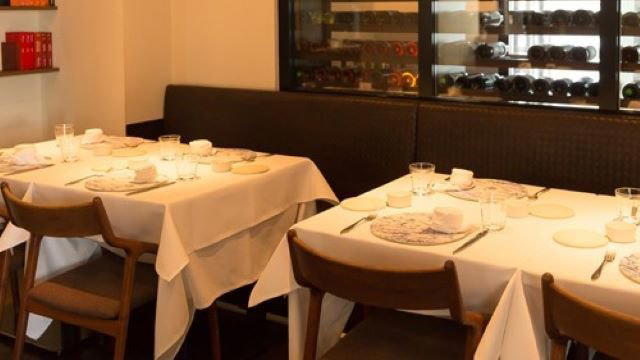
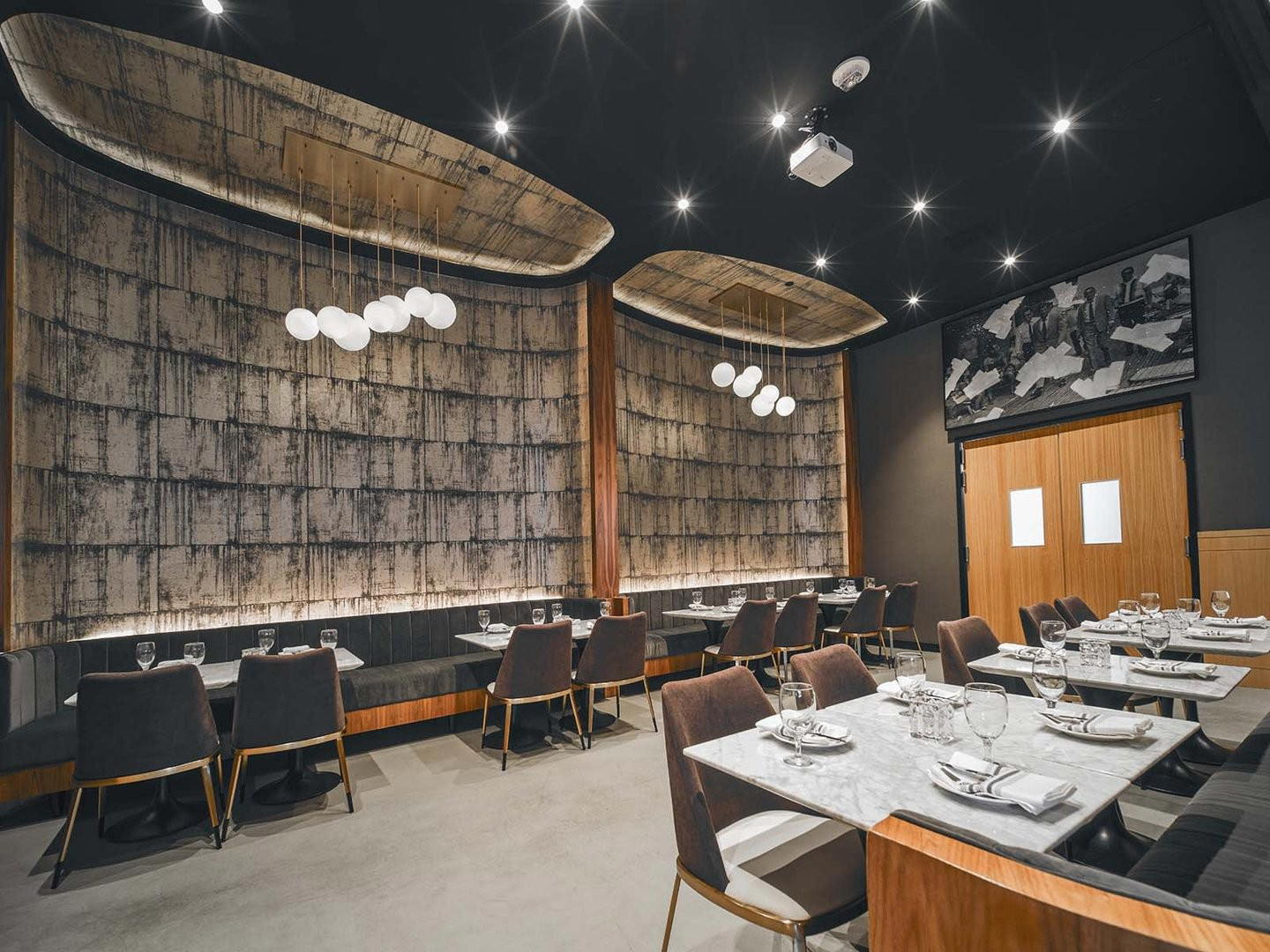
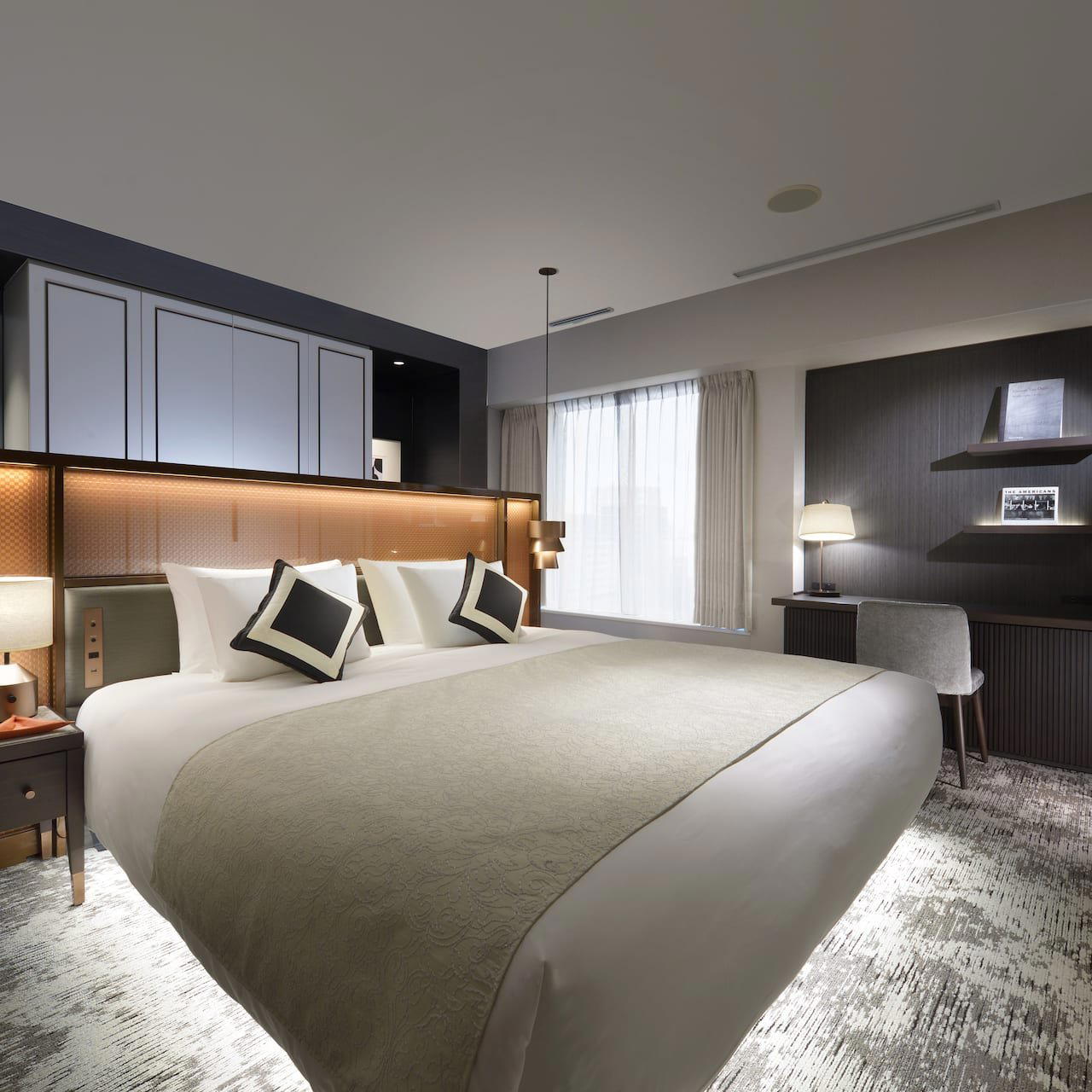
Sleek black and gray interior design creating a chic, relaxed, and serene atmosphere well-suited for conversation and dining.
Know Before You Go
- Reservations
- Essential
- Dress code
- Smart casual
- Getting there
- Japan, 〒464-0067 Aichi, Nagoya, Chikusa Ward, Ikeshita, 1 Chome−2−6 ジャルダン池下 1F