
Tabelog Bronze #182
Our verdict
Nagoya’s serious beef culture is not only about teppanyaki theatre; it also rewards restaurants that treat provenance as the point. Kitchen Ribbon belongs in that conversation through a steak-focused format, Kuroge Wagyu and Matsusaka beef emphasis, Tabelog Award Bronze recognition from 2019 through 2026, and selection for Tabelog’s Steak / Teppanyaki EAST 100 in 2025.

Pearl is the En Primeur Club membership app, where members save venues, book tables and use the concierge.
The menu
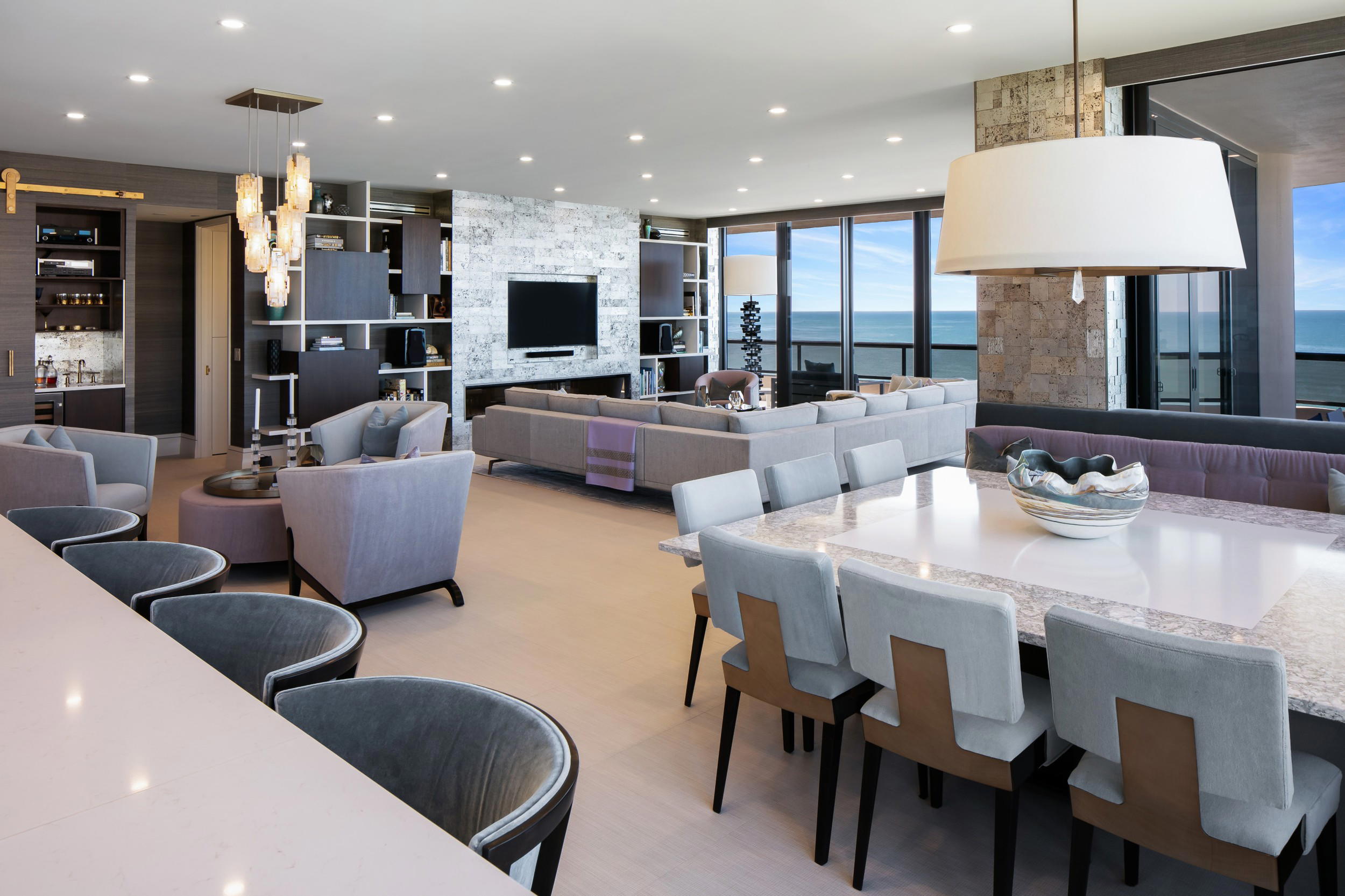
What to order
- A5 wagyu steak
- Chateaubriand hamburger steak
A serious Japanese steak house is often quieter than visitors expect: controlled heat, selected beef and a disciplined room where fat, cut and timing carry the evening. In Nagoya, where dining money moves between sushi counters, kappo rooms and meat houses, Kitchen Ribbon occupies the steak lane clearly. The category is beef, the sourcing language points to Kuroge Wagyu and Matsusaka beef, and the recognition places it among the city’s closely watched meat addresses.
That matters because Japan’s premium beef culture is not one style. Yakiniku rewards grill-side control and social pacing; teppanyaki adds performance and chef-led sequencing. Steak houses are more direct, testing procurement, aging decisions, doneness and restraint. Kitchen Ribbon belongs to that last tradition: less variety for its own sake, more whether a selected cut has the character to justify the tariff and formality.
Beef provenance is the argument, not the garnish
Japanese steak at this level depends on specificity. Kuroge Wagyu is Japan’s dominant luxury breed category, prized for marbling and texture, while Matsusaka beef carries narrower prestige as one of the country’s named regional beef labels. Foregrounding both makes a sourcing argument before the first course: the meal is read through breed, origin and fat quality rather than sauce work or menu breadth.
Kitchen Ribbon’s long-running Tabelog profile reinforces that position. The restaurant is listed in the steak category and has held The Tabelog Award Bronze in consecutive editions from 2019 through 2026. It was also selected for Tabelog’s Steak / Teppanyaki EAST 100 in 2025, after prior Steak / Teppanyaki and Steak 100 selections. In a city where high-spend dining is not concentrated in one district, that consistency is more useful than a single seasonal burst of attention.
The price tier defines the comparison. Dinner sits in the JPY 30,000 to JPY 39,999 band, placing it near Nagoya’s serious counter and beef rooms rather than casual steak dining. In the supplied Nagoya comparison set, Hama Gen occupies a similar dinner band in sushi, Sekine sits one step below at JPY 20,000 to JPY 29,999, and Sushi Yasuke is lower again at JPY 10,000 to JPY 14,999. Steak and sushi are not interchangeable, but diners in this bracket choose between precision forms: fish temperature and rice timing on one side, beef selection and heat control on the other.
Nagoya's premium dining scene rewards category discipline
Nagoya is often flattened between Tokyo and Kyoto in international itineraries, but the city has its own pattern: strong specialist rooms, less global noise, and a demanding dining public that does not turn every reservation into theatre. Meat dining fits neatly, from casual curry and grill formats to higher-priced steak and teppanyaki rooms, with stronger addresses defined by discipline rather than decorative ambition.
Kitchen Ribbon sits inside that specialist side of the city. Private rooms are not part of the setup, smoking is not allowed, and the house signals a more formal posture through smart-casual expectations. These are category cues, not just etiquette notes. A serious steak room needs calm pacing and a certain adult stiffness; otherwise, beef becomes expensive comfort food rather than the central object of attention.
The wine emphasis is another marker. Japanese beef, especially heavily marbled cuts, can make pairings difficult: tannin, acidity and serving temperature must work against richness without overwhelming sweetness in the fat. A steak house that explicitly marks wine as part of the experience aligns itself with an international beef-house grammar, not merely a domestic meat counter. That does not make it French, American or teppanyaki-adjacent; it means the meal is structured for guests who think about beef and bottles together.
For a Nagoya itinerary, the decision is allocation. A meat-focused dinner here works well when the rest of the trip includes lighter lunches, sushi counters or regional noodle and miso-based meals. The useful contrast is category depth: Patsu Curry covers the low-spend comfort end of the local spectrum, Sushi Yasuke and Hama Gen represent fish-led precision at different spend levels, and Kitchen Ribbon asks how far Nagoya’s steak tradition can go when beef sourcing is the core credential.
How to place it in a Nagoya itinerary
The strongest case for Kitchen Ribbon is continuity, not novelty. Consecutive Bronze recognition across multiple Tabelog Award editions suggests relevance through changing dining fashions, while the EAST 100 steak and teppanyaki selection ties it to a narrower field of beef specialists rather than the general fine-dining pack. Editorially, this is for travelers who would rather spend one dinner understanding Japanese beef than chase a broader tasting menu.
It also suits Nagoya better than a hurried stopover. The city rewards diners who choose by category: one serious beef meal, one sushi counter, one regional comfort meal, then bars or hotel dining according to pace. For broader planning, start with Our full Nagoya restaurants guide, then cross-check stays through Our full Nagoya hotels guide, drinks through Our full Nagoya bars guide, wine context through Our full Nagoya wineries guide, and cultural pacing through Our full Nagoya experiences guide.
Readers comparing across Japan can use other EP Club entries as calibration rather than direct substitutes: -Grilled beef Sukiyaki- KAMAKURA TANUKIAN 鎌倉 たぬき庵 in Kamakura for another beef-led format, . 鮪と炭火焼き うお炭 秋葉原店 in Tokyo for charcoal and seafood contrast, .cafe in Osaka, .know in Kumamoto, (Shoku) Vietnam in Kawasaki, and [Curry Senmon Ten] Maruyama Kyoju. in Sapporo for other city-specific dining categories. Internationally, Jōdo Saké Bar in Los Angeles and Onigiri Time in Pasadena show how Japanese formats translate abroad, while Nagoya listings such as 1022, 451, Aaron, Alan. and All Day Dining Montmartre help map the city’s broader dining range.
The editorial read is simple: choose Kitchen Ribbon when the meal’s purpose is beef, not variety. The evidence is clean: a steak-house identity, named premium beef emphasis, a dinner band that competes with Nagoya’s serious counters, and a multi-year awards trail. For a city often treated as a transit point, that is exactly the kind of category-specific address worth building an evening around.
Frequently asked questions
Where is Kitchen Ribbon in Nagoya?
Kitchen Ribbon is located in Nagoya.
When can I go to Kitchen Ribbon?
Hours at Kitchen Ribbon: Mon, Tue, Wed, Thu, Fri, Sat, Sun 11:30 - 14:00 L.O. 13:00 17:00 - 22:00 L.O. 21:00.
What's Kitchen Ribbon best at?
Its strongest credential is consistency: Kitchen Ribbon has earned the Tabelog Award Bronze in 2019 through 2026 and was selected for Tabelog Steak / Teppanyaki EAST "Tabelog 100" in 2025 and 2024. The restaurant specializes in premium Kuroge Wagyu and Matsusaka beef in Nagoya, with dinner priced at JPY 30,000–JPY 39,999.
What is Kitchen Ribbon known for?
Kitchen Ribbon is primarily known for its core concept and execution in Nagoya.
Comparable Spots, Quickly
Comparable venues by cuisine and price in the same metro.
| Venue | Cuisine | Price | Awards | Notes |
|---|---|---|---|---|
| Kitchen RibbonThis venue (the venue you are viewing) | Premium Wagyu Steakhouse | $50–100 | Tabelog Bronze #182 | Not listed |
| Ohtani | Seasonal Japanese Omakase | $50–100 | Tabelog Bronze #334 | Nakamura |
| Sen Kame | Traditional Yakitori & Izakaya | $30–50 | Tabelog 100 #5 | Naka |
| Otani | Seasonal Japanese Omakase | $50–100 | Tabelog Bronze #334 | Nakamura |
| Shuho | Japanese BBQ (Yakiniku) | $30–50 | Tabelog 100 #79 | Nishi |
| Tokusen | Premium Yakiniku with Rare Wagyu | $50–100 | Not listed | Naka |
Recognition history
Dated appearances from independent guides and award organizations, with the underlying list record or original source where available.
Tabelog Bronze #182
Tabelog
Full recognition history (3 entries)
Tabelog 100 #81 · No. 81
Tabelog · Tabelog 100 - Steak / Teppanyaki - EAST - 2025
Tabelog Bronze
Tabelog
Continue exploring
More in Nagoya
Restaurants in Nagoya
All restaurants in Nagoya →


Details
- Elegant
- Modern
- Intimate
- Sophisticated
- Date Night
- Special Occasion
- Business Dinner
- Open Kitchen
- Sake Program
- Set Menu
Current opening hours
- Monday
- 11:30 AM–2 PM, 5–9 PM
- Tuesday
- 11:30 AM–2 PM, 5–9 PM
- Wednesday
- 11:30 AM–2 PM, 5–9 PM
- Thursday
- 11:30 AM–2 PM, 5–9 PM
- Friday
- 11:30 AM–2 PM, 5–9 PM
- Saturday
- 11:30 AM–2 PM, 5–9 PM
- Sunday
- 11:30 AM–2 PM, 5–9 PM
Hours can change for holidays and private events. Hours as of .
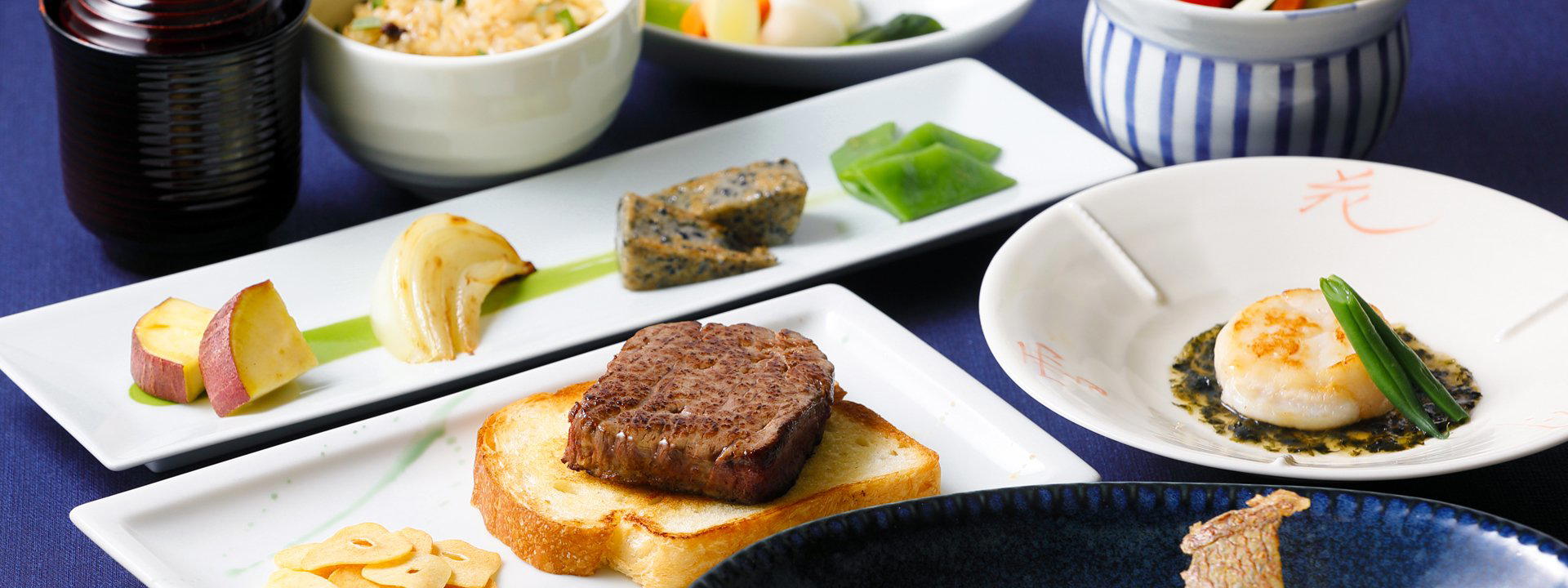
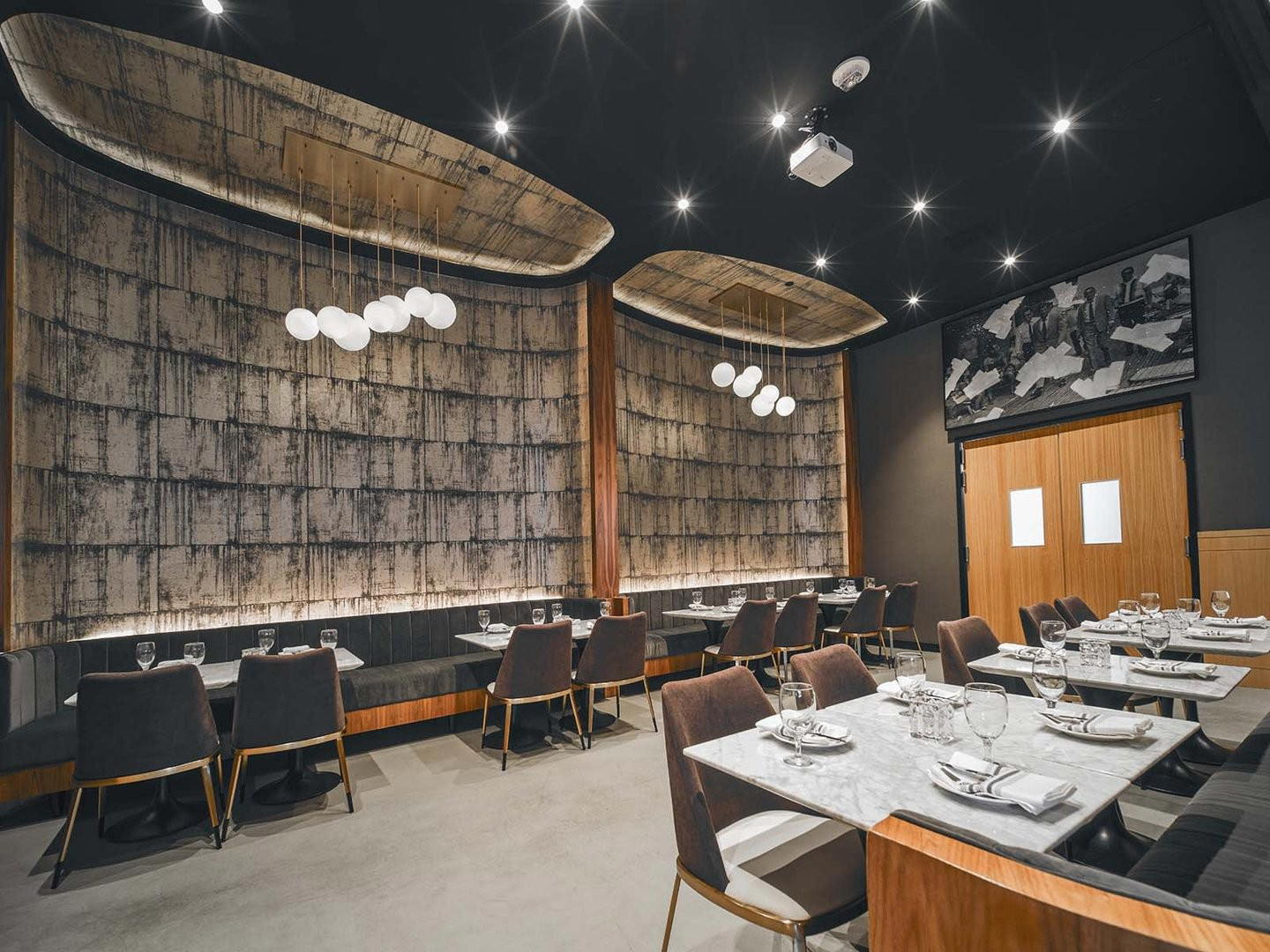
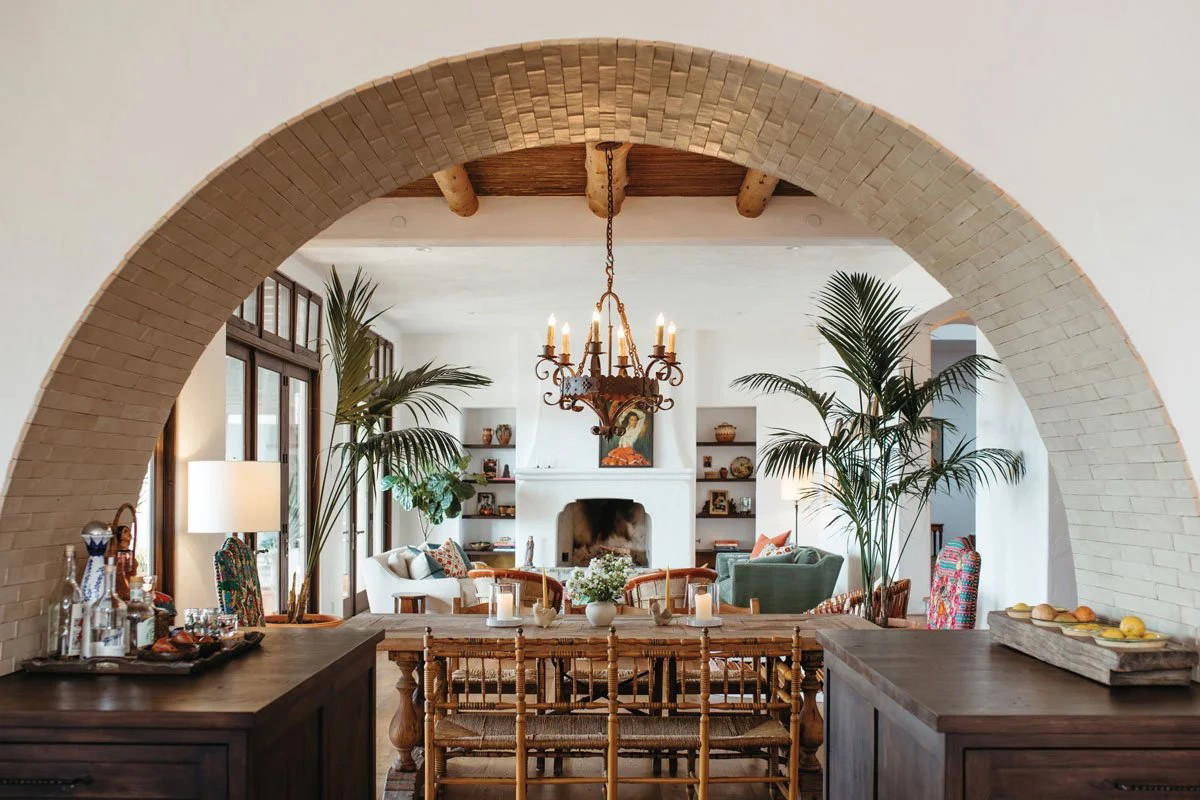
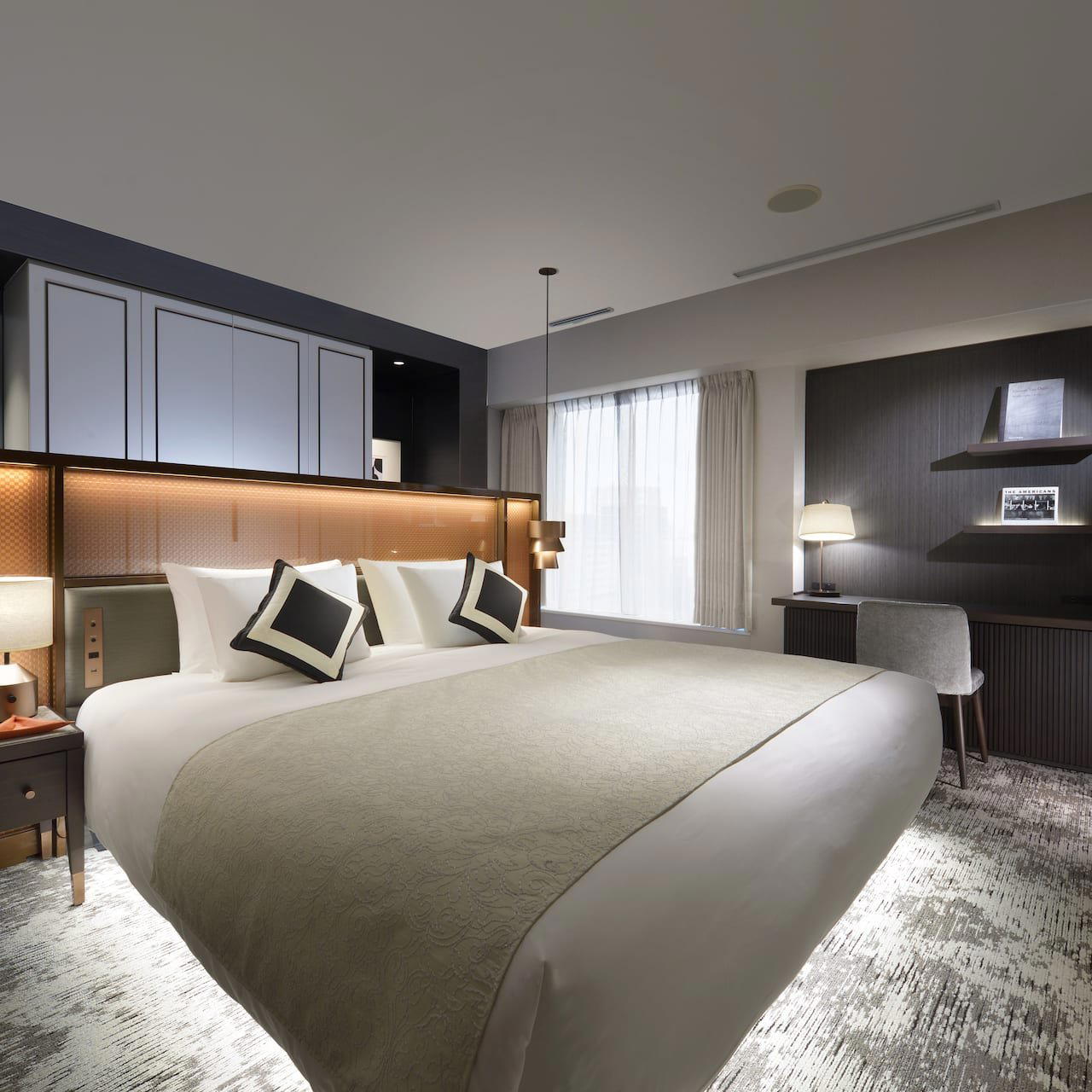
Measured lighting that flatters the plates, clean lines with fresh floral arrangements and rotating artwork, comfortable for conversation despite open-kitchen energy.