
Tabelog 100 #48
Our verdict
Garden Restaurant Tokugawaen places French and innovative cooking inside Nagoya’s Tokugawacho garden setting, where the city’s appetite for ceremony meets a more international kitchen language. Its Tabelog French EAST 100 selection for 2025 and 40-seat scale put it in Nagoya’s serious occasion-dining tier rather than the casual neighbourhood bracket.

Pearl is the En Primeur Club membership app, where members save venues, book tables and use the concierge.
The menu
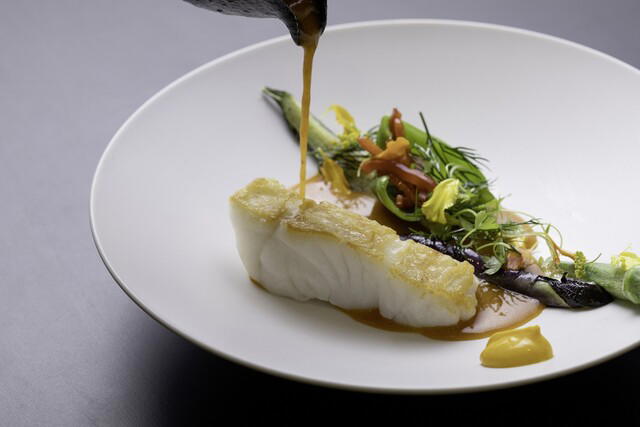
What to order
- Seasonal local seafood course with near-shore fish such as Suzuki and Tachiuo
- Matured Chita beef main course
- Mikawa eel dish inspired by Hideyoshi’s sweet-and-spicy seasoning
- Special courses themed on Japanese regional ingredients (Gastronomic tour de Japon)
- Collaboration course using Mikawa eel and Aichi duck for Tokugawa Art Museum exhibitions
Approach Nagoya and the city’s commercial tempo can give way to a more measured sense of civic polish. Here, French technique is neither grand-hotel shorthand nor the stripped-back counter culture dominating much of Japan’s prestige dining. Garden Restaurant Tokugawaen belongs to a quieter Nagoya category: destination dining built around setting, seasonality, and the belief that the room matters as much as the kitchen.
Its 2025 Tabelog recognition confirms its place in a city where serious French dining competes with kaiseki, steak, eel, sushi, and Nagoya’s comfort canon of miso katsu and hitsumabushi. The recognition places it within Japan’s French conversation, but the local point is sharper: Nagoya absorbs outside culinary formats without surrendering structure or occasion. Here, French and innovative categories are methods more than labels, framing a polished meal inside a room built for lingering.
French technique in a garden city, not a hotel dining room
Nagoya’s high-end dining culture is less compressed than Tokyo’s and less theatrical than Kyoto’s. It rewards restaurants that can handle anniversaries, family meals, business dinners, and formal celebrations without turning every plate into performance. At Garden Restaurant Tokugawaen, the garden-restaurant setting pulls the experience away from the urban tasting-menu template: not casual, but less severe than the counter formats that define much Japanese luxury food media.
The cooking sits in the French and innovative lane. In Japan, French cuisine often thrives when it stops imitating France and uses French grammar to organize the meal. Sauces, sequencing, temperature control, and service provide structure; local context supplies specificity. The appeal is a Nagoya version of modern French dining, less tied to imported luxury codes than to the city’s broader culture of occasion and hospitality.
Among Nagoya peers, the restaurant occupies the polished-occasion bracket rather than the everyday table. LE PIGNON, Tokugawa Cho Buta Fuku, Yoshimitsu, Seigetsu, and Myoan all help show how varied the city’s dining decisions can be. Nagoya is not one dining category but a map of intent: quick local meals, mid-range comfort, and set-piece dining within the same city.
The appeal is ceremonial, but the format stays usable
The restaurant’s usefulness is not a single chef narrative or signature plate, but how the format solves a Nagoya problem: where to eat French-influenced food when the meal needs formality, room, and sense of place without defaulting to a hotel. Its listed dinner budget of JPY 15,000 - JPY 19,999 and lunch budget of JPY 8,000 - JPY 9,999 place it firmly in special-occasion territory, while still making it legible for diners comparing premium meals across the city.
The guest experience reads as disciplined rather than theatrical. That is the operating reality of a restaurant with a strong sense of setting and a practical timing signal: diners should treat planning as part of the meal. The point is not to chase a single table or anecdotal detail, but to use the restaurant for the kind of occasion where setting, pacing, and service matter as much as the menu description.
That breadth separates the restaurant from more narrowly focused prestige counters and makes it viable for milestones, hosting, and longer meals. In a city where premium dining often divides between intense counters and broad hotel rooms, this middle path has value: enough ceremony to justify the trip, enough flexibility for guests not chasing a chef’s-counter script.
How to place it in a Nagoya itinerary
For travellers, the restaurant works well as part of a slower Nagoya day rather than a dash across town. The city’s cultural gravity gives the meal context, and that context is the point. Nagoya is often treated as transit between Tokyo, Kyoto, and the Japanese Alps, but its dining rewards slower planning: regional assertiveness in casual food, deep craft in traditional kitchens, and measured civic formality in restaurants like this. Garden Restaurant Tokugawaen is a window into that last category.
Use it for lunch or dinner where setting carries weight: an anniversary, family meal, or calm evening after time in the city. Diners seeking a high-speed tasting counter may find the room too expansive; those who value garden-restaurant atmosphere, formal service signals, and ingredients handled through a French framework will see why the format endures. Its Tabelog score of 3.65 and 2025 recognition suggest a restaurant with an established local profile, not merely inbound curiosity.
Readers mapping a broader food itinerary can compare it with other Nagoya dining rooms across casual, traditional, and premium formats. For citywide planning, use Our full Nagoya restaurants guide, then pair the meal with Our full Nagoya hotels guide, Our full Nagoya bars guide, Our full Nagoya wineries guide, and Our full Nagoya experiences guide.
For wider Japan-and-beyond comparison, the contrast is useful without needing a one-to-one rival. Other dining in Nagoya and beyond shows how different formats can define a meal, from casual regional categories to more formal rooms and overseas interpretations of Japanese dining habits. Garden Restaurant Tokugawaen sits on the more ceremonial side of that spectrum, using its setting and category to make the meal feel anchored in Nagoya rather than interchangeable.
The editorial read is clear. This is not the Nagoya table for diners chasing minimalism, chef mythology, or an aggressively modern room. It is for diners who want a meal filtered through French technique in a garden-restaurant setting with formal service signals and flexibility for celebration use. In Nagoya, that combination is more culturally revealing than another anonymous luxury room.
Frequently asked questions
What part of town is Garden Restaurant Tokugawaen in?
Nagoya.
What price level is Garden Restaurant Tokugawaen?
Pricing at Garden Restaurant Tokugawaen is listed as Dinner: JPY 15,000 - JPY 19,999; Lunch: JPY 8,000 - JPY 9,999.
What time does Garden Restaurant Tokugawaen open and close?
Current opening hours for Garden Restaurant Tokugawaen should be confirmed directly with the restaurant.
What is Garden Restaurant Tokugawaen known for?
Garden Restaurant Tokugawaen is known as a French and innovative restaurant in Nagoya, with 2025 Tabelog recognition and a listed score of 3.65.
Price Lens
Comparable venues to calibrate price, style, and recognition.
| Venue | Cuisine | Price | Awards | Notes |
|---|---|---|---|---|
| Garden Restaurant TokugawaenThis venue (the venue you are viewing) | Japanese-French Fine Dining in a Historic Garden | $100–150 | Tabelog 100 #48 | Not listed |
| マスドラヴァンド | Classic French Fine Dining | $150–200 | Tabelog Bronze #257 | Higashi, Classic French Fine Dining |
| ビストロ ダイア | Neo French Bistro | Not listed | Not listed | Shinei, Neo French Bistro |
| Innover | Creative French Bistro | $50–100 | Tabelog 100 #77 | Higashi, Creative French Bistro |
| ラ・ヴァガボンド | Modern French Fine Dining | $200–300 | Tabelog Bronze #236 | Naka, Modern Artistic French Fine Dining |
| Salamanger de Casino | French bistro | Not listed | Tabelog 100 #59 | Nakamura, French bistro |
Recognition history
Dated appearances from independent guides and award organizations, with the underlying list record or original source where available.
Tabelog 100 #48 · No. 48
Tabelog · Tabelog 100 - French - EAST - 2025
Continue exploring
More in Nagoya
Restaurants in Nagoya
All restaurants in Nagoya →
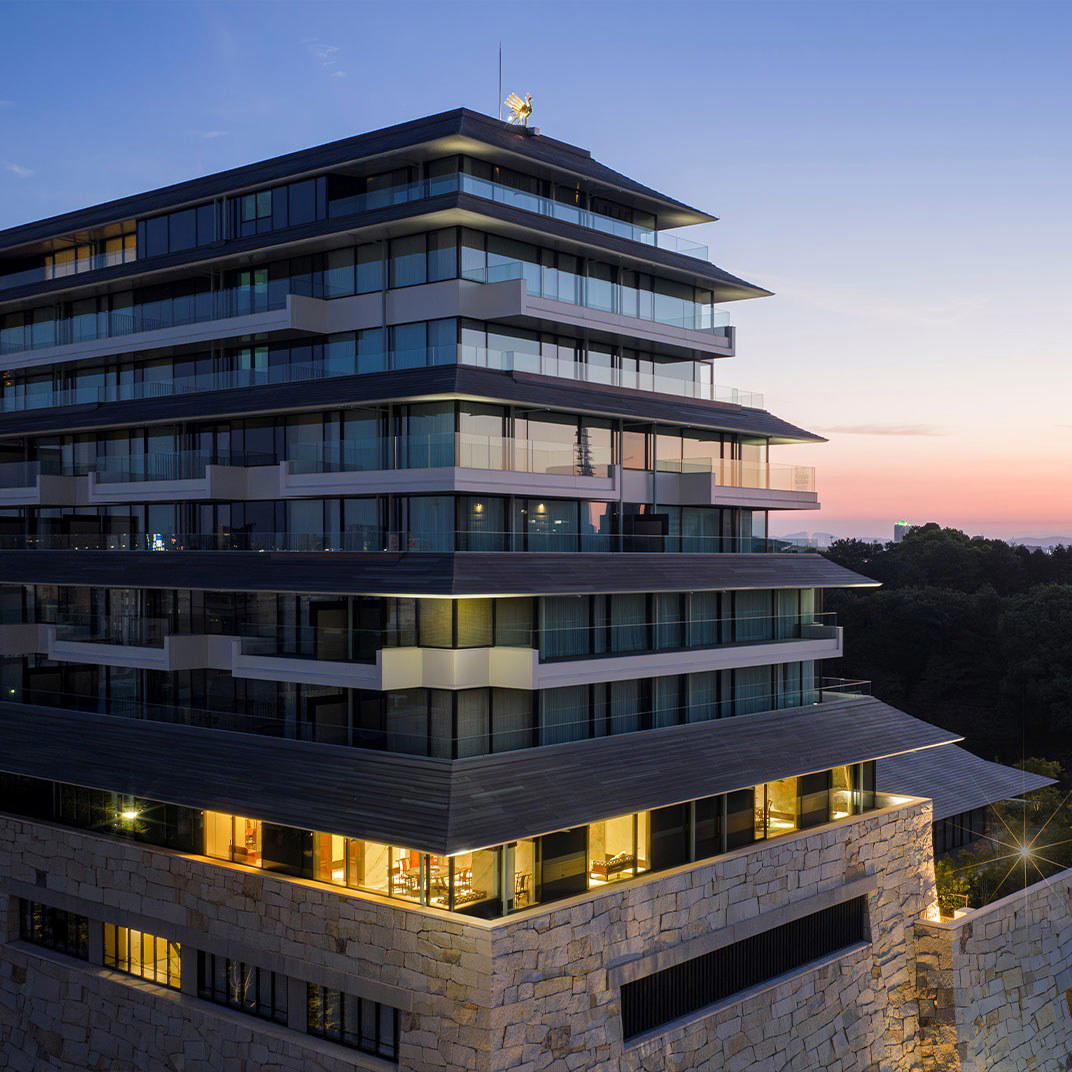

Garden Restaurant Tokugawaen
The wine
- Wine program
- Deep wine list
- Extensive wine list
- Sommelier-led
- Corkage allowed
- Sake program
- Zero-proof drinks
Details
- Elegant
- Scenic
- Romantic
- Sophisticated
- Classic
- Well Known
- Special Occasion
- Celebration
- Date Night
- Business Dinner
- Group Dining
- Private Event
- Garden
- Historic Building
- Panoramic View
- Design Destination
- Private Dining
- Standalone
- Extensive Wine List
- Sake Program
- Zero Proof
- Sommelier Led
- Corkage Allowed
- Local Sourcing
- Sustainable Seafood
- Farm To Table
- Garden
- Tasting Menu
- Set Menu
- Wine
- Sake
- Tea
- Vegetarian Friendly
- Allergy Accommodating
Current opening hours
- Monday
- Closed
- Tuesday
- 11 AM–3 PM, 5:30–10 PM
- Wednesday
- 11 AM–3 PM, 5:30–10 PM
- Thursday
- 11 AM–3 PM, 5:30–10 PM
- Friday
- 11 AM–3 PM, 5:30–10 PM
- Saturday
- 11 AM–3 PM, 5:30–10 PM
- Sunday
- 11 AM–3 PM, 5:30–10 PM
Hours can change for holidays and private events. Hours as of .
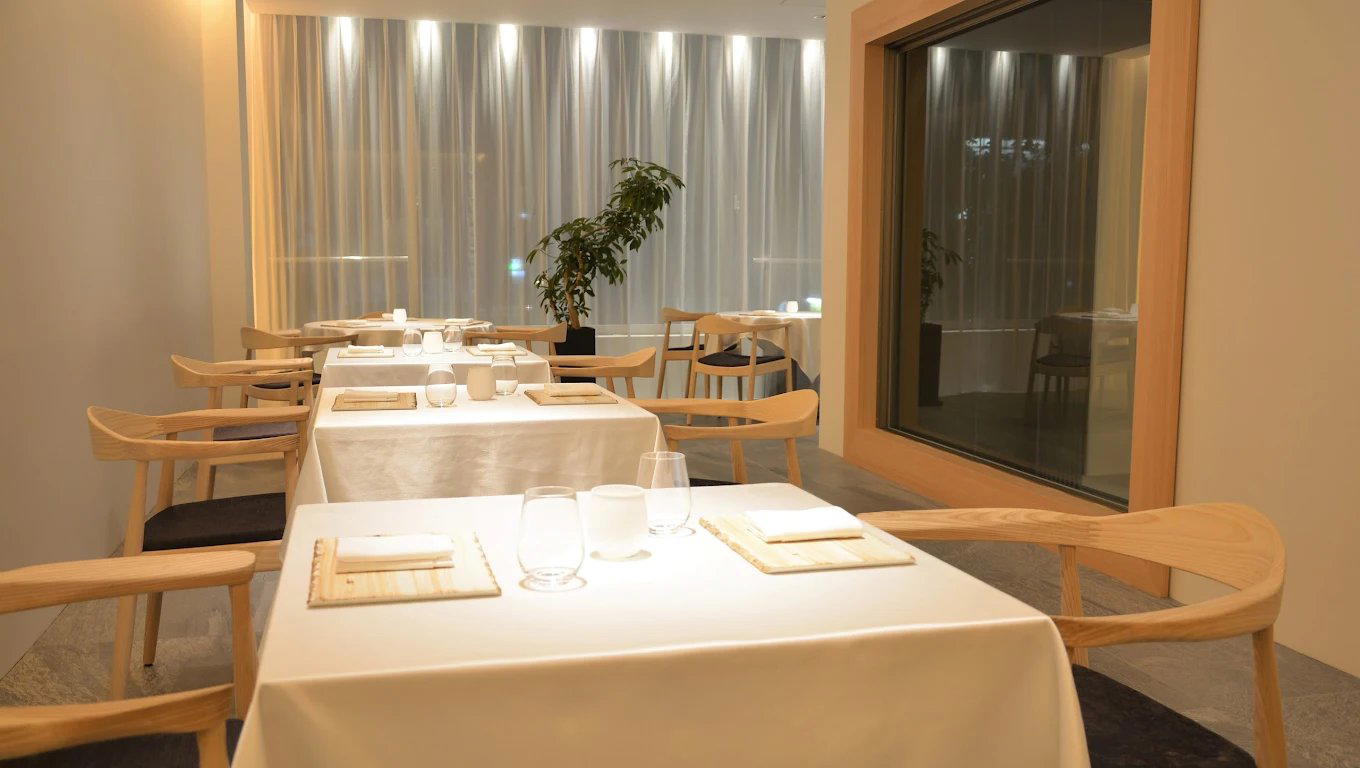
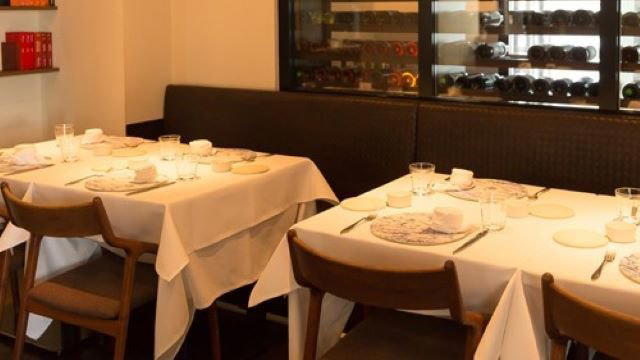
An elegant, quietly luxurious dining room that blends Japanese and Western design, with Baccarat chandeliers and large windows framing the seasonal Japanese garden, creating a calm, romantic atmosphere suited to special occasions and weddings.