
Tabelog Bronze #143
Our verdict
Izumo has held Tabelog Bronze recognition every year from 2021 through 2026 and earned back-to-back selection in the Tabelog Japanese Cuisine EAST Top 100 for 2023 and 2025, placing it among the most consistently recognised kaiseki addresses in Nagoya. Dinner runs JPY 40,000–49,999 per person, reservations are mandatory, and the restaurant accepts cash only.

Pearl is the En Primeur Club membership app, where members save venues, book tables and use the concierge.
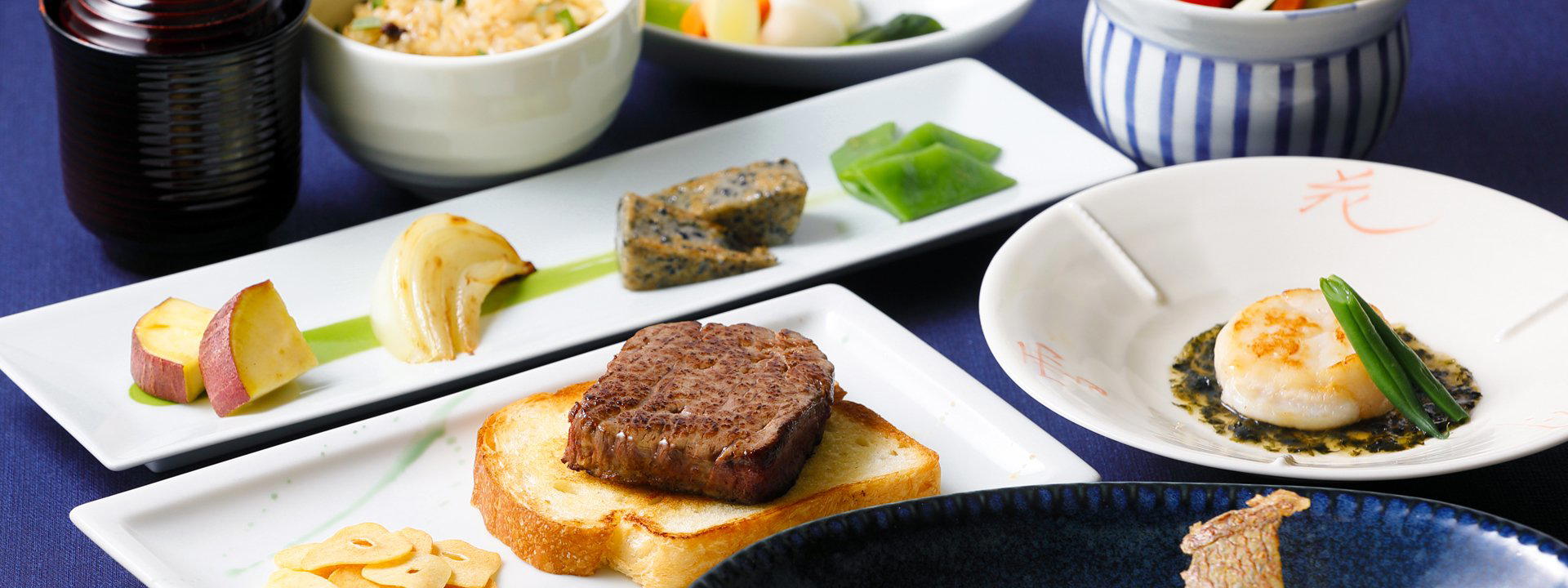
Nagoya's Kaiseki Tier and Where Izumo Sits Within It
Nagoya occupies an underexamined position in Japan's fine-dining conversation. Tokyo and Kyoto absorb most of the international attention, yet Aichi prefecture supports a serious cohort of kaiseki and Japanese cuisine restaurants that compete on peer-set terms with their counterparts in either city. The Tabelog award data makes this legible: multiple Nagoya addresses hold Bronze or Silver recognition annually, and a handful appear in the curated Top 100 lists that Tabelog compiles by region and cuisine category. Izumo, located in the Fukiage area of Chikusa Ward, occupies a documented position in that upper tier. Four consecutive Tabelog Bronze wins spanning 2021, 2022, 2025, and 2026, combined with back-to-back inclusion in the Tabelog Japanese Cuisine EAST Top 100 for both 2023 and 2025, constitute a record of sustained critical recognition that few Nagoya addresses can match across the same time window.
That track record places Izumo in a specific competitive set. Tabelog's Bronze award is not a participation mark; it is assigned to roughly the leading two to three percent of restaurants in a given category and region, based on aggregated reviewer scores weighted for recency and reviewer credibility. A Tabelog score of 3.85 at the listed average price of JPY 40,000–49,999 per person for dinner signals a restaurant competing against other high-commitment kaiseki counters, not against neighbourhood washoku. For regional context, Amaki, aru, Fujisawa, GapricE, and HIRO NAGOYA all operate at comparable price and recognition levels in Aichi. Izumo's consistency across four award cycles distinguishes it even within that peer group.
The Reservation-Only Format and What It Signals
The restaurant operates on a reservation-only basis with no walk-in access, a format common to kaiseki at this price point but worth treating as a structural indicator rather than a logistical footnote. In the Japanese fine-dining tradition, reservation-only formats allow kitchens to purchase and prepare ingredients to order, calibrate pacing for a known number of covers, and maintain the kind of course-by-course sequencing that kaiseki demands. The format here is not gatekeeping for its own sake; it is a production requirement for cooking at this level of specificity.
Payment at Izumo is cash only. No credit cards, electronic money, or QR code payments are accepted. At a dinner average of JPY 40,000–49,999 per person, this is a meaningful planning detail. Visitors should confirm the exact amount in advance through their reservation channel and arrive prepared accordingly. The restaurant is available for private hire, though private rooms within the venue are not listed as a separate option, which suggests the full space rather than a partitioned section is the relevant format for exclusive bookings.
Critical Reception and the Tabelog Framework
Japan's restaurant criticism ecosystem operates differently from Western award structures. The Michelin Guide covers Japan but concentrates heavily on Tokyo and Kyoto, with more selective coverage in Nagoya and other regional cities. Tabelog, by contrast, aggregates tens of thousands of verified diner reviews and applies a scoring algorithm that weights reviewer history, visit recency, and review quality. This produces a different kind of signal: not a single critic's judgement but a durable consensus built over hundreds of documented visits. Izumo's 3.85 score on that platform, paired with a review-based average of JPY 30,000–39,999 (somewhat below the listed menu price, suggesting some diners opt for more modest configurations), reflects genuine repeat engagement from Japan's most active dining community rather than a single award cycle.
For comparison across Japan's recognised Japanese cuisine addresses, Gion Sasaki in Kyoto represents the Kyoto kaiseki standard, while Harutaka in Tokyo operates in the capital's highest-commitment sushi tier. Outside Japan, Le Bernardin in New York City and Atomix in New York City illustrate what sustained critical recognition looks like in tasting-menu formats in a different market altogether. The through-line across all these cases is consistency: the restaurants that accumulate recognition over multiple award cycles, rather than appearing once and fading, tend to be those with stable kitchen leadership and a clear point of view about what they are doing. Izumo's four Bronze wins across five years fit that pattern.
Elsewhere in Japan, comparable sustained recognition in Japanese cuisine can be seen at HAJIME in Osaka, akordu in Nara, Goh in Fukuoka, and 1000 in Yokohama, each operating in its own regional context but each demonstrating that Japan's fine-dining geography extends well beyond the two or three cities that dominate international coverage.
Practical Details for Planning a Visit
Izumo is located in Fukiage, Chikusa Ward, Nagoya, at 1 Chome-1-9 SOPHIA IZUMO. No official website is listed in the public record, and the phone number is not publicly disclosed, which means reservations likely proceed through Tabelog's booking interface or a third-party Japanese reservation service. Given the restaurant's recognition level and reservation-only format, planning at least four to six weeks ahead is advisable, and considerably further for holiday periods or weekends when competition for tables in Nagoya's premium dining tier sharpens. The venue does not offer parking, so arriving by subway (Chikusa Ward is accessible from central Nagoya via the Higashiyama or Tsurumai lines) or taxi is the practical approach. The restaurant operates a non-smoking policy throughout.
The occasions data from Tabelog reviewers consistently flags Izumo as a setting for outings with friends, which within the Japanese dining context suggests a sociable rather than strictly formal atmosphere, even at this price point. Kaiseki at this tier in Japan rarely reads as stiff or ceremonial in the Western sense; the pacing tends to be generous and the interaction with the kitchen team is part of the experience. That said, given the cash-only payment requirement and the absence of a public website, a degree of advance preparation is genuinely necessary rather than merely recommended.
Aichi's Broader Dining and Travel Context
Nagoya is frequently treated as a transit point between Tokyo and Kyoto on the Shinkansen corridor, but the city's food culture rewards a dedicated stay. The local culinary identity is specific enough to have its own terminology: Nagoya-meshi refers to a set of regional specialities that includes miso-braised dishes, chicken wings cooked in a sweet-soy glaze, and thick kishimen noodles, none of which appear at a kaiseki counter like Izumo but which define the city's broader food character. At the premium end, Nagoya's Japanese cuisine scene operates with the same technical seriousness as Tokyo or Kyoto, supported by Aichi prefecture's agricultural output and proximity to the Pacific coast for seafood.
For travellers building a full Aichi itinerary beyond a single dinner, our full Aichi restaurants guide covers the range of the prefecture's dining options. Our full Aichi hotels guide addresses where to stay, our full Aichi bars guide covers the drinking scene, our full Aichi wineries guide looks at the regional wine and sake producers, and our full Aichi experiences guide maps the cultural and activity options across the prefecture.
Frequently asked questions
Has Izumo won any awards?
Izumo has received recognition including:
Where exactly is Izumo?
Izumo is located at Japan, 〒464-0856 Aichi, Nagoya, Chikusa Ward, Fukiage, 1 Chome−1−9 SOPHIA IZUMO, Aichi.
What's the must-try dish at Izumo?
The restaurant holds Tabelog Bronze awards from 2021 through 2026 and a score of 3.85 for Japanese cuisine, which at this price tier, JPY 40,000 to 49,999 per dinner, typically centres on seasonal kaiseki courses. Confirm current offerings directly when making your reservation.
How far ahead should I plan for Izumo?
Izumo operates on a reservation-only basis with no walk-in access. At a dinner spend of JPY 40,000 to 49,999 and a Tabelog score of 3.85 placing it among Japan's top-ranked Japanese cuisine restaurants in the East, demand is consistent. Booking several weeks in advance is a practical baseline; peak periods around Japanese holidays warrant earlier planning.
What is Izumo known for?
Izumo has earned Tabelog Bronze recognition four consecutive years, 2021, 2022, 2025, and 2026, and has been selected for the Tabelog Japanese Cuisine EAST 100 in both 2023 and 2025, a list covering the country's most highly rated Japanese cuisine restaurants outside Kyoto and Osaka. It operates in Fukiage, Chikusa Ward, Nagoya, a city whose fine-dining tier is consistently underweighted in international coverage relative to its Tabelog performance.
What if I have allergies at Izumo?
No allergy or dietary accommodation policy is documented in the public record for Izumo. Given the reservation-only format and the fixed-course structure typical of kaiseki at this price point, the reservation process itself is the appropriate moment to raise any dietary restrictions, before the menu is set for your sitting.
In Context: Similar Options
Comparable venues nearby, for context on price, style, and recognition.
| Venue | Cuisine | Price | Awards | Notes |
|---|---|---|---|---|
| IzumoThis venue (the venue you are viewing) | Japanese Cuisine with Aged Meat | $500+ | Tabelog Bronze #143 | Not listed |
| Yoshii | Aichi Seasonal Omakase | $100–150 | Tabelog Bronze #528 | Naka Ward |
| Fujisawa | Modern Japanese Sushi | $300–500 | Tabelog Bronze #74 | Ueda Yama |
| HIRO NAGOYA | Premium Yakiniku | $500+ | Tabelog Bronze #117 | Nishi-ku |
| Tempura Kusunoki | Modern Tempura Omakase | $300–500 | Tabelog Silver #65 | Shikemichi |
| Mas de Lavande | Classic French Fine Dining | $150–200 | Tabelog Bronze #257 | Naka |
Recognition history
Dated appearances from independent guides and award organizations, with the underlying list record or original source where available.
Tabelog Bronze #143
Tabelog
Full recognition history (3 entries)
Tabelog Bronze
Tabelog
Tabelog 100 #94 · No. 94
Tabelog · Tabelog 100 - Japanese cuisine - EAST - 2025
Continue exploring
More in Aichi
Restaurants in Aichi
All restaurants in Aichi →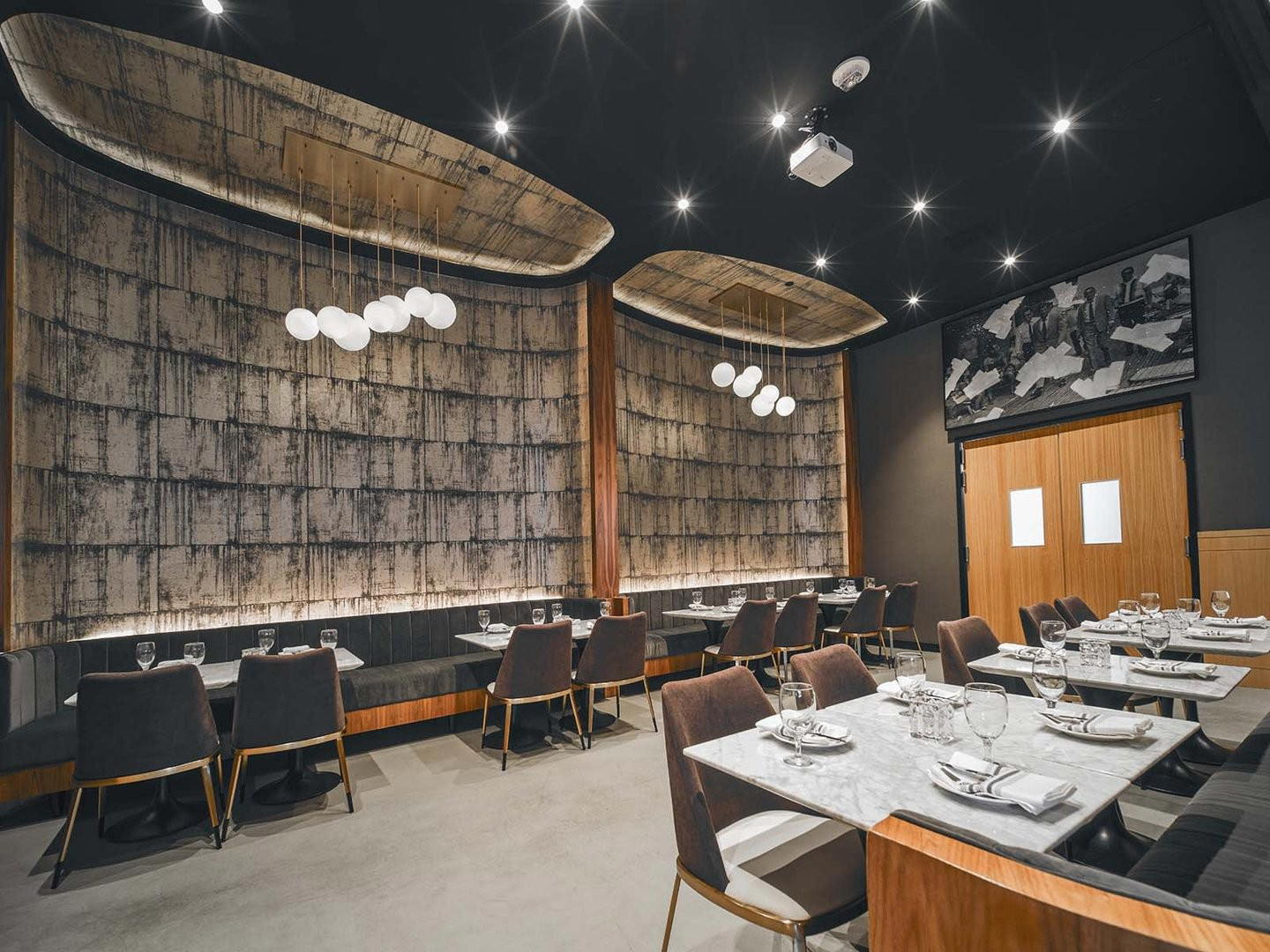
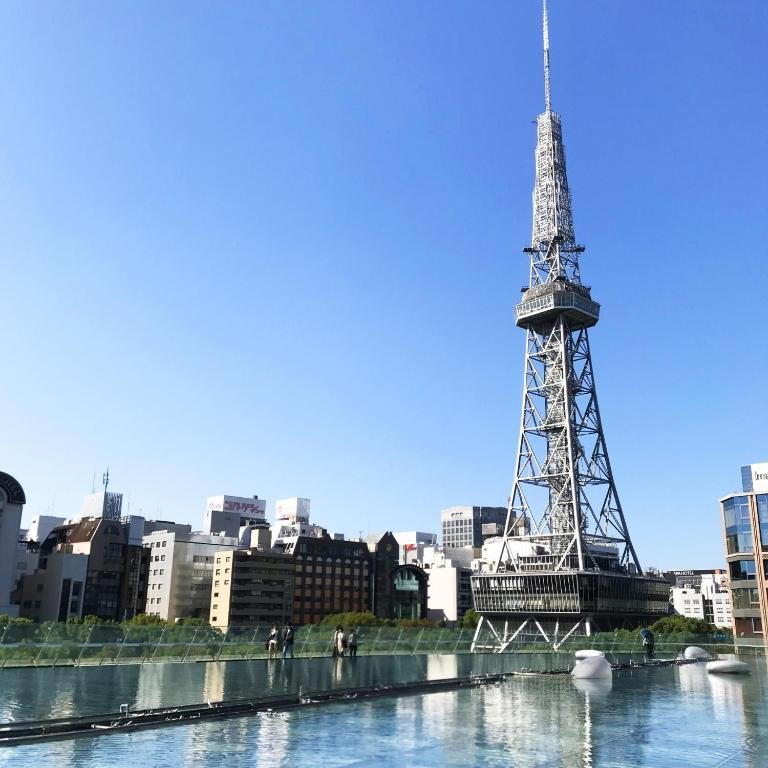
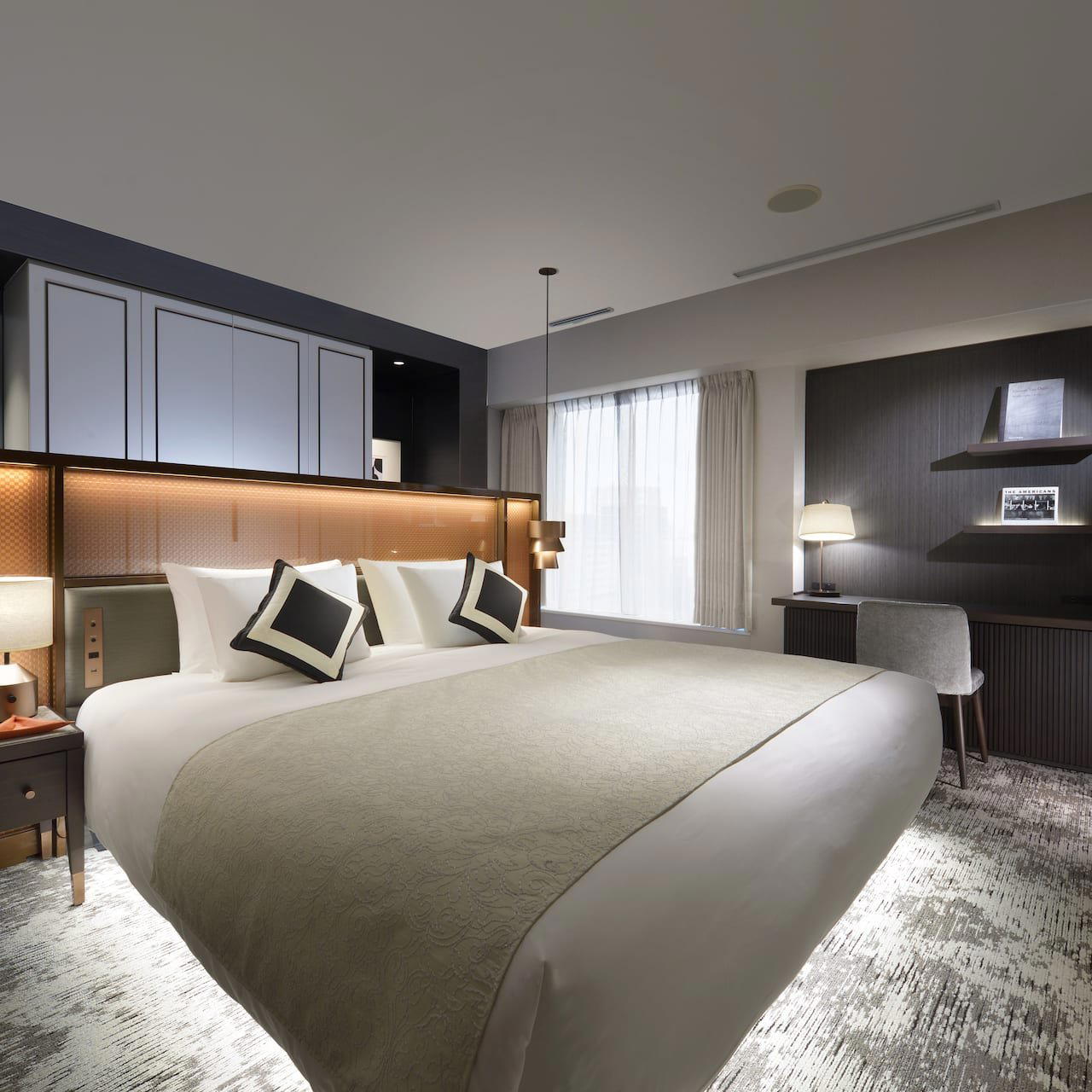
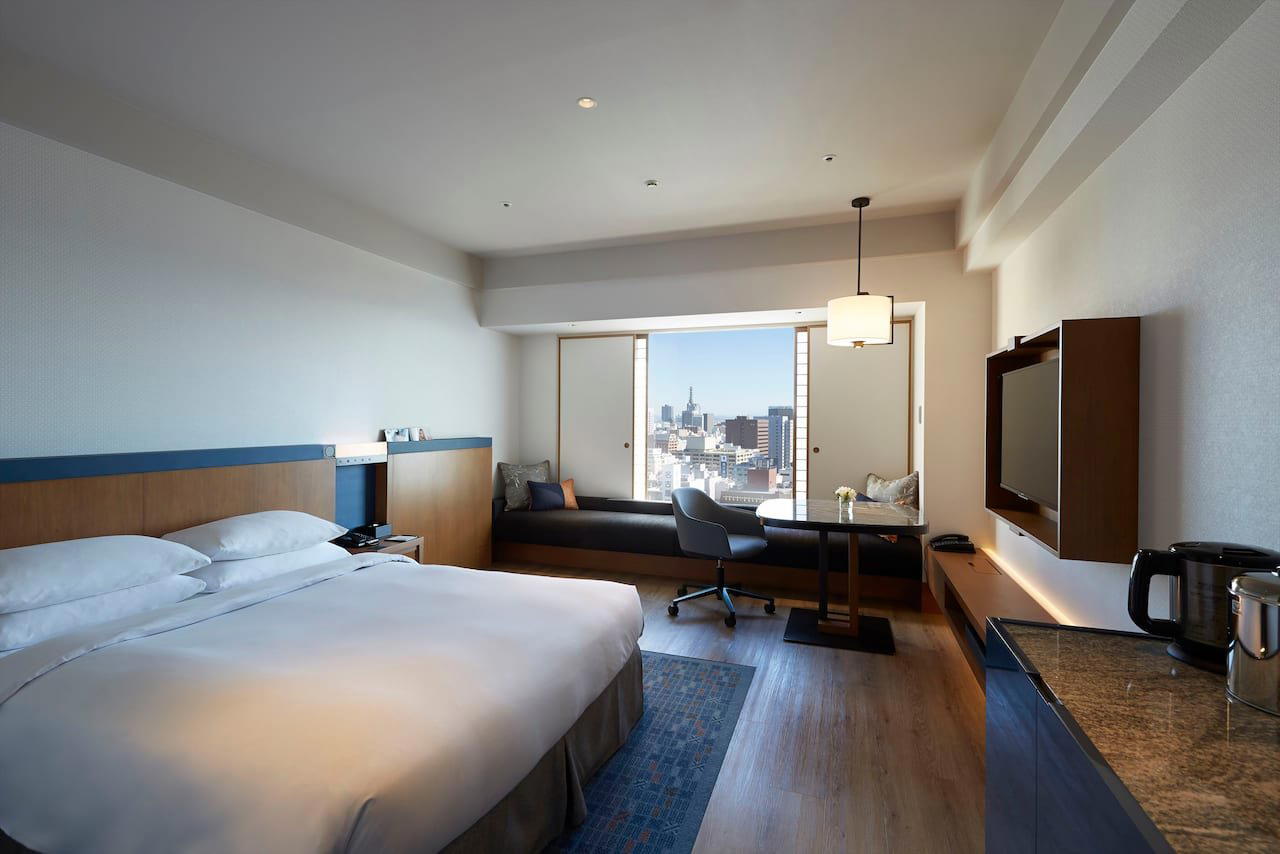
Details
- Elegant
- Sophisticated
- Special Occasion
- Sake Program
- A La Carte
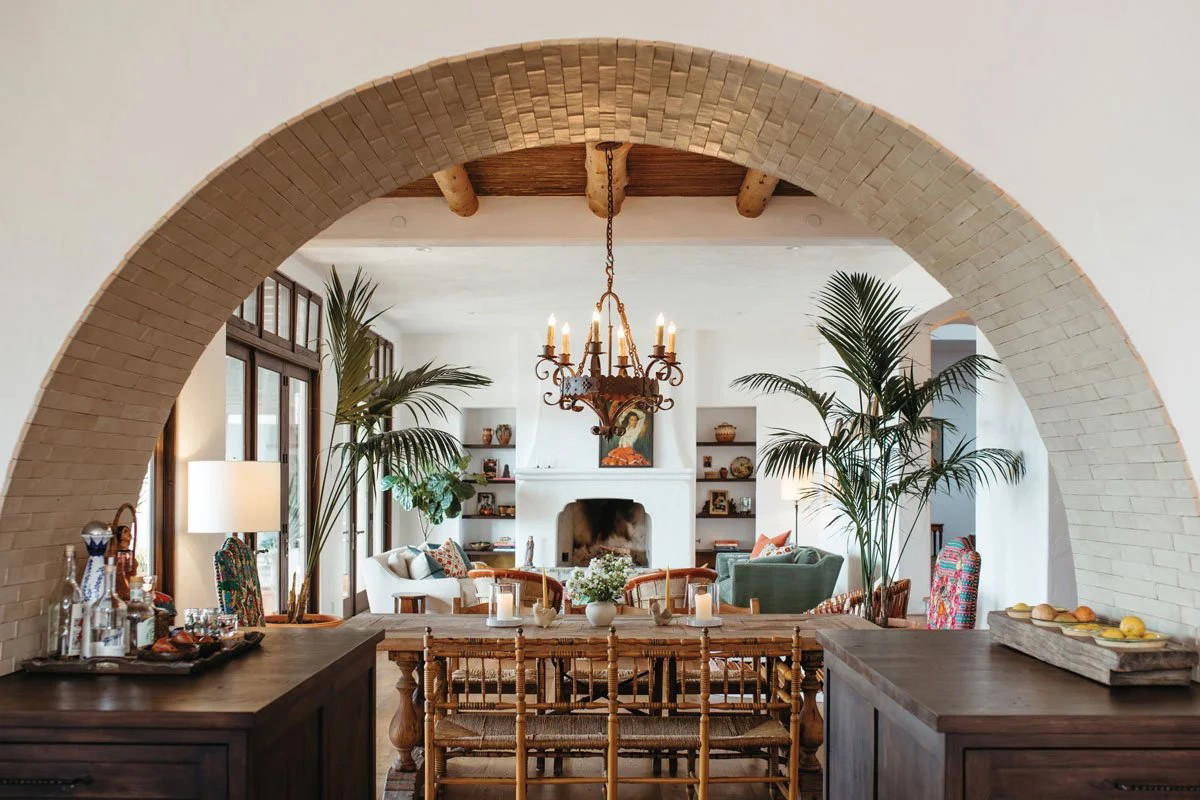
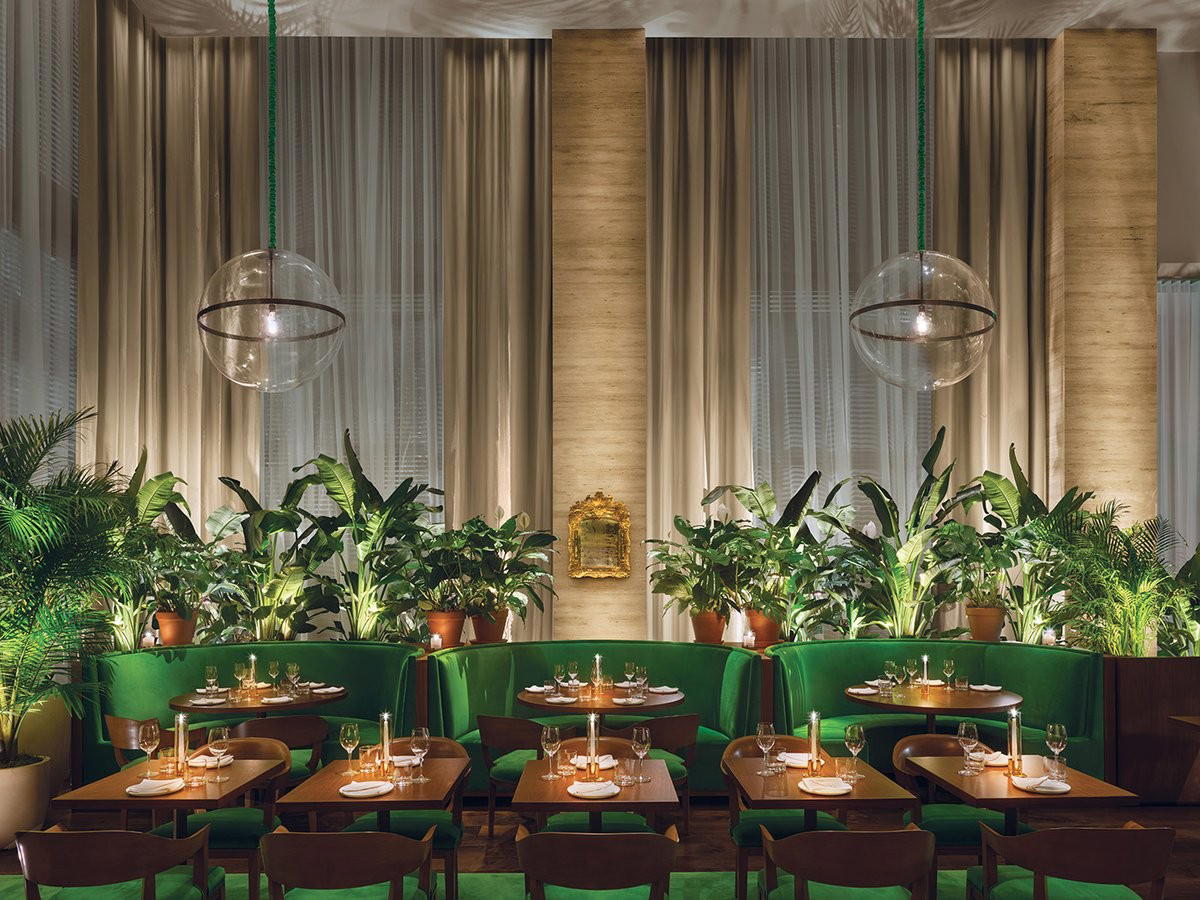
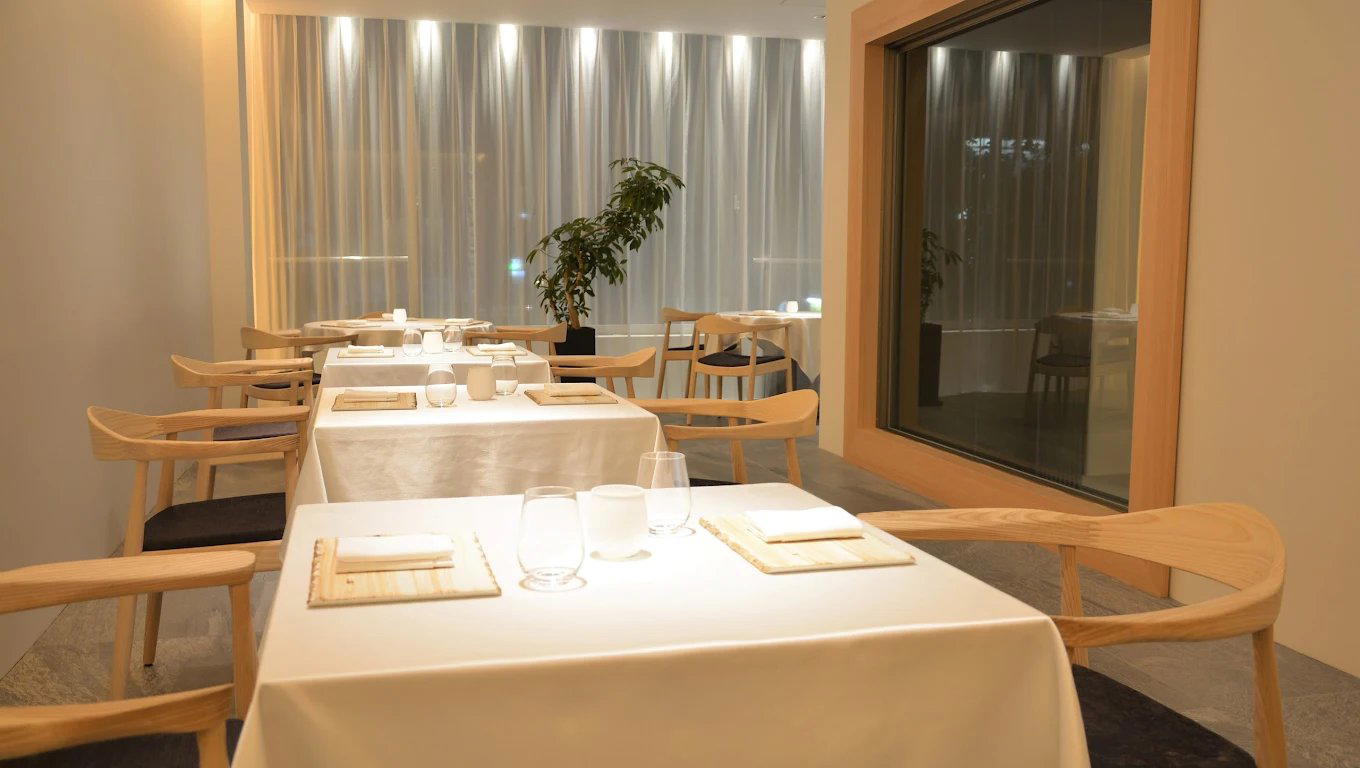
Elegant and luxurious atmosphere befitting a high-end Japanese cuisine experience.