
Michelin Selected
A Michelin Selected hotel in Inuyama's castle district, Hotel Indigo Inuyama Urakuen Garden sits beside one of Japan's most intact feudal gardens and draws on its setting for a design identity that international-brand hotels in larger cities rarely attempt. For travellers treating the Nagoya region as a serious destination rather than a day-trip corridor, this is a considered base with genuine local weight.

Pearl is the En Primeur Club membership app — saves, bookings, and concierge access live there. Same editors, same standards.
- Address
- Kitakoken-103-1 Inuyama, Aichi 484-0082, Japan
- Phone
- +81 568-61-2211
- Website
- ihg.com
- Directions
- Get directions
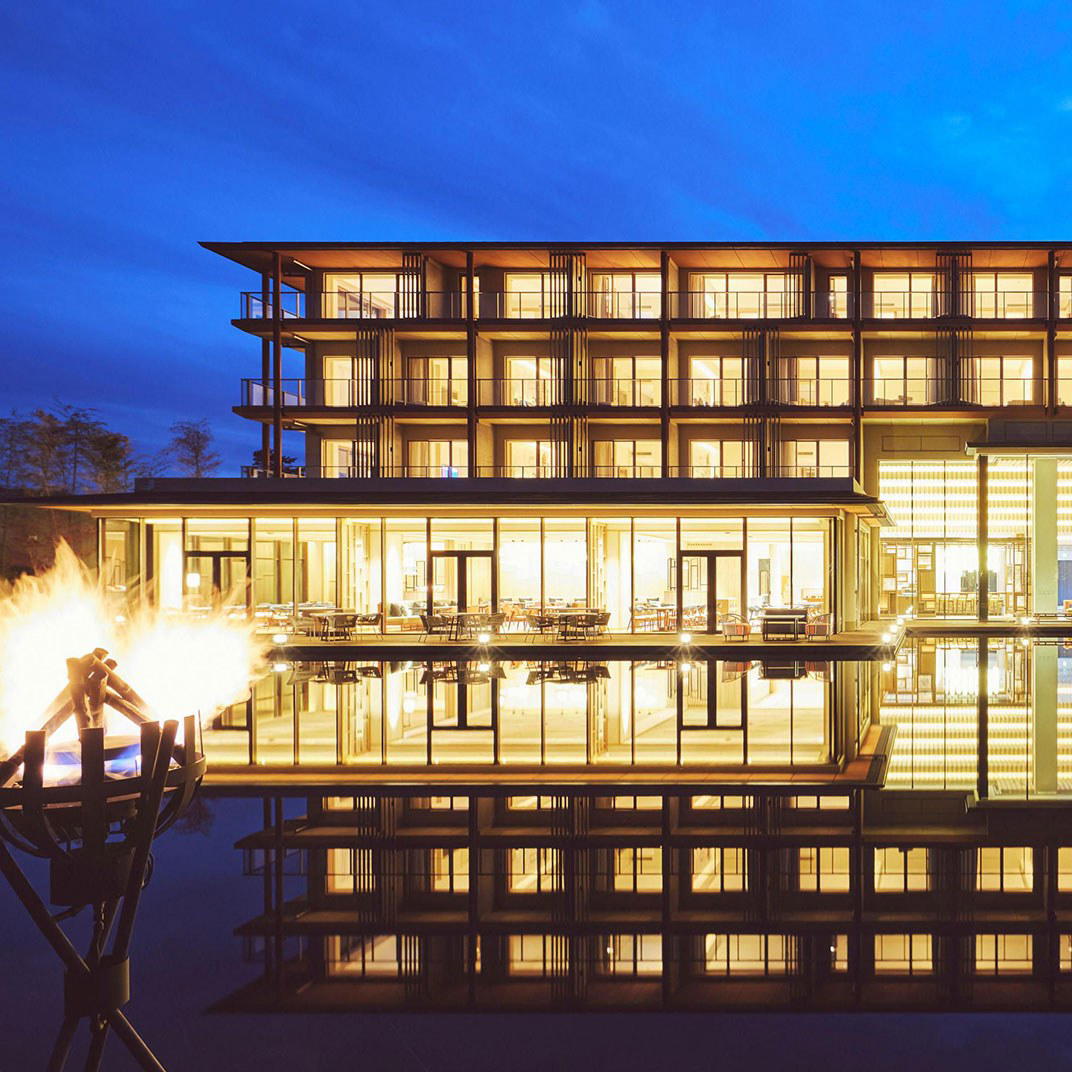
A Garden Town That Still Earns Serious Attention
Inuyama occupies a position in the Aichi-Gifu corridor that most international itineraries undervalue. The town holds one of Japan's twelve remaining original castles — a National Treasure designation that the broader network of reconstructed concrete castles cannot claim — and borders Urakuen, a garden that contains Jo-an, a late sixteenth-century tea house recognised as one of the three most significant in the country. That combination of preserved castle and authentic garden tradition gives Inuyama a cultural density that punches well above its size, and it explains why a globally distributed brand like IHG chose this address for one of its design-led Hotel Indigo properties rather than defaulting to a larger regional city. For context on what serious travel infrastructure looks like in Japan's heritage towns, our full Inuyama restaurants and travel guide maps the wider options.
Design Against a Living Reference
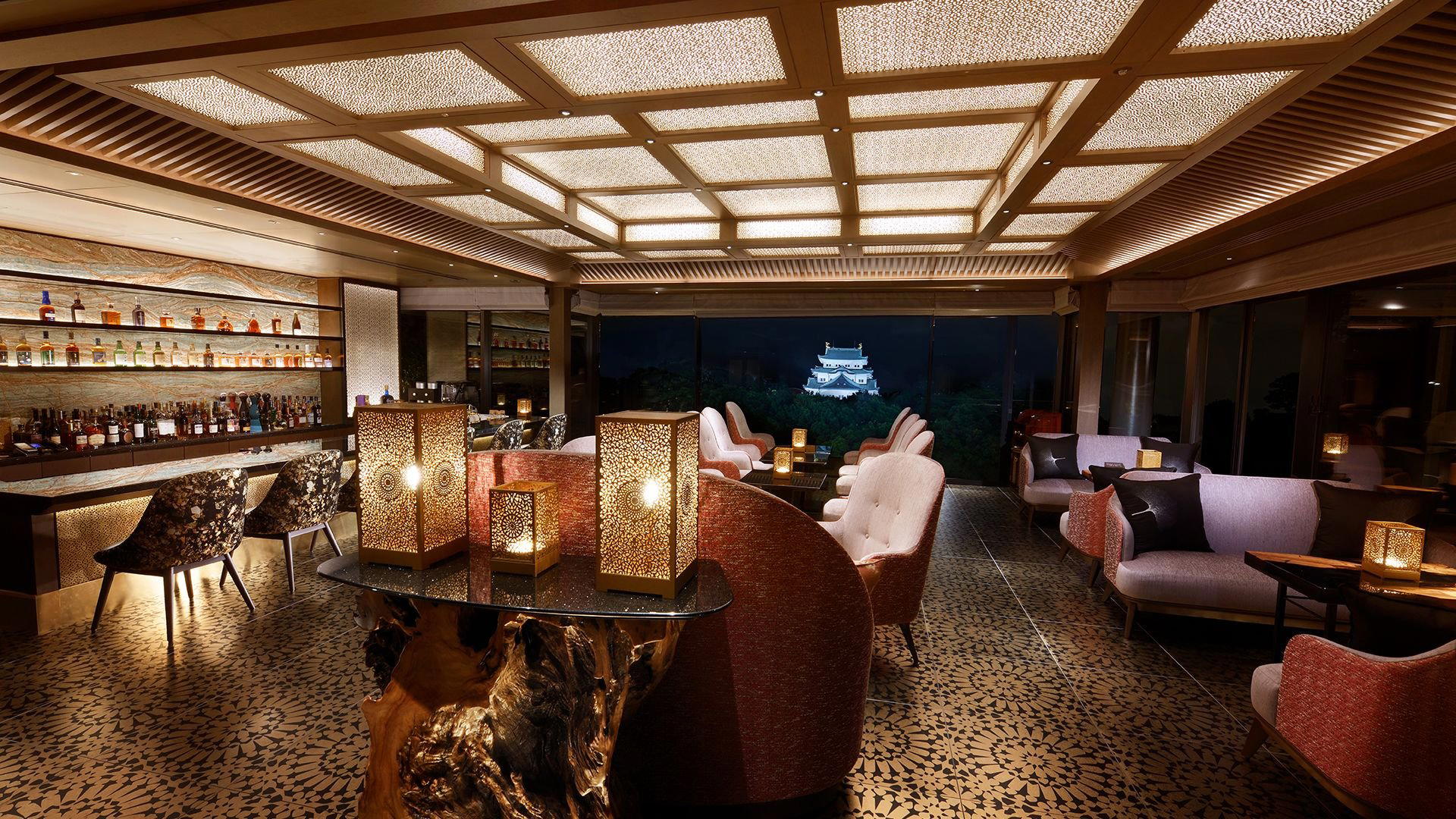
The Hotel Indigo brand operates on a neighbourhood-story mandate: every property in the portfolio is expected to translate its immediate context into architecture, materials, and aesthetic language rather than applying a generic international template. At the Inuyama Urakuen Garden property, that mandate has an unusually precise brief. The hotel sits at 103-1 Inuyama Kitakoken, within the visual and spatial orbit of Urakuen itself, which means the design conversation is not with a vague regional identity but with a specific, historically documented garden tradition rooted in the wabi aesthetic of the Azuchi-Momoyama period.
Japan's premium ryokan circuit has long understood how to make a garden a room, properties like Gora Kadan in Hakone and Asaba in Izu have built multi-decade reputations on exactly that proposition. The challenge for a branded international hotel at this address is different: it must hold its own against that ryokan tradition without pretending to be one. The Hotel Indigo model, at its finest, threads that needle through material specificity and spatial restraint rather than through the full programmatic apparatus of a ryokan stay.
What distinguishes this tier of Japanese heritage hotel, whether ryokan or branded property, is how the surrounding landscape functions as primary interior architecture. The orientation of public spaces toward borrowed scenery, the use of natural materials that age rather than resist ageing, and the suppression of loud branding in favour of place-specific detailing are all signals that a property is engaged seriously with its context rather than simply using it as a backdrop for photography. In that respect, the Urakuen address provides both an opportunity and a standard that the design must meet.
The Michelin Selection and What It Signals
Hotel Indigo Inuyama Urakuen Garden carries a Michelin Selected designation in the 2025 Michelin Hotels guide, placing it in the tier of properties that Michelin's inspectors have identified as delivering consistent quality without necessarily qualifying for the higher Key distinctions reserved for Japan's most formally accomplished properties. In the context of Inuyama specifically, a Michelin Selected rating functions as meaningful external validation for a town that does not have the density of internationally recognised hotels found in Kyoto, Tokyo, or the Hakone corridor.
For calibration: within Japan's Michelin hotel ecosystem, the Selected tier sits below properties carrying one or two Keys, properties like HOTEL THE MITSUI KYOTO or Amanemu in Mie, but it is a genuine quality floor, not a consolation category. It places the hotel in peer company with selected properties across Japan's secondary heritage destinations, which is a reasonable position for an international brand operating in a town of Inuyama's scale.
The Wider Pattern: International Brands in Heritage Precincts
Japan has seen a sustained push over the past decade to bring internationally branded hotels into castle towns and temple districts that historically belonged exclusively to the ryokan format. The logic runs in both directions: destinations gain internationally bookable inventory that integrates with global loyalty programmes, and brands gain access to heritage precincts that convey cultural authority. The results vary considerably depending on how seriously a brand commits to its neighbourhood-story framework.
The Hotel Indigo network's track record in Japan and across Asia includes properties that have genuinely absorbed their local context and others that treat it as surface decoration. The Urakuen Garden address is among the more demanding briefs in the portfolio, given how specific and historically weighted its reference point is. Properties that take a comparable approach to heritage-adjacent design elsewhere in Japan include Nishimuraya Honkan in Kinosaki-cho and Benesse House on Naoshima, both of which demonstrate that the relationship between architecture and cultural context can be made genuinely productive rather than merely gestural.
For those whose Japan itinerary is building toward the most design-resolved properties in the country, the upper tier, Zaborin in Kutchan, Higashiyama Niseko Village, or properties like Kamenoi Besso in Yufu, sets a different benchmark. But those properties also sit in environments without the specific castle-and-garden constellation that makes Inuyama worth the detour in the first place.
Planning Your Stay
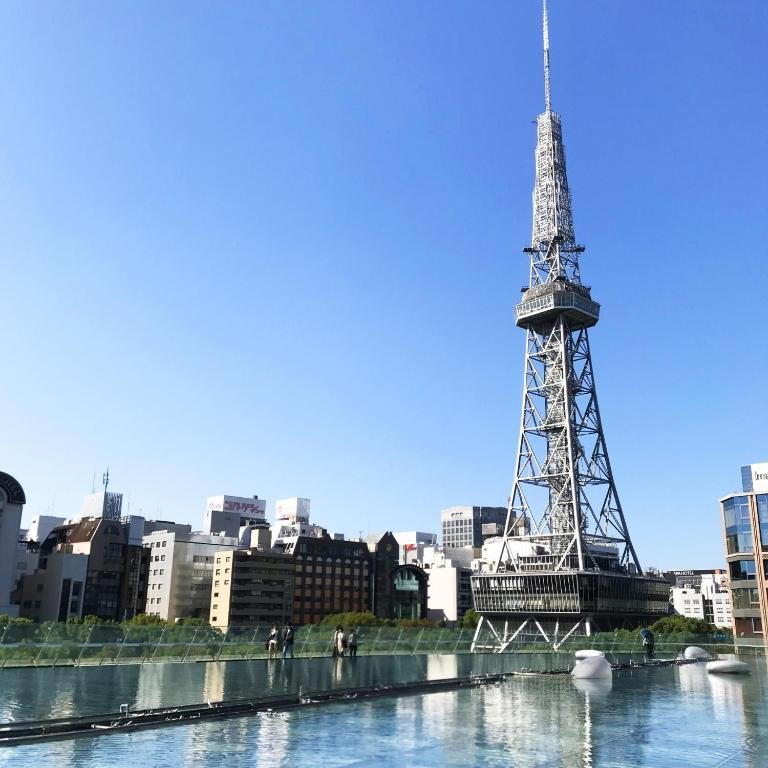
Inuyama is accessible from Nagoya via the Meitetsu Inuyama line in approximately 30 minutes, which makes it a realistic overnight destination for travellers using Nagoya as a regional base, or a logical stop on a route connecting Nagoya to the Gifu-Takayama corridor. The concentration of the town's key sites, castle, Urakuen, the historic Honmachi district, within walking distance of the hotel address means a single night is enough to cover the ground, though the slower ryokan logic of garden viewing and seasonal awareness rewards a second night if the schedule allows. Booking for the hotel is handled through the IHG global reservation system; the property carries Michelin Selected status for 2025, which signals consistent inspector visits and quality maintenance, and is worth booking well ahead during spring cherry blossom season and autumn foliage periods when the castle district receives peak visitor numbers. For travellers comparing Japan's heritage hotel options across formats and price points, properties such as Fufu Nikko, Fufu Kawaguchiko, and Satoyama-Jujo in Niigata offer points of comparison across different regional contexts.
Comparison Snapshot
Comparable venues nearby, for context on price, style, and recognition.
| Venue | Cuisine | Price | Awards | Notes |
|---|---|---|---|---|
| Hotel Indigo Inuyama Urakuen GardenThis venue — the venue you are viewing | Lifestyle boutique hotel inspired by Inuyama's cultural heritage and natural surroundings | $200–300 | Michelin Selected | Not listed |
| Hotel Granvia Osaka (ホテルグランヴィア大阪) | Contemporary urban tower hotel with direct train station access | $100–200 | Not listed | Umeda |
| Node Hotel | Contemporary boutique hotel inspired by a private art collector's residence, blending hospitality with curated contemporary art. | $100–200 | Michelin Selected | Shijo Nishinotoin, Nakagyo-ku |
| seven x seven Ishigaki | Self-hospitality luxury resort with low-touch service and high-end comforts. | Not listed | Michelin Selected | Maezato |
| Hotel Iya Onsen (ホテル祖谷温泉) | Traditional Japanese ryokan-style luxury hotel with modern amenities, blending heritage architecture with contemporary comfort in a remote mountain setting. | Not listed | 4-Star | Oboke Iya Onsen-kyo district, Miyoshi |
| Mitsui Garden Hotel Kyoto Sanjo Premier | Contemporary Japanese design blending traditional aesthetics with modern luxury; occupies historic Sanjo Street with architectural heritage sensitivity. | $200–300 | Michelin Selected | Nakagyō |
Recognition history
Dated appearances from independent guides and award organizations, with the underlying list record or original source where available.
Michelin Selected
Michelin

Details
- Scenic
- Elegant
- Modern
- Quiet
- Sophisticated
- Romantic Getaway
- Weekend Escape
- Anniversary
- Garden
- Historic Building
- Panoramic View
- Wi Fi
- Sauna
- Fitness Center
- Concierge
- Garden
- Mountain
- Waterfront
- Wheelchair Accessible
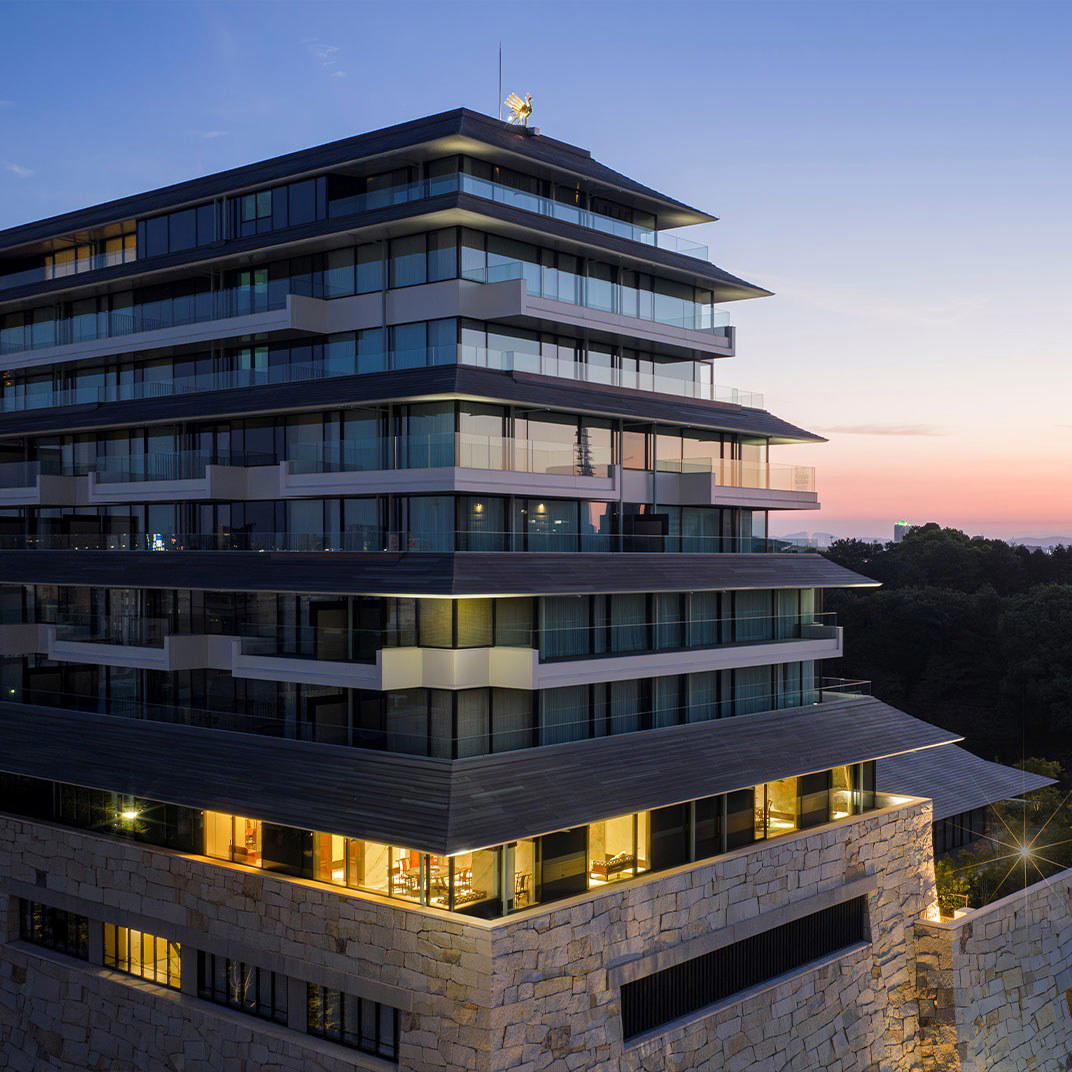
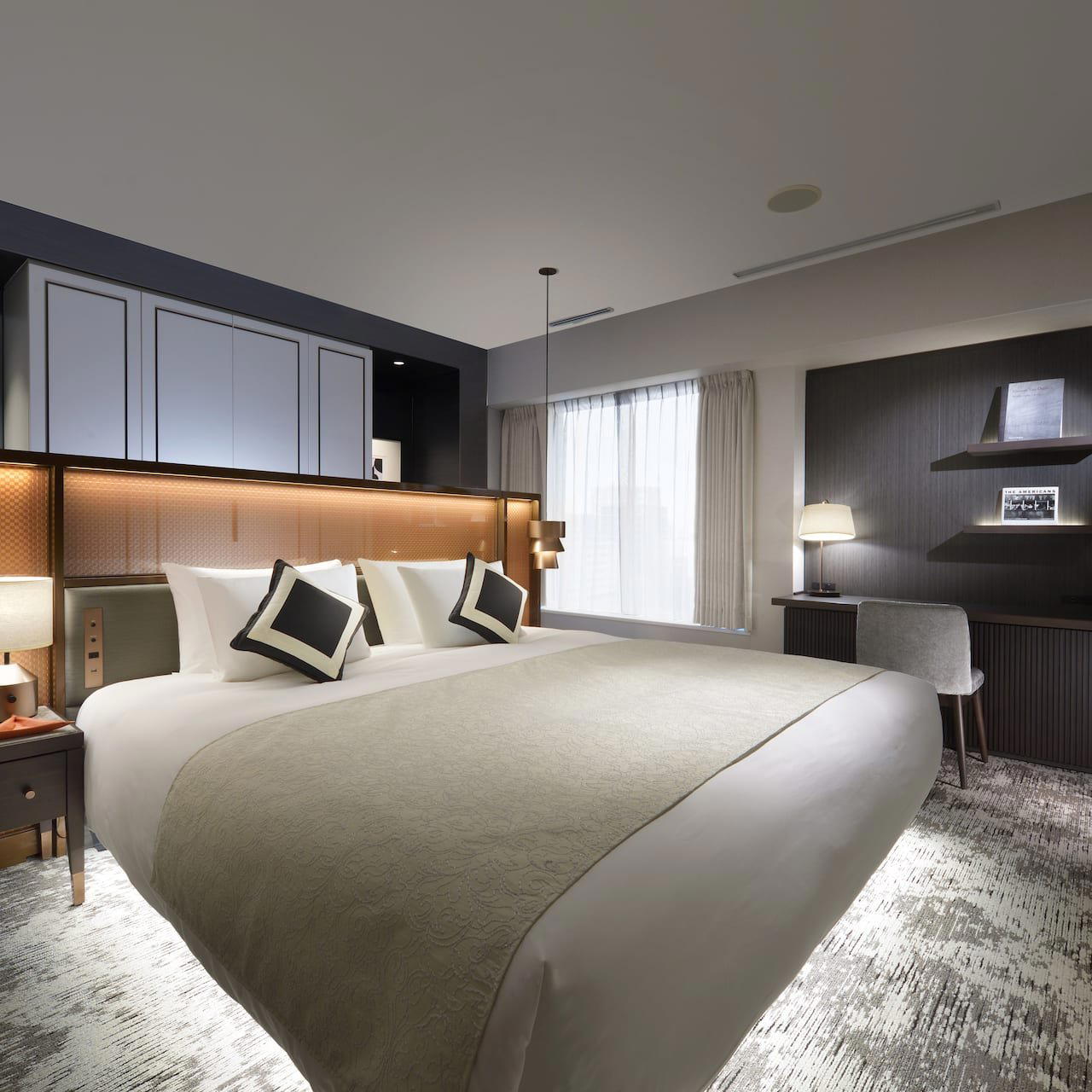
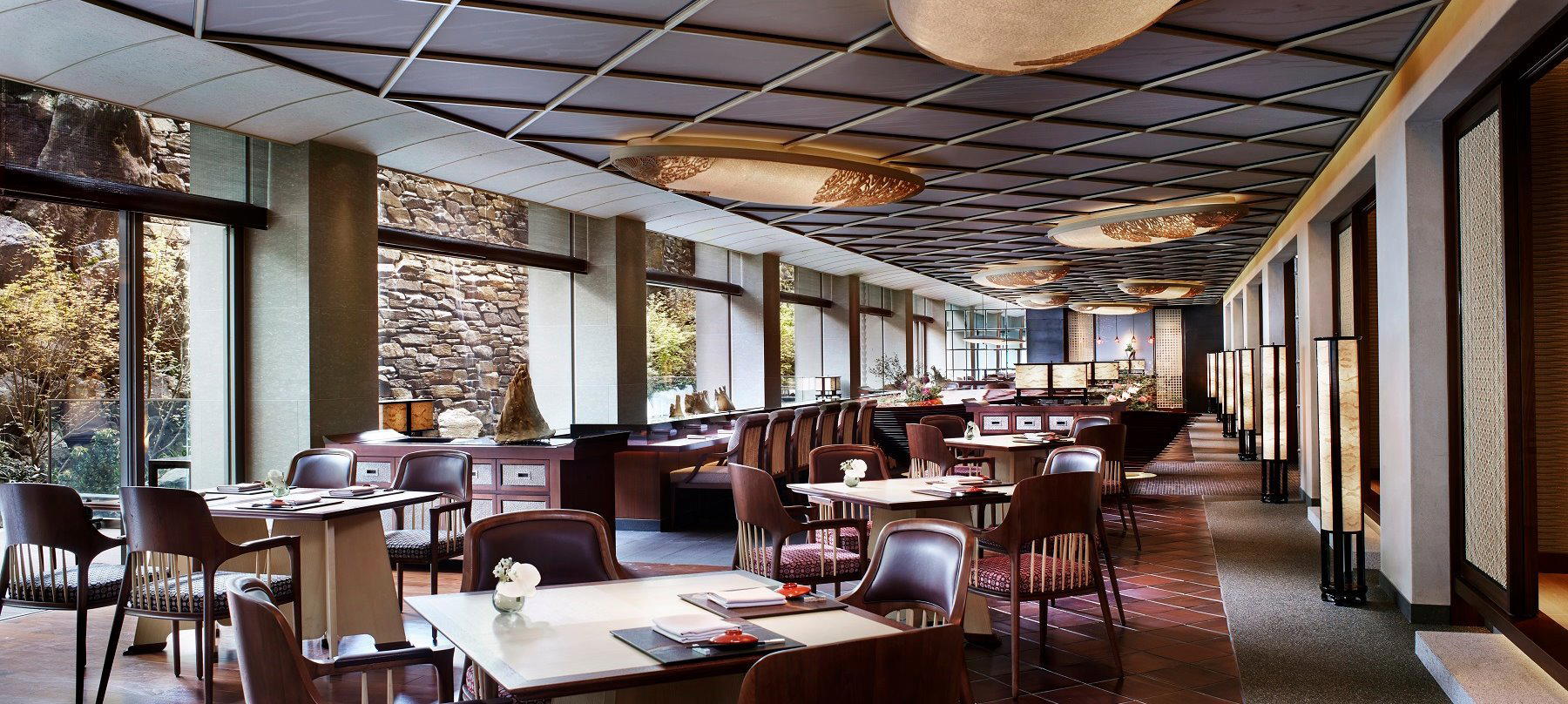
Modern Japanese design with lively patterns, graphic murals, colorful furnishings, and natural elements evoking serene cultural heritage and scenic surroundings.