

A six-seat French counter in Toyohashi, Aichi, aru has earned consecutive Tabelog Bronze Awards (2025, 2026) and two selections for Tabelog French EAST 100, with a Tabelog score of 4.17. Dinner runs JPY 20,000–29,999, lunch JPY 15,000–19,999. The kitchen centres on seasonal produce from the Higashi-Mikawa region, paired with a wine list that leans toward Japanese labels.
Pearl is the En Primeur Club membership app — saves, bookings, and concierge access live there. Same editors, same standards.
- Address
- Japan, 〒440-0881 Aichi, Toyohashi, Hirokoji, 2 Chome−28 吉田ビル 2F
- Phone
- +81 532-54-5518
- Website
- aru-restaurant.jp
- Directions
- Get directions
 Saves & bookings on Pearl
A Six-Seat Counter in the Shadow of Toyohashi Station
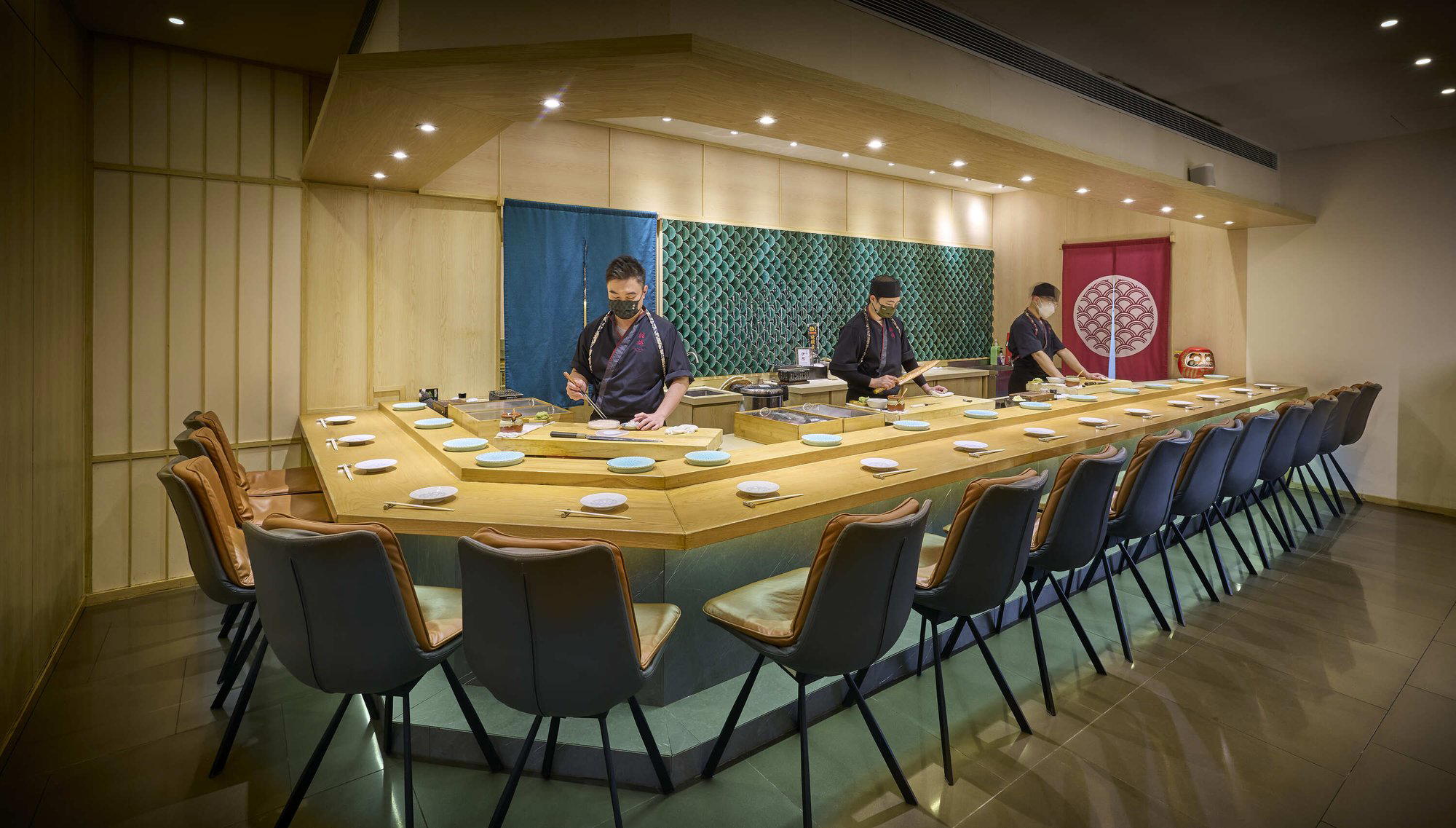
Toyohashi is not a city that draws much culinary tourism from outside Aichi Prefecture. Sitting roughly halfway along the Tokaido Shinkansen corridor between Nagoya and Shizuoka, it functions primarily as a transit point, which makes the quiet persistence of a reservation-only French counter on the second floor of the Yoshida Building all the more telling. aru occupies six seats above the Ekimae O Dori, a short walk from Toyohashi Station, and the format is deliberately contained: both lunch and dinner begin at a set time, doors open a few minutes before service, and the kitchen works through a single course structure rooted in what is growing in the Higashi-Mikawa basin that season.
This kind of micro-format French dining has become a coherent movement across regional Japan. Where Tokyo consolidates prestige through Michelin density and name recognition, cities like Toyohashi have developed a different logic: small counters, high-precision seasonal sourcing, and a French technical framework applied to hyper-local ingredients. The results often operate in near-anonymity outside the prefecture, recognised mainly through Tabelog scores and peer-category awards rather than international guides. aru is a clear example of that pattern, holding a Tabelog score of 4.17 and consecutive Bronze Awards in 2025 and 2026, alongside two selections for the Tabelog French EAST 100 in 2023 and 2025.
French Technique, Higashi-Mikawa Seasonality
The cultural tension inside Japanese regional French cuisine is worth understanding before arriving anywhere like aru. French gastronomy arrived in Japan in the late 19th century as part of a broader Meiji-era absorption of Western techniques, but its deepest expression in modern Japan is not imitation — it is adaptation. The kaiseki tradition of reading the season, selecting ingredients at their exact moment of ripeness, and constructing a meal as a temporal sequence rather than a collection of dishes has profoundly shaped how Japanese French kitchens operate. At six seats, aru operates closer to the kaiseki counter model than to a conventional French restaurant; the seasonal dimension is structural, not decorative.
The kitchen's emphasis on fresh vegetables and fruits from Higashi-Mikawa places it within a broader Japanese valorisation of terroir that predates the European natural wine movement by centuries. Aichi Prefecture produces a range of agricultural output, and the Higashi-Mikawa sub-region, which encompasses Toyohashi and its surrounds, has a distinct identity from the more industrialised western part of the prefecture around Nagoya. That geographic specificity matters: the menu at a counter like this is, in effect, a seasonal argument about place. Reservations carry an advisory note that if specific seasonal items are unavailable, guests are encouraged to rebook for a different time, which signals how seriously the kitchen treats the calendar.
Wine program reinforces the same editorial logic. The list includes Japanese wine alongside European selections, and the program is described explicitly as wine-focused, with a sommelier on the floor. Japanese domestic wine has matured considerably since the early 2000s, with Nagano and Yamanashi leading in quality production, and the growing number of fine dining counters in Japan that anchor their wine programs around domestic labels reflects a broader recalibration of what counts as appropriate pairing in a Japanese context. Sake is also available, which is unsurprising given the cultural context but worth noting given that many French-category restaurants in Japan still default to a predominantly European list.
Where aru Sits in the Regional French Picture
Aichi Prefecture has produced a cluster of recognised French and European-leaning restaurants in recent years. Within the EP Club Aichi portfolio, venues like Amaki, Fujisawa, GapricE, HIRO NAGOYA, and Hirovanna occupy different positions across the prefecture's dining spectrum.
The comparison with national-level French counters is instructive. akordu in Nara applies European technique to Yamato ingredients within a similarly regionalist framework. aru's scoring and award set position it in the same broad tradition — French discipline applied through a Japanese seasonal and local lens, but within the specific context of the Tokai region rather than the Kansai or Tokyo circuits that attract most international attention. For those interested in tracking that movement outside the major cities, Toyohashi is not an obvious destination, which is precisely what makes the counter worth understanding.
For a broader picture of French and European fine dining trajectories in Japan, counters like Harutaka in Tokyo, Gion Sasaki in Kyoto, Goh in Fukuoka, and 1000 in Yokohama each represent a distinct regional approach to the same fundamental question: what does French cooking mean when applied to Japanese ingredients, seasons, and hospitality conventions? The precision-ingredient approach at venues like Le Bernardin in New York City or the Korean-French synthesis at Atomix in New York City points to how this tension between technique and terroir plays out globally, but Japan's version of that conversation has its own grammar, and aru speaks it in a regional dialect.
Planning a Visit
aru is reservation-only, and online bookings are accepted through the restaurant's website at aru-restaurant.jp around the clock. Phone reservations are noted as difficult to complete during service hours. The restaurant opened in December 2017 and operates Tuesday through Saturday, closing on Sundays and at irregular intervals, so confirming the specific date before travel is advisable. Lunch service runs from midday with last orders at noon; dinner begins at 18:30 with last orders at 18:30, and both services open their doors a few minutes before the set start time. Arriving at least five minutes early is specified by the restaurant as a condition of the format.
Dinner averages JPY 20,000–29,999 and lunch JPY 15,000–19,999, plus a five percent service charge. Major credit cards are accepted (Visa, Mastercard, JCB, American Express, Diners Club), but electronic money and QR code payments are not. The six-seat counter is entirely non-smoking, and no private rooms are available. Coin parking lots are located nearby, though the restaurant does not validate tickets. The Yoshida Building is approximately a six-minute walk from Toyohashi Station, which sits on both the JR Tokaido Main Line and the Shinkansen network, making it accessible from Nagoya in roughly 30 minutes by express rail.
For broader trip planning around the prefecture, see our full Aichi restaurants guide, our full Aichi hotels guide, our full Aichi bars guide, our full Aichi wineries guide, and our full Aichi experiences guide.
Booking and Cost Snapshot
Comparable venues nearby, for context on price, style, and recognition.
| Venue | Cuisine | Price | Notes |
|---|---|---|---|
| aruThis venue — the venue you are viewing | Not listed | $$$$ | Not listed |
| Mas de Lavande | Naka, Classic French Fine Dining | $$$$ | Not listed |
| Izumo | Not listed | $$$$ | Hisaya Odori, Japanese Cuisine with Aged Meat |
| Setsugekka Tanaka Satoru | Sakae, Modern Japanese Yakiniku | $$$$ | Not listed |
| Mutsuki | Taketoyo-cho, Chita-gun, Edomae Sushi | $$$$ | Not listed |
| Yoshii | Naka Ward, Aichi Seasonal Omakase | $$$$ | Not listed |
Recognition history
Dated appearances from independent guides and award organizations, with the underlying list record or original source where available.
Tabelog Bronze #27
Tabelog
Tabelog Bronze
Tabelog
Tabelog 100 #80 · No. 80
Tabelog · Tabelog 100 - French - EAST - 2025
We're Smart World 2 Radishes
We're Smart World
At a Glance
- Relaxed
- Elegant
- Intimate
- Cozy
- Special Occasion
- Open Kitchen
- Sake Program
- Local Sourcing
Current opening hours
- Monday
- 12–1 p.m., 6–8 p.m.
- Tuesday
- 12–1 p.m., 6–8 p.m.
- Wednesday
- 12–1 p.m., 6–8 p.m.
- Thursday
- 12–1 p.m., 6–8 p.m.
- Friday
- 12–1 p.m., 6–8 p.m.
- Saturday
- 12–1 p.m., 6–8 p.m.
- Sunday
- Closed
Hours can change for holidays and private events. Last verified .
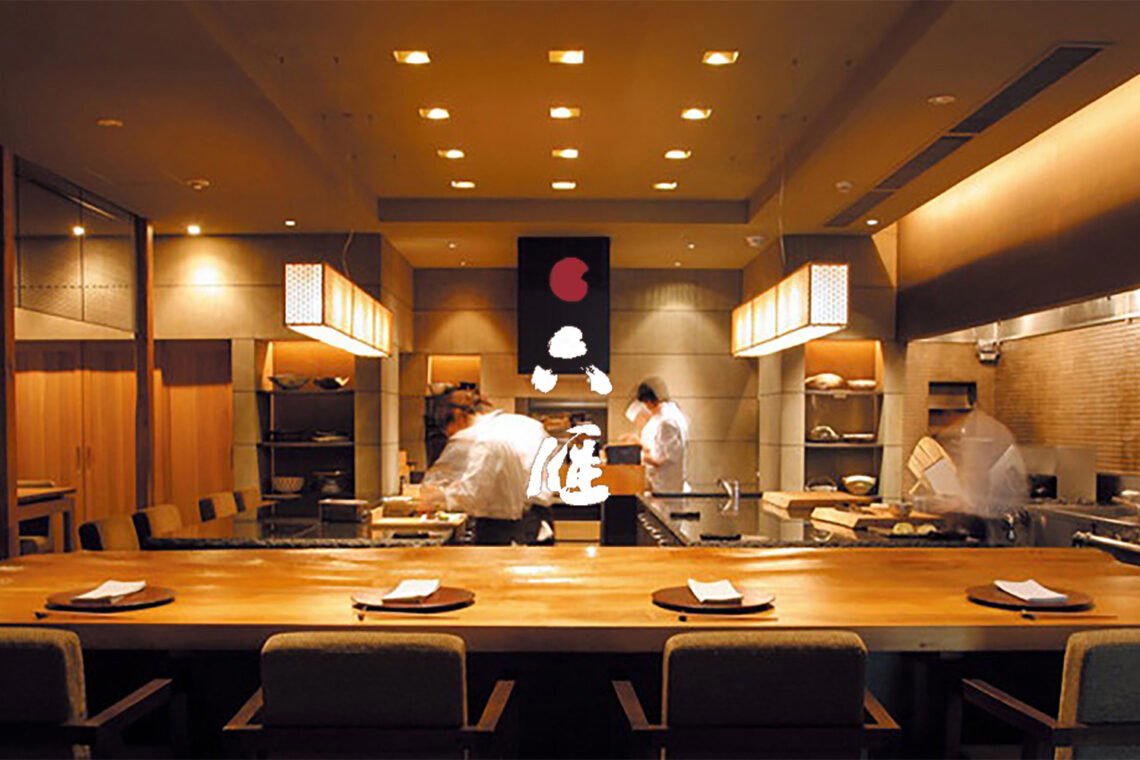
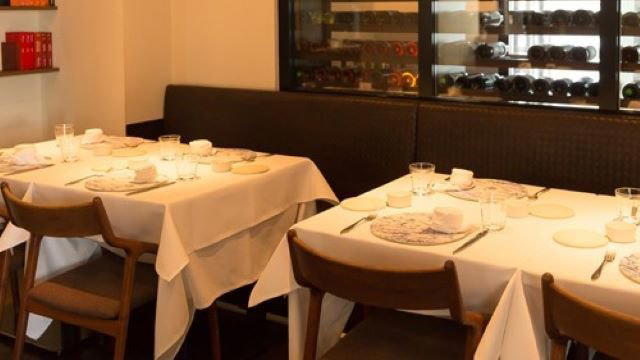
Calm space warmed by light bulbs and seasonal flowers.
Know Before You Go
- Getting there
- Japan, 〒440-0881 Aichi, Toyohashi, Hirokoji, 2 Chome−28 吉田ビル 2F