
Tabelog 100 #3
Our verdict
Atsuta Houraiken Honten belongs to Nagoya’s serious unagi culture, where hitsumabushi is not a side note but the organizing principle of the meal. Its Tabelog 100 - Unagi - 2024 selection, 180-seat scale, take-out option, private-room structure, and repeated unagi recognition make it a useful lens on how a regional specialty becomes a full dining format rather than a single dish.

Pearl is the En Primeur Club membership app, where members save venues, book tables and use the concierge.
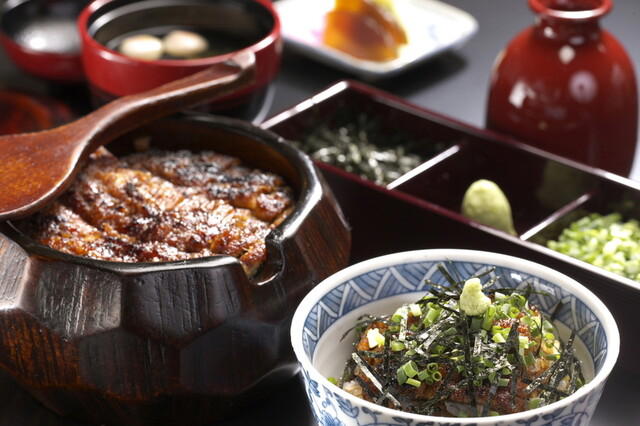
The approach to a serious Nagoya unagi house has a different tempo from the city’s ramen counters and commuter-station lunch rooms. The room is built for pause: tatami seating, private-room possibilities, family tables, and the hush around eel treated as a sequenced meal rather than a quick bowl. At Atsuta Houraiken Honten, variety is not the point. The menu architecture declares that hitsumabushi can carry an entire restaurant.
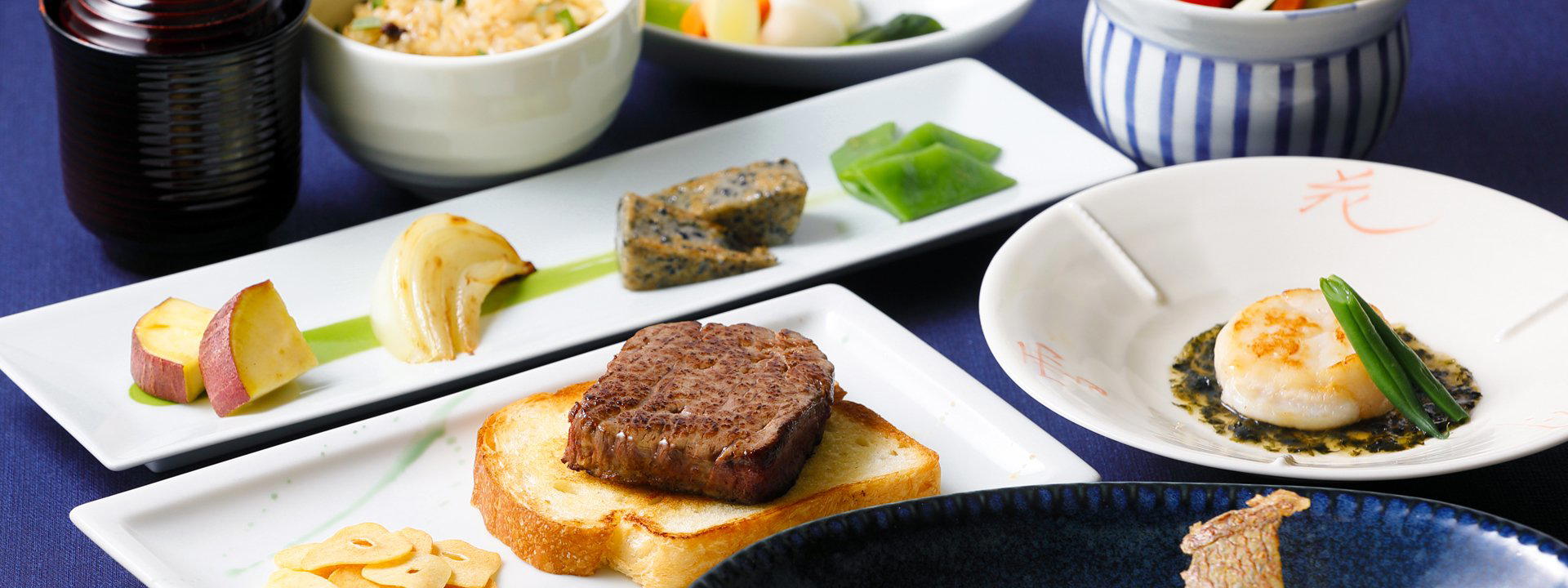
Nagoya’s food identity is often reduced to miso katsu, kishimen, tebasaki, and coffee-shop breakfasts, but unagi occupies a more ceremonial lane. Hitsumabushi, the city’s chopped grilled eel over rice, works by progression: first eaten as it comes, then adjusted with condiments, then finished with broth or tea. That structure turns a rice dish into a calibrated sequence and explains why a specialist unagi house reads differently from a general Japanese restaurant. The kitchen is not chasing breadth; it asks diners to notice repetition, heat, rice, sauce, and pacing.
Hitsumabushi as a menu system, not a single order
The format’s strength is discipline. Unagi restaurants in Japan often divide between everyday bowls, formal courses, and regional institutions where eel anchors the visit. Atsuta Houraiken Honten sits in the latter category, with categories listed as Unagi, Japanese Cuisine, and Seafood, yet the center of gravity is clear. The take-out listing broadens the format without changing the hierarchy: this remains an eel-led house first, with other Japanese-restaurant signals arranged around that core.
That clarity separates it from lower-ticket Nagoya meals in the same metro area. China Soba Kitagawa and Atsuta Miso Ramen Buriyu occupy the quick, narrow-format lane, where the meal is built for speed and single-bowl satisfaction. Atsuta Houraiken Jingu ten, a related comparison in Nagoya’s unagi bracket, sits closer in price and intent. The distinction helps travelers: Nagoya’s dining range is not a ladder from cheap to expensive but a set of formats, each with its own rhythm. Ramen compresses. Hitsumabushi unfolds.
Tabelog’s Unagi “Tabelog 100” selection in 2024 gives this address a concrete trust signal in a category where local reputation can be hard for visitors to parse. The same recognition appears in earlier cycles, including 2022, 2019, and 2018, which matters more than a passing social-media surge. Unagi is competitive, built on long memory, repeat custom, and narrow technical judgment. A 3.71 Tabelog score is not a universal verdict, but it indicates sustained attention in a genre where diners compare specialists across prefectures.
Atsuta's unagi tradition suits groups as much as specialists
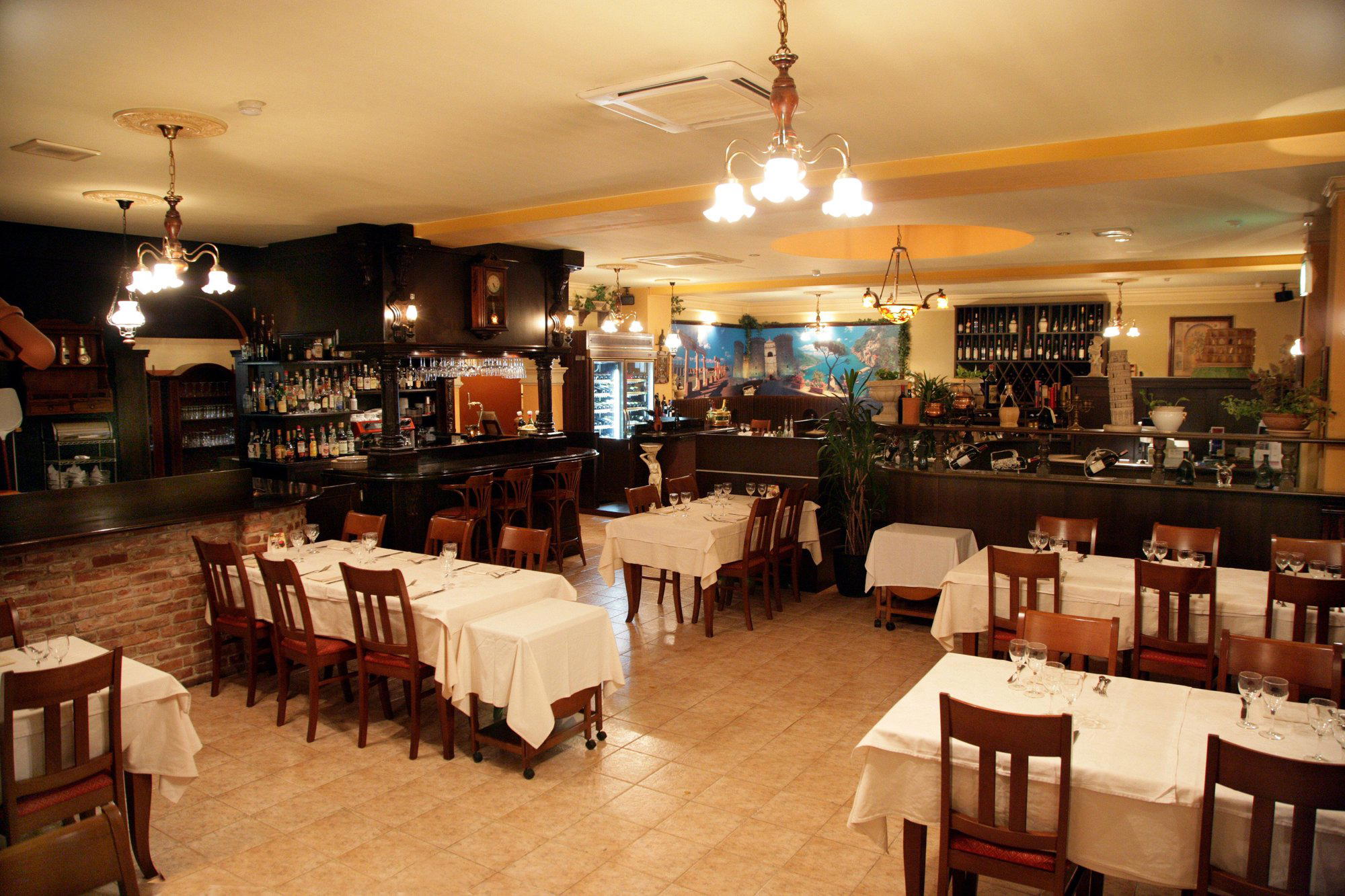
The physical format changes the audience. With 180 seats, private rooms for certain reserved kaiseki use, a children’s menu, and family-friendly guidance, this is not the tiny counter model that shapes many foreign travelers’ idea of Japanese specialist dining. It is closer to a regional institution able to absorb multigenerational meals, shrine-area day plans, and visitors who want Nagoya’s eel culture without making dinner a performance of scarcity.
Scale should not be mistaken for looseness. Large Japanese specialty restaurants can be revealing because they show how a dish functions socially. Hitsumabushi is not only about the grill; rice, condiments, broth, and serving rhythm let different diners control the meal while staying inside the shared format. The drink listing of sake, shochu, and wine places the meal between everyday comfort and formal occasion. It is not a tasting-menu argument, but a regional grammar with room for children, friends, private rooms, and take-out.
For a Nagoya itinerary, the better question is not whether this is “worth it” alone, but what role it plays. Pairing an unagi meal here with a separate ramen stop such as Ebi Soba Hiiro or a local miso-focused address gives a clearer view of the city than stacking only premium meals. For broader planning, Our full Nagoya restaurants guide is the natural starting point, while Our full Nagoya hotels guide, Our full Nagoya bars guide, Our full Nagoya wineries guide, and Our full Nagoya experiences guide frame the wider trip.
How to read it against Japan's specialist-restaurant map
Japan rewards category fluency. A traveler who understands the difference between an eel house, a curry counter, a sake bar, a beef sukiyaki room, and a charcoal izakaya will make better choices than one chasing a single universal hierarchy. Atsuta Houraiken Honten is useful editorially because it clarifies Nagoya’s place in a national dining map where regional dishes often carry more meaning than chef-led novelty.
Useful comparisons sit across formats rather than direct rivals. A beef-focused meal such as -Grilled beef Sukiyaki- KAMAKURA TANUKIAN 鎌倉 たぬき庵 in Kamakura uses a different ritual of heat and sauce. . 鮪と炭火焼き うお炭 秋葉原店 in Tokyo points toward seafood and charcoal in a capital-city setting. [Curry Senmon Ten] Maruyama Kyoju. in Sapporo shows how a narrow specialty can define a meal through spice rather than sequence, while (Shoku) Vietnam in Kawasaki shifts the lens to diasporic cooking inside Japan.
International Japanese-adjacent references sharpen the point. Jōdo Saké Bar in Los Angeles reads Japanese drinking culture through California hospitality, and Onigiri Time in Pasadena turns a compact rice format into a casual American setting. Inside Japan.cafe in Osaka and.know in Kumamoto show how punctuation-mark minimalism and city café culture produce a different contemporary dining signal. None substitute for Nagoya unagi; they are coordinates explaining why a focused eel meal has its own logic.
The same applies to broader Japan and regional curation. Readers comparing named addresses such as 1022, 451, Aaron, Alan. and All Day Dining Montmartre should resist flattening them into a single ranking impulse. Atsuta Houraiken Honten belongs to the category where the decision is about cuisine, format, and regional fluency. Go for the architecture of hitsumabushi: a dish designed to change across the meal without leaving its central premise.
Frequently asked questions
What's the address for Atsuta Houraiken Honten?
Atsuta Houraiken Honten is located in Nagoya.
What's the price range at Atsuta Houraiken Honten?
Pricing at Atsuta Houraiken Honten is listed as JPY 5,000 - JPY 5,999 JPY 4,000 - JPY 4,999.
Is Atsuta Houraiken Honten open every day?
Hours at Atsuta Houraiken Honten: Mon: 11:30 AM–2 PM, 4:30–8:30 PM; Tue: 11:30 AM–2 PM, 4:30–8:30 PM; Wed: Closed; Thu: Closed; Fri: 11:30 AM–2 PM, 4:30–8:30 PM; Sat: 11:30 AM–2 PM, 4:30–8:30 PM; Sun: 11:30 AM–2 PM, 4:30–8:30 PM.
What makes Atsuta Houraiken Honten worth seeking out?
It carries Tabelog 100 Unagi 2024 recognition and has preserved hitsumabushi for more than 150 years, according to the listing. The scale matters too: 180 seats, private rooms for certain kaiseki use, and a house-restaurant setting at 503 Godocho in Nagoya.
Is Atsuta Houraiken Honten allergy-friendly?
The published details confirm unagi, Japanese cuisine, and seafood, plus a non-smoking dining room and take-out service. They do not spell out allergen handling, so diners with strict allergies should use the website or the listed address in Nagoya to confirm before ordering.
Can I bring kids to Atsuta Houraiken Honten?
Yes. The listing says children are welcome, including babies, preschoolers, and school-age children, and it also notes a kids’ menu. That makes it a practical choice for families eating unagi in Nagoya.
Nearby-ish Comparables
Comparable venues at the same tier for side-by-side context.
| Venue | Cuisine | Price | Awards | Notes |
|---|---|---|---|---|
| Atsuta Houraiken HontenThis venue (the venue you are viewing) | Traditional Japanese Eel (Hitsumabushi) | $30–50 | Tabelog 100 #3 | Not listed |
| Atsuta Houraiken Jingu ten | Traditional Nagoya eel (hitsumabushi) & kaiseki | $30–50 | Tabelog 100 #41 | JPY 4,000 - JPY 4,999 JPY 4,000 - JPY 4,999 |
| China Soba Kitagawa | Ramen & wonton shop | Not listed | Tabelog 100 #93 | JPY 999 |
| Atsuta Miso Ramen Buriyu | Japanese Ramen | $1–10 | Tabelog 100 #31 | JPY 1,000 - JPY 1,999 JPY 1,000 - JPY 1,999 |
| Dote no Shinagawa | Not listed | Not listed | Not listed | JPY 1,000 - JPY 1,999 View spending breakdown |
| Ebi Soba Hiiro | Shrimp-focused Ramen | $10–20 | Tabelog 100 #15 | JPY 1,000 - JPY 1,999 JPY 1,000 - JPY 1,999 |
Recognition history
Dated appearances from independent guides and award organizations, with the underlying list record or original source where available.
Tabelog 100 #3 · No. 3
Tabelog · Tabelog 100 - Unagi - 2024
Continue exploring
More in Nagoya
Restaurants in Nagoya
All restaurants in Nagoya →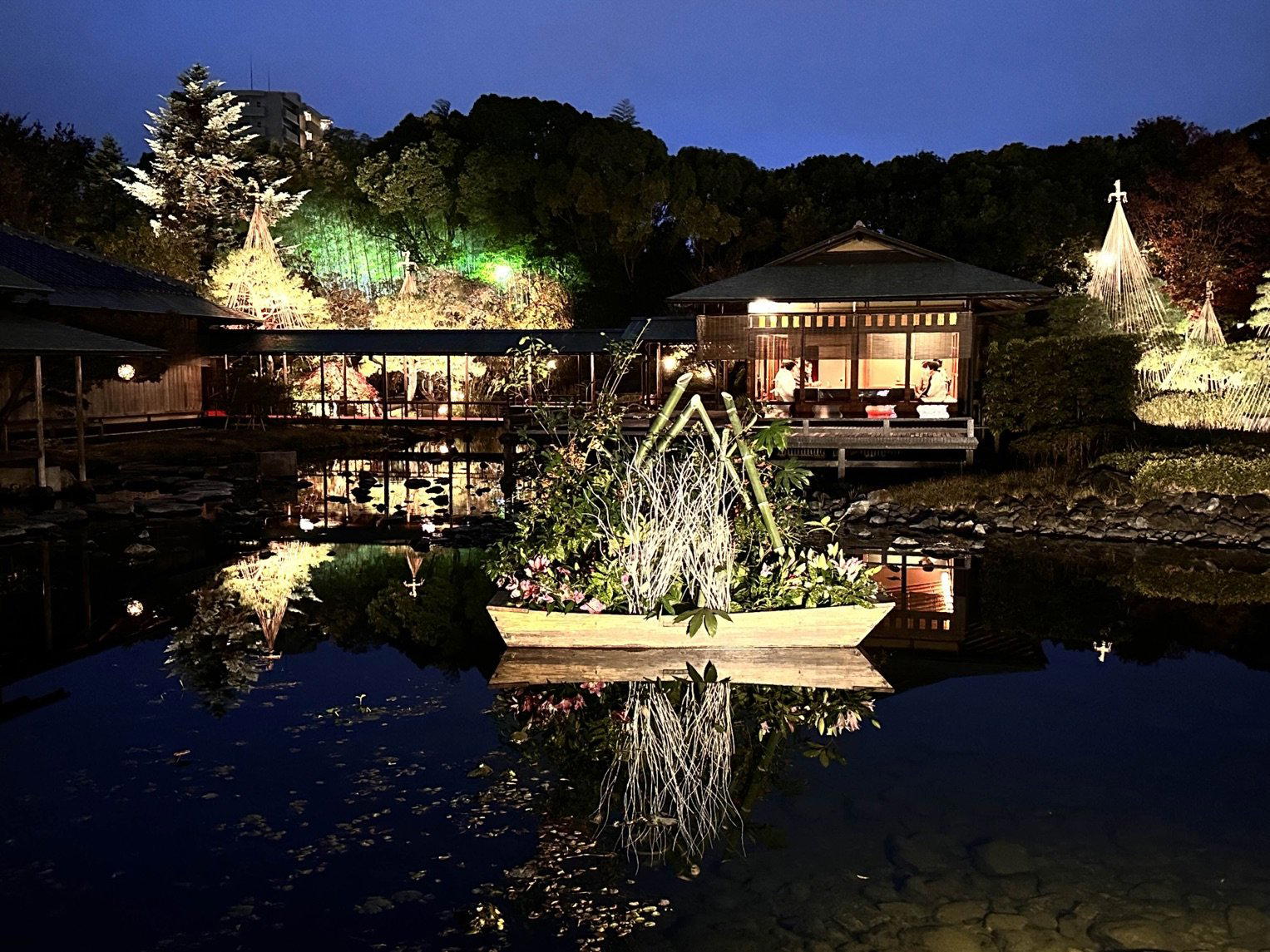
Details
- Classic
- Well Known
- Sophisticated
- Cozy
- Family
- Group Dining
- Special Occasion
- Business Dinner
- Historic Building
- Standalone
- Sake Program
- Beer Program
- Local Sourcing
- A La Carte
- Set Menu
- Prix Fixe
- Sake
- Beer
- Pescatarian Friendly
Current opening hours
- Monday
- 11:30 AM–2 PM, 4:30–8:30 PM
- Tuesday
- 11:30 AM–2 PM, 4:30–8:30 PM
- Wednesday
- Closed
- Thursday
- Closed
- Friday
- 11:30 AM–2 PM, 4:30–8:30 PM
- Saturday
- 11:30 AM–2 PM, 4:30–8:30 PM
- Sunday
- 11:30 AM–2 PM, 4:30–8:30 PM
Hours can change for holidays and private events. Last verified .
A long-established, classic Japanese restaurant atmosphere that feels traditional and welcoming, suited to leisurely eel-focused meals and group gatherings.