La Blanche occupies a considered position within Tokyo's French dining scene, operating from Shibuya's 2-chome address where the convergence of European technique and Japanese ingredient sensibility has long defined the city's most serious Western kitchens. The restaurant sits in a tier of French dining that treats Tokyo not as a transplant city but as a source of culinary dialogue in its own right.
Pearl is the En Primeur Club membership app — saves, bookings, and concierge access live there. Same editors, same standards.
- Address
- 2 Chome-3-1 Shibuya, Tokyo 150-0002, Japan
- Phone
- +81334990824
- Directions
- Get directions
 Saves & bookings on Pearl
French Cooking in Tokyo: A Tradition with Its Own Logic
Tokyo's relationship with French cuisine runs deeper than most cities outside France itself. The city holds more Michelin-starred French restaurants than several European capitals, and that density is not accidental. From the 1960s onward, Japanese chefs trained in Paris and Lyon, absorbed classical technique, and returned to apply it against an entirely different larder: sea urchin from Hokkaido, wagyu from Kagoshima, seasonal vegetables grown to specification by farmers who treat produce as a professional discipline. The result, across decades, has been a distinct Tokyo French idiom that neither imitates its source nor abandons it.
ラ・ブランシュ (La Blanche) sits inside that tradition, located at 2 Chome-3-1 Shibuya, a Shibuya address that places it within walking distance of the ward's quieter residential and commercial pockets where serious dining rooms have historically preferred to operate, away from the station's commercial intensity. Shibuya's dining geography has always been more layered than its retail reputation suggests, and the 2-chome corridor in particular has housed restaurants that prioritise repeat clientele over passing trade.
Where La Blanche Sits in Tokyo's French Tier
Tokyo's French dining scene has stratified considerably over the past fifteen years. At the upper end, counters and formal dining rooms with Michelin recognition compete on the precision of their sourcing and the depth of their wine programs. L'Effervescence and Sézanne represent the tier that has attracted sustained international attention, each operating a tasting menu format with strong wine pairings and reservations that fill months in advance. Crony occupies a slightly more informal register within the French-influenced category, appealing to a younger clientele while maintaining technical seriousness. La Blanche operates in this company, in a city where French cooking is treated as a genuine local tradition rather than an imported novelty.
That competitive density matters for understanding what any serious French kitchen in Tokyo must do to maintain relevance. The standard is not set by the easiest comparators but by rooms that have invested in the full architecture of fine dining: sourcing relationships with Japanese producers, wine cellars built over years, and front-of-house discipline that reads as natural rather than theatrical. The bar is structural, not aspirational.
The Cultural Grammar of Japanese-French Cuisine
Understanding what makes Tokyo's French kitchens distinct from their European counterparts requires attention to the ingredient logic they operate under. Japanese culinary culture places notable emphasis on seasonality, not as a marketing term but as a structural discipline. Chefs in the French tradition working in Tokyo engage with the same seasonal rhythm that governs kaiseki: spring brings bamboo shoots and cherry blossom-period delicacies; summer turns to ayu sweetfish and fresh soba; autumn is defined by matsutake mushrooms and the new persimmon harvest. This calendar pressure shapes menus in ways that classical French cooking, with its year-round cellar and imported ingredient assumptions, does not always account for.
The Tokyo French kitchen, at its most coherent, treats this seasonal constraint not as a limitation but as a creative framework. Techniques from the classical repertoire, reductions, emulsions, gentle braises, are applied to ingredients that arrive with a defined window. The result tends toward menus that change substantially across the year, often more so than their Paris equivalents. Visitors planning around a specific season, autumn in particular, when Japanese produce peaks across multiple categories simultaneously, will find the menu proposition most concentrated.
This places La Blanche in a lineage of Tokyo French dining that has always had to answer a different question than its European counterparts: not simply how to execute classical cooking, but how to execute it honestly in a context where the ingredients and the audience bring their own sophisticated frame of reference. Tokyo diners at this price point are often highly informed, having eaten across multiple cities and cuisines, and they read menus with that accumulated context. Rooms that treat the French tradition as a performance for an undiscriminating audience tend not to survive long here.
The Shibuya Dining Context
Shibuya as a dining destination has changed considerably in the past decade. The area around Daikanyama and Nakameguro, within the broader Shibuya ward, has developed into one of Tokyo's more thoughtful dining corridors, with a concentration of independently operated restaurants that draw from the same professional generation as the city's Minami-Aoyama and Ginza scenes. The ward's geography, spread across multiple distinct neighbourhoods each with different commercial characters, means that a Shibuya address can signal different things depending on the specific block. The 2-chome designation, within the Shibuya chome system, points toward the quieter, more residential edge of the ward's central area.
For international visitors, Shibuya's transport connectivity is a practical asset. The ward is one of Tokyo's primary interchange points, with access to the Yamanote Line, the Ginza, Hanzomon, and Fukutoshin subway lines, and the Tokyu private railways. Getting to a 2-chome address from central hotel districts in Shinjuku, Roppongi, or Minami-Aoyama typically involves a single train journey of under fifteen minutes, or a manageable taxi ride. For those building a broader Japan itinerary, the Shibuya corridor connects easily to daytrips or onward travel to Gion Sasaki in Kyoto, HAJIME in Osaka, or akordu in Nara, all operating at comparable levels of seriousness within their respective cuisines.
Placing La Blanche in a Wider Dining Programme
Visitors using La Blanche as part of a Tokyo dining sequence might reasonably pair it with Japanese-format counterparts that address the same seasonal and ingredient logic from a different technical tradition. RyuGin applies kaiseki structure to similar seasonal ingredients with a technical precision that invites direct comparison to French tasting menus. Harutaka operates in the sushi register at comparable price seriousness. Outside Tokyo, Goh in Fukuoka and regional tables such as Nanao, Takashima, and Nishikawa Machi offer a sense of how Japan's serious dining culture extends well beyond the capital. For those with parallel interest in how French-adjacent technical cooking plays out in other cities, Le Bernardin in New York and Atomix represent the transatlantic conversation at its most focused.
Planning Your Visit
Address: 2 Chome-3-1 Shibuya, Tokyo 150-0002. Access: Shibuya Station (Yamanote Line, multiple subway lines) within walking distance. Timing: Autumn is the period when Japanese produce is at its most varied, making it one considered season to visit any Tokyo French kitchen operating on a seasonal menu basis. Budget: Expect about $150 per person. Booking: Reservations are recommended.
A Quick Peer Check
Comparable venues nearby, for context on price, style, and recognition.
| Venue | Cuisine | Price | Notes |
|---|---|---|---|
| ラ・ブランシュThis venue — the venue you are viewing | Old-School French Bistro | $$$$ | Not listed |
| スブリム | Nordic-French Fusion | $$$$ | Minato |
| SOMBREUIL TOKYO | Classic French fine dining in a Tokyo mansion | $$$$ | Chiyoda |
| フィリップ・ミル 東京 | Modern French Fine Dining | $$$$ | Minato |
| モナリザ 丸の内店 | Modern French Fine Dining | $$$$ | Chiyoda |
| EN FACE | French | $$$$ | Chūō |













At a Glance
- Classic
- Elegant
- Intimate
- Cozy
- Date Night
- Special Occasion
- Standalone
- Sake Program
Current opening hours
- Monday
- 12–2 PM, 6–9 PM
- Tuesday
- Closed
- Wednesday
- Closed
- Thursday
- 12–2 PM, 6–9 PM
- Friday
- 12–2 PM, 6–9 PM
- Saturday
- 12–2 PM, 6–9 PM
- Sunday
- 12–2 PM, 6–9 PM
Hours can change for holidays and private events. Last verified .
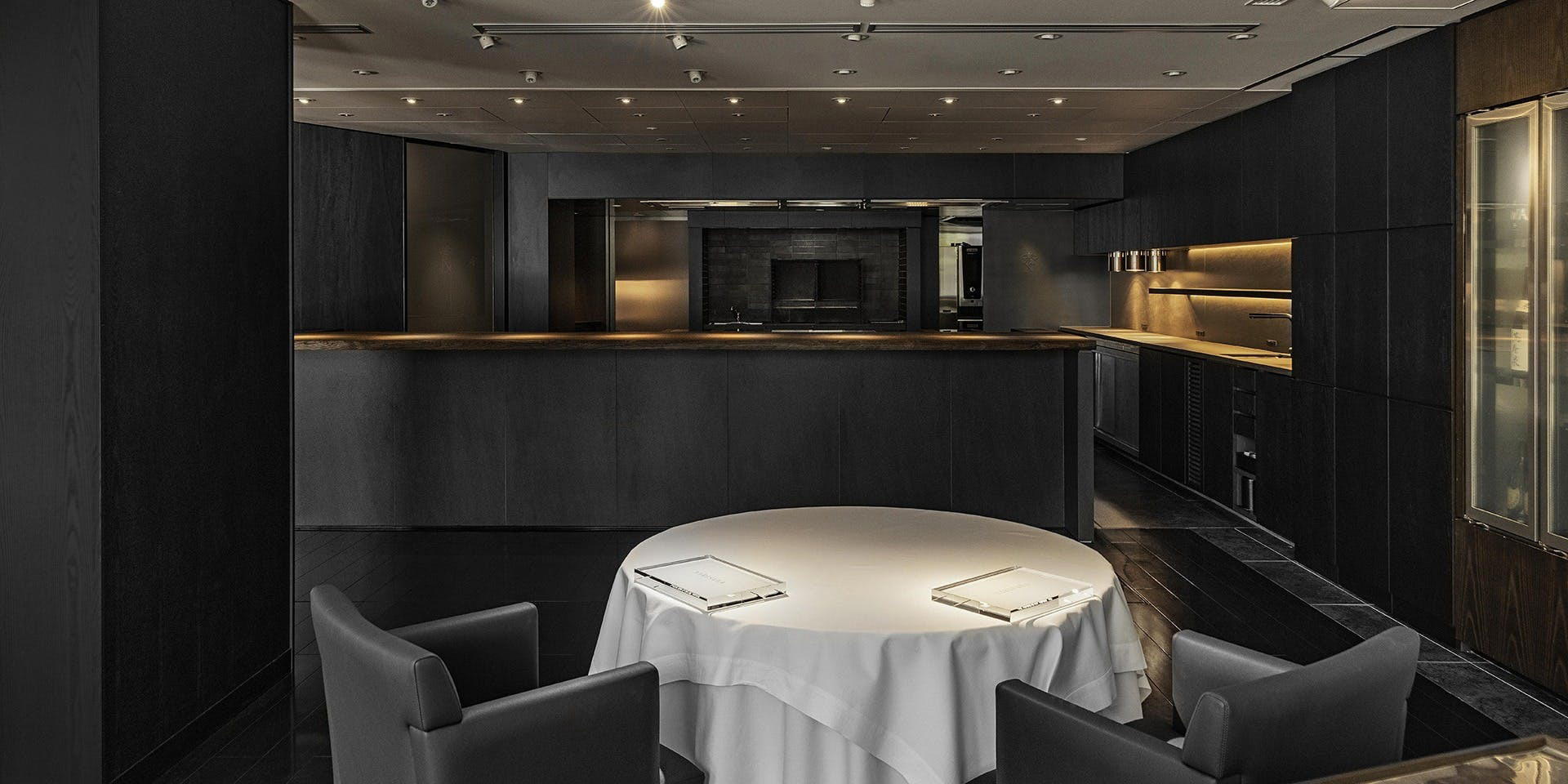
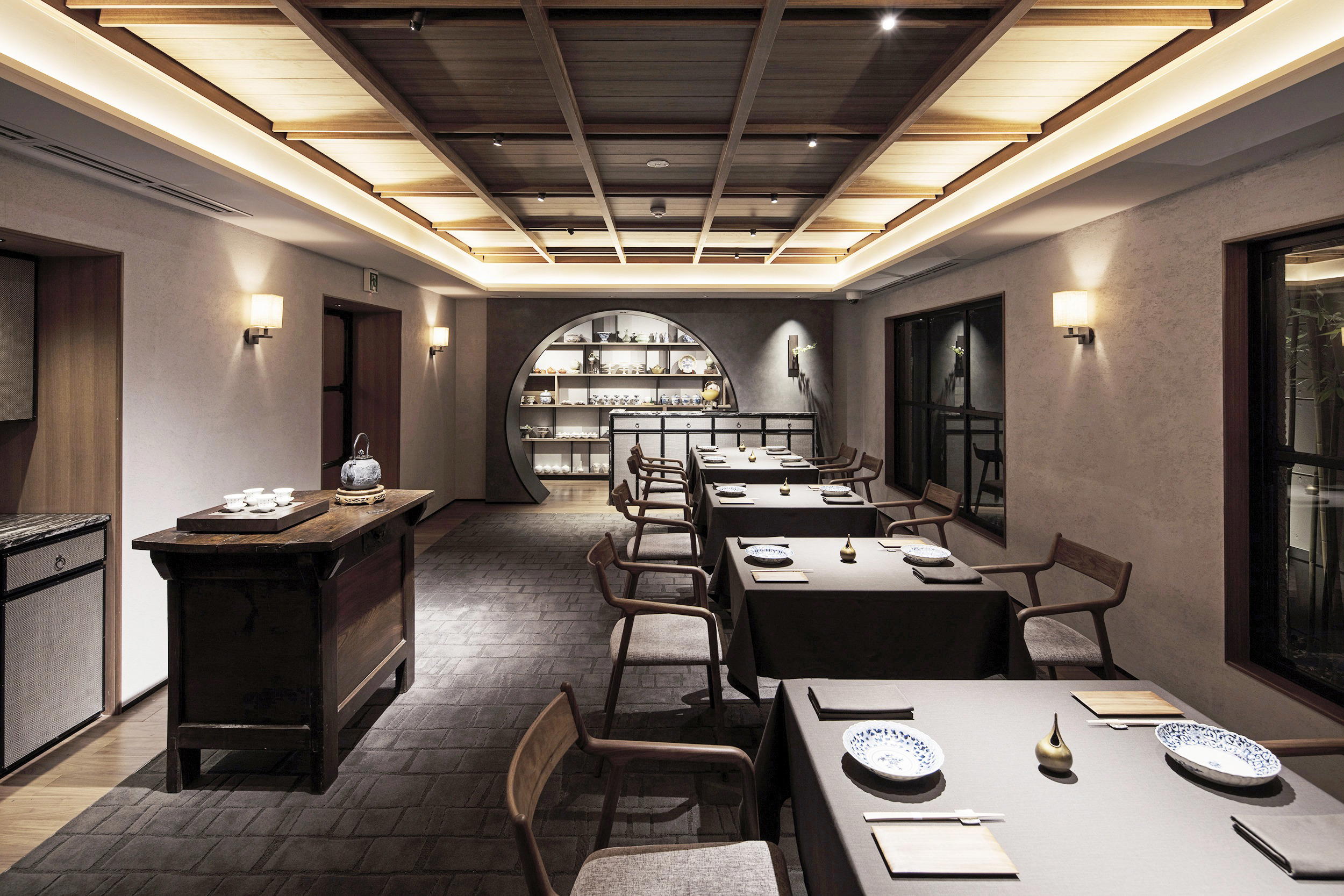
Calm and relaxed atmosphere in a spacious seating arrangement within an intimate 18-seat setting.