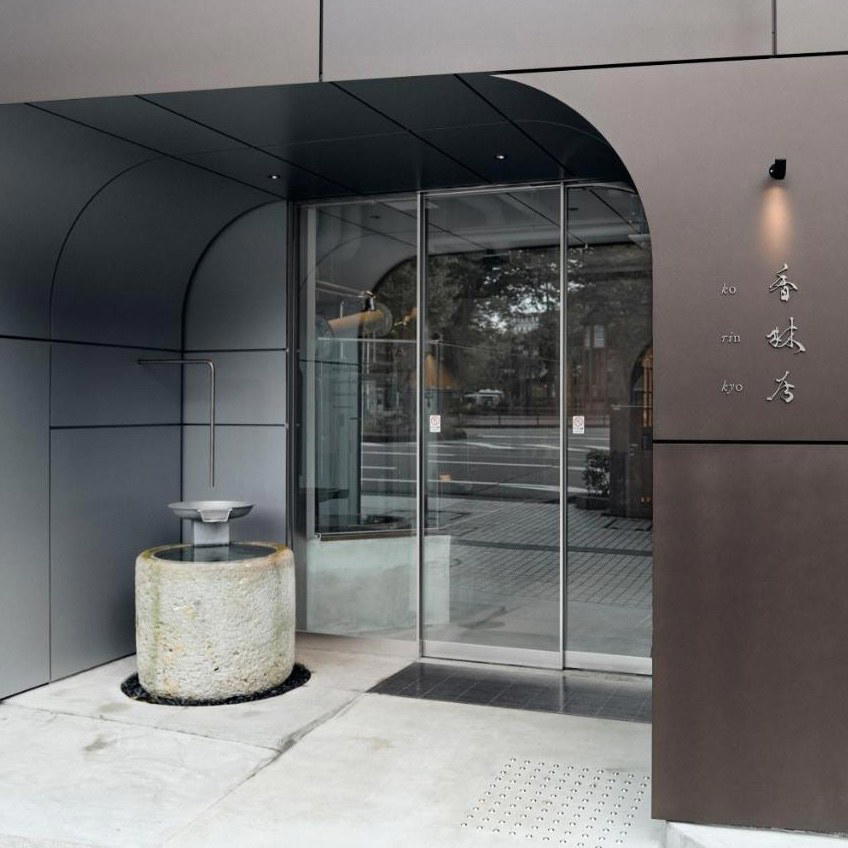
Situated on Namikimachi in central Kanazawa, çæ occupies a quiet address in a city whose dining culture is shaped by proximity to the Sea of Japan and centuries of castle-town provisioning. The venue sits within a local scene that rewards methodical attention and patient booking, where the meal itself functions as a structured ritual rather than a casual stop.
Pearl is the En Primeur Club membership app — saves, bookings, and concierge access live there. Same editors, same standards.
- Address
- 3-36 Namikimachi, Kanazawa, Ishikawa 920-0928, Japan
- Phone
- +81762551446
- Website
- kataori.jp
- Directions
- Get directions
 Saves & bookings on Pearl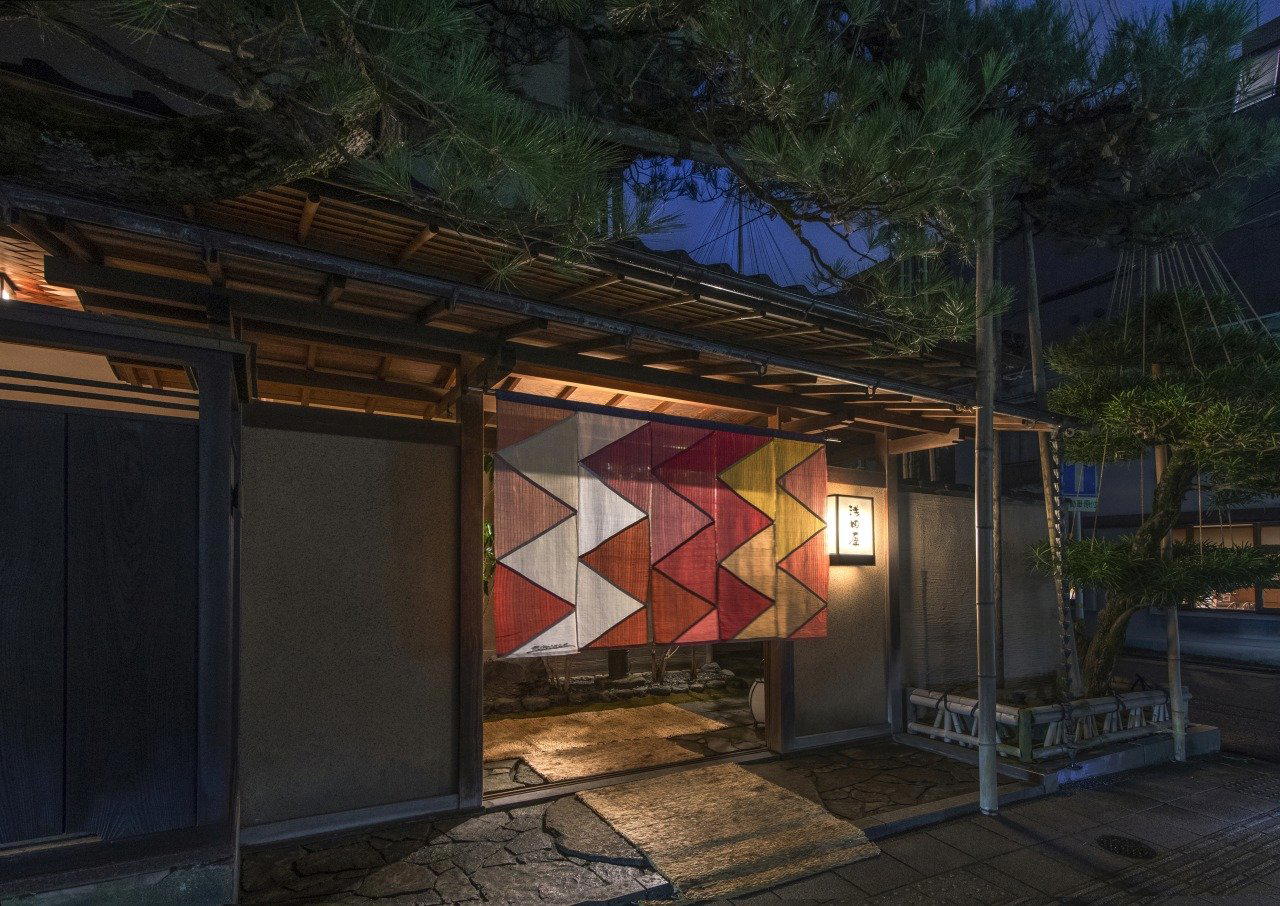
Namikimachi and the Architecture of a Kanazawa Meal
Kanazawa's dining culture is built on a different tempo than Tokyo or Osaka. The city's relative isolation from the Shinkansen network until 2015 preserved a dining culture that larger Japanese cities long ago surrendered to volume tourism and celebrity-chef consolidation. On streets like Namikimachi, where çæ holds its address at 3-36, the surrounding neighbourhood carries the quiet density of a place where eating is approached as a deliberate act. You arrive, the door closes behind you, and the pace of the outside city becomes irrelevant.
That sense of deliberate enclosure is the operative condition for understanding how a meal at a venue of this type functions in Kanazawa. The city's most respected dining addresses, whether kaiseki houses like Dokkan or formal kaiseki rooms like Amanatto Kawamura, share a common grammar: the kitchen sets the terms, and the guest accepts them. There is no à la carte negotiation of pace or sequence. The meal proceeds in the order the kitchen intends, and that order carries meaning.
The Ritual of the Table: Pacing and Etiquette in Kanazawa's Dining Rooms
In a city where the kaiseki tradition runs deep, even venues operating outside that strict format tend to absorb its structural habits. Courses arrive at intervals that reflect kitchen discipline rather than guest impatience. The expectation across Kanazawa's serious dining addresses is that guests arrive on time, engage with the progression of the meal, and allow the kitchen to dictate the rhythm. This is not stiffness; it is a form of respect that runs in both directions.
Kanazawa's proximity to Noto Peninsula ingredients and the cold-water marine produce of the Sea of Japan gives its kitchens a raw material advantage that shapes what appears at the table. Snow crab during winter months, nodoguro (blackthroat seaperch), and locally cultivated vegetables from the Kaga plain form the backbone of serious menus across the city. The dining ritual at venues on the Namikimachi corridor reflects this: course structure often mirrors seasonal availability, with the kitchen's choice of ingredient serving as an implicit calendar marker.
For comparison, Kanazawa's dining scene occupies a position in the wider Hokuriku and Chubu regional hierarchy that places it closer in spirit to Kyoto's tradition-forward dining culture than to Osaka's more exuberant approach. Gion Sasaki in Kyoto and Kanazawa's leading tables share a preference for restraint and seasonal precision over theatrical presentation. The pacing customs that govern those rooms extend, with local variation, to the more intimate dining addresses of streets like Namikimachi.
çæ in the Context of Kanazawa's Dining Tier Structure
Kanazawa's serious dining market splits broadly into three tiers: the established kaiseki houses with generational credentials and formal tatami settings; a middle tier of chef-led rooms that blend Japanese precision with European structural influences (venues like Budoonomori Les Tonnelles occupy this band); and a smaller set of addresses operating with minimal public profile, relying on word-of-mouth and advance reservation systems rather than signage or walk-in trade.
çæ at 3-36 Namikimachi positions itself within this last category by geography and disposition. The address is residential-scale, the kind of street that does not announce itself to passing foot traffic. In Kanazawa's dining context, this is a familiar configuration: some of the city's most considered tables are found at addresses that reward prior knowledge over discovery by chance. The contrast with Hakuichi, which draws visitor traffic through retail as well as dining, clarifies the distinction. Namikimachi operates at a different register of visibility.
Regionally, Kanazawa's dining culture finds peers across Japan's secondary cities: Goh in Fukuoka, akordu in Nara, and affetto akita in Akita each represent the kind of chef-led, city-embedded seriousness that defines Japan's provincial fine dining tier. These venues share a structural logic: they are locally rooted, ingredient-responsive, and resistant to the homogenising pull of major-city dining trends. çæ sits within that peer pattern by address and apparent operating ethos, even where specific menu or format data remains limited in the public record.
What the Address Tells You About the Meal
In Kanazawa, where a meal is going is often signalled by where it is. The Higashi Chaya district concentrates tourist-facing teahouse dining; the area around Omicho Market supplies the informal seafood counters and standing lunch stops. Namikimachi sits outside those tourist-mapped coordinates. This is a neighbourhood where residents eat alongside the occasional informed visitor, and where the absence of English-language signage is not an oversight but a calibration of intended audience.
That calibration matters for how a guest prepares. Kanazawa's more discreet dining rooms typically operate on reservation-only formats, often requiring advance booking by phone or through an intermediary, with limited online booking infrastructure. The assumption embedded in this system is that guests arrive prepared: they know the format, they have made an effort to secure the table, and they come without expectation of extensive menu translation. This is not inhospitality; it is the operating norm for serious tables across Japan's secondary cities, from Aji Arai in Oita to Akakichi in Imabari.
Internationally framed, the model has parallels in chef-table formats like Lazy Bear in San Francisco, where advance commitment and format acceptance are prerequisites rather than preferences, or the protein-focused precision of Le Bernardin in New York City, where the kitchen's structural authority is non-negotiable. In Kanazawa, that authority is reinforced by centuries of culinary tradition rather than contemporary design thinking.
For readers building a serious Kanazawa itinerary, the full picture of the city's dining options is available through our full Kanazawa restaurants guide, which maps the relevant tiers and neighbourhoods in detail. For informal contrast within the city's range, Go! Go! Curry represents the opposite pole: a Kanazawa-originated chain with no booking requirement and a counter format built around volume and speed rather than ritual. The distance between these two poles defines the full span of the city's eating culture.
Planning Your Visit
Approaching çæ requires advance contact and a willingness to accept the kitchen's format without modification. The Namikimachi address at 3-36 in Ishikawa 920-0928 places the venue within central Kanazawa, accessible from the main Kanazawa Station by taxi in under fifteen minutes. Given the booking-forward culture of this tier of Kanazawa dining, arriving without a confirmed reservation is not a viable approach. Other serious tables in the region, from HAJIME in Osaka to Harutaka in Tokyo to Abon in Ashiya, operate by the same logic: the table is yours only once the kitchen has confirmed it, and the meal proceeds on the kitchen's terms from that point forward. Kanazawa rewards that acceptance.
Cuisine Lens
Comparable venues nearby, for context on price, style, and recognition.
| Venue | Cuisine | Price | Notes |
|---|---|---|---|
| 片折This venue — the venue you are viewing | Edomae Omakase | $$$$ | Not listed |
| Sushi Hachiya | Kanazawa Seasonal Sushi | $$$$ | Shimeno Nakamachi |
| かなざわ玉泉邸 | Kaga Kaiseki | $$$$ | Kanazawa |
| Tobi | High-end Kanazawa Sushi Omakase | $$$$ | Kanazawa |
| 割鮮 のむら | Kappo Japanese with Fresh Seafood | $$$ | 泉野出町 |
| Sakai | Kaiseki | $$$$ | Kanazawa |
Continue exploring
More in Kanazawa
Restaurants in Kanazawa
Browse all →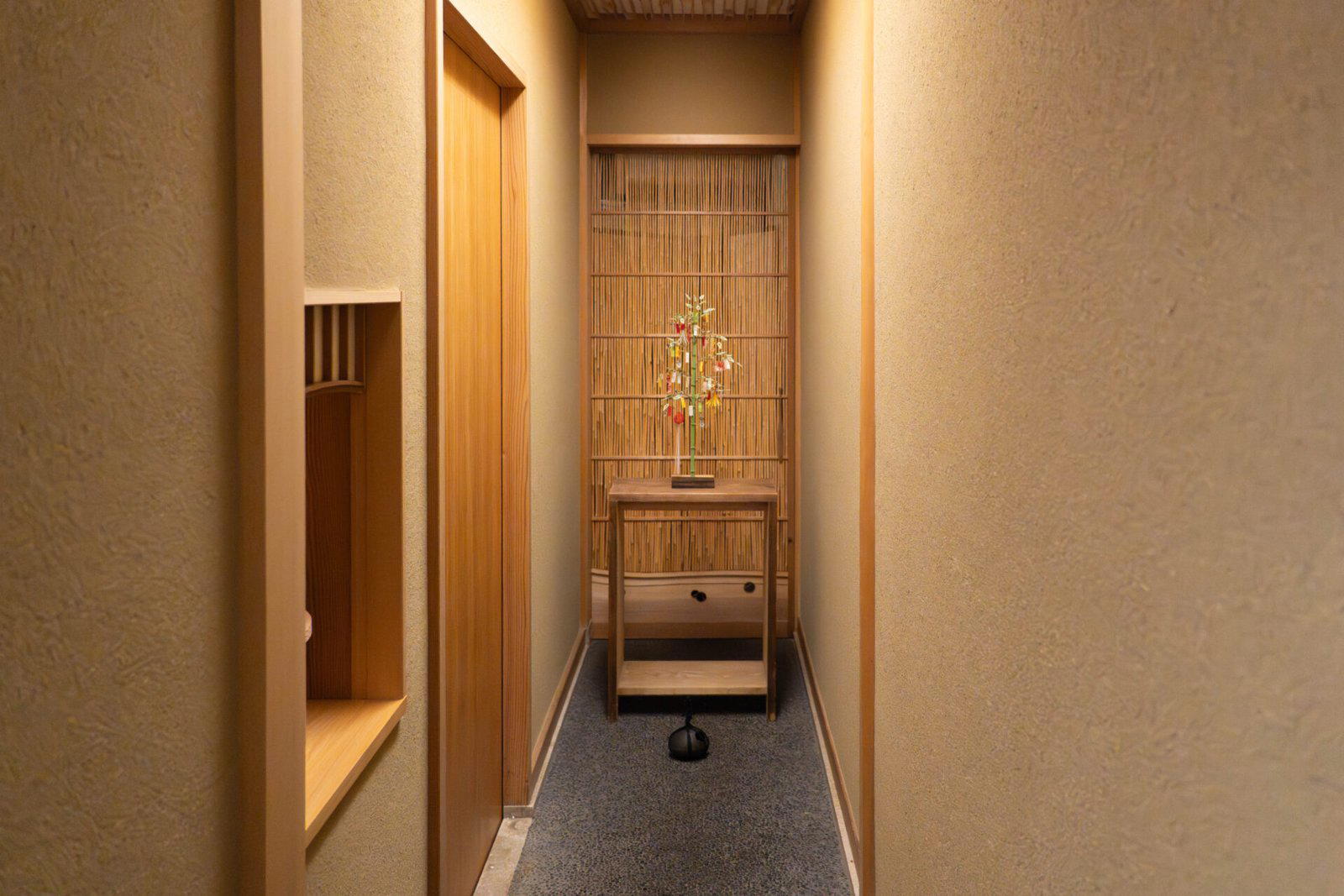
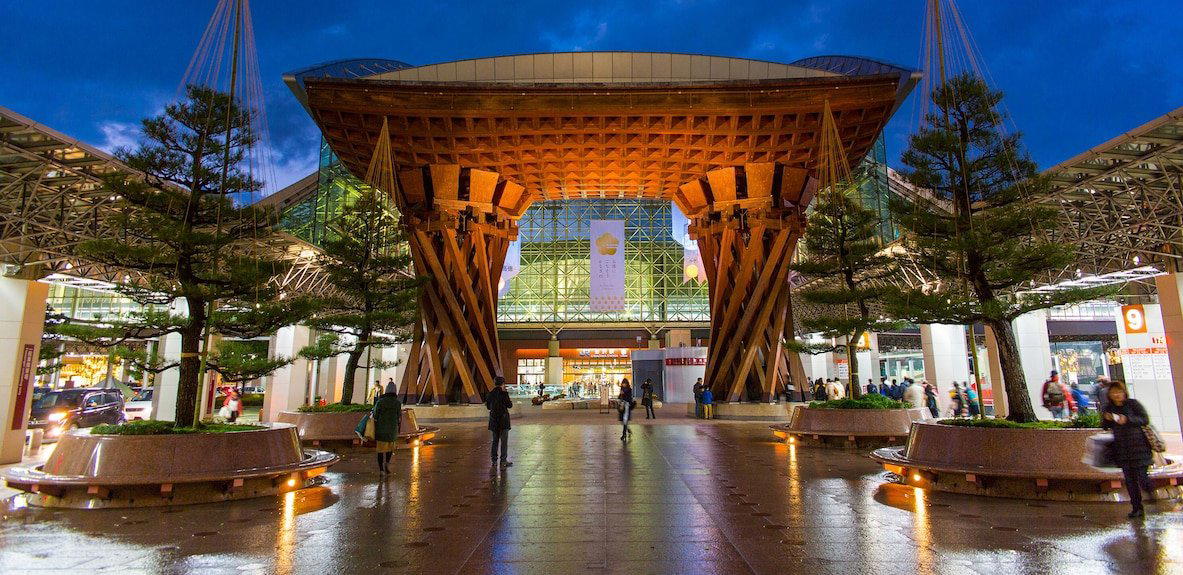
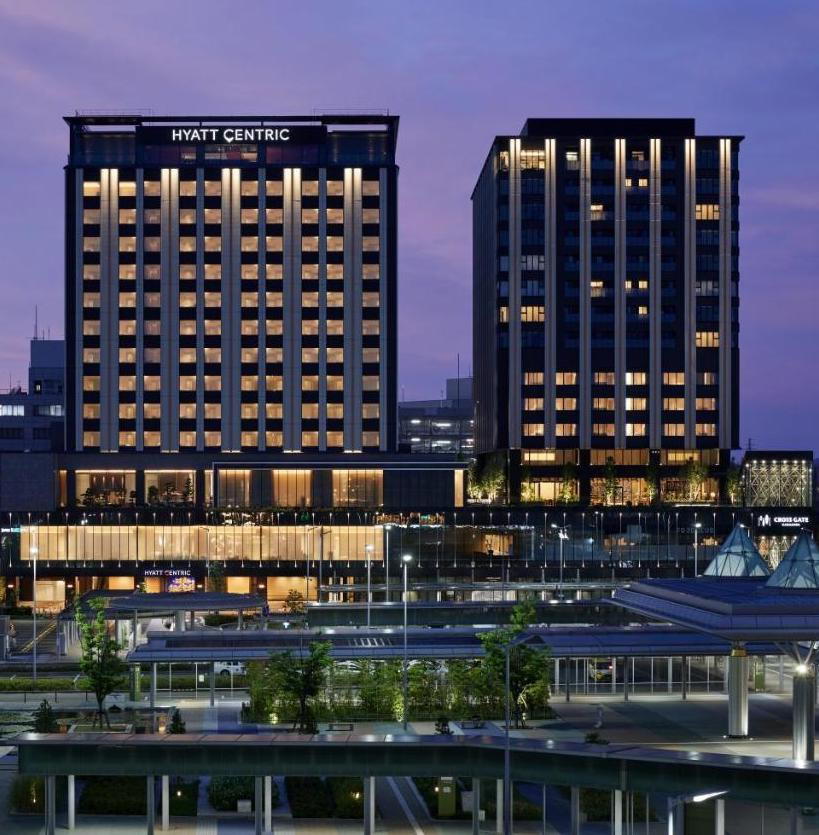
Hotels in Kanazawa
Browse all →
Wineries in Kanazawa
Browse all →
At a Glance
- Elegant
- Intimate
- Sophisticated
- Modern
- Date Night
- Special Occasion
- Business Dinner
- Chefs Counter
- Open Kitchen
- Sake Program
- Local Sourcing
Current opening hours
- Monday
- 5–7:30 PM, 8–10:30 PM
- Tuesday
- 5–7:30 PM, 8–10:30 PM
- Wednesday
- 12–2:30 PM, 5–7:30 PM, 8–10:30 PM
- Thursday
- 5–7:30 PM, 8–10:30 PM
- Friday
- 5–7:30 PM, 8–10:30 PM
- Saturday
- 5–7:30 PM, 8–10:30 PM
- Sunday
- 12–2:30 PM, 5–7:30 PM, 8–10:30 PM
Hours can change for holidays and private events. Last verified .
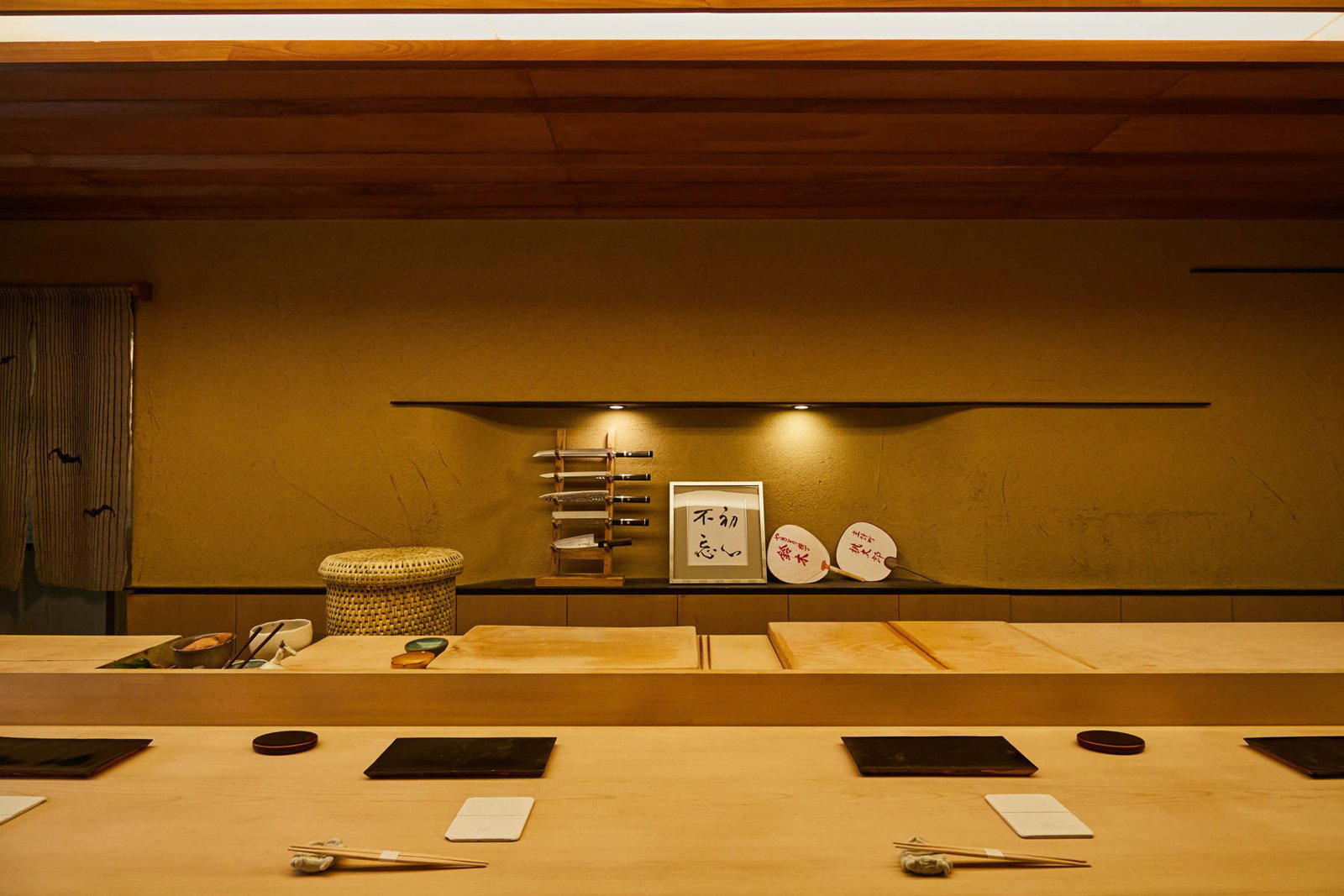
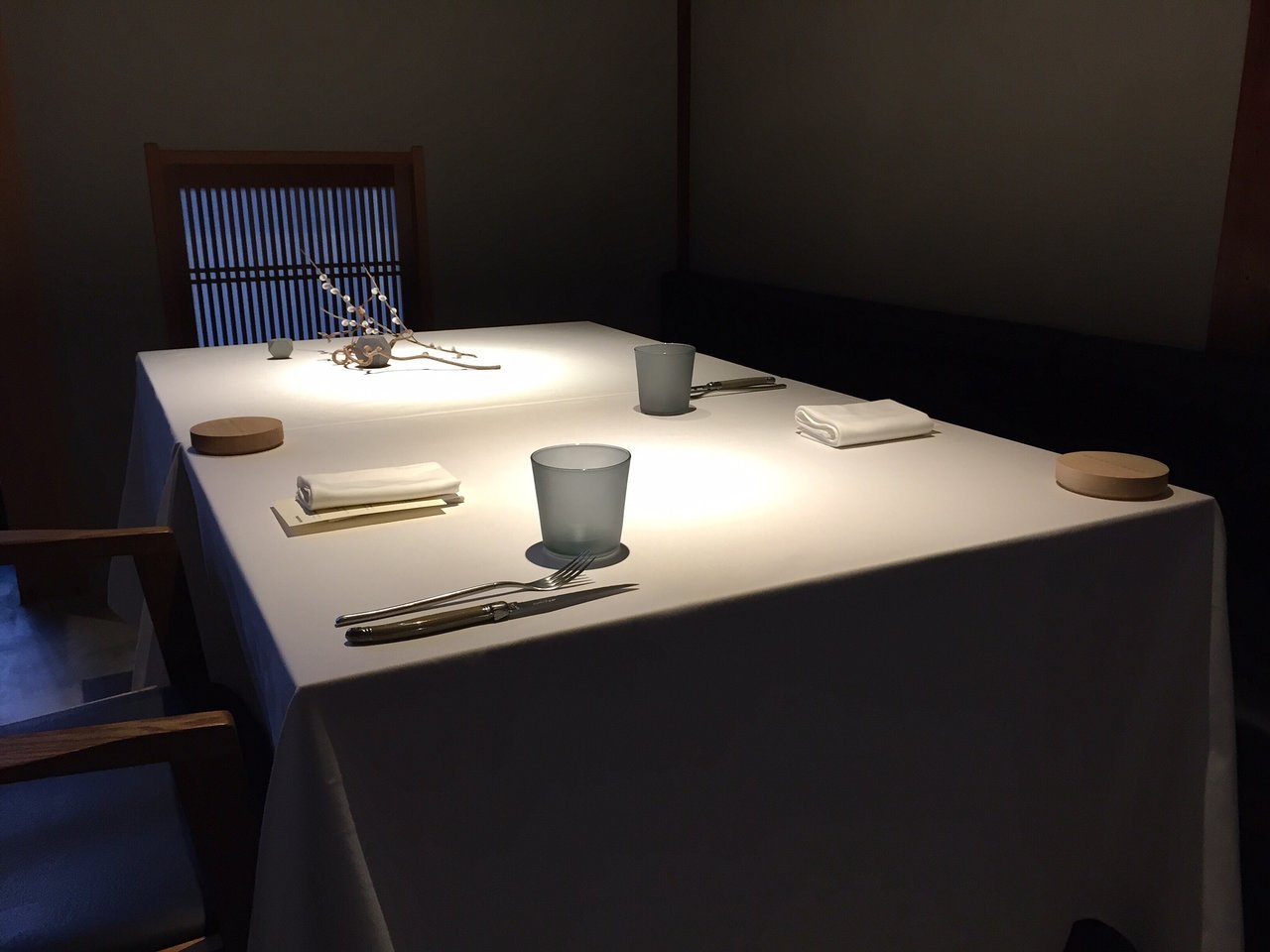
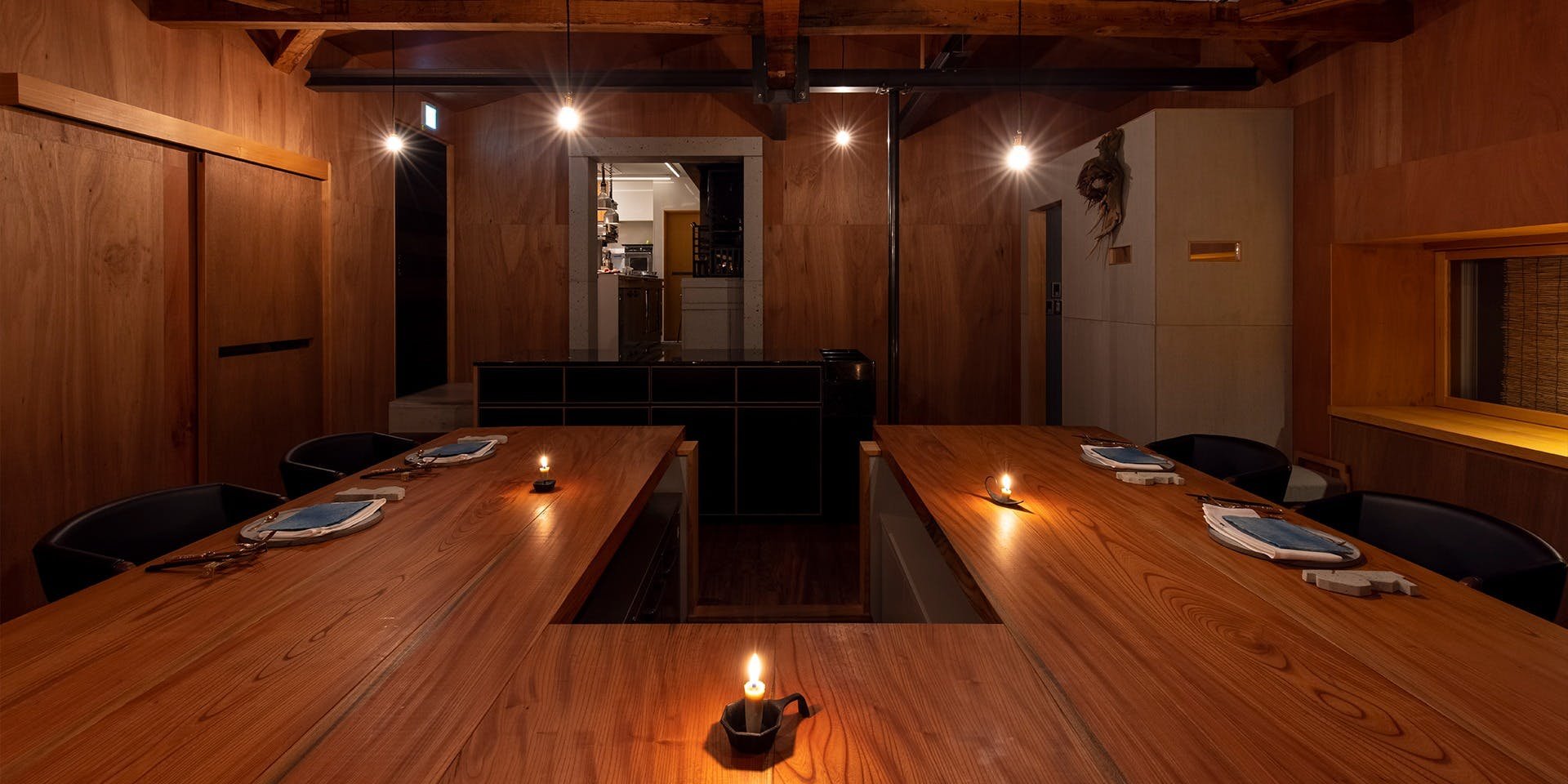
Minimalist Japanese aesthetic with soft lighting, intimate counter seating, and a serene atmosphere focused entirely on the sushi experience.