Ebihara occupies a low-profile address in Shinjuku's Iwatocho district, where Tokyo's serious dining rarely announces itself loudly. The restaurant draws a loyal returning crowd rather than first-time seekers, situating it in the tier of Japanese dining rooms where repeat visits, not discovery, define the experience. Verification of current format, pricing, and booking is recommended before planning.
Pearl is the En Primeur Club membership app — saves, bookings, and concierge access live there. Same editors, same standards.
- Address
- Japan, 〒162-0832 Tokyo, Shinjuku City, Iwatocho, 19 田中ビル 1F
- Phone
- +81363276289
- Website
- wasyoku-ebihara.jp
- Directions
- Get directions
 Saves & bookings on Pearl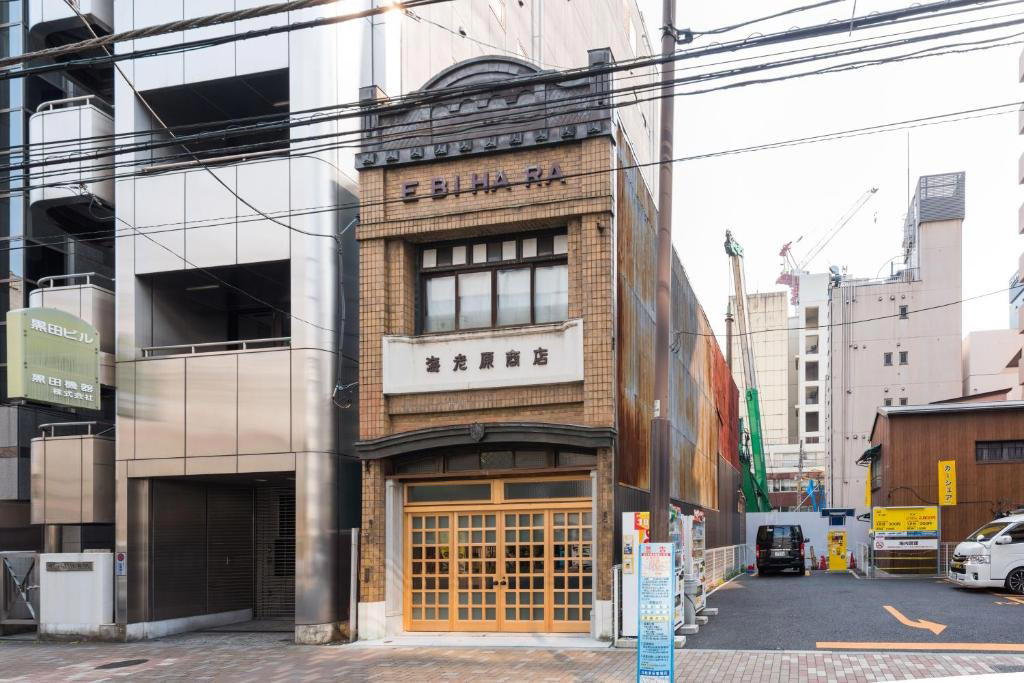
Iwatocho's Quiet Register
Shinjuku is not typically where Tokyo's most considered dining rooms set down roots. The ward runs loud and commercial across most of its grid, which is precisely why the quieter residential and low-rise pockets between its busier corridors can accommodate something more restrained. Iwatocho sits in that register: a district without the foot traffic of Shinjuku-sanchome or the tourist-facing density of Kabukicho, and therefore one where a restaurant can function primarily for the people who already know it exists. Ebihara is a Tokyo restaurant in Shinjuku City's Iwatocho district, serving Traditional Japanese Kaiseki at around US$100 per person.
Tokyo dining often rewards repeat guests, especially in quieter neighbourhoods. The seasonal drift of a menu, the adjustment of pacing to known preferences, the gradual accumulation of detail that a chef or room applies to familiar guests: these are the mechanics of Tokyo dining at its less theatrical end. It is a format that differs sharply from the high-visibility omakase counter model, where the booking window and Michelin status do the heavy lifting and the guest mix skews international and transient.
The Logic of the Returning Guest
Tokyo's dining culture rewards patience differently depending on the tier. At the counter level occupied by rooms like Harutaka, repeat visits are structured: the progression through an omakase sequence is refined and formalized, and returning guests accumulate knowledge of a defined format. At rooms that operate closer to a set-menu or seasonal kaiseki tradition, the relationship is less transactional. The kitchen reads returning guests differently, and that reading accumulates over visits in ways that rarely show up in a written menu.
Ebihara operates with a low public profile and a reservation-first cadence. That absence is itself a signal. In a city with the density and competition of Tokyo, restaurants without visible marketing infrastructure either fail quickly or sustain themselves on returning trade. The latter requires consistency, a coherent culinary identity, and the kind of guest relationship that produces word-of-mouth referral rather than social media documentation.
Across Japan's major dining cities, this pattern repeats. Gion Sasaki in Kyoto operates with a clarity of seasonal intention that rewards regular attendance across multiple years. HAJIME in Osaka occupies a more formal awards-tier, but the rooms beneath that tier in Osaka share a similar dynamic of local regularity over destination dining. akordu in Nara operates as a Spanish-inflected outlier that draws a committed following in a city better known for temples than restaurants. The geography of Japanese dining loyalty runs deep and mostly quiet.
Tokyo's Broader Context for This Tier
The category Ebihara inhabits is worth locating precisely. Tokyo's upper dining tier is dominated by rooms with Michelin recognition, 50 Best adjacency, and the international booking pressure that comes with it. RyuGin operates at this level in the kaiseki tradition, as does L'Effervescence in its French-informed idiom. Sézanne has become one of the more internationally scrutinized rooms in the city. Crony represents the innovative French-leaning register that has gained traction in recent years.
Ebihara, with no confirmed awards and no published pricing, sits in a different competitive conversation. Its comparable set is not those rooms. It is more usefully compared against the tier of Tokyo restaurants that sustain a serious kitchen without the recognition apparatus: rooms that a Tokyo resident with twenty years of dining history might reference with casual authority while remaining entirely invisible to a first-time visitor researching from abroad. These are restaurants that the city produces in quantity, and they are disproportionately located in the less obvious wards.
The contrast with globally facing rooms extends beyond recognition. Le Bernardin in New York City and Lazy Bear in San Francisco each operate within recognition ecosystems that make them findable by any international guest. Rooms like Ebihara in Shinjuku's quieter precincts operate by different rules, and that difference is not a deficit.
Approaching Ebihara: What Visitors Should Understand
Ebihara is a Traditional Japanese Kaiseki restaurant in Tokyo's Shinjuku City, with essential reservations, smart casual dress, and evening service Tuesday through Sunday. This places any prospective visit in the category of local intelligence rather than conventional research. The practical reality for visitors is that Ebihara requires either a local contact or a Japanese-language outreach process that not all hotel concierge teams will be equipped to support.
This is not unusual for rooms in this part of Tokyo. The Shinjuku ward contains a significant number of serious restaurants that operate without English-language web presence, without international reservation platforms, and without the kind of press documentation that feeds into travel editorial. Approaching them requires patience and the right intermediary. Visitors who have navigated similar rooms elsewhere in Japan, at places like Goh in Fukuoka, affetto akita in Akita, Aji Arai in Oita, Ajidocoro in Yubari District, Akakichi in Imabari, aki nagao in Sapporo, or Abon in Ashiya, will recognise the format. The access itself is part of the experience's character.
Booking and Cost Snapshot
Comparable venues nearby, for context on price, style, and recognition.
| Venue | Cuisine | Price | Notes |
|---|---|---|---|
| EbiharaThis venue — the venue you are viewing | Shinjuku, Traditional Japanese Kaiseki | $$$$ | Not listed |
| Kabuto (天然鰻 かぶと) | Not listed | $$$$ | Ikebukuro, Traditional Unagi Nose-to-Tail |
| 青華こばやし | Not listed | $$$$ | Shinjuku, 割烹・小料理 |
| 茜坂大沼 赤坂店 | Minato, Classic Tempura Specialty | $$$$ | Not listed |
| Kato Gyuniku-ten Ginza | Chūō, Yamagata Beef Steakhouse | $$$$ | Not listed |
| Kondo | Chūō, Modern Edomae Tempura Omakase | $$$$ | Not listed |










At a Glance
- Cozy
- Elegant
- Intimate
- Sophisticated
- Special Occasion
- Date Night
- Chefs Counter
- Sake Program
- Local Sourcing
Current opening hours
- Monday
- Closed
- Tuesday
- 6–10:30 PM
- Wednesday
- 6–10:30 PM
- Thursday
- 6–10:30 PM
- Friday
- 6–10:30 PM
- Saturday
- 6–10 PM
- Sunday
- 6–10:30 PM
Hours can change for holidays and private events. Last verified .
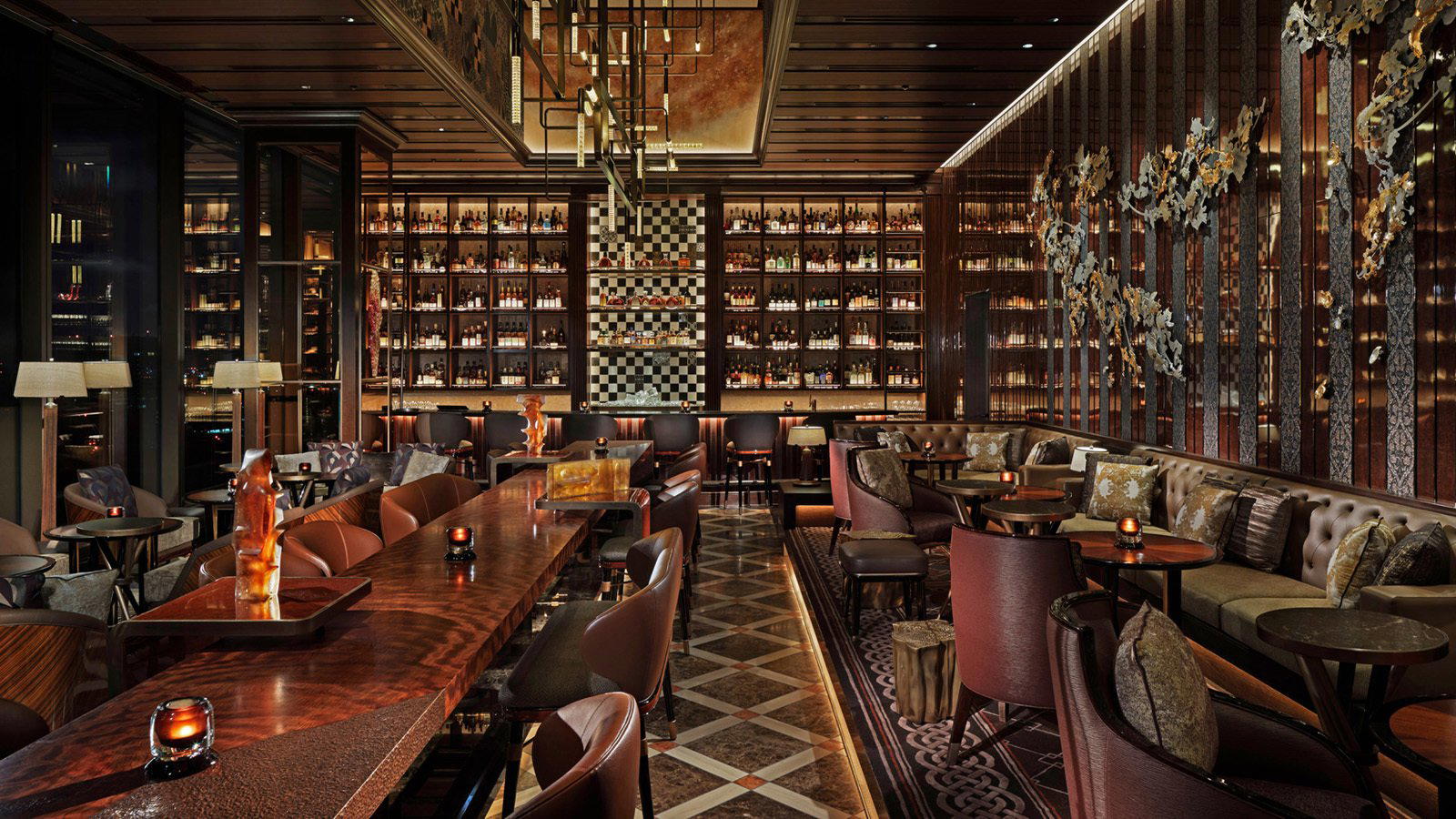
Cozy and inviting atmosphere with warm hospitality, blending tradition and personal warmth.