鮨処 つく田 is a sushi restaurant in Karatsu, Saga Prefecture, a coastal city whose proximity to the Genkai Sea has long shaped its raw fish traditions. Set within a quiet residential address in Nakamachi, it represents the kind of neighbourhood counter that Kyushu's smaller cities sustain outside the Fukuoka spotlight. Booking details and format are best confirmed directly, given limited online presence.
Pearl is the En Primeur Club membership app — saves, bookings, and concierge access live there. Same editors, same standards.
- Address
- 1879-1 Nakamachi, Karatsu, Saga 847-0051, Japan
- Phone
- +81955746665
- Website
- tsukuta.9syoku.com
 Saves & bookings on Pearl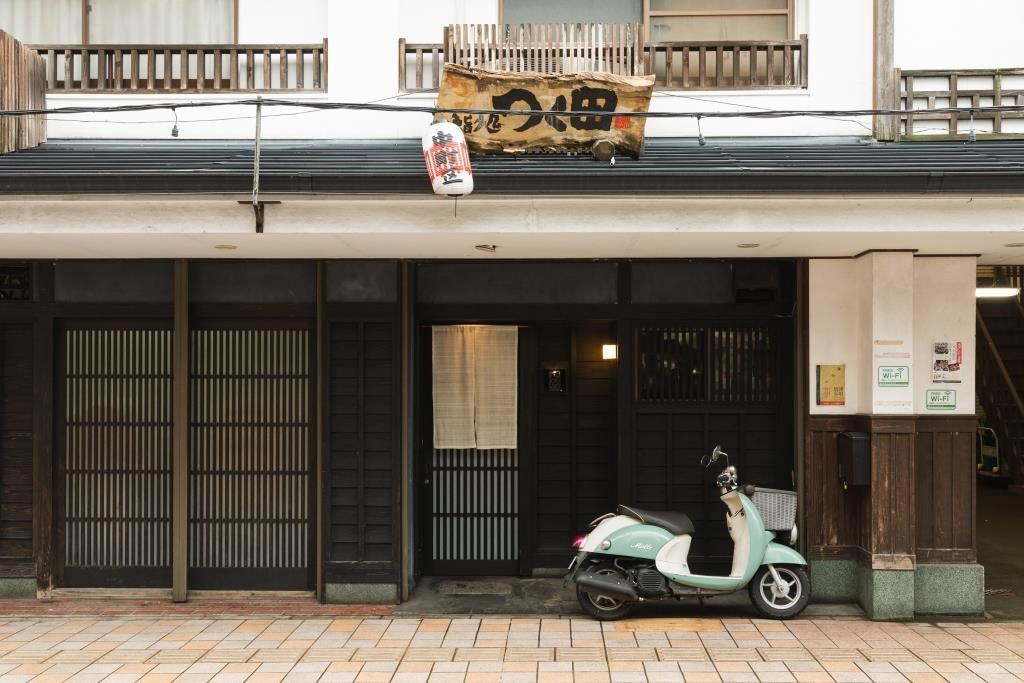
Karatsu and the Sea Behind the Rice
Karatsu sits on Saga Prefecture's northern coast, where the Genkai Sea delivers some of Kyushu's most cited seafood. The city is better known internationally for its stoneware tradition, Karatsu-yaki, than for its dining, but the two have always been linked. Fish markets here supply restaurants in Fukuoka, roughly 70 kilometres to the east, and the local counters that remain in Karatsu itself often operate with the kind of quiet confidence that comes from proximity to source rather than proximity to reputation. 鮨処 つく田, at 1879-1 Nakamachi, occupies that position: a Traditional Japanese Omakase restaurant in Karatsu, Saga Prefecture, with a Google rating of 4.3 from 147 reviews and an estimated spend of about USD 130 per person.
This pattern, where secondary cities feed primary ones but maintain their own modest, serious dining culture, is characteristic of coastal Japan. You see it in Nanao on the Sea of Japan side, where 一本木 石川製 operates in relative obscurity relative to Kanazawa's fame, or in Nishikawa Machi, where 庄羽屋 holds its ground far from urban dining circuits. Karatsu fits that template precisely.
What the Genkai Sea Puts on the Counter
Japanese sushi tradition is fundamentally an argument about terroir expressed through rice and fish rather than soil and grape. The rice vinegar, the water, the temperature at which the fish arrives, the days of aging or none at all, these variables shift substantially between Tokyo's Ginza, where counters like Harutaka operate within a hyper-competitive, internationally scrutinized omakase market, and a smaller city like Karatsu, where the relationship between fisherman and counter can be considerably more direct.
The Genkai Sea is prized for its tiger puffer (tora fugu), horse mackerel (aji), and sea bream (tai), species that appear across Kyushu's restaurants in different interpretations. At the premium Fukuoka level, as demonstrated by operations like Goh, those ingredients are filtered through highly technical modern frameworks. In Karatsu, the approach at a neighbourhood sushi counter tends toward the more classical and immediate: the fish is close, the format is direct, and the counter's relationship with its suppliers defines the ceiling of what the kitchen can offer on any given night.
This is not a lesser version of the Ginza or Kyoto sushi experience. It is a different argument about what sushi counters are for. Venues like Gion Sasaki in Kyoto or HAJIME in Osaka represent the apex of the credentialed, internationally recognised Japanese fine dining circuit. A neighbourhood counter in Nakamachi operates entirely outside that circuit, which is neither a criticism nor a consolation, it is simply a different set of conditions and a different kind of conversation between kitchen and guest.
Karatsu's Broader Dining Context
Karatsu's restaurant scene is compact but varied in register. At the same mid-range price tier as most neighbourhood counters in the city, Aru Tokoro takes a regional cuisine approach to local seafood in the JPY 10,000 to 14,999 range. Chuka Ooshige covers Chinese at a comparable spend. More casual formats, including Tanokyu for ramen and Caravan and Kazu, fill out the lower end of the spectrum. What Karatsu does not have in abundance is the kind of destination fine dining that draws visitors specifically for the restaurant rather than the broader setting. The castle, the kilns, and the coastline remain the primary draws; the food scene serves those who are already here.
For deeper reference points in the regional sushi tradition, it is worth noting how cities along the Sea of Japan and the surrounding Kyushu coast have each developed distinct counter cultures shaped by their fisheries. Takashima's 湖籟荘 and Sapporo's 夕仙山乃 illustrate how far the variation extends once you leave the major urban circuits. The comparable set for 鮨処 つく田 is less Tokyo or Kyoto and more these provincial counters, where local reputation and repeat custom from the surrounding community matter more than guidebook placement.
Approaching the Address
The Nakamachi address places 鮨処 つく田 within a residential part of central Karatsu, away from the busier commercial strips near the castle. This kind of location is common for smaller sushi counters across Japan, where the lack of street-facing prominence is itself a signal about the intended clientele: regulars, local professionals, and visitors who have been directed there by someone who already knows. It is an address you go to on purpose rather than one you encounter by walking past.
Karatsu is accessible by rail from Fukuoka's Meinohama station via the Chikuhi Line, a journey of around an hour depending on the service. The city is compact enough that most central addresses are walkable from Karatsu Station. Visitors combining the restaurant with Karatsu Castle or the nearby Niji-no-Matsubara pine grove will find the geography works in their favour. Booking is essential, and approaching it through a hotel concierge or a Japan-based reservation service is the most reliable path. Expect the format of a neighbourhood counter: seated, sequential, and calibrated to whatever the market delivered that morning.
The broader question of how to spend an evening in Karatsu's dining circuit, and where 鮨処 つく田 sits within it, belongs in the city guide. For those whose Japan itinerary extends beyond Kyushu, comparable considerations apply to akordu in Nara, another city where the dining scene operates in the long shadow of a more famous neighbour. The pattern of serious, quiet counters in secondary cities is one of Japanese dining's more consistent and underappreciated features, and Karatsu offers a readable version of it.
Planning Your Visit
Hours and pricing are listed separately for planning. The Nakamachi address is verifiable: 1879-1 Nakamachi, Karatsu, Saga 847-0051. Booking should be treated as essential rather than optional for any counter of this type in Japan, and international visitors should account for the likelihood that communication will be in Japanese. Arriving without a reservation at a neighbourhood sushi counter is rarely successful and often impossible. Build the booking into your travel architecture before you build the rest of the evening around it. If you are also exploring the fine dining tier of Japanese cuisine elsewhere on your trip, reference points like Le Bernardin in New York or Atomix sit in a different competitive category entirely; the Karatsu counter experience is a correction in the opposite direction, toward the local, the seasonal, and the unannounced.
Cost Snapshot
Comparable venues nearby, for context on price, style, and recognition.
| Venue | Cuisine | Price | Awards | Notes |
|---|---|---|---|---|
| 鮨処 つく田This venue — the venue you are viewing | Nakamachi, Traditional Japanese Omakase | $$$$ | , | |
| Takeya | $$$ | , | Nakamachi, Karatsu, Traditional Unagi (eel) House in Karatsu | |
| Chuka Ooshige | Bozu-cho, Modern Cantonese Chinese | $$$ | ||
| 飴源 | central Karatsu, Kaiseki Omakase | $$$$ | , | |
| Caravan | $$$ | Nakamachi, Saga Wagyu Teppanyaki Steakhouse | ||
| Aru Tokoro | Kagami, Traditional Karatsu Kaiseki | $$$ |
Continue exploring
More in Karatsu
Restaurants in Karatsu
Browse all →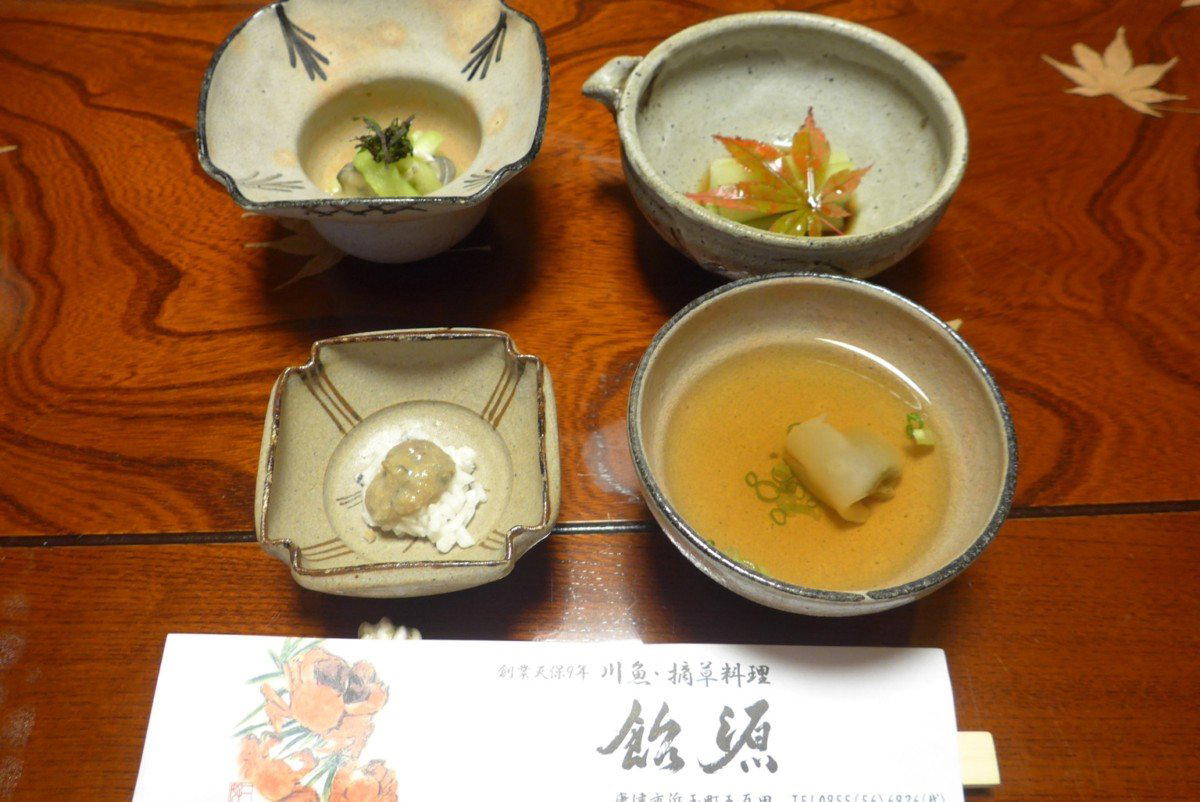
Bars in Karatsu
Browse all →
Hotels in Karatsu
Browse all →
Wineries in Karatsu
Browse all →
At a Glance
- Elegant
- Intimate
- Sophisticated
- Special Occasion
- Date Night
- Chefs Counter
- Sake Program
- Local Sourcing
- Sustainable Seafood
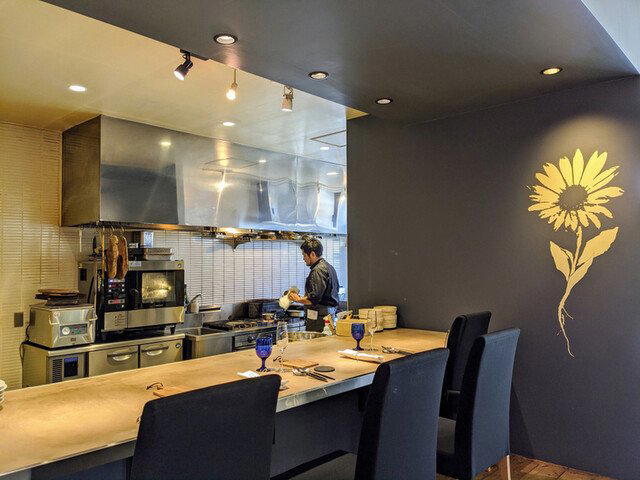
Cozy and approachable atmosphere at a white wood counter, loved by locals with a friendly chef.