
Tabelog Bronze #41
Our verdict
Karatsu’s dining conversation usually starts with seafood, but Caravan argues for the city’s meat counter culture: steak, teppanyaki and hamburger steak treated with the seriousness more often reserved for sushi. Its Tabelog Award Bronze recognition in 2026 and repeat Tabelog 100 Steak / Teppanyaki WEST selections place it in a narrow regional tier, with sourcing and grill judgment doing the heavy lifting.

Pearl is the En Primeur Club membership app — saves, bookings, and concierge access live there. Same editors, same standards.
- Address
- 1845 Nakamachi, Karatsu, Saga 847-0051, Japan
- Phone
- +81 955-74-2326
- Hours
- Mon–Tue ClosedWed–Sun 11:30 AM–2:30 PM, 6–10 PM
- Website
- ca1979.com
- Directions
- Get directions
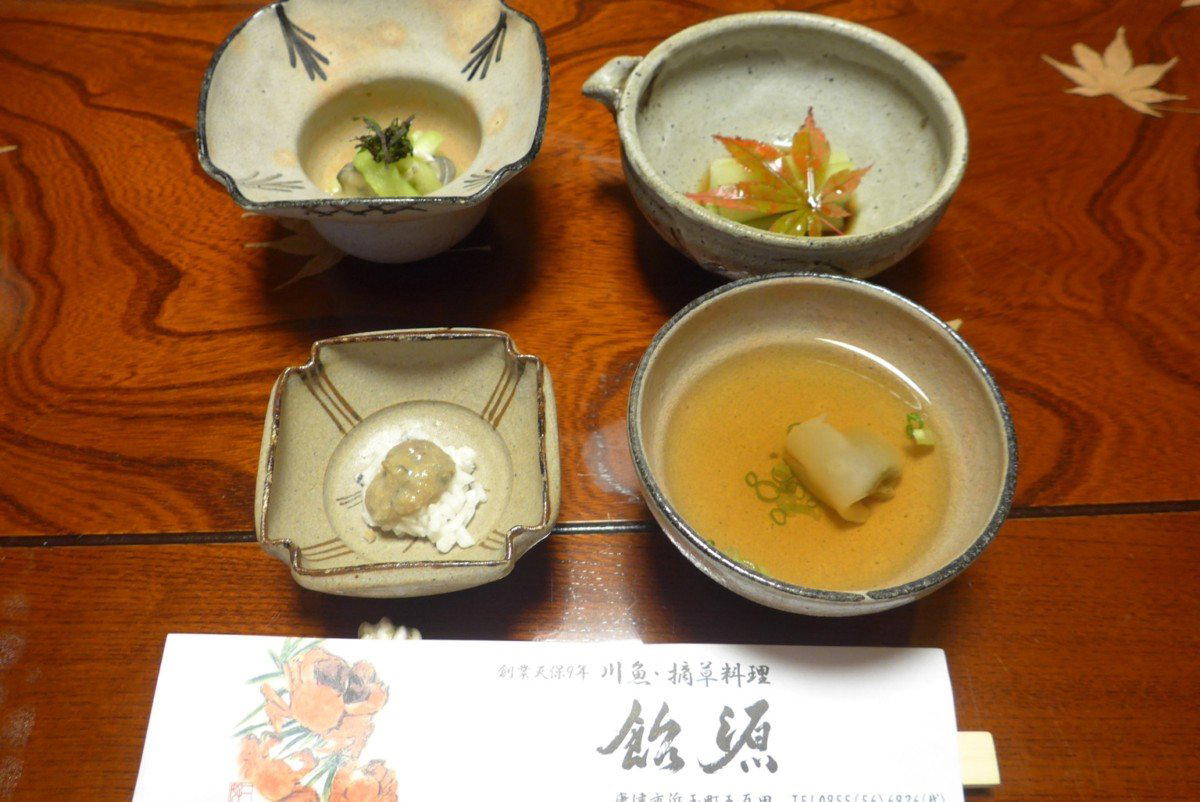
Approach Karatsu’s Nakamachi district and the city’s scale changes how dinner reads. This is not a neon metropolitan steakhouse corridor, but a compact castle-town grid where seafood restaurants, regional kitchens and small counters sit close enough to make each choice feel deliberate. Here, a meat-focused room must justify itself against the local pull of fish, sake and ceramics. Caravan does so by treating steak, teppanyaki and hamburger steak as a Karatsu subject, not an imported luxury script.
The distinction matters. Kyushu has long had serious beef culture, while Karatsu’s restaurant identity is more often framed by the sea and seasonal regional cooking. A grill-led restaurant here works differently from one in Tokyo or Osaka: not spectacle, but confidence in product, doneness and pace. Public recognition signals that strength. Caravan holds Tabelog Award Bronze recognition for 2026, with earlier Bronze recognition in 2025 and 2022, and appears in Tabelog 100 Steak / Teppanyaki WEST selections including 2025 and 2024. In a city where destination dining spans sushi, Chinese, French and regional Japanese formats, that indicates category strength rather than general popularity.
Karatsu beef culture, seen through the grill
Steak and teppanyaki in Japan sit between luxury commodity and cook’s craft. The weaker version leans on beef brand and marbling; the stronger asks sharper questions: how much fat can the diner manage, how assertive should seasoning be, where do rice or vegetables act as release valves, and when should cooking slow down? Caravan’s listed categories, steak, teppanyaki and hamburger steak, put it in the second conversation, covering premium cuts and the everyday Japanese language of minced beef cooked with precision.
The sourcing angle is not just provenance romance. In Saga, where beef is part of the prefecture’s larger food identity, a restaurant handling meat at this level must make sourcing legible through restraint. Teppanyaki is unforgiving because guests see portioning, heat, rest and service. Hamburger steak is equally revealing in another register, since texture and fat balance cannot hide behind ceremony. This category rewards diners who care less about a long menu than whether the kitchen understands the material before it.
That is why Caravan belongs in a Karatsu itinerary, not as a detour from it. The city already has serious small restaurants, from regional Japanese and seafood at Aru Tokoro to Chinese cooking at Chuka Ooshige, French technique at Restaurant Présage, and local counters such as Kazu and Satomi An. Against that set, the grill format gives the map a different register: heavier, warmer, more protein-led, and better for diners who want Karatsu without making seafood the whole story.
A compact room built for counter judgment
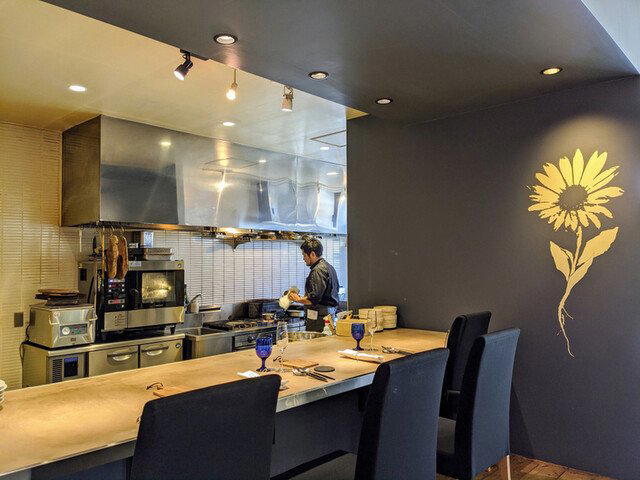
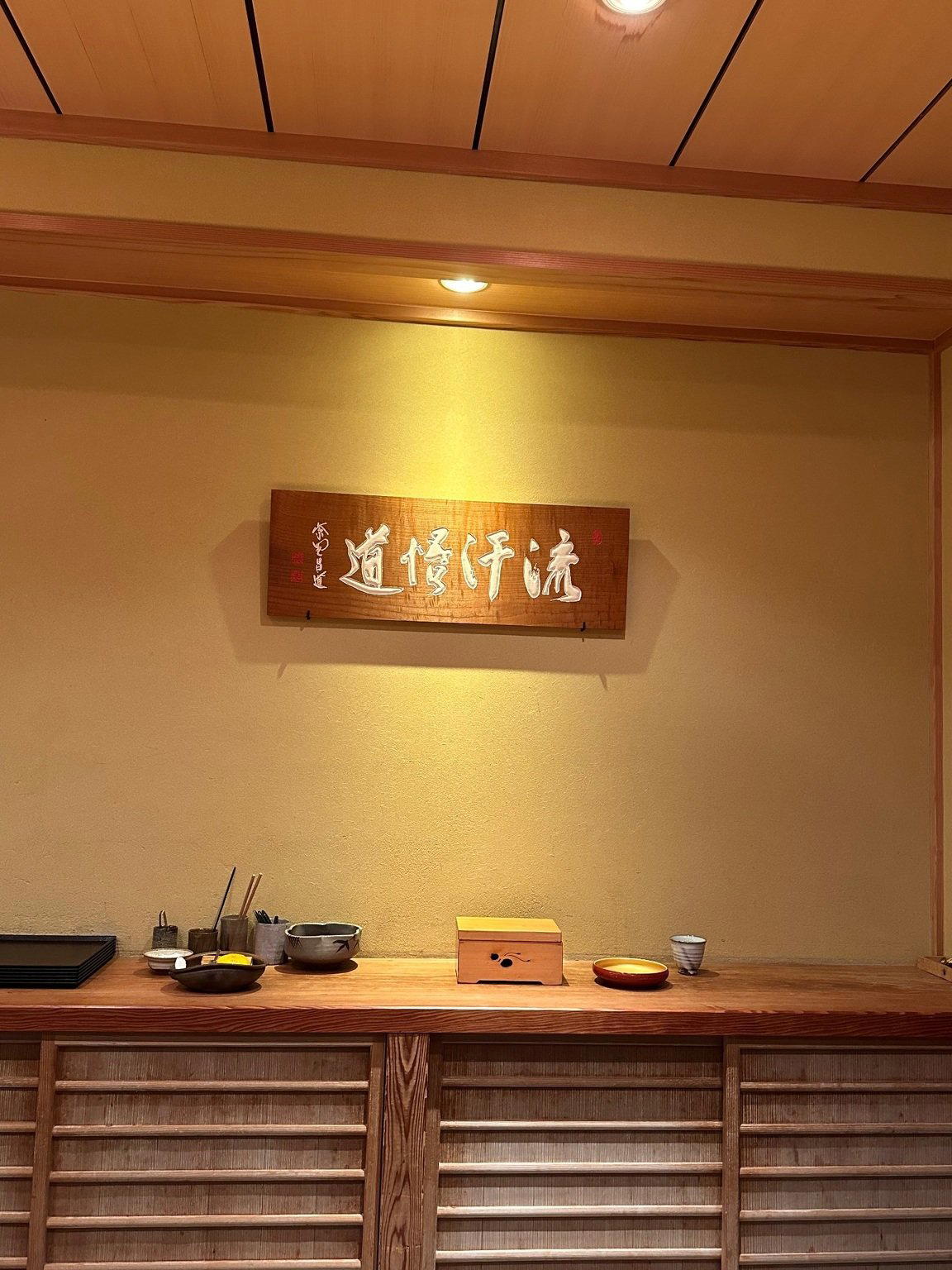
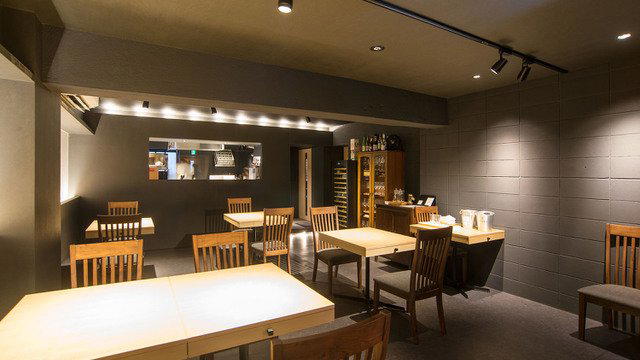
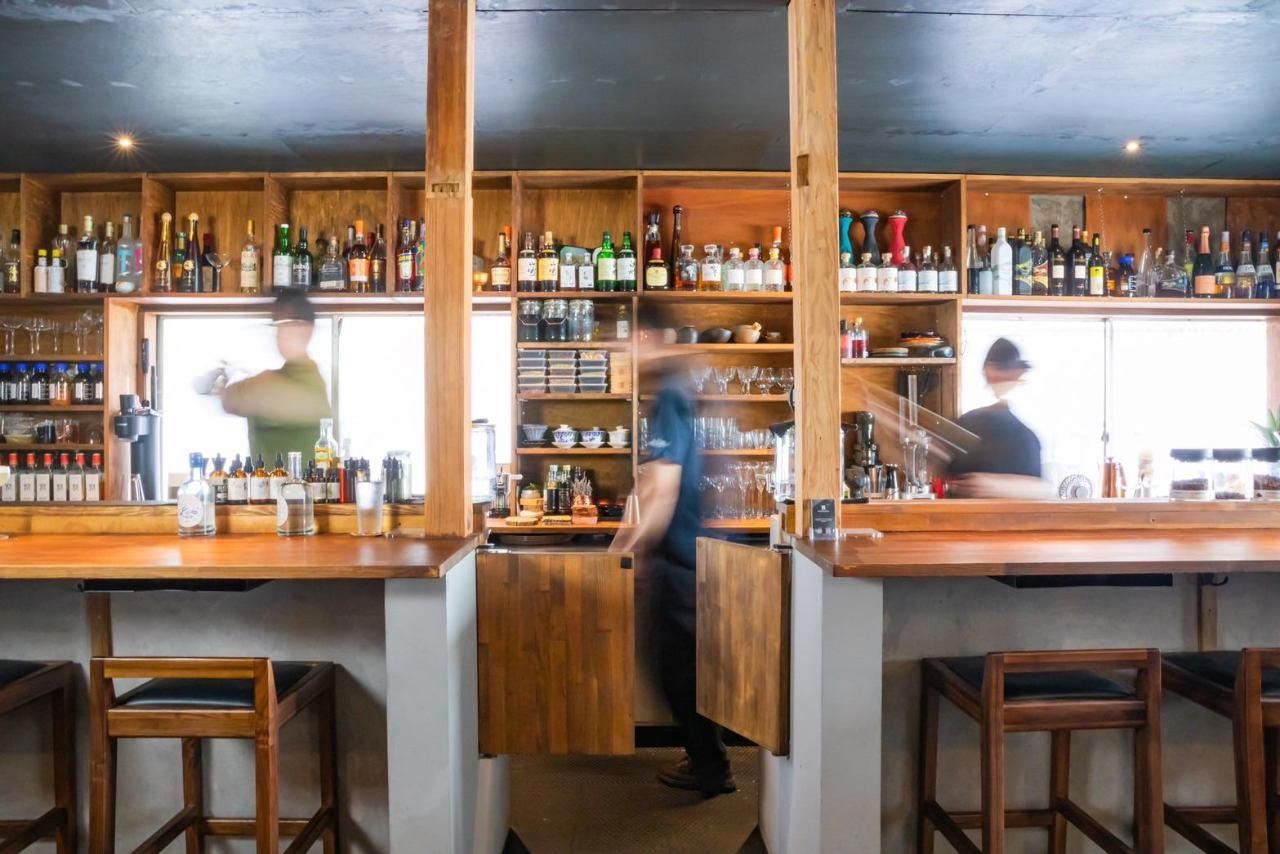
The room format explains much of the appeal. Caravan has 30 seats, including 10 counter seats and five four-seat table rooms, so the experience can tilt toward close-range grill observation or a contained group meal. Counter seating matters in teppanyaki because it turns technique into pacing rather than performance. The draw is not biography or scripted philosophy, but visible heat and sequence management: the work that separates a serious steak counter from a restaurant merely serving expensive beef.
That scale suits different Karatsu travel needs. Families are not excluded: children are welcomed, strollers are accommodated, and the room is barrier-free. Private and semi-private seating add flexibility for mixed-age groups or business dinners. Still, counter seats are the sharper editorial choice for diners focused on the grill. Karatsu has quieter, more contemplative formats elsewhere; this one makes sense when the meal centers on appetite, timing and shared interest in meat.
Price positioning reinforces the point. Listed lunch and dinner budgets sit at JPY 10,000 to JPY 14,999, with diner-spend references extending higher for some meals. That is serious but not ceremonial for Japan: above casual steakhouse territory, below stratospheric wagyu counters trading mainly on scarcity. In Karatsu, it sits near the spending conversation of Chuka Ooshige and Takeya, while offering a different category promise. The choice is not simply where to eat, but what kind of Karatsu evening to build.
How to place it within a Karatsu trip
Karatsu rewards travelers who plan meals by mood rather than checklist. Seafood and sushi carry obvious local weight, with Tsukuta and 鮨処 つく田 representing the city’s sushi gravity, while French and Chinese options show the breadth of the small-city dining field. Caravan is the meat answer. It works after a day when another delicate tasting menu would feel repetitive, or when a group wants enough structure for a special occasion and enough familiarity for varied diners.
The award trail gives confidence without exaggeration. Tabelog’s Bronze and Tabelog 100 Steak / Teppanyaki WEST signals place Caravan inside a national user-review ecosystem especially influential in Japan, where high scores in specialist categories often reflect sustained consistency rather than novelty. The 2026 score listed at 4.11 is not decorative; on Tabelog, scores above 4 are uncommon and generally indicate strong consensus among experienced diners. For visitors choosing between local formats, Caravan is a credible steak and teppanyaki anchor, not a fallback when seafood bookings fail.
For a wider Karatsu plan, use the city guides as rhythm maps, not inventory: Our full Karatsu restaurants guide for dining context, Our full Karatsu hotels guide for where to stay, Our full Karatsu bars guide for post-dinner drinking, Our full Karatsu wineries guide for wine-focused planning, and Our full Karatsu experiences guide for daytime structure. Readers comparing meat-led dining across Japan can also look beyond Saga to -Grilled beef Sukiyaki- KAMAKURA TANUKIAN 鎌倉 たぬき庵 in Kamakura, while broader urban contrasts include. 鮪と炭火焼き うお炭 秋葉原店 in Tokyo.cafe in Osaka.know in Kumamoto, (Shoku) Vietnam in Kawasaki, [Curry Senmon Ten] Maruyama Kyoju. in Sapporo, Jōdo Saké Bar in Los Angeles, and Onigiri Time in Pasadena.
The cleanest read: Caravan is for diners who want Karatsu’s produce culture interpreted through beef rather than fish. Its recognition, compact seating and grill-led format make it strong when the meal needs substance, precision and a sense of place without turning dinner into theatre.
Frequently asked questions
Can I bring kids to Caravan?
Yes. Caravan lists children welcome, including babies, preschoolers, and school-age children, plus strollers and kids' cutlery. The 30-seat room at 1845 Nakamachi, Karatsu also has barrier-free access and private rooms.
Is Caravan better for a quiet night or a lively one?
It suits both, but the format leans calmer than loud. Caravan has 10 counter seats, five private rooms, and a no-smoking interior, so it works well for dinner with conversation rather than a late, high-energy scene.
Is Caravan open every day?
Hours at Caravan: Wed, Thu, Fri, Sat, Sun, Public Holiday, Day before public holiday, Day after public holiday 11:30 - 15:00 L.O. 14:30 18:00 - 22:00 L.O. 20:30.
Where is Caravan located?
Caravan is located in Karatsu.
What's the defining dish or idea at Caravan?
The core idea is custom-made steak, reflected in its steak, teppanyaki, and hamburger steak categories. Tabelog named it a 2026 Bronze winner and included it in Tabelog 100 for Steak / Teppanyaki WEST 2025, which signals a kitchen built around the grill rather than a long list of extras.
Comparable venues nearby, for context on price, style, and recognition.
| Venue | Cuisine | Price | Awards | Notes |
|---|---|---|---|---|
| CaravanThis venue — the venue you are viewing | Saga Wagyu Teppanyaki Steakhouse | $100–150 | Tabelog Bronze #41 | Not listed |
| Tanokyu | Saga Tonkotsu Ramen | $10–20 | Not listed | Karatsu |
| Takeya | Traditional Unagi (eel) House in Karatsu | $50–100 | Tabelog 100 #91 | Nakamachi, Karatsu |
| 鮨処 つく田 | Karatsu-mae Edomae Sushi Omakase | $150–200 | Tabelog 100 #89 | Nakamachi |
| Aru Tokoro | Traditional Karatsu Kaiseki | $100–150 | Tabelog Bronze #28 | Kagami |
| Chuka Ooshige | Modern Cantonese Chinese | $50–100 | Tabelog 100 #25 | Bozu-cho |
Recognition history
Dated appearances from independent guides and award organizations, with the underlying list record or original source where available.
Tabelog Bronze #41
Tabelog
Full recognition history (3 entries)
Tabelog 100 #43 · No. 43
Tabelog · Tabelog 100 - Steak / Teppanyaki - WEST - 2025
Tabelog Bronze
Tabelog
Details
- Elegant
- Sophisticated
- Intimate
- Date Night
- Business Dinner
- Special Occasion
- Chefs Counter
- Open Kitchen
- Sake Program
- A La Carte
- Counter Dining
- Sake
- Wine
- Vegetarian Friendly
Current opening hours
- Monday
- Closed
- Tuesday
- Closed
- Wednesday
- 11:30 AM–2:30 PM, 6–10 PM
- Thursday
- 11:30 AM–2:30 PM, 6–10 PM
- Friday
- 11:30 AM–2:30 PM, 6–10 PM
- Saturday
- 11:30 AM–2:30 PM, 6–10 PM
- Sunday
- 11:30 AM–2:30 PM, 6–10 PM
Hours can change for holidays and private events. Last verified .
High-class yet relaxed atmosphere with stylish, spacious counter and private room seating, centered around the chef's entertaining performance.