Located in Hamatamamachi Gotanda on the Saga Prefecture coast, 飴源 sits within Karatsu's quietly serious dining scene, where proximity to Genkai Sea seafood and centuries of ceramic culture shape the table as much as the kitchen.
Pearl is the En Primeur Club membership app — saves, bookings, and concierge access live there. Same editors, same standards.
- Address
- 1058-2 Hamatamamachi Gotanda, Karatsu, Saga 849-5102, Japan
- Phone
- +815017242537
- Website
- r.goope.jp
- Directions
- Get directions
 Saves & bookings on Pearl
Karatsu and the Architecture of a Regional Table
Saga Prefecture's northern coast operates on a different register from Japan's headline dining cities. Karatsu is not a place that competes with the omakase density of Ginza or the counter culture of Fukuoka's Nakasu district. What it offers instead is a more compressed, locally anchored dining logic: kitchens drawing directly from Genkai Sea catches, producers rooted in the same prefectural geography for generations, and a quieter but no less serious relationship between ingredient and plate. Restaurants here tend to reflect the town rather than perform for an outside audience, and that insularity is, for many visitors, the point.
飴源, addressed at 1058-2 Hamatamamachi Gotanda in Karatsu, sits within this broader pattern. The Hamatamamachi district carries the character of a coastal working town that has not been systematically reimagined for tourism, and dining rooms here tend to be embedded in their surroundings rather than set apart from them. To understand what 飴源 likely represents, it helps to understand the logic of Karatsu's table: ingredients first, format second, hospitality as a given rather than a feature.
The Cultural Weight of a Saga Coastline Kitchen
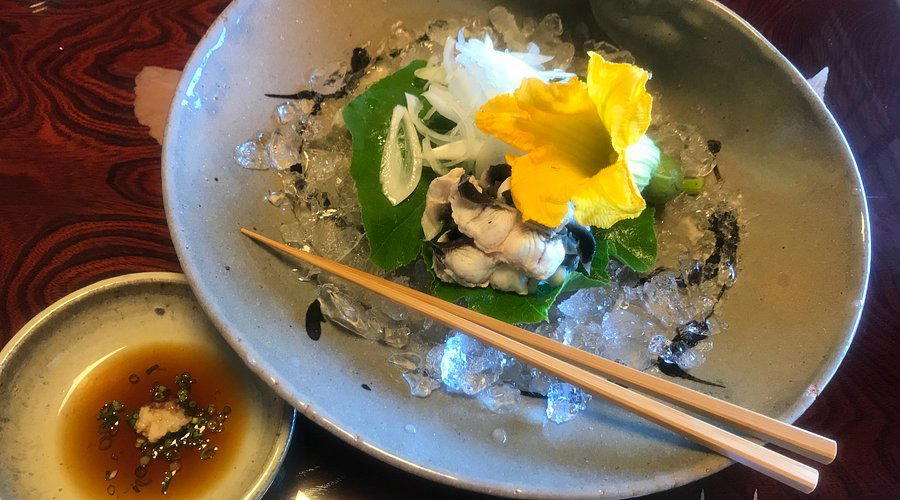
Kyushu's western coast has a culinary history that predates Japan's modern restaurant categories by centuries. Karatsu itself sits at a point where the Sea of Japan and the Genkai Sea converge, making the surrounding waters among the more biodiverse fishing grounds in the region. The Genkai Sea is particularly associated with tiger puffer (torafugu), sea urchin (uni), and varieties of white fish that do not reliably appear in the distribution chains reaching Tokyo or Osaka. This is not a talking point but a structural reality: geography determines menu in this part of Japan more than it does almost anywhere else in the country.
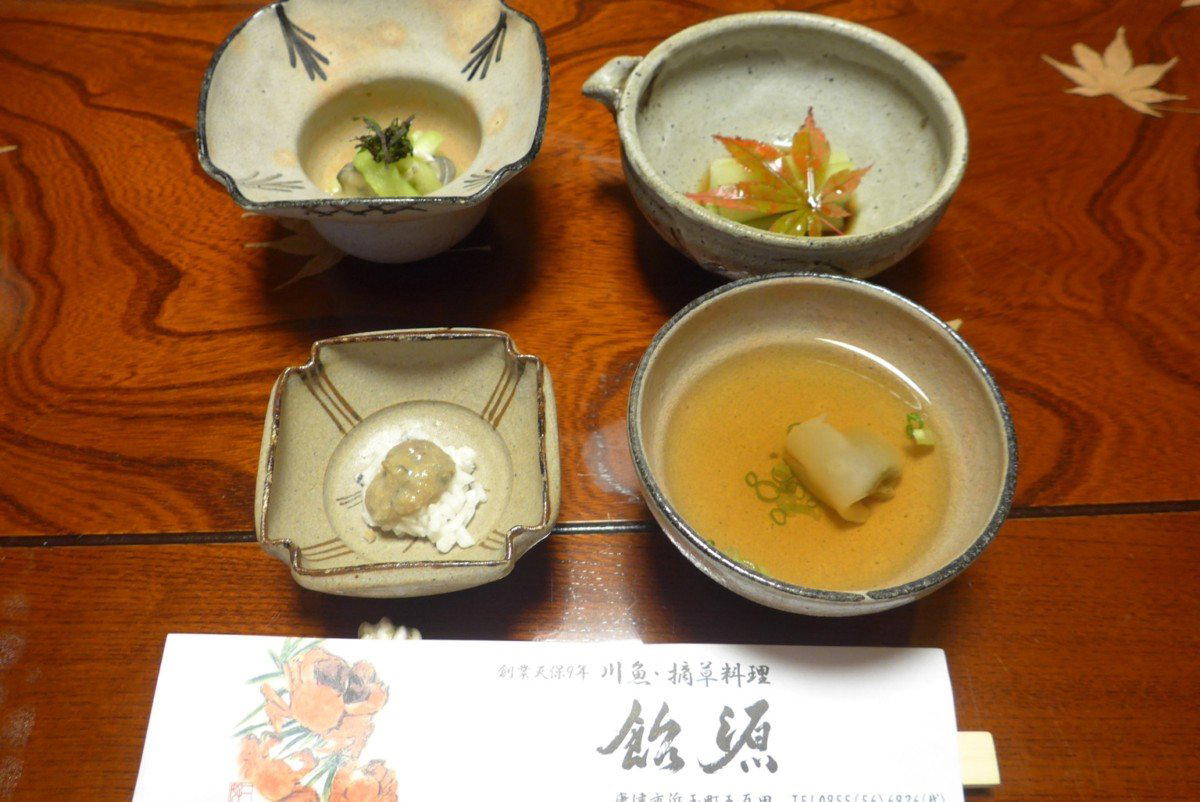
Saga Prefecture also carries significant ceramic heritage through Karatsu ware (Karatsu-yaki), one of Japan's oldest pottery traditions and a functional presence at many local tables. The vessel and the dish are not treated as separate categories here in the way they might be at a design-led restaurant in a major city. The relationship is older and more utilitarian, which paradoxically gives it more weight. Diners eating along this coast are, whether they register it or not, engaging with a table culture shaped by trade routes, kiln traditions, and maritime seasonality that stretch back to the sixteenth century. For context on how regional Japanese dining operates at the higher end of this tradition, properties like Gion Sasaki in Kyoto and HAJIME in Osaka demonstrate how deeply ingredient provenance and regional identity can anchor even particularly technically ambitious Japanese kitchens.
Placing 飴源 in Karatsu's Dining Tier
Karatsu's restaurant map is not large, and it does not need to be. The town's dining scene concentrates around a handful of formats: seafood-forward Japanese cuisine, ramen, Chinese-influenced kitchens, and more informal local spots that do not announce themselves with category labels. Among the restaurants EP Club tracks in the city, Aru Tokoro represents the regional cuisine and seafood tier at JPY 10,000 to 14,999 per person, and Chuka Ooshige occupies a similar price bracket from a Chinese cuisine angle. Informal options like Tanokyu for ramen, Caravan, and Kazu fill out the lower-key end of the spectrum. 飴源 is a high-end Kaiseki Omakase restaurant in Karatsu, Saga Prefecture, with a price tier of about USD 350 per person.
The Broader Kyushu Context
Karatsu sits within reasonable reach of Fukuoka, which functions as the regional anchor city for Kyushu's more internationally recognised dining scene. Goh in Fukuoka represents the kind of ambitious, technique-led Japanese cuisine that draws visitors specifically to the island. But the case for travelling to Karatsu rather than staying in Fukuoka rests on access to exactly the kind of kitchen that does not replicate itself in a major city: locally embedded, ingredient-driven, and operating without the pressure of a tourist audience. For visitors building a multi-stop itinerary across Japan's less-trafficked dining towns, Harutaka in Tokyo, akordu in Nara, Abon in Ashiya, affetto akita in Akita, Aji Arai in Oita, Ajidocoro in Yubari District, and Akakichi in Imabari each illustrate how Japan's most regionally specific cooking tends to concentrate outside the major metropolitan corridors. Internationally, the comparison to ingredient-led destination restaurants is instructive: Le Bernardin in New York City and Lazy Bear in San Francisco both demonstrate how a kitchen's relationship to a specific ingredient tradition can define its identity more completely than format or price tier alone.
Planning a Visit
The address at Hamatamamachi Gotanda places 飴源 in a coastal district that is navigable on foot from the Karatsu waterfront area, though driving or taxi is the more practical approach for visitors arriving from Karatsu Station. For a town of Karatsu's size and character,
Cost Snapshot
Comparable venues nearby, for context on price, style, and recognition.
| Venue | Cuisine | Price | Notes |
|---|---|---|---|
| 飴源This venue — the venue you are viewing | central Karatsu, Kaiseki Omakase | $$$$ | Not listed |
| Caravan | Not listed | $$$ | Nakamachi, Saga Wagyu Teppanyaki Steakhouse |
| Takeya | Not listed | $$$ | Nakamachi, Karatsu, Traditional Unagi (eel) House in Karatsu |
| 鮨処 つく田 | Nakamachi, Traditional Japanese Omakase | $$$$ | Not listed |
| Satomi An | Dining | Not listed | Not listed |
| Chuka Ooshige | Bozu-cho, Modern Cantonese Chinese | $$$ | Not listed |
At a Glance
- Elegant
- Intimate
- Sophisticated
- Special Occasion
- Date Night
- Chefs Counter
- Sake Program
- Local Sourcing
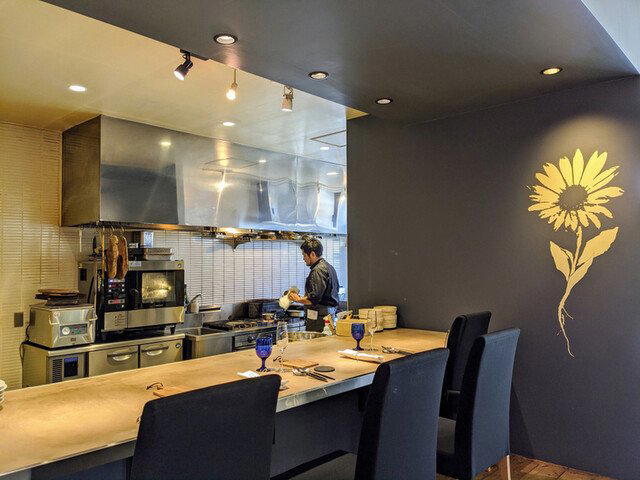
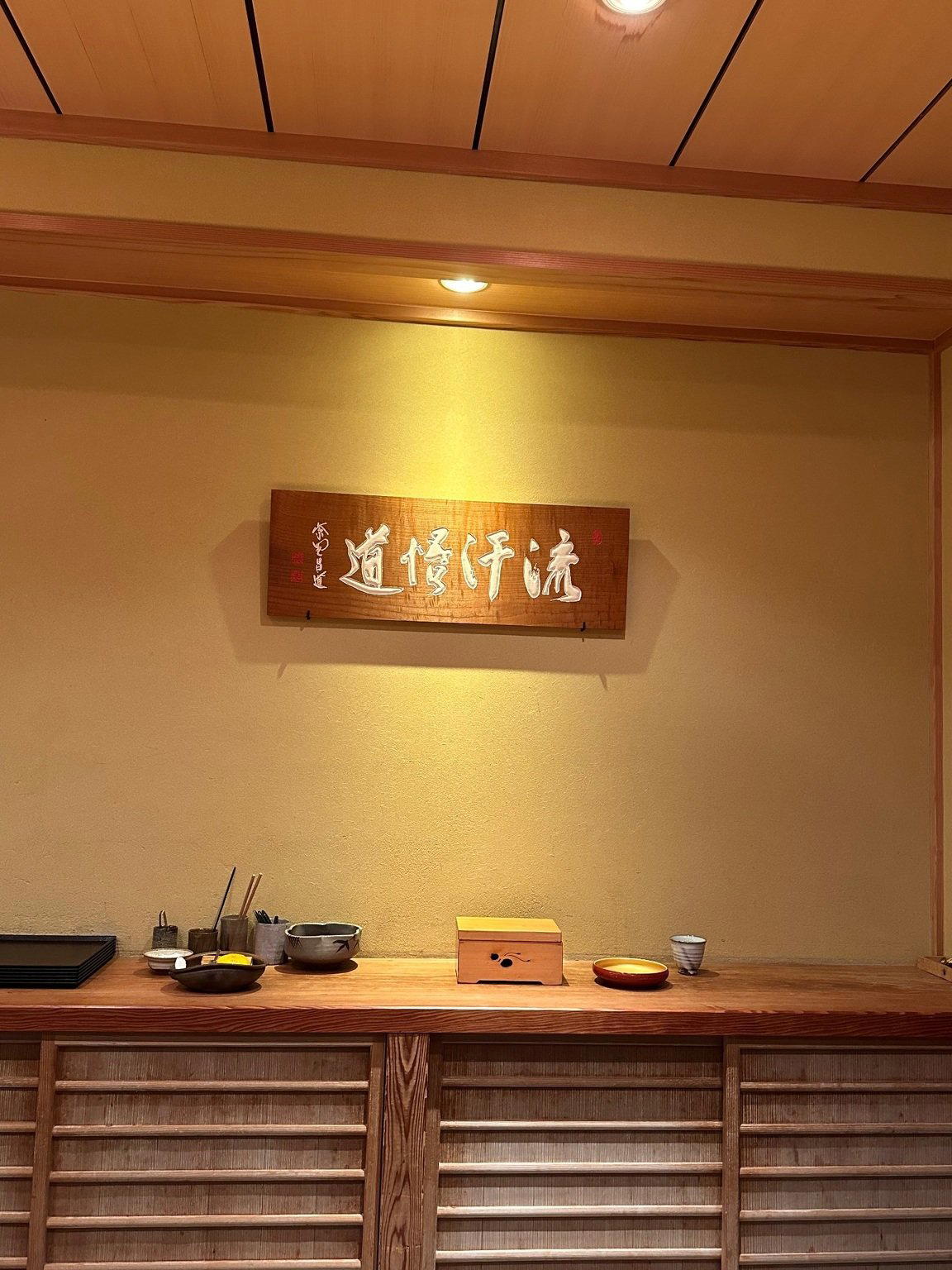
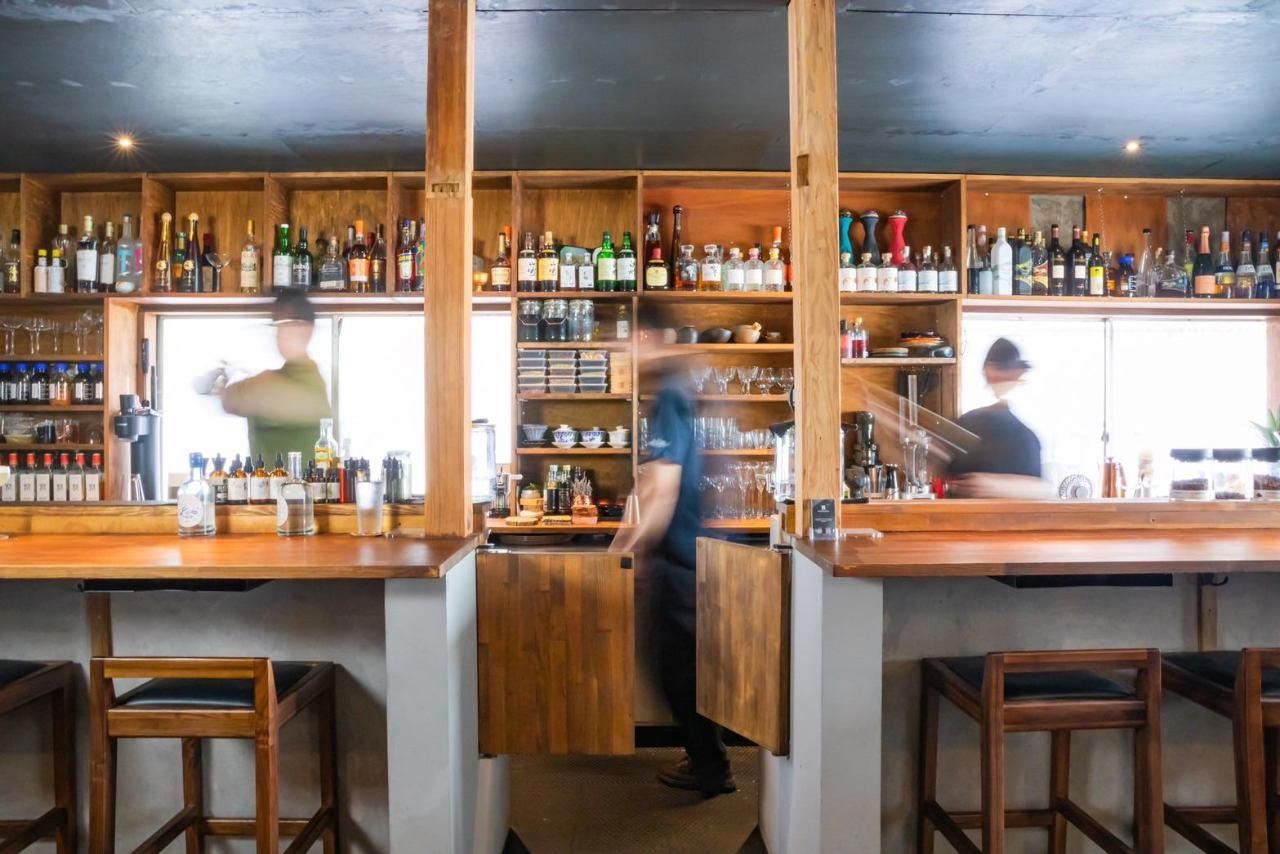
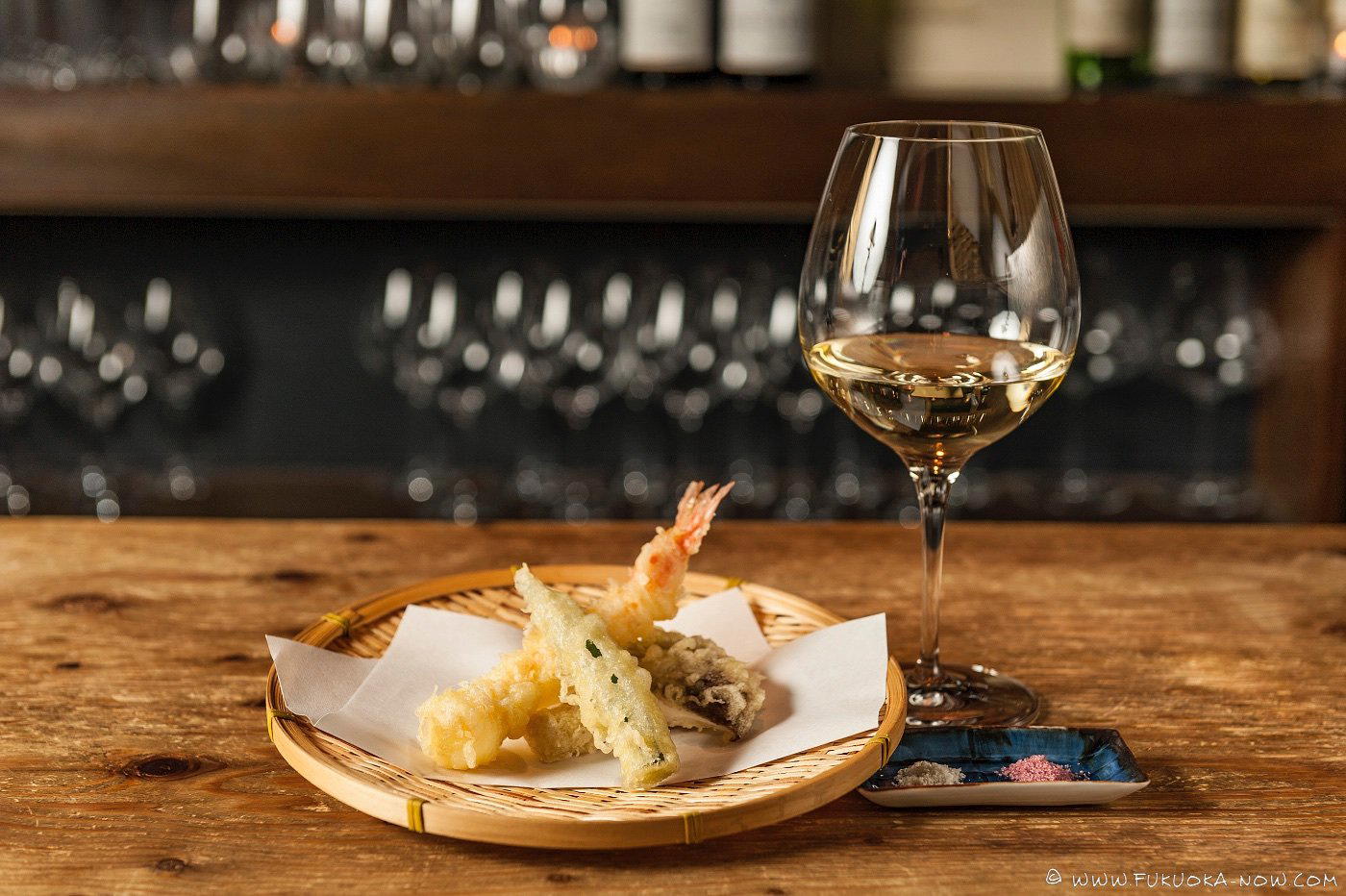
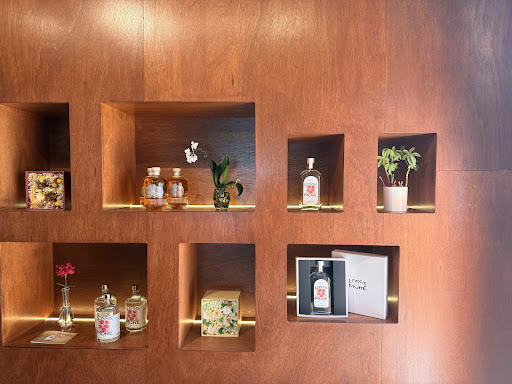
Dimly lit minimalist counter with focused spotlighting on the chef's precise preparations, creating a serene and reverent atmosphere.