
Tabelog 100 #91
Our verdict
Karatsu’s compact dining scene has a serious unagi address in Takeya, a 15-seat house restaurant selected for Tabelog 100 Unagi in 2024 and 2022. The appeal is not spectacle but category focus: eel, sake, tatami-room ease, and a scale that suits a city where seafood and regional Japanese cooking carry more weight than dining-room theatre.

Pearl is the En Primeur Club membership app — saves, bookings, and concierge access live there. Same editors, same standards.
- Address
- 佐賀県唐津市中町1884-2
- Phone
- +81955733244
- Website
- tabelog.com
- Directions
- Get directions
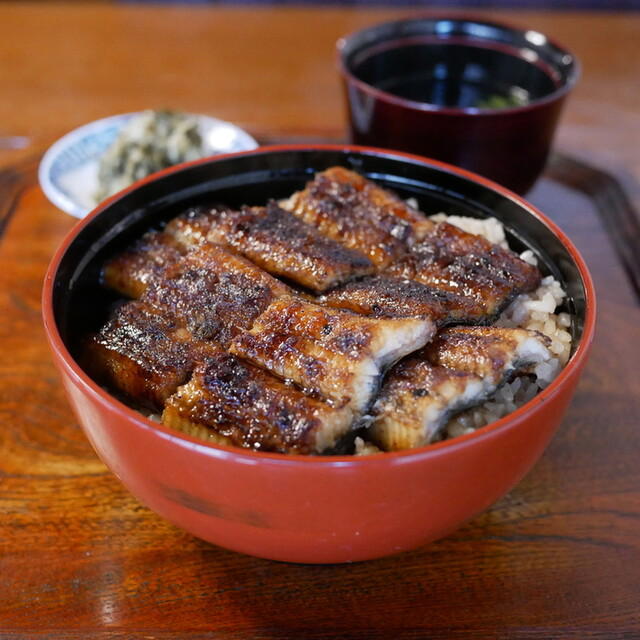
The menu
What to order
- Unagi rice bowl (eel donburi)
- Unagi set meals (teishoku)
- Grilled eel without sauce (shirayaki)
Approach Karatsu and the city’s restaurant culture feels deliberately small-scale: everyday movement, focused rooms, and places that tend to reveal their intent before any menu does. In that setting, an eel house reads differently from a sushi counter or a tasting room. It belongs to a Japanese tradition built around handling, heat discipline, rice, and sauce, with little need for decorative explanation. Takeya fits that grammar: a Karatsu specialist whose public recognition places it firmly in the unagi conversation rather than in a broad, all-purpose dining category.
Unagi occupies a specific place in Japanese dining because the ingredient carries both technical and seasonal expectations. The craft is not only in cooking eel; it is in managing texture, fat, sauce, heat, and timing so the dish retains clarity rather than collapsing into sweetness. In larger cities, that work can be wrapped in luxury cues. In Karatsu, the better reading is local and focused: a room placing eel within a city where dining often rewards narrow specialization.
Karatsu's unagi tradition rewards focus over ceremony
Takeya’s recognition on Tabelog Hyakumeiten for unagi in 2024 puts it in a recognized category rather than a local-only conversation. That matters because eel is a field where reputation is often built through repetition: a limited product range, consistent handling, and a room that can serve its category without stretching into too many directions. The appeal is not the scale of a dining room built for passing tourist volume; it is closer to the Japanese specialist model where a single category carries the meal.
The price structure also signals how to frame the experience, even if the room itself stays modest. Tabelog lists dinner at JPY 3,000 - JPY 3,999 and lunch at JPY 10,000 - JPY 14,999, an inversion that tells travellers to check the intended occasion before assuming the midday meal is the casual choice. This is useful context in Karatsu, where dining plans often revolve around timing and the shape of the day rather than late-night restaurant hopping.
Ingredient quality is the point to watch in any serious unagi meal, even when a restaurant does not publish a detailed procurement manifesto. Eel quality is judged through fat, resilience, and how well the flesh responds to the kitchen’s chosen cooking tradition; rice and tare then become structural rather than decorative. Takeya’s unagi recognition suggests a place evaluated inside that specialist category, not against broader Japanese cuisine rooms. The distinction is important: the question is not whether the menu is expansive, but whether the kitchen gives one ingredient enough attention to justify building a meal around it.
Where it sits among Karatsu's small dining circuit
Karatsu rewards travellers who plan meals by category rather than by general acclaim. Sushi and seafood have their own gravity here, regional Japanese cooking has another, and the city’s smaller international rooms add contrast without turning the town into a big-city dining grid. For a broader comparison, other Karatsu dining rooms sit closer to the regional cooking and seafood conversation. Caravan broadens the local circuit, while Chuka Ooshige and Restaurant Présage show how Karatsu supports formats beyond Japanese staples. Other compact local rooms can also belong on a city shortlist for travellers comparing focused Karatsu meals.
The useful distinction is that eel is not a substitute for sushi, kaiseki, or seafood izakaya dining. It is a more specific commitment. A traveller using Our full Karatsu restaurants guide should treat Takeya as the unagi slot in a Karatsu itinerary, not as a catch-all Japanese meal. The city also benefits from planning beyond the table: Our full Karatsu hotels guide, Our full Karatsu bars guide, Our full Karatsu wineries guide, and Our full Karatsu experiences guide help place the meal within a wider stay rather than treating dinner as the whole trip.
A compact room for travellers who know what they came to eat
The setting is better understood as disciplined and local than theatrical. A focused unagi restaurant changes the pace of a meal: timing, rice, sauce, and heat matter more than design drama. The experience belongs to a small-room register rather than a large-format dining hall. For travellers used to metropolitan counters, that may feel plain at first. In Japanese specialist dining, plainness is often the point; the room recedes so the category can carry the evening.
Payment, access, and booking details should be checked directly before visiting, especially because specialist restaurants in regional cities can keep practical arrangements simple and changeable. The more important planning point is category fit: this is a Karatsu unagi stop, not a place to choose casually because it appears on a general restaurant list. Tabelog’s 2024 Hyakumeiten recognition and listed score of 3.71 give travellers a useful signal, but the meal still makes most sense for diners who actively want eel.
For travellers building a Japan-wide food map, Takeya also illustrates why regional specialists should not be judged by the same cues as urban destination dining. Focused restaurants in other Japanese cities may be built around entirely different formats, ingredients, or service styles, and each makes sense only when read through its own category. Outside Japan, the same principle applies to focused dining rooms as well: narrow formats can carry more editorial weight than broad menus when the execution is disciplined and the premise is clear.
The verdict is simple: Takeya is for diners who want Karatsu through a specialist lens. Its case rests on eel, Tabelog Hyakumeiten recognition for unagi in 2024, and a room that keeps the experience close to a traditional Japanese specialist register. Travellers looking for menu breadth or design-led dining should choose elsewhere in the city; travellers mapping Karatsu through ingredients will understand why a focused unagi meal belongs in the itinerary.
Frequently asked questions
Is Takeya child-friendly?
Takeya is a focused unagi restaurant in Karatsu, so the setting is better suited to a settled meal than to a casual family stop. Its eel focus suits children who can sit through a dedicated lunch or dinner.
What kind of setting is Takeya?
Takeya is in Karatsu. It is best understood as a focused unagi restaurant rather than a large dining hall, and it was selected for Tabelog Hyakumeiten for unagi in 2024.
What's the pricing like at Takeya?
Pricing at Takeya is listed as Dinner: JPY 3,000 - JPY 3,999; Lunch: JPY 10,000 - JPY 14,999.
What is Takeya known for?
Takeya is known for unagi in Karatsu and for its 2024 Tabelog Hyakumeiten recognition in that category.
Quick Comparison
Comparable venues by cuisine and price in the same metro.
| Venue | Cuisine | Price | Awards | Notes |
|---|---|---|---|---|
| TakeyaThis venue — the venue you are viewing | Traditional Unagi (eel) House in Karatsu | $50–100 | Tabelog 100 #91 | Not listed |
| Caravan | Saga Wagyu Teppanyaki Steakhouse | $100–150 | Tabelog Bronze #41 | Nakamachi |
| 飴源 | Traditional Japanese River Cuisine | $50–100 | Tabelog Bronze #17 | central Karatsu |
| 鮨処 つく田 | Karatsu-mae Edomae Sushi Omakase | $150–200 | Tabelog 100 #89 | Nakamachi |
| Satomi An | Dining | Not listed | Tabelog 100 #100 | Karatsu |
| Yamaguchi Okonomiya | Japanese Okonomiyaki | $1–10 | Tabelog 100 #32 | Karatsu |
Recognition history
Dated appearances from independent guides and award organizations, with the underlying list record or original source where available.
Tabelog 100 #91 · No. 91
Tabelog · Tabelog 100 - Unagi - 2024


Details
- Classic
- Rustic
- Cozy
- Intimate
- Well Known
- Casual Hangout
- Solo
- Family
- Special Occasion
- Historic Building
- Standalone
- Sake Program
- A La Carte
- Set Menu
- Sake
- Beer
- Tea
- Pescatarian Friendly
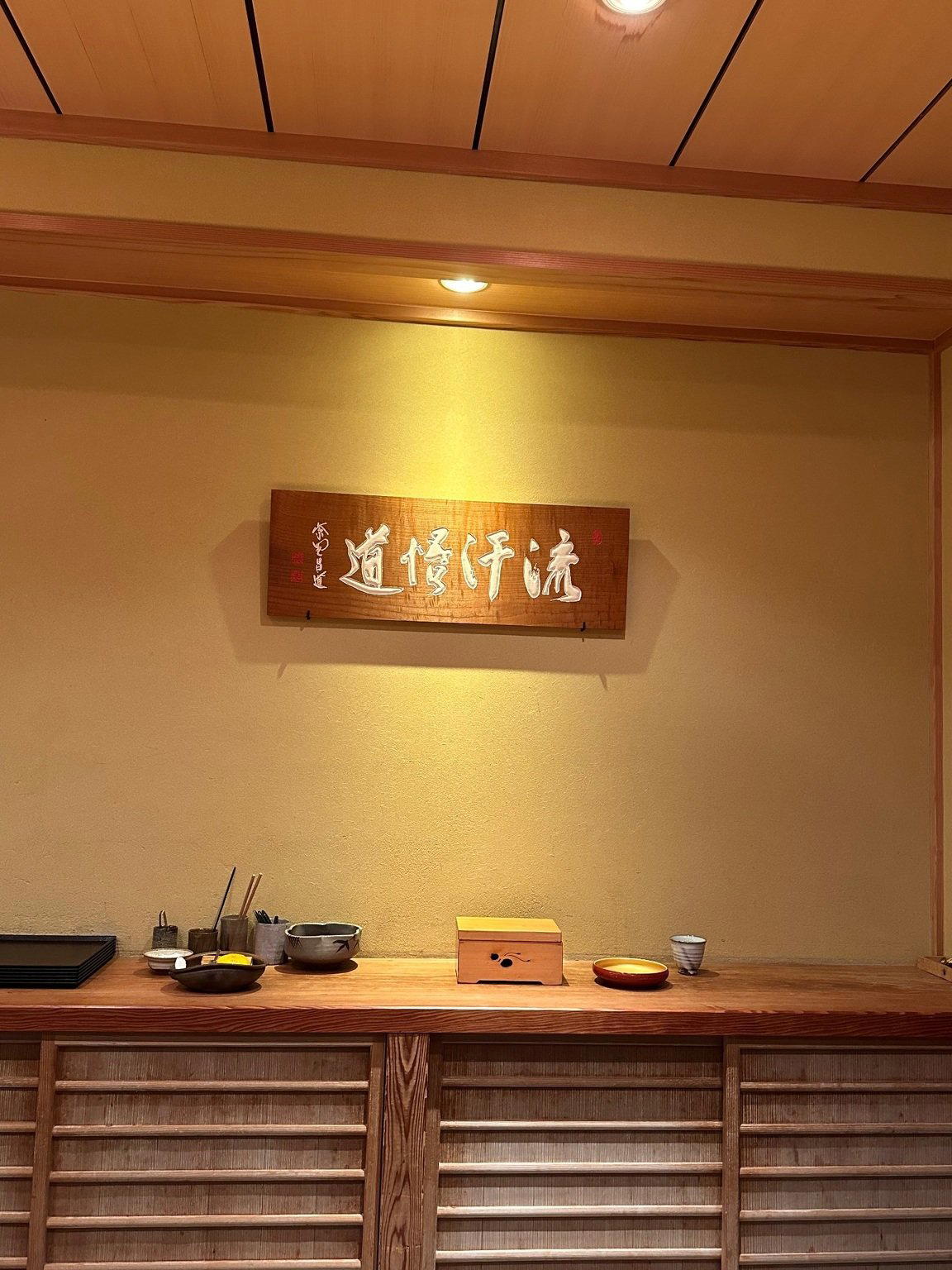
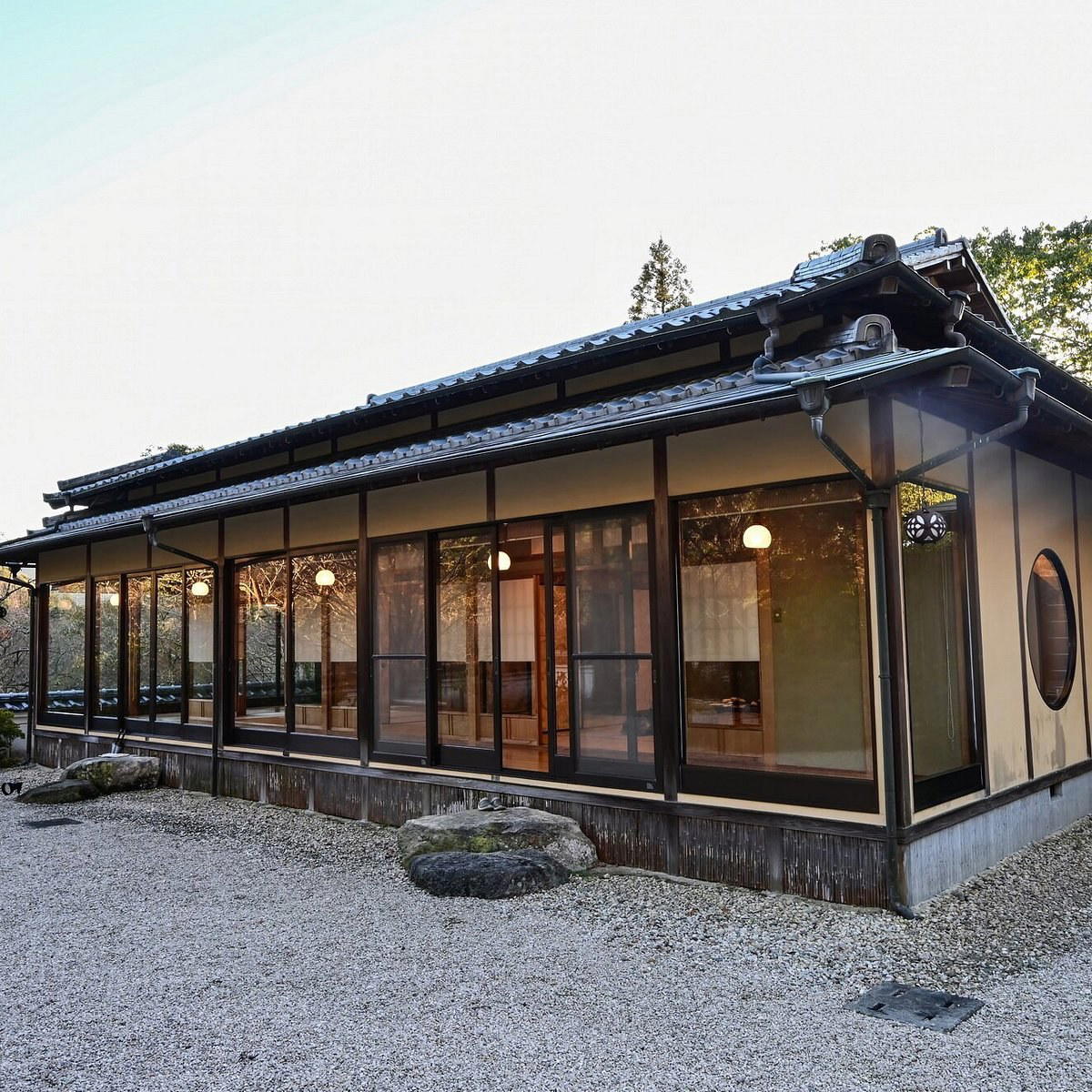
A small, traditional Japanese house-restaurant with tatami rooms and a timeless, classic atmosphere; guests describe it as a charming, slightly rustic historic building that feels cozy and intimate rather than modern or flashy.