
Tabelog 100 #25
Our verdict
Chuka Ooshige brings Karatsu into Japan’s serious Chinese dining conversation through a compact, high-heat format rather than metropolitan scale. The cooking is framed by Japanese-Chinese technique with Kyoto roots, and its 2026 Tabelog Award Silver recognition plus selection for Tabelog Chinese WEST “Tabelog 100” place it in a competitive regional tier.

Pearl is the En Primeur Club membership app — saves, bookings, and concierge access live there. Same editors, same standards.
- Address
- 552-5 Bozumachi, Karatsu, Saga 847-0056, Japan
- Phone
- +81 955-53-8820
- Website
- instagram.com
- Directions
- Get directions
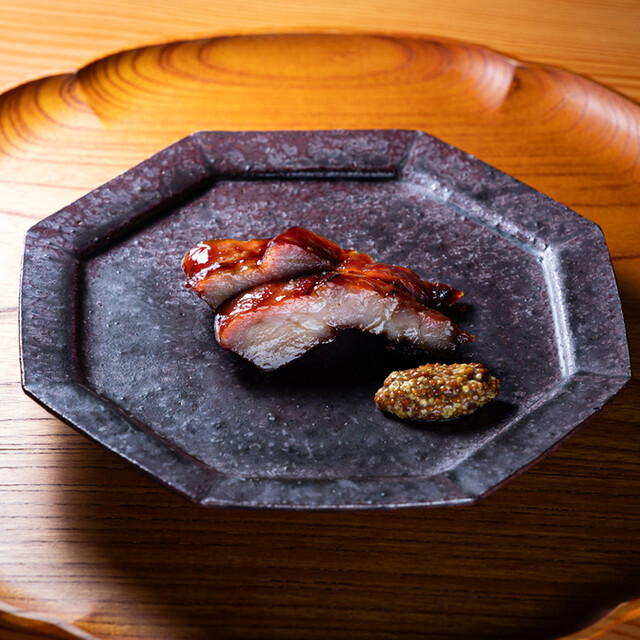
Approaching Chinese dining in Karatsu means lowering the volume rather than expecting the theatre of a big-city dining room. The interest here is concentration: a small room, a short radius between kitchen and table, and the kind of cooking where heat, timing, and sequence matter more than ornament. In that setting, the wok is not a symbol of informality. It is the discipline.
Karatsu is better known to travelling diners for seafood, pottery, and the broader food culture of northern Kyushu, but its stronger restaurants increasingly resist a single-category reading. The city can support Japanese cuisine built around regional product, French rooms with local sourcing, and Chinese cooking that reads through a Japanese lens. For a wider view of that spread, our full Karatsu restaurants guide maps the city beyond one meal, while nearby references such as Aru Tokoro, Caravan, Kazu, Restaurant Présage, and Satomi An show how varied the city’s serious dining register has become.
High heat, Kyoto technique, and a Karatsu accent
Japan’s high-end Chinese cooking has never been a simple import of Cantonese, Sichuan, or Shanghai traditions. At its sharpest, it uses Chinese technique through Japanese ideas of pacing, seasonality, and restraint. Chuka Ooshige sits inside that conversation: the stated frame is a new style of Chinese cuisine from Karatsu, with techniques rooted in Kyoto and a blend of Japanese and Chinese influences. That sentence matters because it locates the restaurant in a lineage of adaptation, not novelty for its own sake.
The editorial point is not that Chinese food has arrived in Karatsu; Chinese restaurants exist across Japan at every price level. The point is that a small Saga city now has a restaurant recognised in the same 2026 Tabelog Chinese WEST “Tabelog 100” field used to identify serious Chinese dining across western Japan. Add The Tabelog Award 2026 Silver and a Tabelog score above 4.2, and the signal is clear: this is not casual town Chinese dressed up for travellers. It is a compact, technique-led dining room competing in a category where control of heat is judged as closely as sourcing.
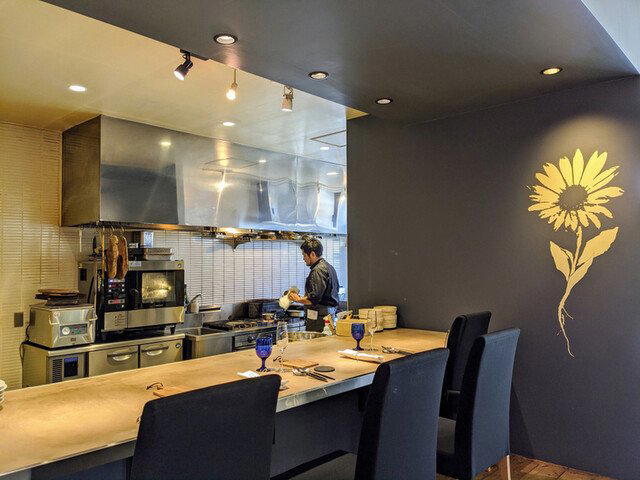
Wok cooking is often misunderstood by diners who only see speed. The better reading is precision under pressure. Aromatics can burn in seconds, seafood tightens if delayed, oil temperature decides texture, and seasoning has to be built before the plate reaches the table. In a small-format restaurant, those decisions become visible in the structure of the meal even when individual dishes are not publicly itemised. The room’s scale supports that argument: counter seating and a small table allocation create a format closer to a chef-led progression than a broad à la carte banquet.
Why this matters in Karatsu's dining scene
Karatsu’s food identity has long been shaped by proximity to the Genkai Sea, the influence of Saga produce, and a visitor culture tied to ceramics and weekend travel from Fukuoka. Chinese cooking at this level changes the itinerary. It gives the city a dinner option that is neither sushi-counter orthodoxy nor regional kaiseki, and it does so without abandoning local context. For travellers building a Karatsu weekend, that variety matters as much as any single award badge.
Within the comparison set, the price tier places Chuka Ooshige alongside Chinese Sen rather than the higher bracket occupied by MASUKI. Chaoran and Good morning Hongkong illustrate how broad the Chinese category becomes once regional and price differences enter the frame: the same cuisine label can cover a luxury Korean-market dining room, a low-cost Hong Kong-style address, and Japanese Chinese formats with tightly controlled service. That spread is useful because it prevents a lazy reading of “Chinese” as a single experience. Here, the relevant comparison is technique, capacity, and recognition, not portion size or banquet abundance.
The absence of chef biography in the public-facing story is not a weakness. In Japanese dining, especially outside the largest cities, restaurants often communicate seriousness through format and third-party recognition rather than personality-led branding. The stronger evidence is objective: a small seat count, reservation-only access, no private rooms, private-use availability, no-smoking policy, credit-card acceptance, and a single-service rhythm across lunch or dinner. Those details point to a controlled restaurant rather than a flexible neighbourhood canteen.
How to place it within a Karatsu trip
This is a restaurant to plan around, not casually add between sightseeing stops. Karatsu’s appeal rewards slow scheduling: pottery studios, castle-area walks, coastal drives, and meals that do not feel interchangeable with Fukuoka or Tokyo. Pairing a Chinese dinner of this sort with a seafood-focused lunch on another day gives a more accurate read of the city than chasing only one cuisine category. Travellers comparing lodging, drinks, and non-restaurant time can use our full Karatsu hotels guide, our full Karatsu bars guide, our full Karatsu wineries guide, and our full Karatsu experiences guide to build the wider stay.
For readers tracking Chinese dining across Japan rather than only Karatsu, the comparison becomes broader. Tokyo’s Chinese scene includes addresses such as 4000 Chinese Restauranat and 4000 Chinese Restaurant, while the national dining map quickly branches into specialist categories, from -Grilled beef Sukiyaki- KAMAKURA TANUKIAN 鎌倉 たぬき庵 in Kamakura to. 鮪と炭火焼き うお炭 秋葉原店 in Tokyo.cafe in Osaka.know in Kumamoto, (Shoku) Vietnam in Kawasaki, and [Curry Senmon Ten] Maruyama Kyoju. in Sapporo. That breadth is the point: Japanese dining excellence is increasingly regional, category-specific, and difficult to summarise by city hierarchy alone.
The verdict is practical and narrow: choose this for a controlled Chinese meal where high-heat technique, Japanese pacing, and regional recognition are the draw. It is less suited to diners looking for a loose banquet format or a broad menu to browse. In Karatsu, that focus gives the restaurant its value: it adds flame, speed, and precision to a city more often read through sea air and clay.
Frequently asked questions
Does Chuka Ooshige work for a family meal?
Yes, if the group can work within the room count: the restaurant has up to 5 counter seats and up to 4 table seats, with a total of 9 seats. Its dinner range of JPY 10,000–JPY 14,999 places it in a serious but not extravagant bracket for Karatsu.
What is the atmosphere like at Chuka Ooshige?
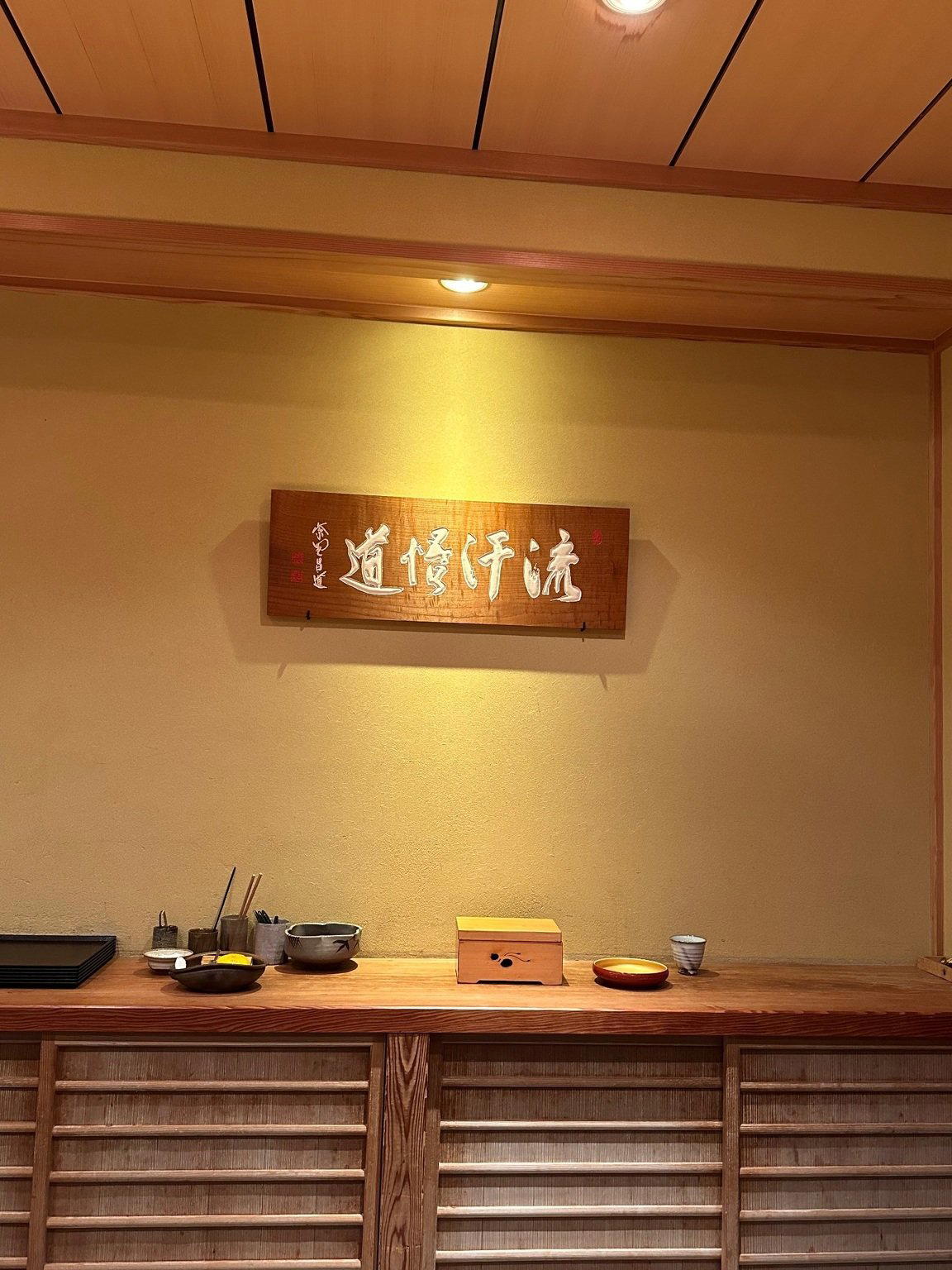
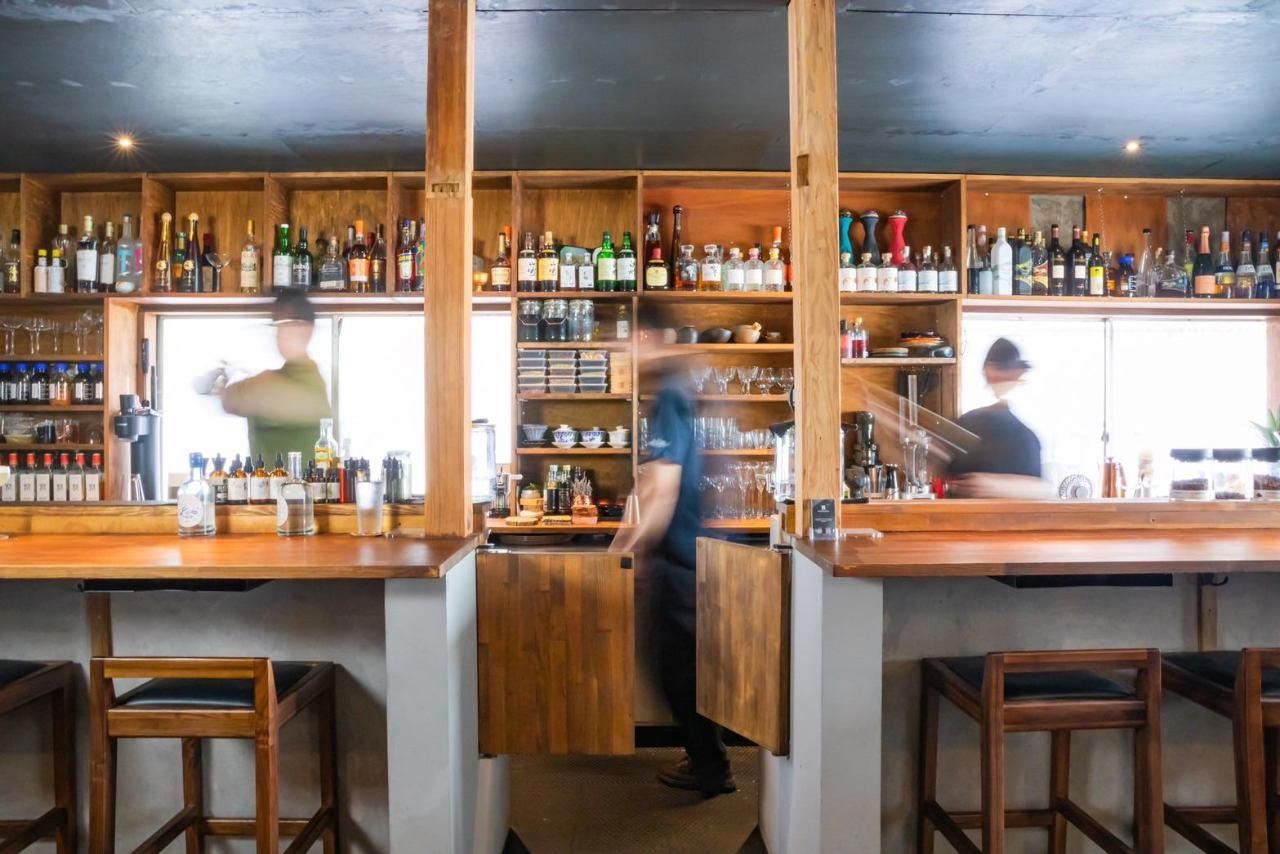
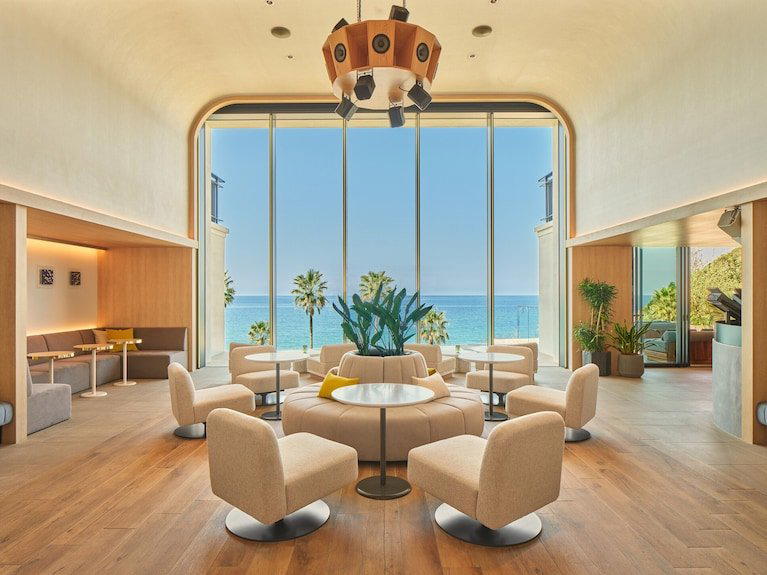
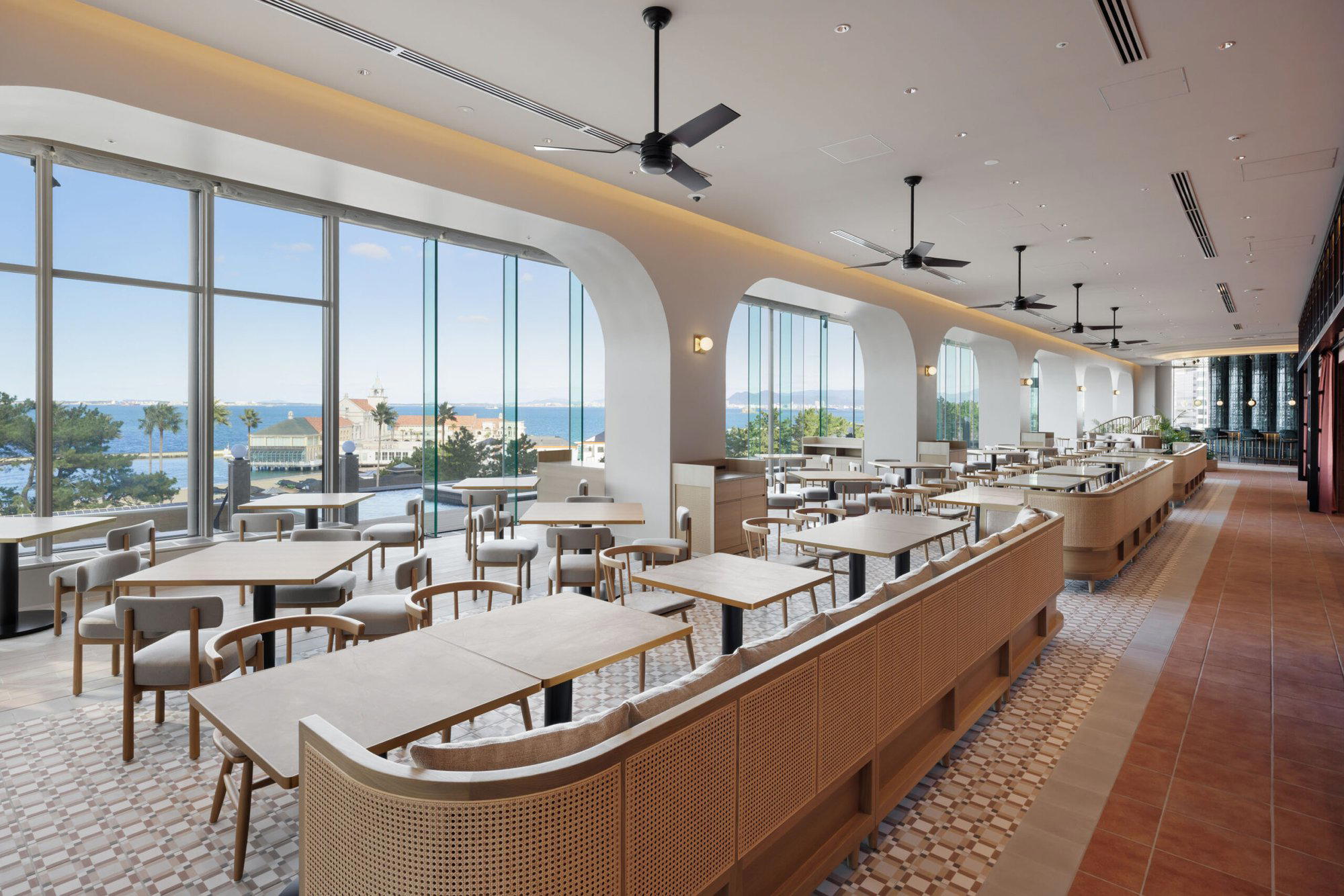
The room is compact and reservation-only, with a choice of counter or table seating in a 9-seat layout. That format, plus its 2026 Tabelog 100 selection for Chinese cuisine in the WEST area, points to a focused dining room rather than a casual drop-in spot.
What type of food is Chuka Ooshige known for?
Chuka Ooshige serves Chinese cuisine.
What should I budget for a meal at Chuka Ooshige?
Pricing at Chuka Ooshige is listed as JPY 10,000 - JPY 14,999 View spending breakdown.
What's Chuka Ooshige's location?
Chuka Ooshige is located in Karatsu.
How hard is it to get a table at Chuka Ooshige?
Reservation only, one service per day, and just 9 seats make the booking pattern tight. The 2026 Tabelog 100 selection for Chinese cuisine in the WEST area adds another layer of demand, so advance planning is sensible.
At-a-Glance Comparison
Comparable venues by cuisine and price in the same metro.
| Venue | Cuisine | Price | Awards | Notes |
|---|---|---|---|---|
| Chuka OoshigeThis venue — the venue you are viewing | Modern Cantonese Chinese | $50–100 | Tabelog 100 #25 | Not listed |
| Takeya | Traditional Unagi (eel) House in Karatsu | $50–100 | Tabelog 100 #91 | Nakamachi, Karatsu |
| Aru Tokoro | Traditional Karatsu Kaiseki | $100–150 | Tabelog Bronze #28 | Kagami |
| Restaurant Présage | Seasonal French fine dining in Karatsu | $150–200 | Not listed | Shinko-machi |
| 鮨処 つく田 | Karatsu-mae Edomae Sushi Omakase | $150–200 | Tabelog 100 #89 | Nakamachi |
| Kazu | French Fine Dining | Not listed | Not listed | Nishi Karatsu |
Recognition history
Dated appearances from independent guides and award organizations, with the underlying list record or original source where available.
Tabelog 100 #25 · No. 25
Tabelog · Tabelog 100 - Chinese cuisine - WEST - 2026
Full recognition history (2 entries)
Tabelog Silver #100
Tabelog
Details
- Intimate
- Cozy
- Date Night
- Special Occasion
- Standalone
- Local Sourcing
- A La Carte
Intimate couple-run spot with cozy atmosphere focusing on crafted Chinese dishes.