
Tabelog Bronze #28
Our verdict
A reservation-only house restaurant in the Nijinomatsubara area of Karatsu, Aru Tokoro earned a Tabelog Award 2026 Bronze with a score of 3.88, placing it among Saga Prefecture's most-cited regional tables. The kitchen works across Japanese cuisine, regional dishes, and seafood, with lunch and dinner both priced between JPY 10,000 and JPY 14,999. Parking is available and private rooms can be arranged.

Pearl is the En Primeur Club membership app — saves, bookings, and concierge access live there. Same editors, same standards.
- Address
- 732 Kagami, Karatsu, Saga 847-0022, Japan
- Phone
- +81 955-58-8898
- Hours
- Daily 11 AM–10 PM
- Website
- instagram.com
- Directions
- Get directions
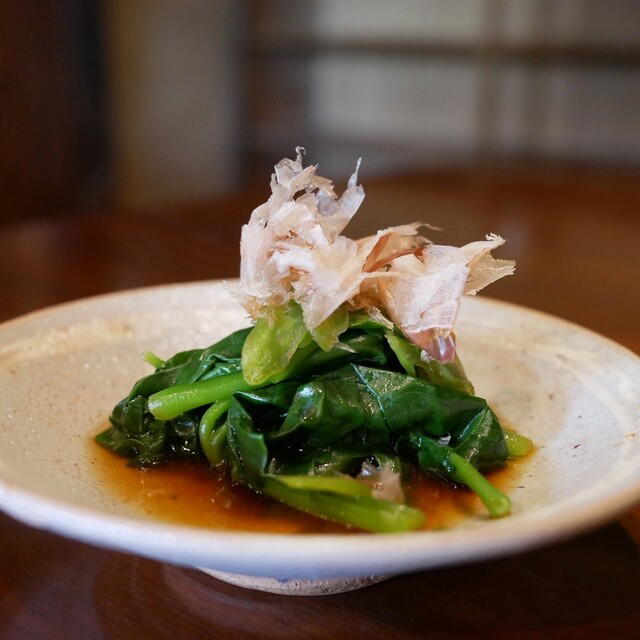
The menu
What to order
- Kamado-cooked onigiri
- Chargrilled fish
- Wild boar stew
A Rural House Setting and the Weight of Karatsu's Larder
Karatsu occupies a stretch of Saga Prefecture's northern coast where the Genkai Sea and the sandy pine corridor of Nijinomatsubara shape both the scenery and the supply chain. The city sits roughly 60 kilometres north of Fukuoka, close enough to draw a sophisticated dining audience but far enough removed that its leading restaurants operate outside the metropolitan pressure to perform for international critics. That distance has produced something more interesting: a cluster of quietly serious tables working with one of Kyushu's most compelling coastal larders, drawing on Karatsu Wagyu from the local highlands, kuruma prawns from the Genkai Sea, and the seasonal seafood that defines northern Saga's culinary identity.
Aru Tokoro sits approximately 2,100 metres from Nijinomatsubara station, in a house format that is common to Japan's most personal dining formats. The approach to restaurants of this type — domestic in scale, removed from urban foot traffic, accessible only by car or deliberate navigation — is itself a signal. In the same way that some of Kyoto's more considered kaiseki houses occupy converted machiya townhouses away from the tourist corridors, Aru Tokoro uses the physical fact of its location as a declaration of intent. Parking is available on site, and the interior includes private rooms, making it practical for small groups seeking an uninterrupted meal.
The Kaiseki Framework in a Regional Context
Japanese multi-course cooking, in its classical form, is an exercise in restraint and sequencing. The kaiseki tradition, originating in the tea ceremony culture of Kyoto and later evolving into a more elaborate restaurant format, asks the kitchen to express season, place, and technique through a progression of small courses rather than through any single statement dish. In Kyoto and Tokyo, that tradition is carried by institutions with generations of lineage: venues like Gion Sasaki in Kyoto operate within a dense framework of expectation, peer comparison, and institutional memory. Further afield, in cities like Goh in Fukuoka, the kaiseki format has been reinterpreted through regional ingredients and more contemporary plating logic.
What happens at the regional tier, in cities like Karatsu, Nara, or coastal Kyushu towns, is a quieter version of the same discipline. The philosophical architecture of kaiseki, with its emphasis on seasonality, product sourcing, and the pacing of a meal, applies just as much here as it does in the capital. Aru Tokoro, categorised across Japanese cuisine, regional cooking, and seafood, operates within that framework while drawing exclusively on what northern Saga's coast and hinterland can provide. That geographic constraint is not a limitation; it is the point. The kaiseki ideal, stripped of metropolitan showmanship, becomes a direct translation of a specific place and a specific season.
For context on how Japanese fine dining expresses itself across very different price tiers, consider the distance between Aru Tokoro's JPY 10,000 to JPY 14,999 bracket and the top-end counters in the national conversation. Harutaka in Tokyo and HAJIME in Osaka both operate at Michelin three-star level with corresponding price structures. At the regional tier, the investment is lower but the philosophical commitment to product and seasonality can be just as rigorous. The same argument applies internationally: Le Bernardin in New York City and Atomix in New York City demonstrate how a kitchen's unwavering focus on a single product category, seafood, in both cases, builds a coherent identity across years of service. At Aru Tokoro, the coastal larder of the Genkai Sea plays an analogous role.
Tabelog Recognition and What It Signals
Tabelog is Japan's most widely consulted restaurant review platform, and its annual award system functions as a meaningful proxy for consistent quality at the domestic level. The scoring methodology aggregates verified user reviews over time, weighted for reviewer credibility, making a score of 3.88 a genuinely difficult threshold to reach. In Tabelog's framework, scores above 3.5 place a restaurant in the leading few percent of all listed venues nationally; scores approaching 4.0 begin to overlap with venues carrying formal critical recognition.
Aru Tokoro's Tabelog Award 2026 Bronze, with a score of 3.88 and a ranking of 28th in its award group, positions it as one of Saga Prefecture's most consistently regarded tables in the regional Japanese dining category. Bronze designation in the Tabelog system is not a consolation tier; it represents sustained performance across a large volume of reviews, with no single high-profile visit capable of distorting the aggregate. For a house restaurant in a coastal city outside the major metropolitan circuits, that kind of recognition carries more signal than a single guidebook listing.
Other regionally recognised tables across Japan operating at comparable levels of commitment include akordu in Nara, 1000 in Yokohama, 6 in Okinawa, Abon in Ashiya, and affetto akita in Akita. Each of these venues demonstrates that serious cooking in Japan is not confined to Tokyo, Osaka, or Kyoto. The regional circuit has its own rigour.
Karatsu's Broader Dining Character
Karatsu's restaurant scene is small by the standards of a Fukuoka or a Kyoto, but its position at the intersection of agricultural Saga and the Genkai Sea coast gives its leading tables access to ingredients that urban kitchens would need to source from a distance. The city is associated with Karatsu-yaki pottery, one of Japan's most celebrated ceramic traditions, which also shapes the visual language of local dining; the relationship between food and vessel is taken seriously here in ways that reinforce the kaiseki aesthetic of considered presentation.
For visitors building a broader itinerary in Karatsu, the city's restaurant options extend beyond the Japanese fine dining category. Caravan and Chuka Ooshige represent other points on the local dining spectrum. A fuller picture of what the city offers across restaurants, bars, hotels, wineries, and experiences is available through our full Karatsu restaurants guide, our full Karatsu hotels guide, our full Karatsu bars guide, our full Karatsu wineries guide, and our full Karatsu experiences guide.
Planning a Visit
Aru Tokoro operates on a reservation-only basis, open seven days a week between 11:00 and 17:00. Given the house restaurant format and the Tabelog recognition, table availability is limited; reservations should be made well in advance, particularly for weekend slots. The price range of JPY 10,000 to JPY 14,999 applies to both lunch and dinner services, which given the hours is a distinction worth noting: the kitchen's operating window runs through the afternoon, and the meal format does not divide neatly into a short lunch and a separate dinner sitting. Credit cards are accepted; electronic money and QR code payments are not. Private rooms are available and can be reserved for exclusive use. The restaurant opened in June 2015, giving it a decade of operation and the kind of settled consistency that the Tabelog score reflects. The address is 732 Kagami, Karatsu, Saga 847-0022, and on-site parking is available, which matters given the distance from the nearest train connection at Nijinomatsubara.
Frequently asked questions
What does dinner at Aru Tokoro typically cost?
Pricing at Aru Tokoro is listed as JPY 10,000 - JPY 14,999 JPY 10,000 - JPY 14,999 View spending breakdown.
Does Aru Tokoro have a Michelin star or similar recognition?
Aru Tokoro has received recognition including: {"Year":"2026","Award Source":"Tabelog","Award Type":"The Tabelog Award","Award Group":"bronze","Award Group Rank":"28","Restaurant Name":"Aru Tokoro","Score":"3.88","Budget":"Dinner: JPY 10,000 - JPY 14,999; Lunch: JPY 10,000 - JPY 14,999"….
What's the signature dish at Aru Tokoro?
The venue operates within Japanese regional cuisine and seafood categories, suggesting the kitchen draws on Karatsu's Genkai Sea larder, but specific menu items have not been published. check the venue's official channels before your visit.
Where exactly is Aru Tokoro?
Aru Tokoro is located at 732 Kagami, Karatsu, Saga 847-0022, Japan, Karatsu.
Should I book Aru Tokoro in advance?
Yes. Aru Tokoro operates on a reservation-only basis with no walk-in service, and the house restaurant format means capacity is limited. The Tabelog Award 2026 Bronze recognition, with a score of 3.88, drives consistent demand. Reservations should be secured well ahead, particularly for weekend visits.
What's Aru Tokoro best at?
Aru Tokoro's Tabelog score of 3.88 and 2026 Bronze award place it among Saga Prefecture's most consistently rated regional restaurants. The combination of a house restaurant setting, private rooms, and a cuisine rooted in Japanese regional cooking and local seafood gives it a character distinct from urban kaiseki counters in Fukuoka or Kyoto.
Comparable Venues
Comparable venues nearby, for context on price, style, and recognition.
| Venue | Cuisine | Price | Awards | Notes |
|---|---|---|---|---|
| Aru TokoroThis venue — the venue you are viewing | Traditional Karatsu Kaiseki | $100–150 | Tabelog Bronze #28 | Not listed |
| Tanokyu | Saga Tonkotsu Ramen | $10–20 | Not listed | Karatsu |
| Takeya | Traditional Unagi (eel) House in Karatsu | $50–100 | Tabelog 100 #91 | Nakamachi, Karatsu |
| 鮨処 つく田 | Karatsu-mae Edomae Sushi Omakase | $150–200 | Tabelog 100 #89 | Nakamachi |
| Chuka Ooshige | Modern Cantonese Chinese | $50–100 | Tabelog 100 #25 | Bozu-cho |
| 飴源 | Traditional Japanese River Cuisine | $50–100 | Tabelog Bronze #17 | central Karatsu |
Recognition history
Dated appearances from independent guides and award organizations, with the underlying list record or original source where available.
Tabelog Bronze #28
Tabelog
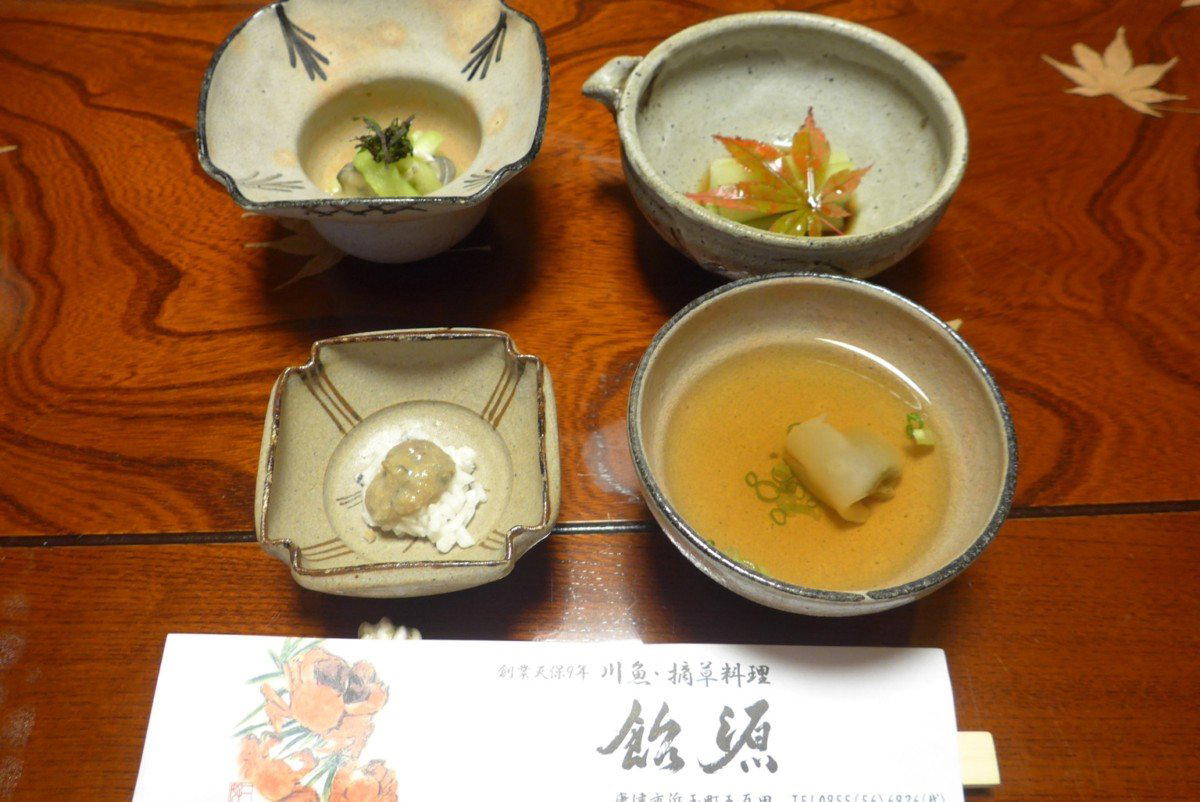
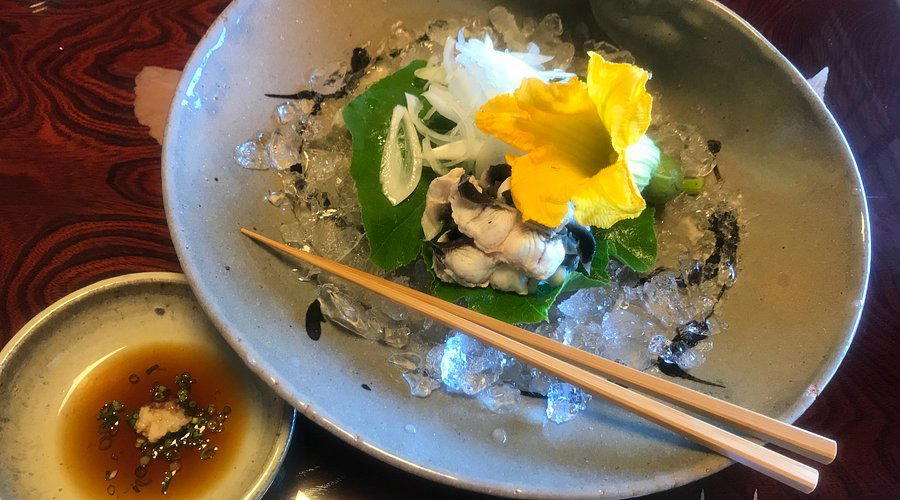
Details
- Cozy
- Rustic
- Intimate
- Classic
- Serene
- Special Occasion
- Date Night
- Historic Building
- Sake Program
- Local Sourcing
- Mountain
- Omakase
- Sake
- Natural Wine
Current opening hours
- Monday
- 11 AM–10 PM
- Tuesday
- 11 AM–10 PM
- Wednesday
- 11 AM–10 PM
- Thursday
- 11 AM–10 PM
- Friday
- 11 AM–10 PM
- Saturday
- 11 AM–10 PM
- Sunday
- 11 AM–10 PM
Hours can change for holidays and private events. Last verified .
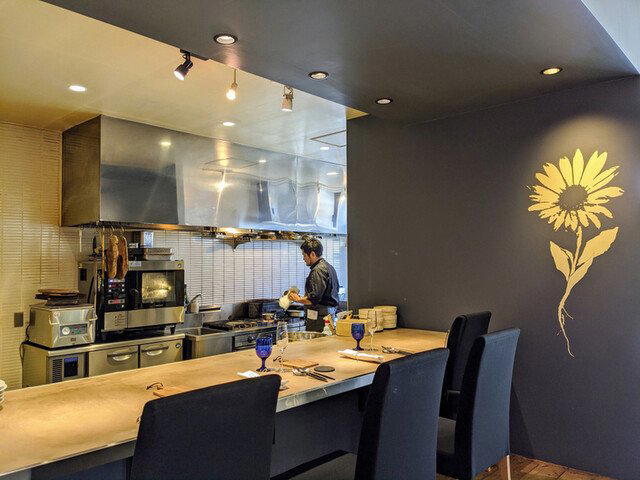
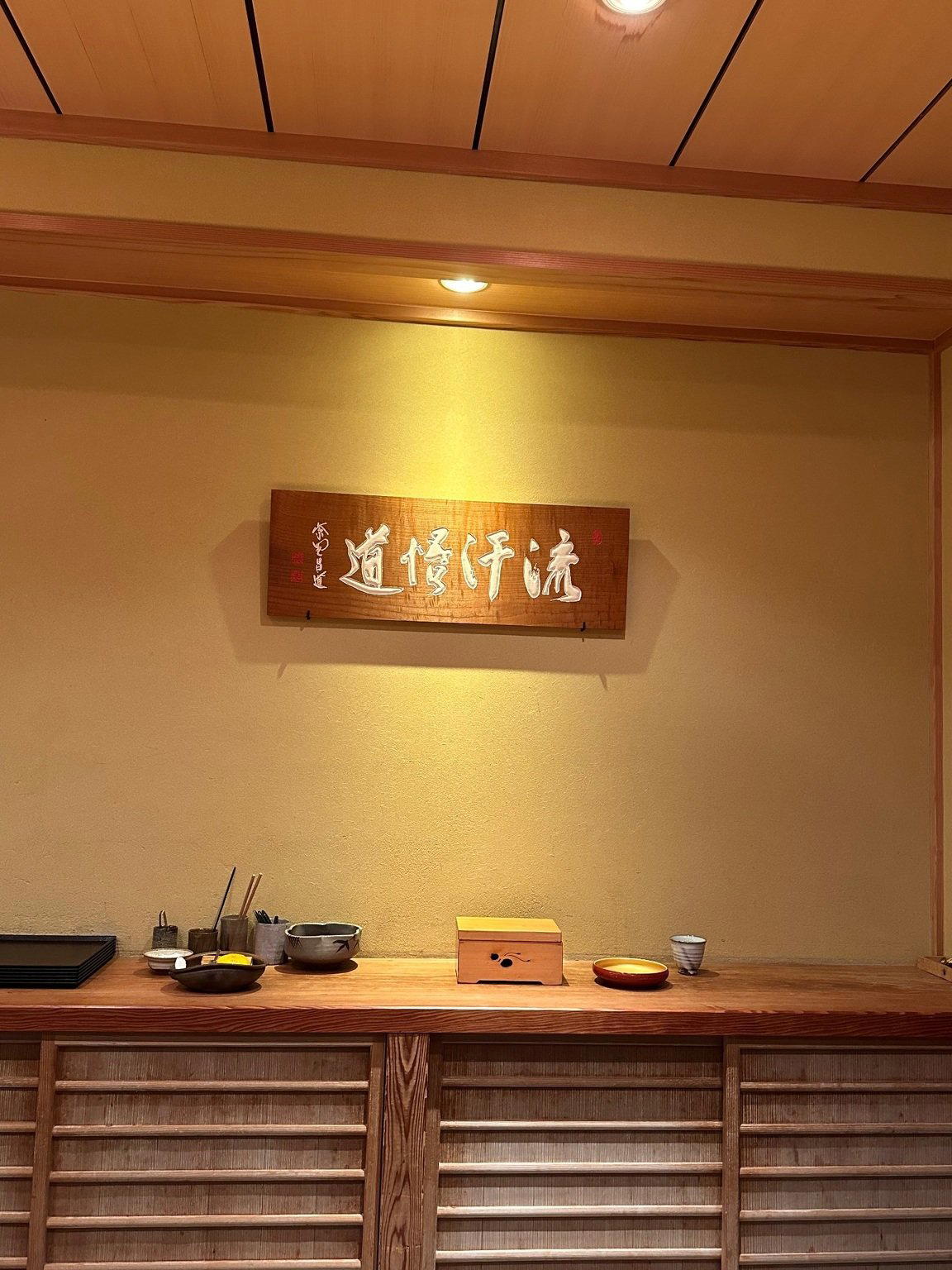
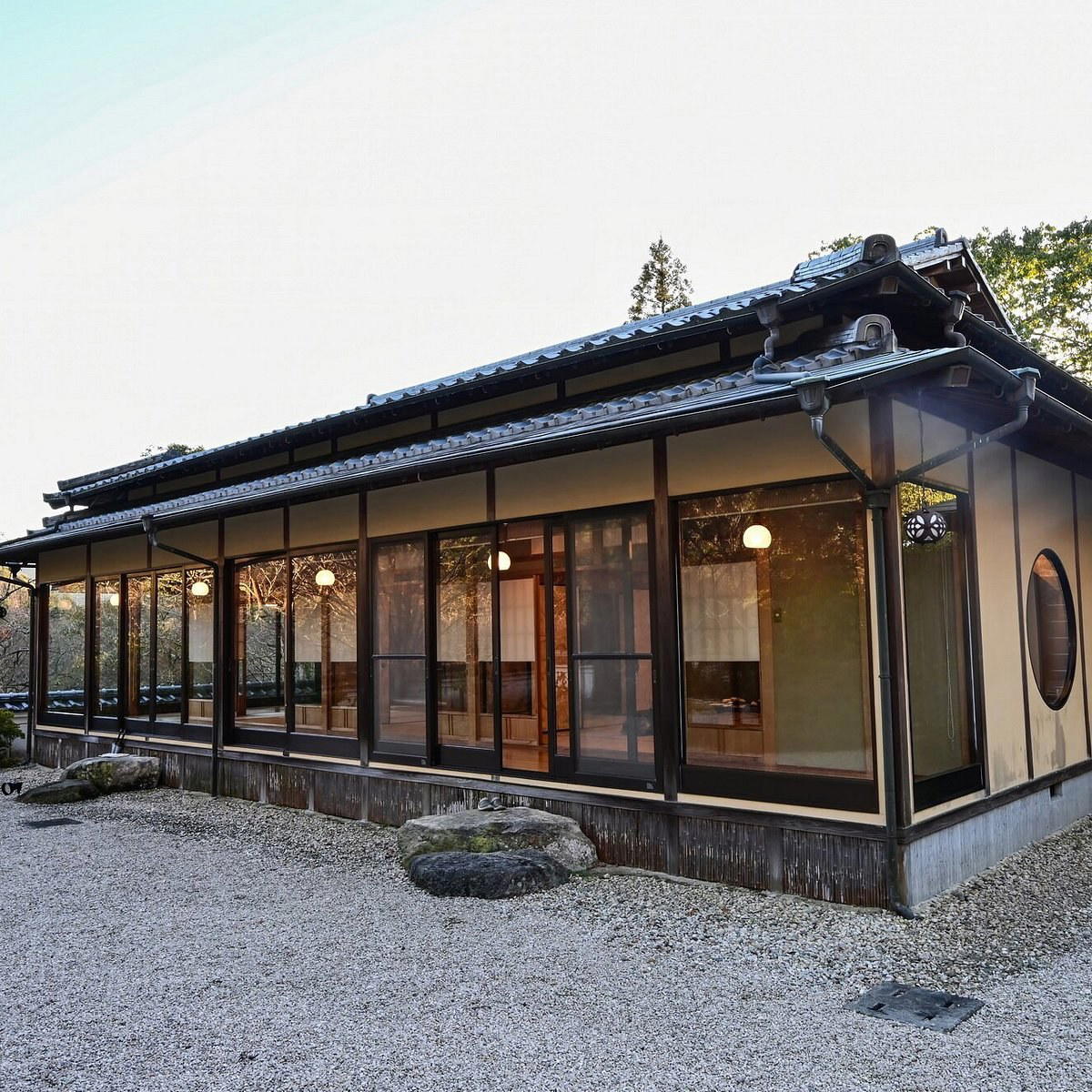
Nostalgic homey atmosphere with earthen walls, dirt-floored doma, polished wooden tables, central chef's counter, soft clarinet music, and warm hearth-like feel.