Our verdict
Ranked sixth on Ramen Beast's Top 10 Bowls of Ramen in 2025, Tanokyu operates out of Karatsu in Saga Prefecture — one of Japan's most underappreciated food prefectures, and a long way from the ramen circuits that dominate Tokyo and Fukuoka coverage. The recognition places it among a small group of rural Japanese ramen shops earning national-level editorial attention.

Pearl is the En Primeur Club membership app — saves, bookings, and concierge access live there. Same editors, same standards.
- Address
- 3274-1 Ishishi, Karatsu, Saga 847-0832, Japan
- Phone
- +81 955-78-1398
- Hours
- Mon–Tue 11:15 AM–2 PMWed ClosedThu–Sat 11:15 AM–2 PMSun Closed
- Directions
- Get directions
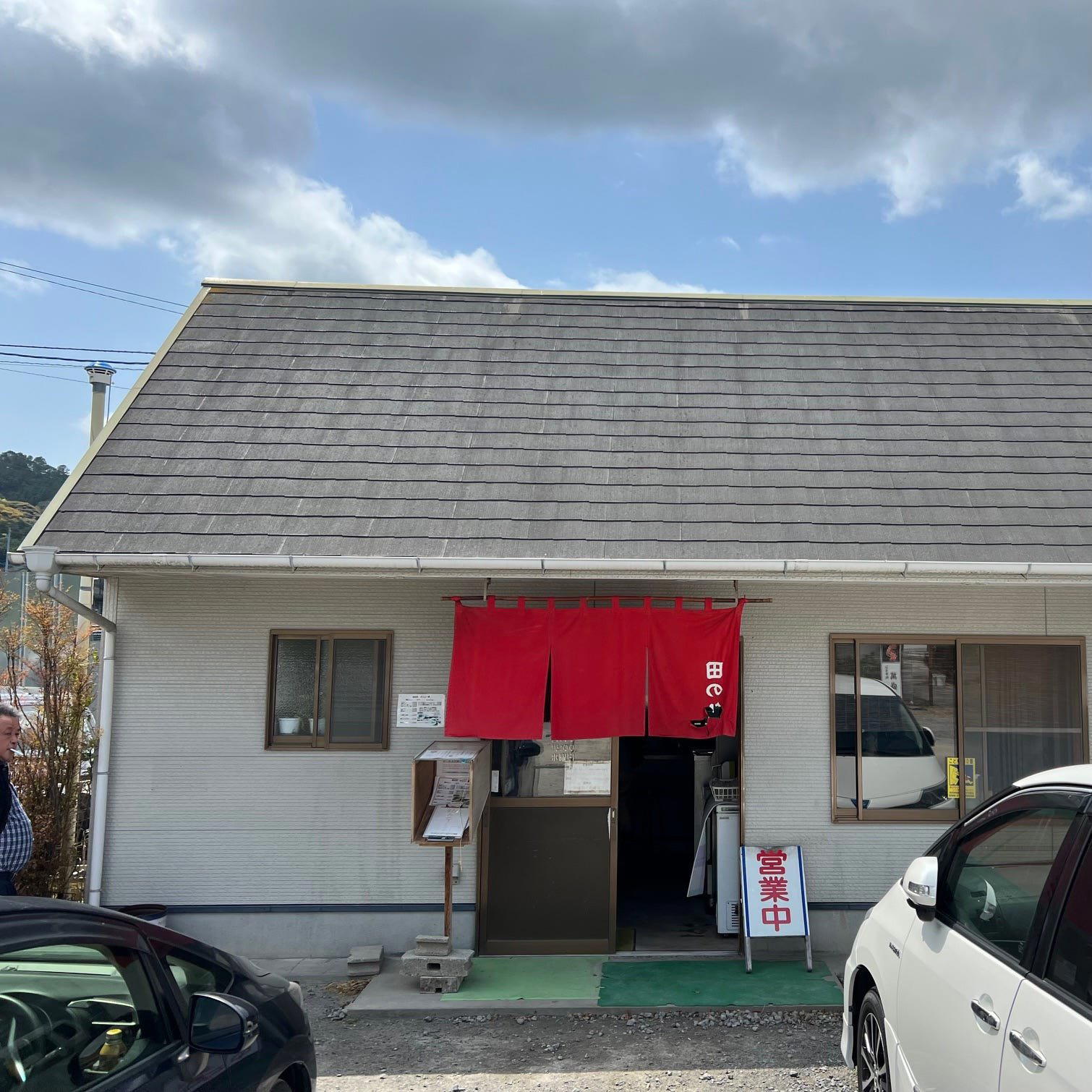
Ramen at the Edge of Kyushu's Culinary Map
Saga Prefecture sits in the northwest corner of Kyushu, bordered by the Genkai Sea to the north and Nagasaki to the west. It is one of Japan's least-visited prefectures by foreign tourists, and Karatsu — a castle town renowned for its feudal pottery tradition and the Karatsu Kunchi festival — does not appear on most ramen itineraries. That is precisely why Ramen Beast's 2025 ranking matters. When a publication that covers Japan's ramen scene with real geographic depth places a Karatsu shop at number six nationally, it signals something worth examining: a regional tradition operating largely outside the promotional machinery that amplifies urban ramen culture.
In Japan, the tension between regional and metropolitan food recognition is well-established. Fukuoka's tonkotsu tradition built its national reputation partly through proximity to Tokyo food media; Sapporo's miso ramen has a tourism infrastructure behind it. Saga's ramen culture has neither of those advantages, which makes Ramen Beast's sourcing of Tanokyu, address: 3274-1 Ishishi, Karatsu, feel less like discovery and more like belated documentation. The bowl earned its ranking on merit assessed against the full national field, not on the back of a local PR push.
The Logic of a Regional Bowl
Understanding what a Karatsu ramen shop represents requires some context about how Kyushu's ramen traditions fragment by prefecture. Fukuoka's hakata-style tonkotsu is the dominant export, but prefectures like Saga, Nagasaki, and Kumamoto each carry their own local interpretations, lighter broths, different noodle gauges, regional ingredient inflections shaped by what the surrounding coastline and farms produce. Saga, with its access to Genkai Sea seafood and its own distinctive agricultural output, has the raw materials for a bowl that diverges from hakata orthodoxy.
Tanokyu's featured bowl is listed simply as ramen, a deliberate absence of subcategorisation that itself communicates something. Japan's top-ranked ramen shops in the post-specialisation era often resist the branding exercise of naming a sub-genre. The bowl is the argument. This editorial restraint in how a shop presents itself is, in some circles, a trust signal in the same way that a menu with fewer dishes implies more attention per dish.
This approach aligns, in a structural sense, with principles you find across Japanese food culture at the serious end: the kaiseki tradition's insistence that the most refined expression of a season or ingredient requires stripping away, not layering on. Ramen, obviously, is not kaiseki, it operates at a different price point and social register, but the underlying logic of letting a single, well-constructed thing carry the meal is shared. Shops like Tanokyu, operating in relative obscurity in a secondary city, often represent this idea more purely than their urban counterparts, who face pressure to perform novelty for food-tourist audiences.
Karatsu as a Dining City
Karatsu has a food culture that runs deeper than its tourism footprint suggests. The city's position on the Genkai Sea gives it access to some of Kyushu's better seafood, the same waters that supply parts of Fukuoka's fish market. Aru Tokoro, which focuses on Japanese regional cuisine and seafood in the JPY 10,000–14,999 bracket, represents the city's more formal dining tier. Caravan and Kazu extend the dining range further, while Chuka Ooshige covers the Chinese category at a similar price tier to Aru Tokoro. See our full Karatsu restaurants guide for broader coverage across the city.
Within this context, a ramen shop earning national ranking sits at a different price register than the seafood-focused fine dining options, but it occupies a different kind of cultural weight. Ramen, in Japan, is taken as seriously as any other format by critics who matter, and Ramen Beast's methodology, which covers regional Japan as rigorously as it covers Tokyo, is one of the more credible frameworks for that assessment.
Where Tanokyu Sits in the Wider Ramen Field
The 2025 Top 10 Bowls list from Ramen Beast is a nationally competitive ranking, not a regional category. For comparison, ramen at the highest national level in Japan is covered across formats ranging from counter-only specialist shops in Shibuya to multi-generation family operations in secondary cities. Tanokyu belongs to the latter geography.
Ramen shops operating at this level in non-metropolitan Japan tend to draw a combination of dedicated local regulars and ramen-tourist day-trippers who plan around the ranking. The Ramen Beast placement will have put Tanokyu on the map for that second group, travellers routing through Kyushu who will add a Karatsu detour specifically for the bowl. That pattern is now established for a number of ranked regional shops across Japan.
For readers building a Kyushu ramen or dining itinerary, the regional context is useful: Goh in Fukuoka covers the fine dining end of Fukuoka's scene, while ramen at the serious end of Japan's national rankings is also represented by Chukasoba Mugen in Osaka and Chukasoba Oshitani in Nara. For the broader kaiseki and fine dining spectrum across Japan, HAJIME in Osaka, Harutaka in Tokyo, Gion Sasaki in Kyoto, akordu in Nara, and Abon in Ashiya map the high end of the country's restaurant culture. Regional dining depth can also be found at affetto akita in Akita, Aji Arai in Oita, Ajidocoro in Yubari District, and Akakichi in Imabari.
Planning a Visit
Tanokyu is located at 3274-1 Ishishi in Karatsu, Saga Prefecture. Karatsu is accessible by rail from Fukuoka via the Chikuhi Line, making it a realistic day trip from Fukuoka city, roughly an hour's journey, or a natural stop on a Kyushu coastal itinerary. No website or reservation platform is listed, which suggests a walk-in format typical of serious regional ramen shops, though this should be verified before making a dedicated trip. The Karatsu address places it outside the central castle-town district, so a local map or navigation app is the practical tool for the final approach.
Frequently asked questions
What's the address for Tanokyu?
Tanokyu is located at 3274-1 Ishishi, Karatsu, Saga 847-0832, Japan, Karatsu.
What's Tanokyu known for in terms of accolades?
Tanokyu has received recognition including: {"name_local": "田の久", "prefecture": "Saga", "source_name": "Ramen Beast", "source_rank": 6, "neighborhood": null, "featured_bowl": "Ramen", "source_article_url": "", "import_sou….
What do regulars order at Tanokyu?
The dish that earned Tanokyu sixth place on Ramen Beast's Top 10 Bowls of 2025 is listed simply as ramen, without a named sub-style.
Do I need a reservation for Tanokyu?
Regional ramen shops in Saga Prefecture typically operate this way, so arriving early in the service window is the practical approach, particularly given the shop's national ranking attention in 2025.
What is Tanokyu known for?
Tanokyu is a ramen shop in Karatsu, Saga Prefecture, ranked sixth on Ramen Beast's Top 10 Bowls of Ramen in 2025 — a nationally competitive list that crosses prefectural lines and includes shops from Fukuoka, Tokyo, and beyond. That placement puts it among a small number of regional Kyushu counters recognised at a national editorial level.
In Context: Similar Options
Comparable venues nearby, for context on price, style, and recognition.
| Venue | Cuisine | Price | Awards | Notes |
|---|---|---|---|---|
| TanokyuThis venue — the venue you are viewing | Saga Tonkotsu Ramen | $10–20 | Not listed | Not listed |
| Takeya | Traditional Unagi (eel) House in Karatsu | $50–100 | Tabelog 100 #91 | Nakamachi, Karatsu |
| Caravan | Saga Wagyu Teppanyaki Steakhouse | $100–150 | Tabelog Bronze #41 | Nakamachi |
| Chuka Ooshige | Modern Cantonese Chinese | $50–100 | Tabelog 100 #25 | Bozu-cho |
| Yamaguchi Okonomiya | Japanese Okonomiyaki | $1–10 | Tabelog 100 #32 | Karatsu |
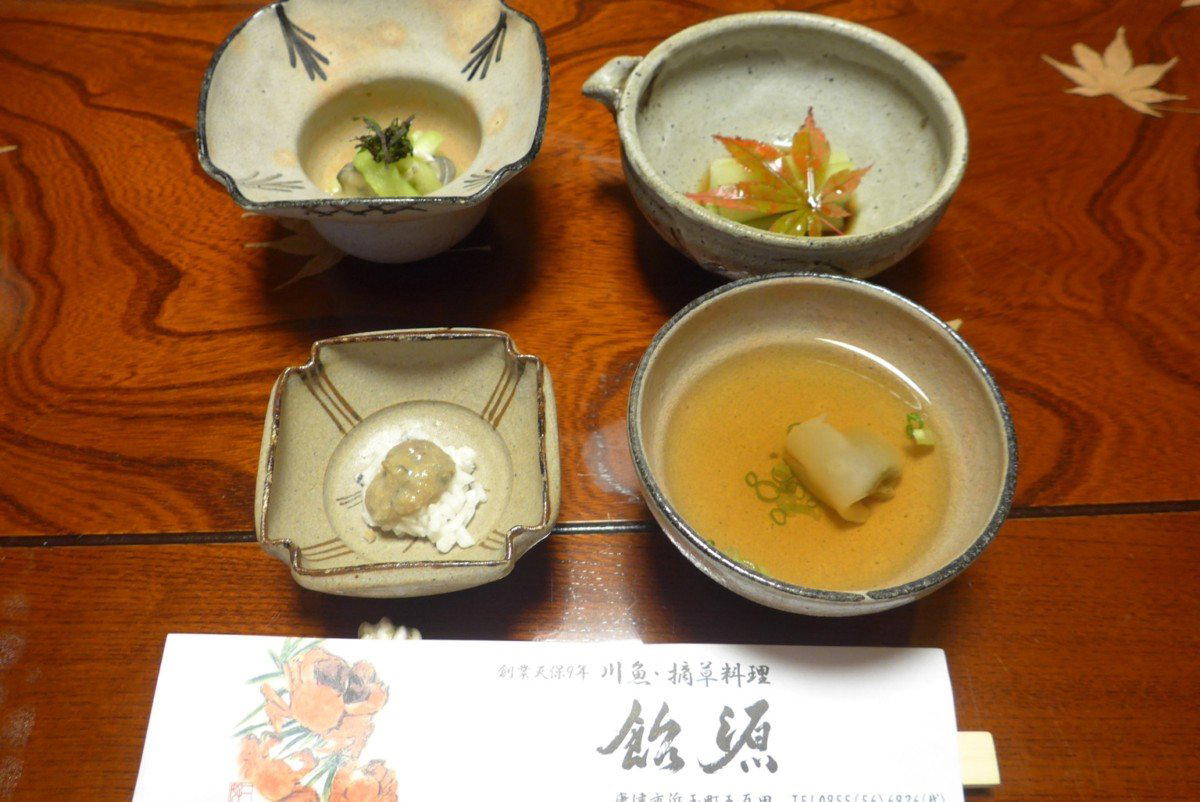
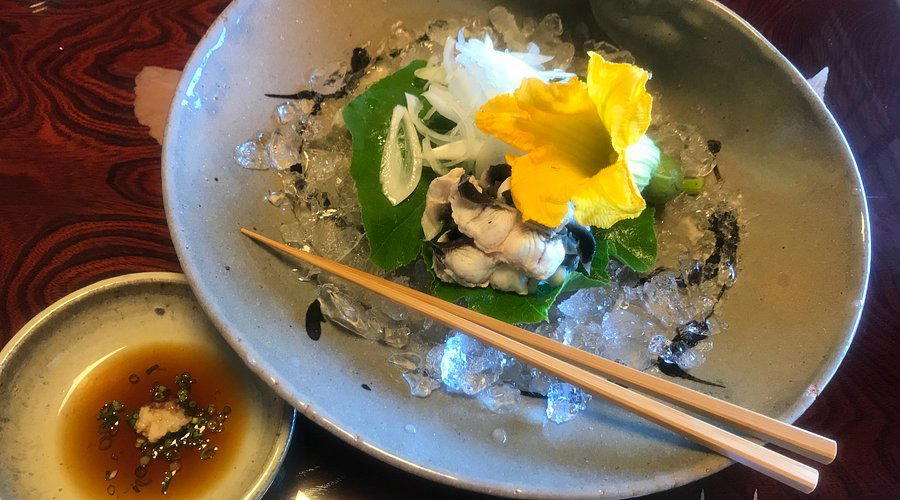
| 飴源 | Traditional Japanese River Cuisine | $50–100 | Tabelog Bronze #17 | central Karatsu |
Details
- Rustic
- Cozy
- Casual Hangout
- Standalone
- A La Carte
Current opening hours
- Monday
- 11:15 AM–2 PM
- Tuesday
- 11:15 AM–2 PM
- Wednesday
- Closed
- Thursday
- 11:15 AM–2 PM
- Friday
- 11:15 AM–2 PM
- Saturday
- 11:15 AM–2 PM
- Sunday
- Closed
Hours can change for holidays and private events. Last verified .
Casual, no-frills family atmosphere typical of a traditional ramen shop.