

A Michelin Plate-recognised soba counter in Nara's Omiyacho district, Nidaime Izumosoba Dandan works within the disciplined tradition of buckwheat noodle craft at accessible mid-range pricing. Consecutive Michelin Plate recognition in 2024 and 2025 confirms consistent kitchen standards. It sits alongside a small cohort of soba specialists in a city better known for kaiseki and temple food.
Pearl is the En Primeur Club membership app — saves, bookings, and concierge access live there. Same editors, same standards.
- Address
- 2 Chome-2-34 Omiyacho, Nara, 630-8115, Japan
- Phone
- +81 742-30-6566
- Website
- dandannara.com
- Directions
- Get directions
 Saves & bookings on Pearl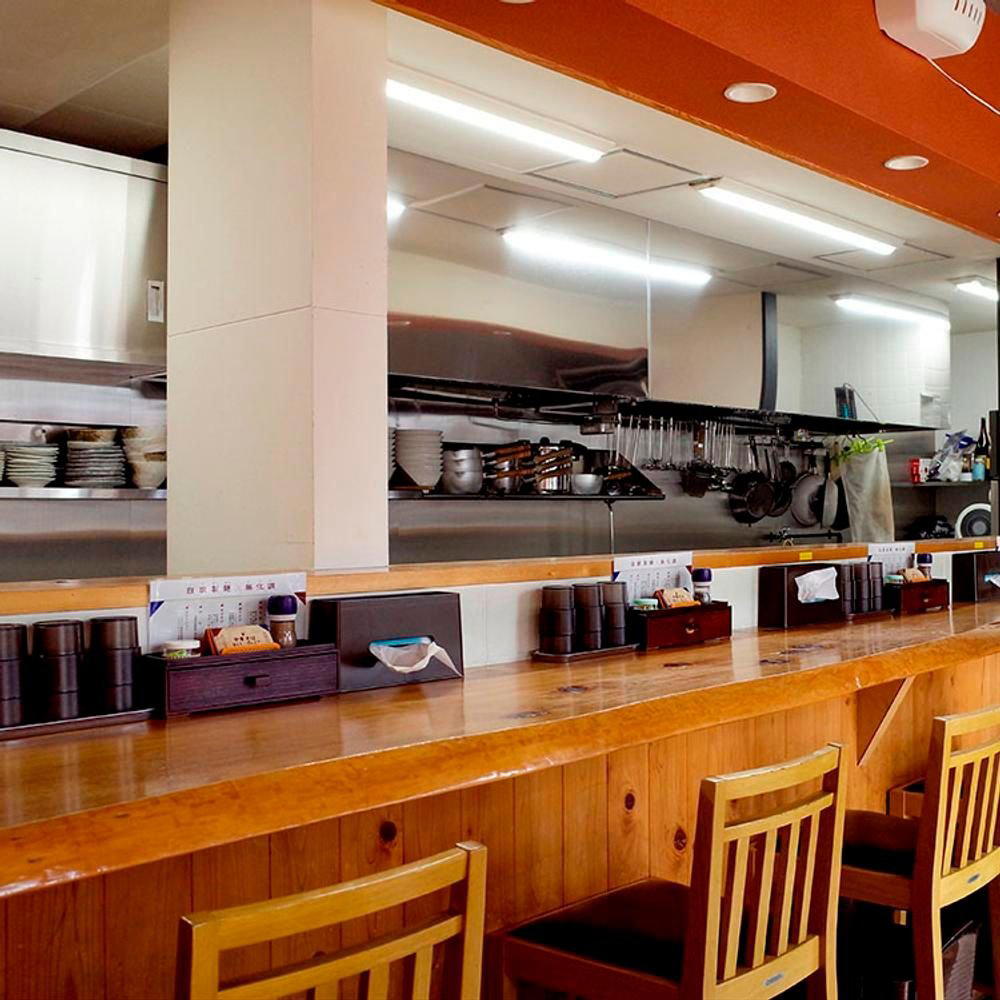
Soba in the Shadow of the Temples
Nara's dining identity has long been shaped by its proximity to Kyoto and the weight of its own heritage. Visitors arrive expecting deer, thousand-year-old shrines, and the kind of reverent silence that comes with UNESCO designation. What they find, if they look past the kaiseki and the tourist-facing teahouses, is a secondary dining tier that takes craft food seriously: small counters and family-run rooms where the discipline applied to a bowl of soba rivals what you'd find in any celebrated noodle city in the country. Nidaime Izumosoba Dandan, a soba restaurant at 2 Chome-2-34 Omiyacho in Nara, sits squarely in that category. At about $20 per person, it occupies a position that is both accessible and critically noted, a combination that defines a specific and important tier in any city's food scene.
The Craft Behind the Bowl
Soba, as a tradition, carries more regional variation than it is typically given credit for outside Japan. The Izumo style, which the name here directly references, originates in Shimane Prefecture and is associated with a thicker, rougher-cut noodle served in shallow lacquered dishes, often stacked in sets. It is a format built for sharing and repetition rather than single-bowl contemplation, the communal rhythm of ordering distinguishes it from the more austere, solo-focused soba experiences common in Tokyo. In a city like Nara, where the dominant register tends toward the formal and the restrained, a soba house operating in this tradition offers something structurally different from the kaiseki rooms and multi-course formats that line up against venues like Kiminami or the akordu (Spanish, Innovative) at the higher end of the price spectrum.
The editorial angle worth pressing here is how regional soba technique functions when transplanted. Izumo soba traditions developed in a specific geographic and agricultural context, Shimane's buckwheat cultivation, its dashi culture, its serving conventions. When a restaurant carrying that lineage operates in Nara, it becomes a study in method meeting new context, which is precisely what makes it interesting to the food-curious traveller rather than just the noodle specialist. Its recognition signals kitchen consistency rather than star-level ambition. That distinction matters: the Plate is Michelin's marker for good cooking at any price point, without the theatre or the tasting-menu economics of starred venues.
Where It Sits in Nara's Soba Tier
Nara has a coherent, if small, soba specialist circuit. Noto Toto Teuchisoba Tabiki and Soba Saishoku Ichinyoan occupy the same general niche, each with its own approach to buckwheat sourcing and preparation. What separates players within this category is usually the noodle itself: the ratio of buckwheat to wheat flour, whether the kitchen mills in-house, and the texture calibration that distinguishes a noodle with character from one that merely delivers. Nidaime Izumosoba Dandan's Michelin recognition, sustained across two consecutive years, places it as a notable entry point into this circuit rather than a default choice.
That consistency of reception is its own data point: this is a room that delivers reliably, which at ¥¥ pricing in a heritage city is the correct value proposition. For context, Nara's higher-priced tier includes kaiseki venues, the innovative Gen, and other ¥¥¥ operations that demand a different level of commitment in both time and cost. Nidaime Izumosoba Dandan operates with different parameters and should be read on those terms.
Soba Across Japan: The Broader Pattern
The soba specialist category across Japan's major cities has quietly consolidated around a few distinct formats. Tokyo's counter culture, represented by venues like Akasaka Sunaba, tends toward the restrained and technically precise. Osaka's interpretation, seen at Ayamedo, often incorporates richer dashi profiles in keeping with the city's broader flavour preferences. In each case, the noodle is a vehicle for a regional food philosophy, not simply a product. Izumo-style soba in Nara represents a third position: a tradition imported from Japan's San'in coast, adapted into a city whose own culinary history leans Buddhist, seasonal, and aesthetically restrained. That tension between origin tradition and new home is what makes the format editorially interesting.
For travellers using Nara as a base for the Kansai region rather than a single-day stop, the city's soba offer is worth treating as a proper category alongside the more discussed kaiseki circuit. The proximity to Kyoto (accessible in around 45 minutes by train) and Osaka (roughly 40 minutes) means that serious eaters moving between those cities will find Nara's mid-range specialist dining less competition-dense and considerably easier to access without advance booking at the level required by starred venues in either neighbouring city. Comparable Michelin-level ambition in Kyoto, such as Gion Sasaki, or the three-star register in Osaka at HAJIME, demands planning horizons and budget commitments that sit in a different register entirely.
Planning a Visit
The restaurant is at 2 Chome-2-34 Omiyacho, Nara, in the central city and walkable from the main sightseeing circuit. As a ¥¥ venue with recommended reservations, planning ahead is a reasonable approach, particularly during off-peak hours in the early lunch or mid-afternoon window. Nara's visitor patterns tend to peak in late morning as day-trippers arrive from Osaka and Kyoto, making arrival before or after the midday rush the practical preference.
Reputation First
Comparable venues nearby, for context on price, style, and recognition.
| Venue | Cuisine | Price | Awards | Notes |
|---|---|---|---|---|
| Nidaime Izumosoba DandanThis venue — the venue you are viewing | Izumo Soba | $$ | Michelin Plate | Not listed |
| Arigato | japanese | $$$ | Michelin Plate | Nara |
| Shikinoaji Enzu | Seasonal Kappo | $$ | Bib Gourmand | Nara |
| Wa Asuka | Seasonal Kaiseki | $$$ | Michelin Plate | Nara |
| Yorozu Onkashi Atsurae Dokoro Kashiya | Traditional Japanese Wagashi & Cafe | $$ | Not listed | Nara |
| Gojo GENBEI | Seasonal Vegetable Kaiseki | $$$ | Michelin Plate | Gojo Shinmachi |
Recognition history
Dated appearances from independent guides and award organizations, with the underlying list record or original source where available.
Michelin Plate
Michelin
Michelin Plate
Michelin
Tabelog 100 #29 · No. 29
Tabelog · Tabelog 100 - Soba - WEST - 2025
Michelin Plate
Michelin
Continue exploring
More in Nara




Bars in Nara
Browse all →


Hotels in Nara
Browse all →




Wineries in Nara
Browse all →
At a Glance
- Quiet
- Intimate
- Cozy
- Classic
- Solo
- Special Occasion
- Sake Program
- Natural Wine
Current opening hours
- Monday
- Closed
- Tuesday
- Closed
- Wednesday
- 11:15 AM–2 PM, 5–9:30 PM
- Thursday
- 11:15 AM–2 PM, 5–9:30 PM
- Friday
- 11:15 AM–2 PM, 5–9:30 PM
- Saturday
- 11:15 AM–2 PM, 5–9:30 PM
- Sunday
- 11:15 AM–2 PM, 5–9:30 PM
Hours can change for holidays and private events. Last verified .
Serene refuge with natural textures, soft light, and rhythmic milling sounds creating understated luxury.