
A low-key Nara sweets cafe with serious local signals: Tabelog 100 Cafe WEST selection in 2025, earlier Tabelog 100 recognition for cafe and sweets, and a format built around Japanese traditional sweets rather than full restaurant theatre. The appeal is the city’s older confectionery culture, read through a house-restaurant setting with tatami seating, take-out, and family-friendly use.
Pearl is the En Primeur Club membership app — saves, bookings, and concierge access live there. Same editors, same standards.
- Address
- 1 Chome-5-1 Torimicho, Nara, 631-0065, Japan
- Phone
- +81 742-51-3008
- Website
- miyake-flagship.com
 Saves & bookings on Pearl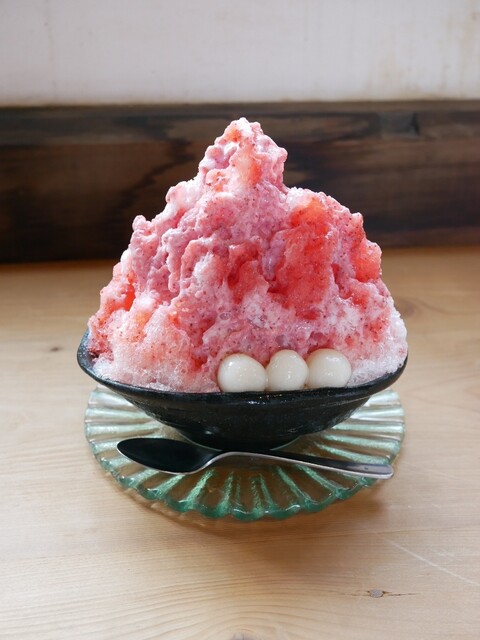
Approaching a sweets cafe in residential Nara changes the tempo of eating. The city’s temple routes and deer-park crowds produce one kind of appetite; its quieter neighbourhoods produce another, where tea, beans, rice flour, seasonal confections, and short daytime service carry more cultural weight than a long dinner reservation. Miyake Kyukounoiketei Omoteya belongs to that second Nara: a house-restaurant setting, tatami room, no-smoking policy, and a sweets-led cafe identity that treats Japanese confectionery as a reason to travel across town rather than an afterthought after sightseeing.
Nara’s dining map is often read through temples, ryokan meals, kakinoha-zushi, and refined Japanese cooking, but its sweets culture is just as useful for understanding the city’s pace. Traditional wagashi and cafe formats sit between daily habit and craft display. They reward ingredients that look modest on paper: azuki beans, mochi rice, matcha, kinako, agar, kuromitsu, and seasonal fruit. In this category, sourcing matters less as a slogan than as discipline. Texture, sweetness, temperature, and portion depend on ingredients that cannot hide behind sauce or spectacle.
Japanese sweets as Nara's quieter dining language
The cafe’s recognition places it in a different competitive bracket from Nara’s meal-driven addresses. It was selected for Tabelog 100 Cafe WEST in 2025, with earlier Tabelog 100 selections in cafe and sweets categories. That matters because Japan’s cafe category is broad: it can include kissaten culture, patisserie counters, dessert rooms, and hybrid spaces built around tea and Japanese sweets. A Nara address appearing in that field signals a local audience willing to judge sweets with the same seriousness applied elsewhere to ramen, unagi, or kaiseki.
The useful comparison is not a like-for-like duel, but a question of purpose. Ramenya Mitsuba sits in the comfort-food lane, Unagino Toyokawa in a single-ingredient eel tradition, Wa Asuka in a more formal Japanese register, and Patisserie Chocolaterie Emera in the Western pastry conversation. Miyake Kyukounoiketei Omoteya sits apart because Japanese traditional sweets compress craft into shorter service and lower ceremony. The reader is not choosing between lunch and dessert so much as choosing which version of Nara to spend time with: quick noodle precision, eel specialization, formal Japanese dining, French-influenced pastry, or the tea-and-sweets grammar of wagashi culture.
Ingredient sourcing is the quiet test in this lane. Japanese sweets depend on clean bean paste, rice texture, controlled sweetness, and tea that supports rather than overwhelms. When those elements are handled with restraint, the format feels rooted in Nara rather than copied from a city-centre dessert trend. The house-restaurant setting reinforces that reading. It is not a glass-box patisserie or a hotel lounge; it belongs to a domestic scale of eating, where the room, seating, and pace suggest a local refreshment stop with enough craft to draw attention beyond the neighbourhood.
The room favors low posture, families, and daytime sweets rather than restaurant theatre
The atmosphere is best understood before expectations drift toward a full-service restaurant. The setting includes tatami and low chair-like seating, a practical accommodation for guests who may find formal upright sitting difficult. That detail says more about the experience than decorative language could. The room is built for sitting close to the floor, staying within the cadence of Japanese domestic hospitality, and letting sweets and tea do the work without a performance frame.
With 50 seats, children welcome, private rooms unavailable, and take-out offered, the format reads as accessible without becoming anonymous. The no-smoking policy also matters in Japan’s cafe culture, where older kissaten traditions can vary sharply on that point. The house-restaurant classification gives the visit a residential feel, but the recognition history keeps it from being merely local convenience. It is a place to understand how a sweets cafe can carry prestige without adopting the choreography of a tasting menu.
For travellers, the editorial argument is simple: include this kind of stop when Nara risks becoming a sequence of temples and formal meals. A city’s food intelligence often appears in small daytime formats, where locals return for a familiar category and visitors learn what a place values between lunch and dinner. Japanese sweets make particular sense here because Nara’s cultural economy has long depended on ritual, hospitality, and seasonality. The cafe format strips those ideas down to a cup, a sweet, and a room that asks for a slower posture.
How to place it within a Nara itinerary
Use Miyake Kyukounoiketei Omoteya as a daytime counterpoint to Nara’s heavier meal addresses. The cafe is not trying to solve dinner, and that is its strength. It works when the day needs a pause that still feels culturally specific: after a temple route, before a train onward, or as a focused sweets stop for travellers comparing Japanese confectionery with Western pastry and broader cafe culture across Kansai.
Planning around Nara benefits from category separation. For a broader restaurant sweep, EP Club’s full Nara restaurants guide sets this sweets-led address alongside local dining rooms such as 37+1 - Sanjuhachi, A VOTRE SANTE (French), Ajinokaze Nishimura (Japanese), Ajinotabibito Roman (Japanese), and akordu (Spanish, Innovative). The surrounding trip can be built with Nara hotels, Nara bars, Nara wineries, and Nara experiences, depending on whether the visit is a day trip or a slower stay.
Japan’s casual-specialist formats also reward comparison beyond Nara. A sweets cafe in Nara belongs to the same travel logic that sends readers to focused addresses such as -Grilled beef Sukiyaki- KAMAKURA TANUKIAN 鎌倉 たぬき庵 in Kamakura. 鮪と炭火焼き うお炭 秋葉原店 in Tokyo.cafe in Osaka.know in Kumamoto, (Shoku) Vietnam in Kawasaki, [Curry Senmon Ten] Maruyama Kyoju. in Sapporo, Jōdo Saké Bar in Los Angeles, and Onigiri Time in Pasadena: places where the category is narrow, the decision is intentional, and the reward comes from understanding why a small format has its own standards.
Fast Comparison
Comparable venues by cuisine and price in the same metro.
| Venue | Cuisine | Price | Notes |
|---|---|---|---|
| Miyake Kyukounoiketei OmoteyaThis venue — the venue you are viewing | Japanese wagashi café | $$ | Not listed |
| Soba Kiri Momoyo Zuki | Traditional Soba Noodle Shop | $$ | Nara |
| Houseki Bako | Japanese Kakigori Cafe | $$ | Nara |
| Ramenya Mitsuba | Modern foamy ramen shop | $ | Nara |
| 味の旅人浪漫 | Seasonal Japanese Kaiseki | $$$ | Nara |
| 鮨處Wasabi | Casual Japanese Wasabi Cuisine | $$ | Nara |
Recognition history
Dated appearances from independent guides and award organizations, with the underlying list record or original source where available.
Tabelog 100 #77 · No. 77
Tabelog · Tabelog 100 - Cafe - WEST - 2025
Continue exploring
More in Nara




Bars in Nara
Browse all →


Hotels in Nara
Browse all →



Wineries in Nara
Browse all →
At a Glance
- Classic
- Scenic
- Cozy
- Intimate
- Well Known
- Solo
- Date Night
- Family
- Casual Hangout
- After Work
- Group Dining
- Garden
- Historic Building
- Design Destination
- Standalone
- Local Sourcing
- Garden
Current opening hours
- Monday
- 10 AM–5:30 PM
- Tuesday
- 10 AM–5:30 PM
- Wednesday
- 10 AM–5:30 PM
- Thursday
- 10 AM–5:30 PM
- Friday
- 10 AM–5:30 PM
- Saturday
- 10 AM–5:30 PM
- Sunday
- Closed
Hours can change for holidays and private events. Last verified .
Historic wooden townhouse interiors with a calm, nostalgic atmosphere; natural light and views of the inner garden create a quiet, relaxed setting suited to lingering over tea and sweets rather than a fast café stop.