Tabelog 100 #85
Our verdict
Among Nara's casual dining options, Houseki Bako has earned recognition from Opinionated About Dining (2025) for its shaved ice, a format that sits at the intersection of Japanese craft tradition and seasonal simplicity. For visitors structuring a day around Nara's cultural sites, it offers a deliberate pause rather than an afterthought.

Pearl is the En Primeur Club membership app, where members save venues, book tables and use the concierge.
The menu
What to order
- Nara Ichigo Gouri
- Japanese Chestnut Matcha
Shaved Ice in Nara: A Craft Format With Deep Roots
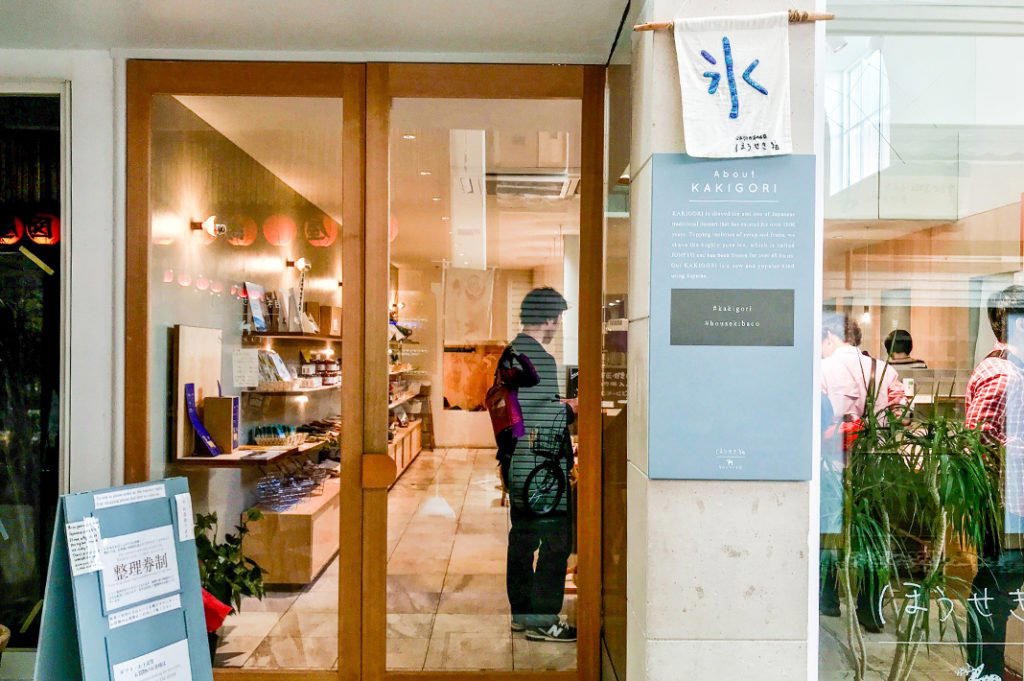
Japan's shaved ice tradition, known as kakigori, has undergone a quiet but consequential transformation over the past decade. What was once a summer fairground staple, syrup over ice, consumed quickly and forgotten, has split into two distinct tiers. The mass-market version persists at convenience stores and festival stalls, but a specialist layer has emerged in cities including Kyoto, Tokyo, and increasingly Nara, where producers treat ice texture, syrup construction, and seasonal ingredients with the same attention applied to dessert courses at kaiseki counters. Houseki Bako sits in that specialist tier, and its 2025 recognition from Opinionated About Dining in the Casual category for Japan marks it as one of the better-regarded addresses in this format nationally.
The cultural logic behind refined kakigori is worth understanding before you visit. Ice shaving in Japan carries a courtly lineage: the earliest recorded references place it in Heian-period aristocratic circles, where blocks of natural ice from mountain stores were considered a seasonal luxury. That association between cold, purity, and seasonal precision never fully disappeared from the Japanese aesthetic vocabulary, and contemporary kakigori specialists have absorbed it. The leading operators now source water for freezing carefully, adjust shave depth to achieve textures ranging from airy snow to denser, more structured layers, and build syrups from reduced seasonal fruits, matcha, or shiratama preparations that would not look out of place in a traditional confectionery context. The result is something positioned closer to wagashi than to a summer snack.
Mochiidonocho and the Rhythms of Nara's Old Town
Houseki Bako's address at 47 Mochiidonocho places it in one of Nara's more navigable historic commercial streets, within the gravitational pull of Kofukuji temple and the approach routes to Nara Park. This is not incidental. The streets around Nara's temple precincts have long supported a specific category of artisan food shop: small-format, seasonally anchored, oriented toward visitors who have already spent the morning with the city's UNESCO heritage but want something considered rather than merely convenient. Mochi shops, tea houses, and specialist confectioners have operated here across generations, and a kakigori specialist fits that lineage more naturally than it might in a neighbourhood oriented toward izakayas or ramen.
Nara's dining scene has also matured considerably in recent years, with serious fine-dining investment sitting alongside the casual tier. akordu, a two-Michelin-star Spanish innovative table, and NARA NIKON, another two-star Japanese address, demonstrate that the city can now hold its own in the upper register of Japanese fine dining. Kaiseki rooms such as Oryori Hanagaki and Tsukumo draw visitors who might otherwise pass through to Kyoto. Casual but award-recognised addresses like Ajinokaze Nishimura fill the middle register. Houseki Bako operates at a different register from all of them, but its OAD recognition places it in legitimate company when the subject is Nara's overall food credibility.
What OAD Recognition Signals for a Casual Format
Opinionated About Dining's Casual list for Japan is a more crowded and contested field than its fine-dining equivalent, and inclusion requires the kind of consistent execution that aggregates across multiple reviewer visits rather than a single strong impression. For comparison, the median kakigori specialist operating in a tourist-adjacent neighbourhood without this review density would rarely reach comparable recognition. The OAD listing in 2025 specifically confirms that the shop is performing in the current period, not coasting on older reputation.
That kind of casual recognition carries different weight in Japan than it might elsewhere. In Tokyo, Kyoto, and increasingly Osaka, the specialist kakigori format has developed a serious critical vocabulary, reviewers discuss ice temperature, syrup penetration, and seasonal sourcing with the same framework applied to ramen or soba. Nara's version of this conversation is newer, and Houseki Bako sits at its more visible edge. Visitors coming from fine-dining contexts in other Japanese cities, perhaps having eaten at HAJIME in Osaka, Gion Sasaki in Kyoto, or Harutaka in Tokyo, often find that the casual tier in Japan rewards the same attentiveness they bring to formal courses. Houseki Bako is the kind of stop that repays that attention.
Planning Your Visit
Kakigori specialists in Japan tend to operate with seasonal logic: peak season runs from late spring through early autumn, roughly May to September, when heat makes the format feel necessary rather than merely pleasurable. The address at 47 Mochiidonocho, Nara, 630-8222, is walkable from Kintetsu Nara Station and from the main approaches to Nara Park, making it direct to incorporate into a day structured around the city's temple circuit. Queue times during peak summer weekends can be significant at well-reviewed kakigori shops in Japan generally; arriving in the morning or on a weekday typically reduces wait times at comparable venues. Visitors building a fuller picture of Nara's food and drink options can reference our full Nara restaurants guide, and those planning accommodation or other activities will find our Nara hotels guide, bars guide, wineries guide, and experiences guide useful companions.
For those who have been tracking Japan's casual dining scene across multiple cities, Houseki Bako fits a recognisable pattern: a specialist format, executed carefully, in a secondary city that rewards visitors willing to look past the headline fine-dining addresses. Comparable attentiveness to the casual tier can be found at addresses like Goh in Fukuoka, 1000 in Yokohama, or 6 in Okinawa, each operating at the intersection of local identity and national critical recognition. And for readers whose Japanese travels span continents, the discipline of format and seasonal sourcing that defines the leading Japanese casual dining is something that places like Le Bernardin in New York City and Atomix in New York City have absorbed in their own ways, evidence that precision at the table, regardless of format or price point, travels.
Frequently asked questions
Is Houseki Bako child-friendly?
Kakigori is one of Japan's most broadly shared food traditions, and a shaved ice specialist like Houseki Bako on Mochiidonocho sits comfortably within that context. The format is accessible across age groups, with no alcohol component or formal dining structure to navigate.
What is the atmosphere like at Houseki Bako?
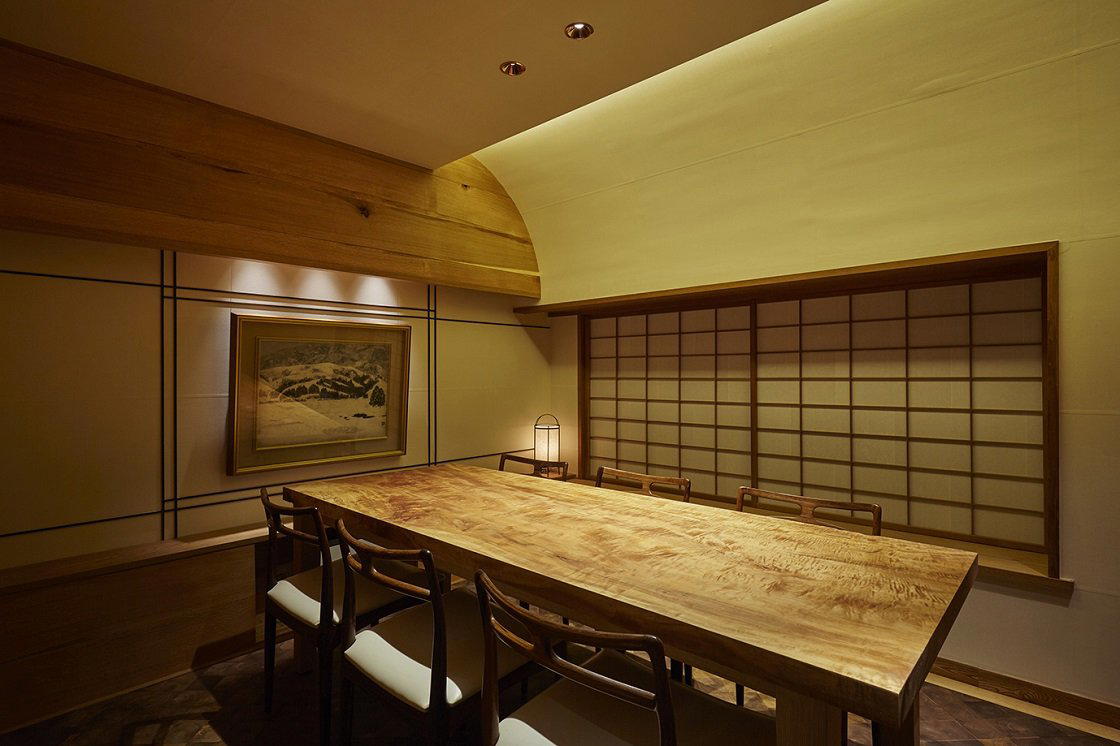
Houseki Bako sits at 47 Mochiidonocho, one of Nara's older commercial streets within close reach of Kofukuji and the broader historic core. The setting is consistent with the quiet precision that characterises serious kakigori specialists in Japan: the focus is on the craft itself rather than elaborate interior theatre. Opinionated About Dining's 2025 Casual Japan recognition points to a venue operating at a level where the product does the talking.
Does Houseki Bako have a Michelin star or similar recognition?
Houseki Bako has received recognition including: Opinionated About Dining Casual in Japan (2025).
What's the signature dish at Houseki Bako?
Houseki Bako specialises in kakigori, Japan's shaved ice tradition, which at the craft level involves finely textured ice and layered syrups or toppings that differ substantially from the festival-stall versions most visitors encounter first. Visiting during the core kakigori window of May through September gives the fullest picture of what the kitchen is working with.
What's the cuisine at Houseki Bako?
Where exactly is Houseki Bako?
Houseki Bako is located at 47 Mochiidonocho, Nara, 630-8222, Japan, Nara.
Is Houseki Bako chef-led?
The chef associated with Houseki Bako is Various.
At a Glance
Comparable venues nearby, for context on price, style, and recognition.
| Venue | Cuisine | Price | Awards | Notes |
|---|---|---|---|---|
| Houseki BakoThis venue (the venue you are viewing) | Japanese Kakigori Cafe | $10–20 | Tabelog 100 #85 | Not listed |
| Housekibaco (Jewelry Box) | Japanese Kakigori Cafe | $10–20 | Tabelog 100 #85 | Naramachi, Nara Kakigori Specialty |
| Naramachi Vegan Nabi ならまちヴィーガン菜美 | Vegan Japanese Omakase | $30–50 | Not listed | Nara, Vegan Japanese Omakase |
| Yuki Tei | Yoshoku (Japanese-style Western cuisine) | $10–20 | Tabelog 100 #46 | Nara, Yoshoku (Japanese-style Western cuisine) |
| Soba Kiri Momoyo Zuki | Traditional Soba Noodle Shop | $10–20 | Tabelog 100 #23 | Nara, Traditional Soba Noodle Shop |
| Dandan | Izumo Soba | $20–30 | Michelin Plate · Tabelog 100 #29 | Nara, Authentic Izumo Soba |
Recognition history
Dated appearances from independent guides and award organizations, with the underlying list record or original source where available.
Opinionated About Dining Casual in Japan Ranked #57
Opinionated About Dining
Tabelog 100 #85 · No. 85
Tabelog · Tabelog 100 - Sweets - WEST - 2023
Full recognition history (3 entries)
Opinionated About Dining Casual in Japan
Opinionated About Dining