Housekibaco, whose name translates as 'Jewelry Box,' operates within Nara's quietly serious dining scene, where ancient capital heritage informs a culinary culture distinct from Kyoto's more visible kaiseki circuit. The restaurant's name alone signals an aesthetic intent: precision, enclosure, and the careful presentation of small, valued things. Reservations are advisable, and the experience sits within a city whose restaurant culture rewards those who look past the deer parks.

Pearl is the En Primeur Club membership app — saves, bookings, and concierge access live there. Same editors, same standards.
Ancient Capital, Considered Table
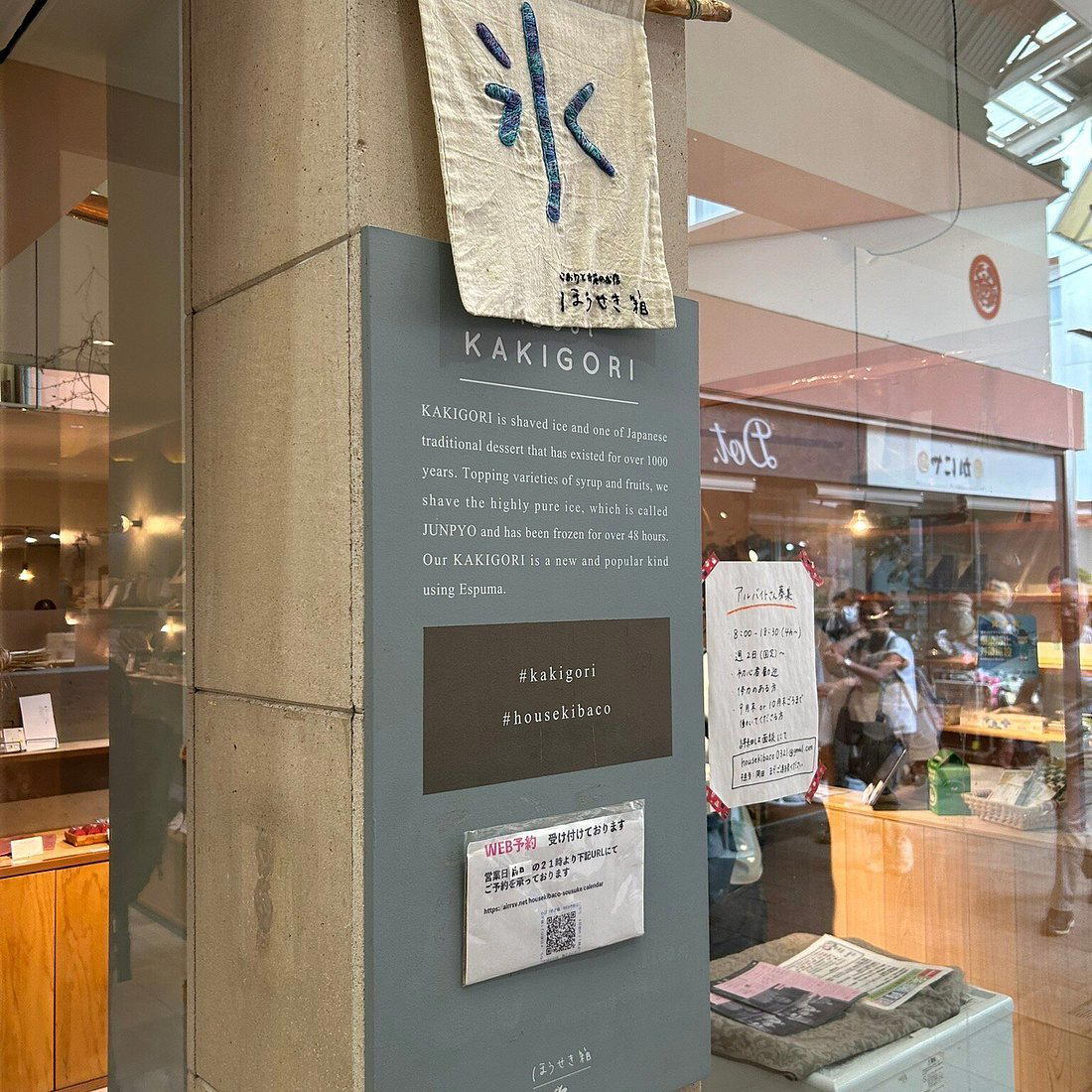
Housekibaco is a restaurant in Nara serving Nara Kakigori Specialty cuisine. The city draws millions of visitors annually for its temples, shrines, and free-roaming deer, yet its restaurant culture remains largely beneath the radar of international food coverage that gravitates toward Tokyo's density or Kyoto's kaiseki prestige. That gap is partly geographic and partly a matter of scale: Nara is compact, its serious restaurants are few, and word travels slowly through channels that still prioritize the obvious. Into that context, Housekibaco sits with a name that functions almost as a declaration of intent. 'Jewelry Box' implies precision, curation, and the sense that what is held inside has been chosen and arranged with deliberate care.
This framing matters in a city where dining ambition has historically been understated. Nara's culinary identity is rooted in Buddhist temple cuisine, in the sober aesthetics of shojin ryori, and in a proximity to Yoshino's mountain produce that has shaped local palates for centuries. The city's serious restaurants tend to operate within that inherited discipline: smaller in scale, quieter in register, and calibrated to an audience that comes looking rather than one that stumbles in. Housekibaco's name positions it within that tradition of deliberate presentation, where the enclosure itself is part of the communication.
What Nara's Dining Scene Actually Looks Like
To understand where Housekibaco sits, it helps to map the wider scene. Nara's premium dining tier is thin but coherent. Akordu, which brings Spanish innovative cooking to the city, represents one pole: internationally trained, genre-crossing, drawing a certain type of destination diner. On the Japanese side, restaurants like Oryori Hanagaki, Tsukumo, Ajinokaze Nishimura, and NARA NIKON anchor a tier of cooking that draws on regional produce, seasonal discipline, and the kind of formal sensibility that Nara's temple heritage tends to encourage.
Within that comparable set, the ¥¥¥ price tier that characterises much of Nara's serious dining represents a meaningful commitment without reaching the heights of Tokyo omakase or Kyoto's most formal kaiseki counters. Compared to Harutaka in Tokyo or Gion Sasaki in Kyoto, Nara's restaurants occupy a middle tier that is increasingly attractive to travellers who want serious cooking without the three-month booking windows or the price premiums that accompany those cities' most recognised addresses.
The Cultural Register of a Name Like 'Jewelry Box'
Japanese restaurant naming is rarely incidental. A name like Housekibaco, rendered in its English translation as 'Jewelry Box,' draws on a visual and tactile vocabulary that appears across Japanese craft traditions: the lacquered box, the carefully divided interior, the idea that presentation is inseparable from the thing presented. In cuisine, this maps most directly to kaiseki's fundamental logic, where each course functions as a discrete composition, and the sequence builds meaning through contrast and accumulation rather than through a single dominant gesture.
This aesthetic lineage connects Nara's serious dining to broader currents in Japanese culinary culture. The kaiseki format, which originated in Kyoto's tea ceremony tradition, spread through the Kansai region as a model for how serious seasonal cooking should be structured and communicated. Nara, as a city of comparable historical depth, absorbed these influences while developing its own relationship to the produce of the Yamato region: persimmons, somen noodles, sake from Miwa, mountain vegetables from the Yoshino range. A restaurant framing itself as a jewelry box is implicitly invoking that tradition of small, precise, valued things arranged with intention.
For comparison, the same impulse toward formal curation appears in restaurants across Japan's secondary cities. Goh in Fukuoka operates within a similar logic of seasonal precision in a city that also sits in the shadow of more famous neighbours. HAJIME in Osaka pushes the format into a more conceptual register. The regional variation is instructive: the underlying grammar of Japanese formal dining remains consistent, but each city's version reflects its own agricultural base, its own historical relationship to luxury, and its own competitive set.
Placing Housekibaco in a Broader Frame
The kind of restaurant that names itself after a jewelry box is making a specific claim: that the meal will be complete, contained, and worth examining in detail. That claim sets expectations about format, pacing, and the relationship between diner and kitchen. In Japan's serious restaurant tier, this expectation is generally honoured through seasonal menus, courses calibrated to local produce availability, and a service register that is attentive without being intrusive.
Restaurants operating in this mode, across Japan and internationally, tend to draw a specific type of visitor: one who has done enough research to find them, who understands the format, and who is unlikely to wander in off the street. Atomix in New York City and Le Bernardin operate in different categories but share this quality of self-selecting clientele: the restaurant's positioning and communication does a kind of pre-filtering that shapes the room before anyone sits down. In Nara, where international visitor volume is high but serious dining awareness is lower, that filtering effect is even more pronounced.
Other Japanese restaurants in the same careful, considered register include a kaiseki address in Nanao on the Noto Peninsula, where remoteness imposes its own form of curation, and a lakeside restaurant in Takashima near Biwa that draws on similar Kansai seasonal logic. The Sapporo counterpart and restaurants like those in Nishikawa Machi demonstrate how the format travels across Japan's regions while remaining rooted in local produce cycles. Birdland in Sakai and Bistro Ange in Toyohashi represent adjacent approaches in mid-tier Japanese cities, where serious cooking operates outside the major dining capitals.
Price and Recognition
Comparable venues nearby, for context on price, style, and recognition.
| Venue | Cuisine | Price | Notes |
|---|---|---|---|
| Housekibaco (Jewelry Box)This venue — the venue you are viewing | Naramachi, Nara Kakigori Specialty | $$ | Not listed |
| Naramachi Vegan Nabi ならまちヴィーガン菜美 | Nara, Vegan Japanese Omakase | $$ | Not listed |
| Dandan | Nara, Authentic Izumo Soba | $$ | Not listed |
| Yuki Tei | Not listed | $$ | Nara, Yoshoku (Japanese-style Western cuisine) |
| お料理 ひろ岡 | Nara, Nara Kaiseki | $$$ | Not listed |
| Menya K | Nara, Ramen & Tsukemen Shop | $ | Not listed |

At a Glance
- Cozy
- Intimate
- Casual Hangout
- Date Night
- Historic Building
- Local Sourcing
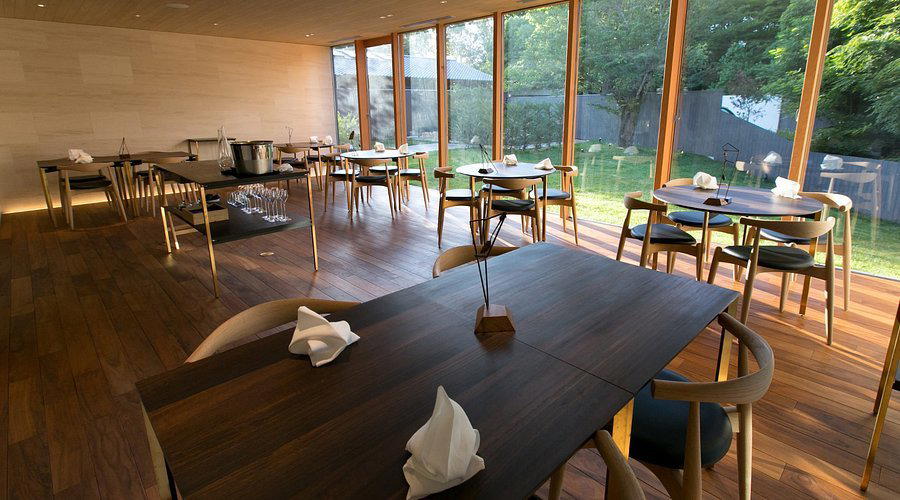
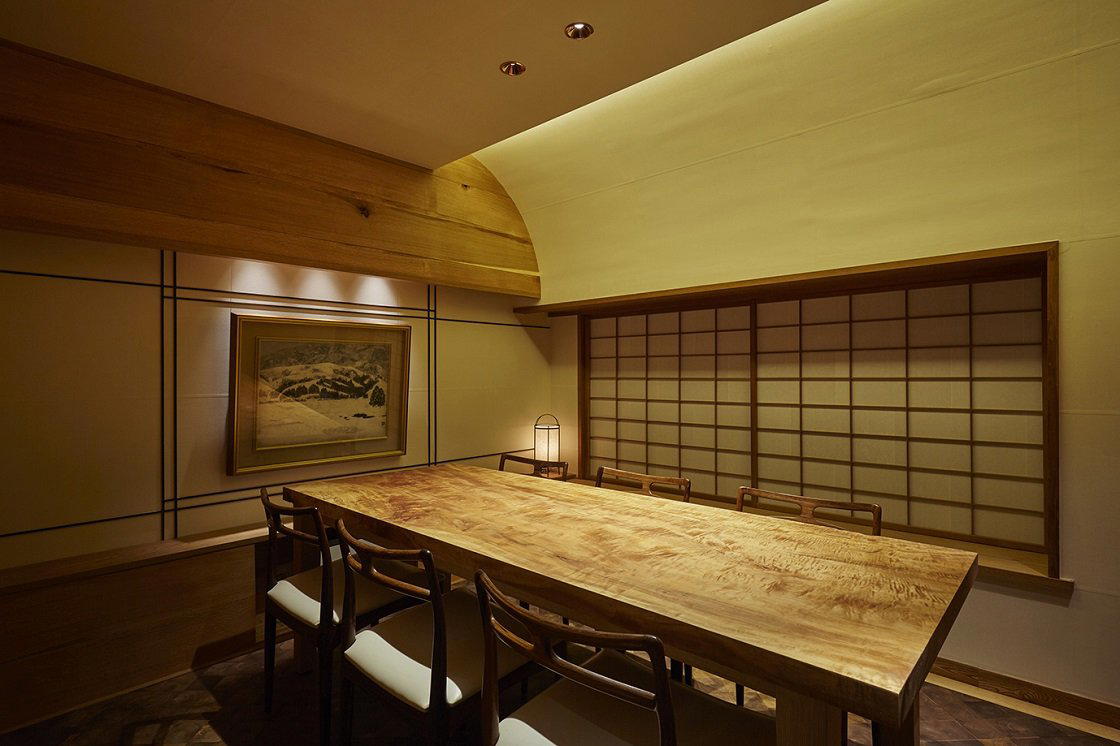
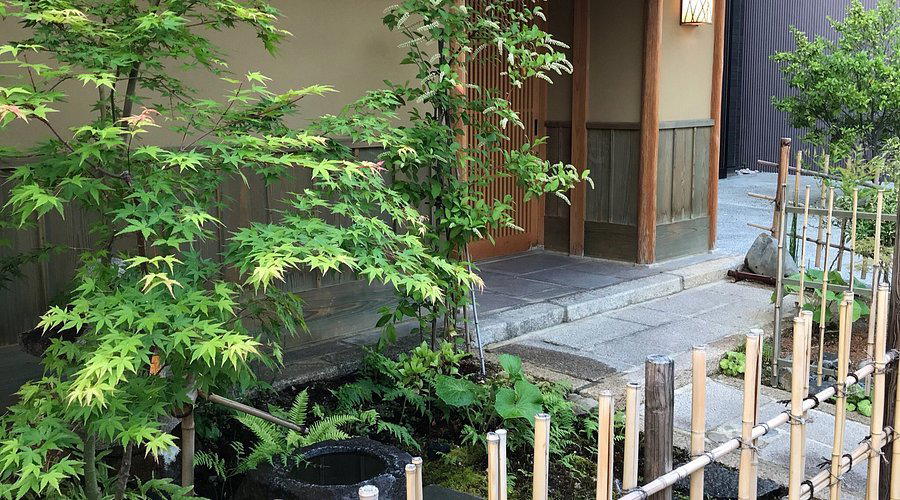
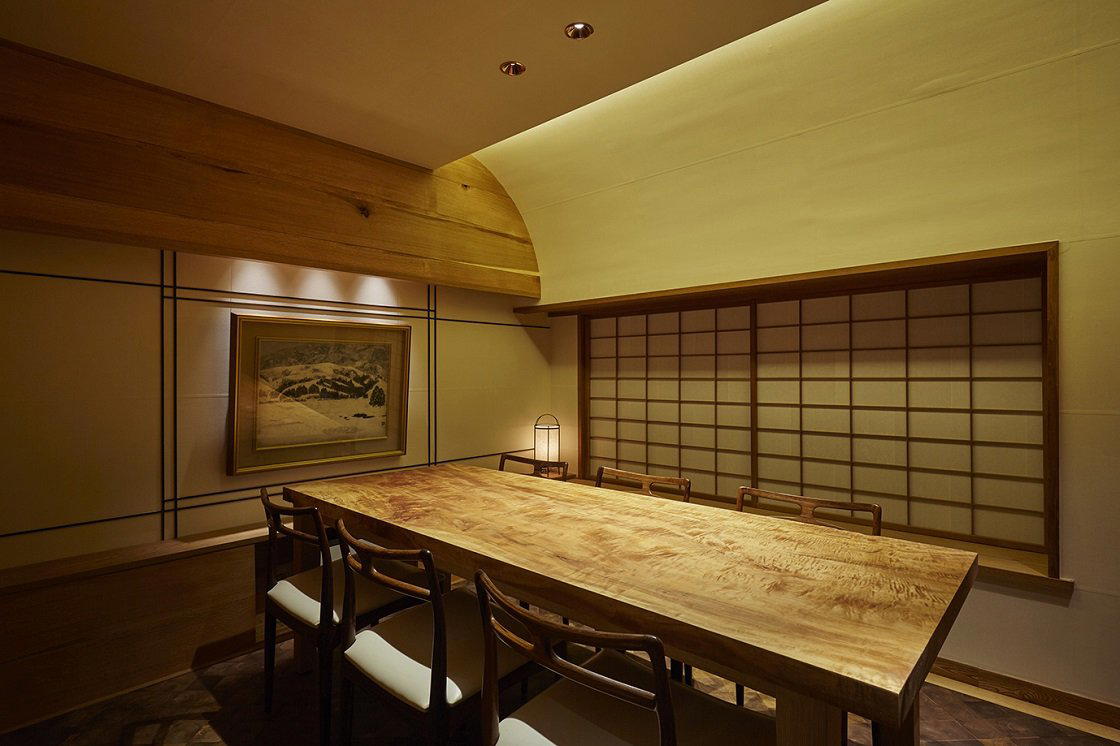
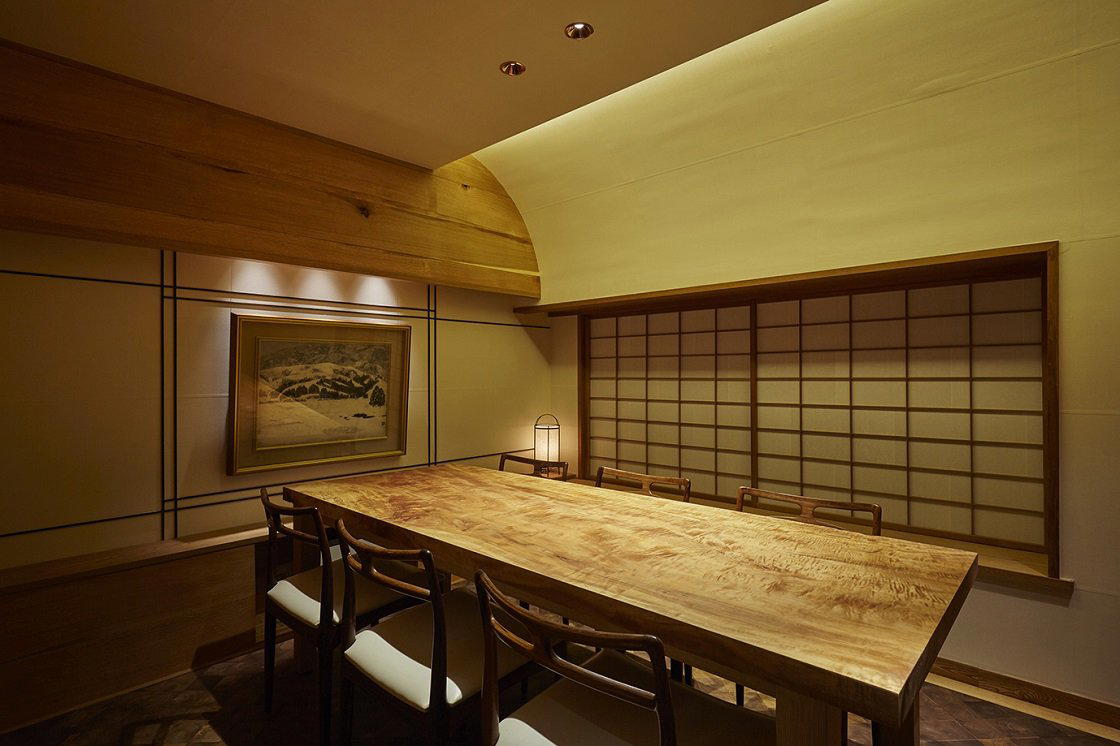
Cozy atmosphere in a 160-year-old traditional townhouse with a focus on delicate, jewel-like dessert presentations.