Our verdict
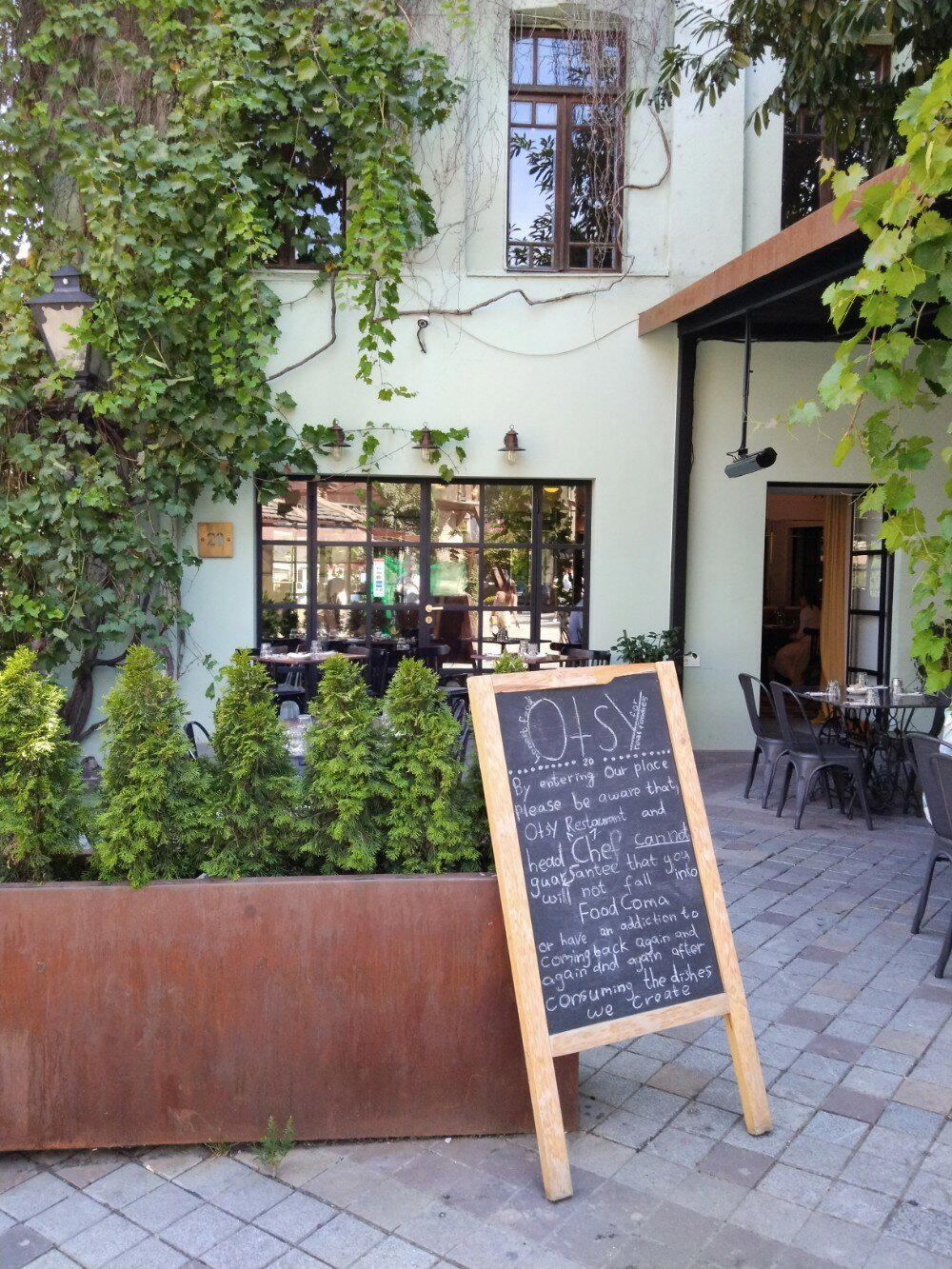
On Ioane Shavteli Street in Tbilisi's Old Town, OtsY occupies a stretch of the city where Georgian dining has been quietly recalibrating toward technical precision. The address places it within walking distance of the capital's most discussed restaurant tables, and the room reflects the tighter, more considered register that defines the current generation of Tbilisi openings.

Pearl is the En Primeur Club membership app — saves, bookings, and concierge access live there. Same editors, same standards.
- Address
- 20 Ioane Shavteli St, Tbilisi 0105, Georgia
- Phone
- +995500502020
- Hours
- Mon–Fri 1–11 PMSat–Sun 1:30–11 PM
- Website
- facebook.com
- Directions
- Get directions
The menu
What to order
- Goat Cheese Salad
- Braised Beef Cheeks
- Crying Tomato
- Pkhali
Old Town, New Registers
Ioane Shavteli Street runs through the part of Tbilisi where the city's hospitality ambitions have been most visibly tested. The Old Town corridor — bounded by the Mtkvari river on one side and the rising fortifications of Narikala on the other — has attracted a cluster of restaurants in the past decade that are doing something different from the traditional supras and tourist-facing Georgian kitchens that still dominate the neighbourhood's lower price tier. OtsY at number 20 sits inside that more demanding bracket: a room where the physical environment communicates intent before a dish arrives.
The building stock along Shavteli tends toward the ornate and slightly weathered, with carved wooden balconies and the compressed scale that characterises pre-Soviet Tbilisi construction. Restaurants that open here inherit an atmosphere they did not design, the streetlight, the cobblestone echo, the sense of compression, and the better ones work with that inheritance rather than against it. OtsY's position on this street is not incidental context; it is the first signal about what kind of operation this is.
The Collaboration Behind the Counter
In Tbilisi's current dining conversation, the restaurants generating sustained attention tend to share a structural feature: the front-of-house is treated as a programme rather than a support function. The cities where hospitality teams have made this shift, Tokyo, Copenhagen, and increasingly the better addresses in the South Caucasus, produce dining rooms where a sommelier's decision about what to pour before you order, or a floor manager's read of the table's pace, shapes the meal as materially as the kitchen does. That kind of team-integrated hospitality is harder to execute than a single talented chef working alone, and the results, when it works, are correspondingly different.
OtsY operates in the context of a Tbilisi scene that has been developing these collaborative models with growing confidence. Restaurants like Barbarestan and Alubali have each, in their own format, demonstrated that the city can sustain operations where floor and kitchen function as a single integrated argument. Azarphesha and ATI have pushed the technical register further. What distinguishes the stronger tables in this cohort is not any single element but the coherence between elements, the way a wine selection reinforces a dish's logic, or a service tempo matches the kitchen's pacing.
For a fuller picture of where OtsY sits within the capital's current restaurant tier, the EP Club Tbilisi restaurants guide maps the competitive set in detail.
Georgia's Wine Culture as a Working Ingredient
Any Tbilisi restaurant operating at a considered level is working with one of the world's most consequential wine traditions at its disposal. Georgia's claim to being among the world's oldest winemaking cultures is not marketing: the qvevri method, fermenting and aging wine in buried clay vessels, has been documented for eight thousand years and achieved UNESCO Intangible Cultural Heritage status in 2013. For a sommelier in Tbilisi, this creates a different set of decisions than their counterpart faces in Paris or New York. The choice between a skin-contact Rkatsiteli from Kakheti and a clean-fermented Mtsvane from the same region is not just a stylistic preference; it is a statement about which version of Georgian wine culture the restaurant wants to represent on the table.
The winemaking operations accessible from Tbilisi range from the internationally recognized, Pheasant's Tears Winery in Signagi and Schuchman Wines Chateau in Telavi, to smaller producers whose bottles rarely leave the region. How a restaurant in OtsY's position curates from that range tells you something about its editorial confidence. A list built around familiar export labels reads differently from one that requires the sommelier to do real work at the table.
Tbilisi's premium dining tier is not large, and the venues that occupy it are in implicit conversation with each other about what Georgian hospitality can mean at this level. Akura San represents one end of the spectrum, bringing a Japanese technical framework into the city. At the other end, operations grounded in Georgian culinary history, archive recipes, regional ingredient sourcing, the logic of the supra translated into a more controlled format, define a different competitive position.
The international comparison points for this kind of collaborative, team-driven dining model are places like Atomix in New York City or Lazy Bear in San Francisco, where the distinction between kitchen and floor has been deliberately blurred into a single hospitality argument. Closer to home, the regional context extends to Umami at Clouds in Batumi and Doli in Telavi, both of which are pushing Georgian hospitality into more technically demanding territory outside the capital.
Planning a Visit
OtsY is at 20 Ioane Shavteli Street in Tbilisi's Old Town, a walkable distance from the main Rustaveli corridor and reachable in under fifteen minutes on foot from most central accommodation. The street itself is leading approached in the evening, when the reduced traffic and ambient light from the surrounding buildings give the neighbourhood its most coherent character. For specific booking arrangements, hours, and current pricing, contacting the venue directly is the only reliable path, the operation is in a city where restaurant details shift more frequently than published sources can track. Visitors planning a broader exploration of Georgian dining outside the capital should consider the wine-country corridor through Kakheti, where Gazaphkhuli in Chiatura, Palaty in Kutaisi, and Chiko in Aspindza each offer a distinct read on what Georgian hospitality looks like outside the capital's more self-conscious dining scene. For a mountain resort contrast, Crowne Plaza Borjomi provides a different register entirely. And for those with a point of reference in classic American dining, Emeril's in New Orleans and Le Bernardin in New York City illustrate how team-driven, service-integrated dining operates at the top of a well-established market, useful calibration for understanding what Tbilisi's current generation is building toward.
Frequently asked questions
Is OtsY child-friendly?
OtsY is located at 20 Ioane Shavteli Street in Tbilisi's Old Town, a neighbourhood where the dining register tends toward the considered rather than casual. No formal family policy is documented. If travelling with young children, contacting the restaurant directly before visiting is advisable, as the pace and format may not suit every age group.
How would you describe the vibe at OtsY?
OtsY sits on Ioane Shavteli Street, one of the corridors where Tbilisi's hospitality ambitions have been most deliberately expressed in recent years. The setting places it within the city's premium dining conversation rather than its casual café circuit. Expect an atmosphere calibrated for deliberate eating, where the room supports the food rather than competing with it.
How does OtsY fit into Tbilisi's Old Town dining scene compared to other restaurants on and around Ioane Shavteli Street?
Ioane Shavteli Street runs through the part of Tbilisi's Old Town where the city's most discussed restaurants have concentrated over the past several years. OtsY at number 20 occupies a corridor that has become shorthand for the considered end of Georgian hospitality, where venues are in implicit dialogue with each other about what modern Tbilisi cooking looks like.
What's the must-try dish at OtsY?
What is clear is that any restaurant operating at a considered level on Ioane Shavteli Street in Tbilisi's Old Town is working within one of the world's most consequential wine and fermentation traditions — Georgia's 8,000-year-old qvevri culture gives even a focused menu significant depth to draw from.
What's OtsY's location?
OtsY is located at î20 Ioane Shavteli St, Tbilisi 0105, Georgia, Tbilisi.
Do they take walk-ins at OtsY?
No booking policy is formally documented for OtsY. Given its position within Tbilisi's relatively compact premium dining tier and its Old Town address at 20 Ioane Shavteli Street, demand at this level of the market typically rewards advance planning. Arriving without a reservation on weekend evenings carries a reasonable risk of unavailability.
What's the signature at OtsY?
Restaurants occupying OtsY's position in Tbilisi tend to anchor their identity in Georgian wine culture — the country's amber wines and natural fermentation methods give a kitchen working at this address a strong point of difference from European counterparts. The signature is most likely expressed through that wine-and-food relationship rather than a standalone plate.
Price and Positioning
Comparable venues nearby, for context on price, style, and recognition.
| Venue | Cuisine | Price | Notes |
|---|---|---|---|
| OtsYThis venue — the venue you are viewing | Modern Georgian | Not listed | Not listed |
| Georgian House | Traditional Georgian | $20–30 | Tbilisi, Traditional Georgian |
| Schuchmann | Modern Georgian Molecular Gastronomy | Not listed | Tbilisi, Modern Georgian Molecular Gastronomy |
| ATI | Modern Georgian Rooftop | $30–50 | Tbilisi, Modern Georgian Rooftop |
| Gabriadze Cafe | Modern Georgian | $20–30 | Tbilisi, Modern Georgian |
| Culinarium Khasheria | Modern Georgian | $20–30 | Tbilisi, Modern Georgian |
Continue exploring
More in Tbilisi
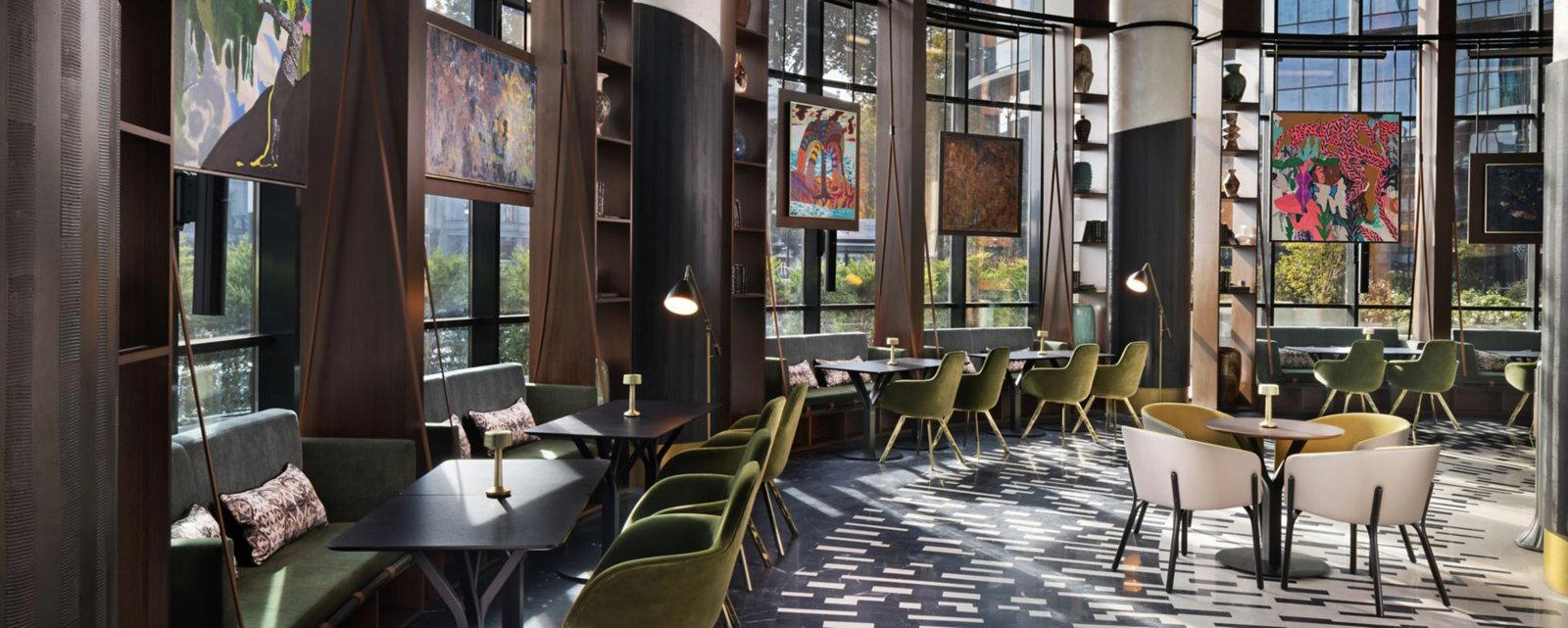
Restaurants in Tbilisi
Browse all →
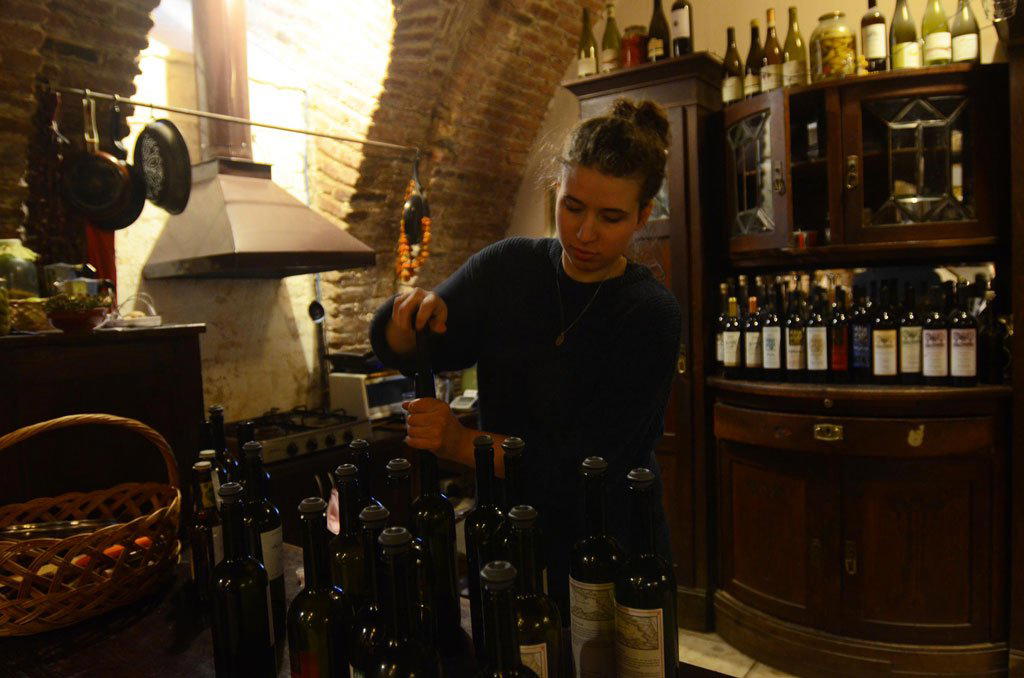
Bars in Tbilisi
Browse all →
Hotels in Tbilisi
Browse all →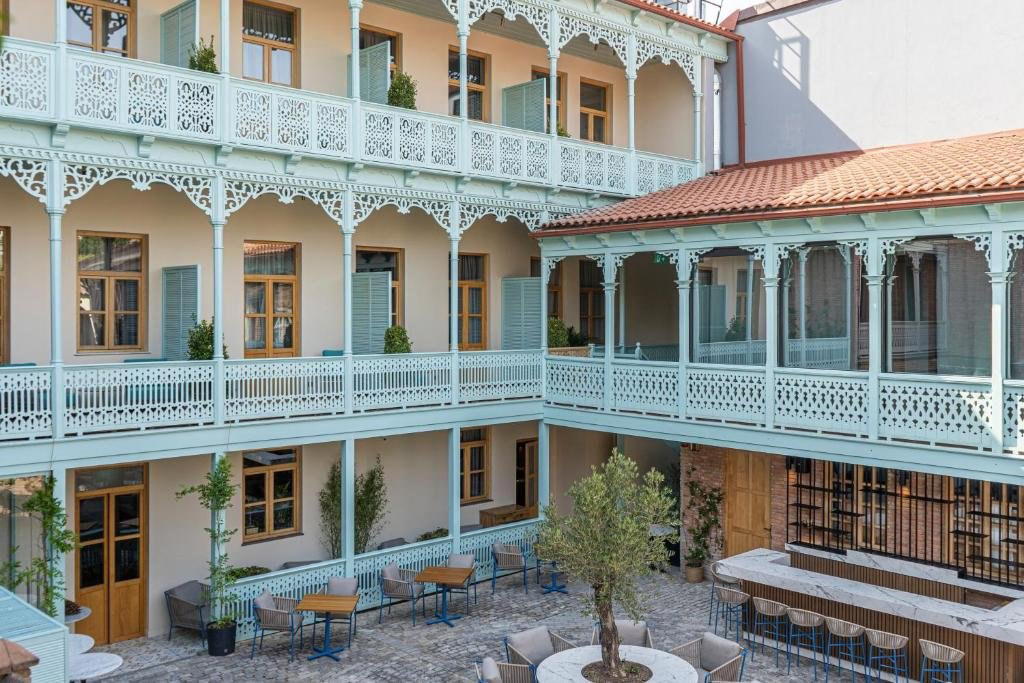




Details
- Cozy
- Elegant
- Intimate
- Modern
- Date Night
- Special Occasion
- Group Dining
- Open Kitchen
- Extensive Wine List
- A La Carte
- Small Plates
- Georgian Wine
- Vegetarian Friendly
- Vegan Options
- Gluten Free Options
Current opening hours
- Monday
- 1–11 PM
- Tuesday
- 1–11 PM
- Wednesday
- 1–11 PM
- Thursday
- 1–11 PM
- Friday
- 1–11 PM
- Saturday
- 1:30–11 PM
- Sunday
- 1:30–11 PM
Hours can change for holidays and private events. Last verified .
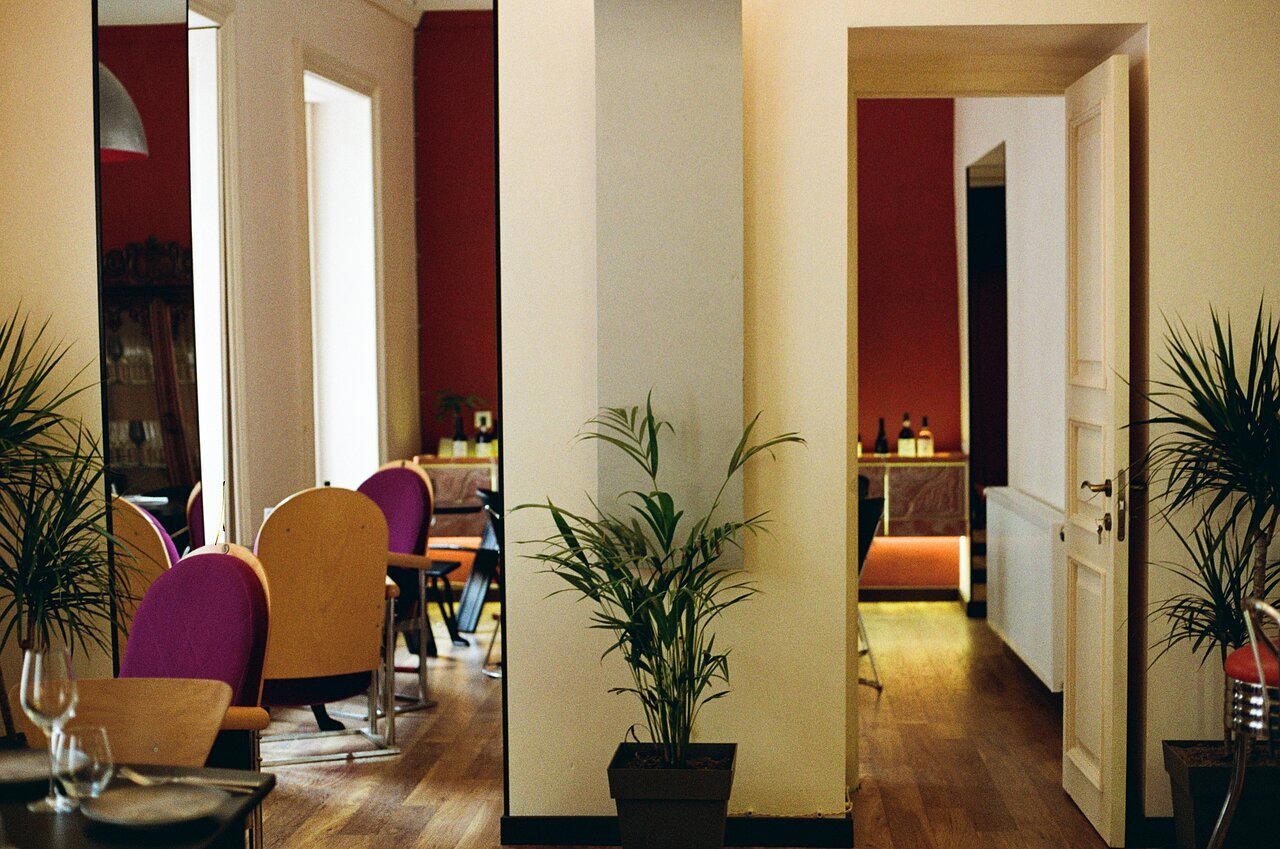
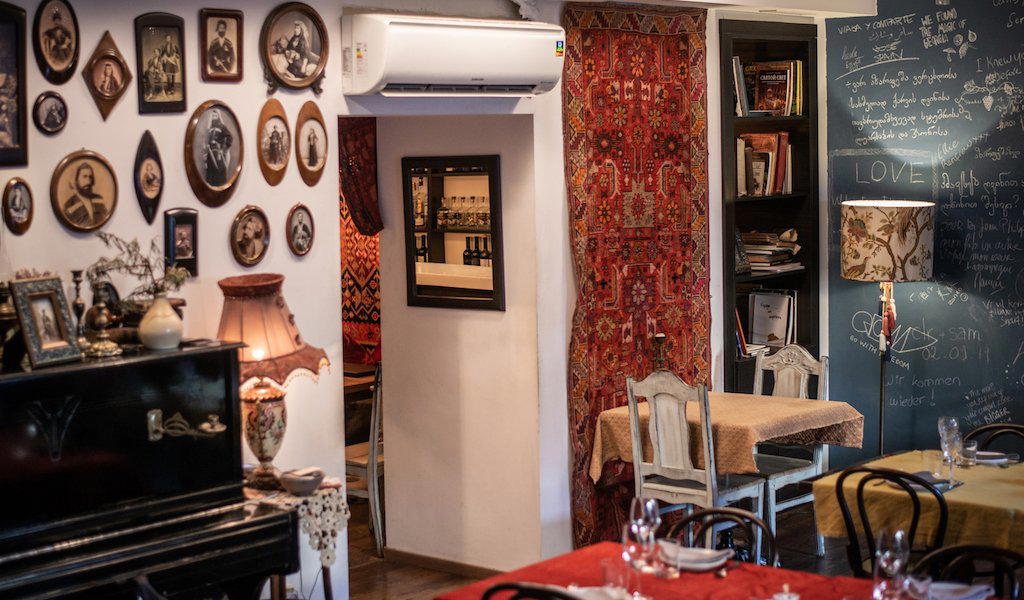
Cozy yet elegant atmosphere with warm lighting and rustic decor.