æç sits in Aoi Ward, Shizuoka, at an address that places it squarely within a city defined by its proximity to some of Japan's most celebrated agricultural and coastal produce. With almost no public-facing data, the restaurant operates in the manner of many serious Japanese dining rooms: quietly, on its own terms, and almost entirely by word of mouth.
Pearl is the En Primeur Club membership app — saves, bookings, and concierge access live there. Same editors, same standards.
- Address
- 12-2 Maruyamacho, Aoi Ward, Shizuoka, 420-0861, Japan
- Phone
- +81542957791
- Website
- omakase.in
 Saves & bookings on Pearl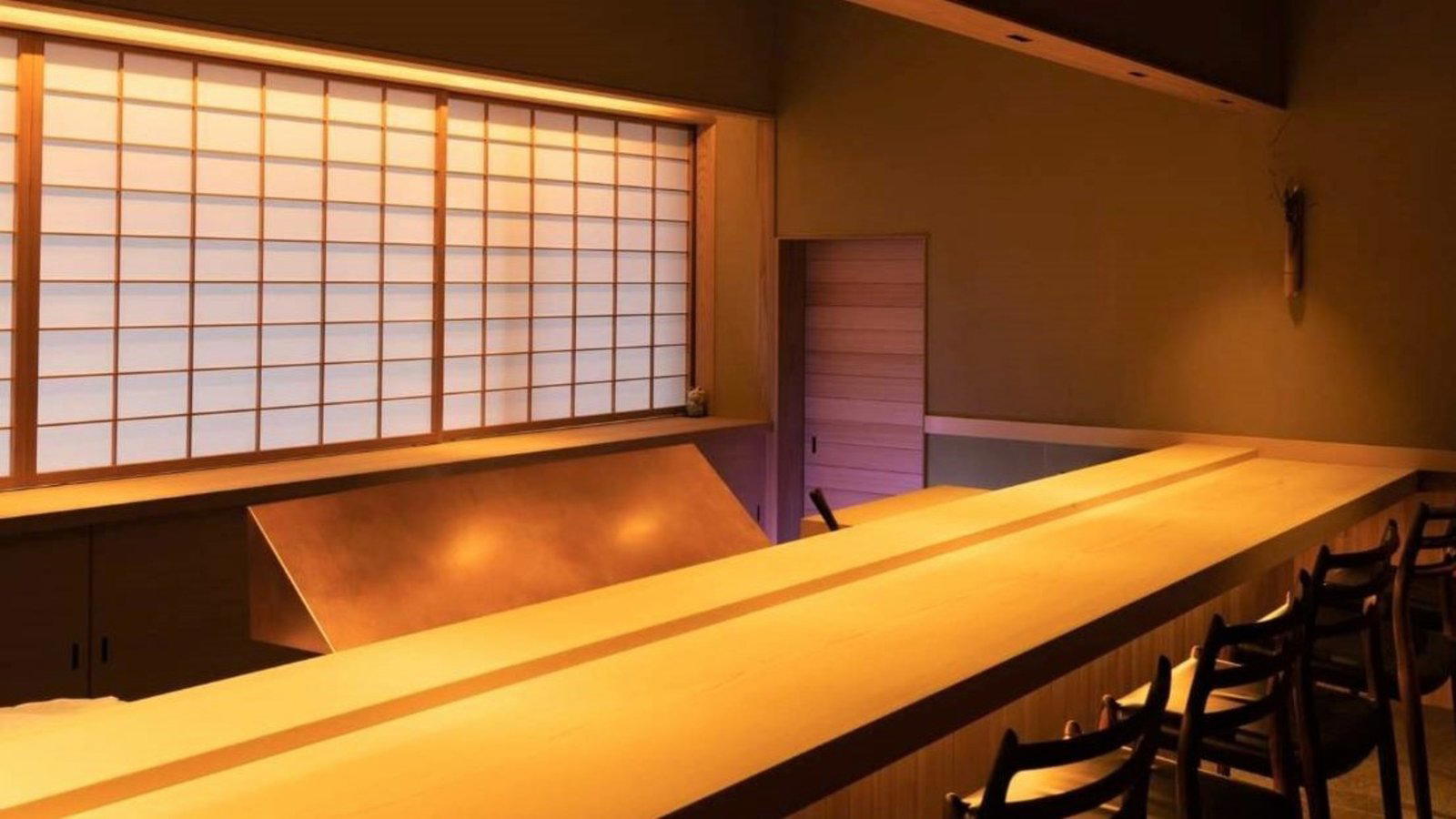
A City Where the Ingredients Arrive Before the Reputation Does
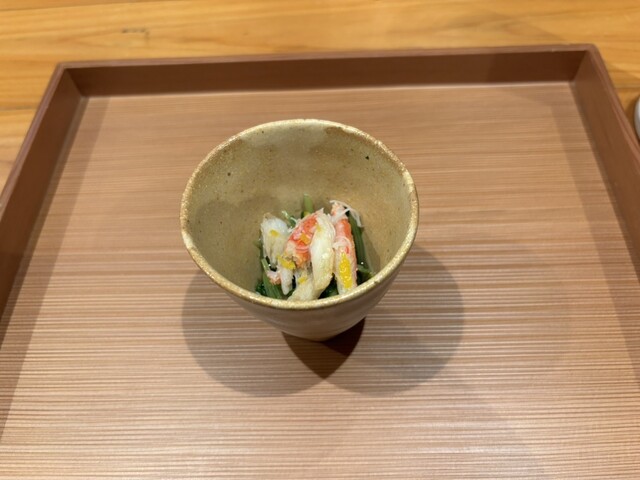
Shizuoka occupies a position in Japanese food culture that its dining room count doesn't fully reflect. Sitting between the Pacific coast and the foothills of Fuji, the prefecture produces wasabi that supplies a significant share of Japan's restaurants, raises some of the country's most closely watched tea, and pulls seafood from Suruga Bay, which, at roughly 2,500 metres at its deepest point, is one of Japan's most productive fishing grounds. Restaurants here don't need to import provenance, it arrives at the back door. That geographic reality shapes what serious Shizuoka kitchens do, and it's the frame through which æç, located at 12-2 Maruyamacho in Aoi Ward, is a restaurant serving Vegetarian Health Food in Shizuoka.
In cities like Tokyo or Osaka, a restaurant's sourcing story is often constructed and communicated. In Shizuoka, sourcing is simply a function of geography. The kitchens that take it seriously, and the comparison set here includes Asaba, whose kaiseki tradition draws on the same regional larder, and Ichi Unagi, which builds its entire identity around locally raised eel, tend to let produce define format rather than the other way around. æç operates within that same logic, though it maintains a low profile that makes direct comparison difficult. What the address and the city's dining culture suggest is a kitchen aligned with the provincial fine-dining model: tight, deliberate, and deeply reliant on what the surrounding region can provide.
What Aoi Ward Signals About the Room
Aoi Ward is Shizuoka's administrative and commercial centre. It contains the city's main station, its older merchant districts, and a concentration of the kind of mid-scale restaurants that feed local office workers at lunch and families at dinner. But it also holds a quieter tier, smaller rooms with no signage to speak of, the sort that function through reservation books rather than foot traffic. æç, at its Maruyamacho address, sits within walking distance of that central zone while remaining apart from it in character.
Shizuoka's better dining rooms share a structural preference: limited seating, counter-led or intimate table service, and menus that shift with the market rather than the season in the broader calendar sense. Rin and FUJI both operate in this register, as does LAT.34°N by Ao, which layers a French-inflected auberge format onto regional ingredients. What can be said is that the restaurant occupies a city where that kind of restraint is a recognised mode, not an exception.
Ingredient Sourcing as Culinary Argument
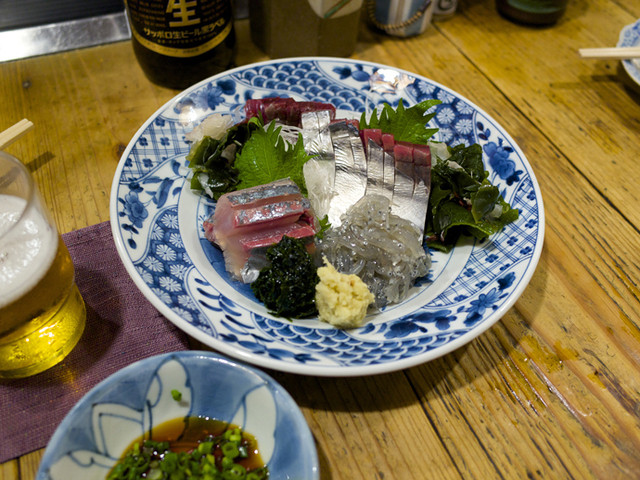
The broader question worth asking about any Shizuoka restaurant is how it positions itself relative to the prefecture's produce hierarchy. Suruga Bay trawls deliver sakura shrimp, a species fished in meaningful quantities almost exclusively in this bay, alongside aji, katsuo, and various shellfish. The Abe River valley supplies wasabi root. The Makinohara plateau produces tea that, in its premium sencha form, sits alongside the country's most carefully graded agricultural products. These aren't background ingredients; they are the substance of any credible argument a Shizuoka kitchen makes about itself.
Restaurants that take that argument seriously tend to show it in how they structure their menus: fewer dishes, more attention per plate, and a reluctance to import ingredients that would compete with what the region provides. This is the model that has won serious recognition for Japanese provincial dining more broadly. HAJIME in Osaka and Gion Sasaki in Kyoto both demonstrate, in their respective cities, how a close relationship between kitchen and local supply chain can produce cooking that resists the generic. Shizuoka's geography makes that argument easier to sustain than almost anywhere else in Honshu.
Shizuoka's Dining Scene in Context
Compared with Tokyo's density or Kyoto's international visibility, Shizuoka's fine-dining tier operates at lower volume and with less external scrutiny. That changes the dynamics around who eats in these rooms: regulars carry more weight, reservations travel through personal recommendation more than review aggregators, and kitchens develop at a pace set by the market and their own standards rather than by critic cycles. Harutaka in Tokyo and akordu in Nara both occupy similar positions in their cities, technically serious, not immediately legible to first-time visitors, and both reward the effort of finding them. æç appears to operate in comparable territory.
For visitors coming from outside the city, Shizuoka is accessible by shinkansen from Tokyo in under an hour, which places it within realistic day-trip range, though the more considered approach, and the one that allows time to eat properly, is an overnight stay. The city's dining cluster in Aoi Ward is walkable once you're there, and the concentration of restaurant types across kaiseki, eel, tempura, and less categorisable formats means a single visit can map a relatively complete picture of what the prefecture does with its ingredients.
The broader network of serious Japanese regional dining, Goh in Fukuoka, Abon in Ashiya, affetto akita in Akita, Aji Arai in Oita, Ajidocoro in Yubari District, and Akakichi in Imabari, shows a consistent pattern: the most rigorous provincial kitchens tend to be the least visible internationally, and the ingredient story they tell is often more coherent than anything available in larger, more competitive cities. Shizuoka fits that pattern almost by definition.
Planning a Visit
The most reliable approach is to seek a reservation through a concierge service familiar with Shizuoka's smaller dining rooms, or through a local contact with existing access. This is not unusual in the city's more serious tier. Visitors should treat this as a restaurant that operates on its own schedule rather than one that accommodates walk-in traffic. Arriving in Shizuoka by shinkansen from Tokyo is the most practical route; the Maruyamacho address in Aoi Ward is close enough to Shizuoka Station to reach without significant navigation.
At-a-Glance Comparison
Comparable venues nearby, for context on price, style, and recognition.
| Venue | Cuisine | Price | Awards | Notes |
|---|---|---|---|---|
| 成生This venue — the venue you are viewing | Vegetarian Health Food | $$ | , | |
| 台湾味 | Taiwanese | $$ | , | Shizuoka Station area |
| Kawachi Ya | Dining | , | , | Shizuoka |
| Blue Label | Cocktail & Whisky Bar | $$$ | , | Aoi-ku |
| Suien Dosai Honten | Traditional Tonkatsu (Japanese Pork Cutlet) | $$ | , | Aoi Ward |
| ハラグチ ル・レストラン | Modern French Fine Dining | $$$$ | , | Aoi Ward (Shichikenmachi area) |
Continue exploring
More in Shizuoka
Restaurants in Shizuoka
Browse all →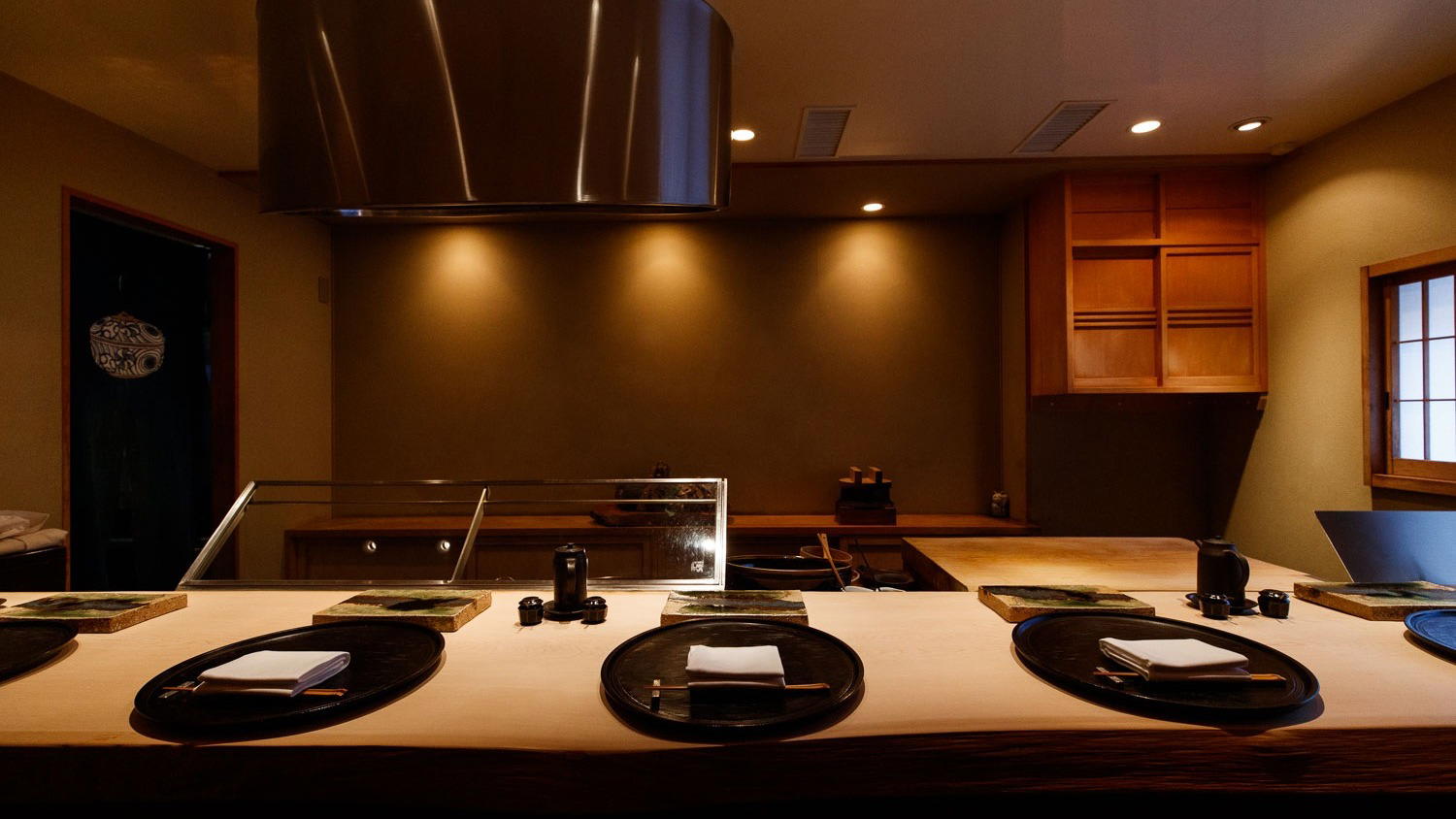
Hotels in Shizuoka
Browse all →

Wineries in Shizuoka
Browse all →
At a Glance
- Cozy
- Trendy
- Casual
- Family
- Group Dining
- Casual Hangout
Casual, cozy, and trendy atmosphere suitable for family meals and casual dining.