

Tabelog Silver #22
Our verdict
A seven-seat counter in Shizuoka's Aoi Ward, FUJI holds consecutive Tabelog Silver Awards from 2024 through 2026, a 4.54 score, and selection in the Tabelog Japanese Cuisine EAST Top 100 for both 2023 and 2025. The kitchen focuses on fish-forward Japanese cuisine drawing on Shizuoka's exceptional local produce. Reservation-only, with both lunch and dinner priced in the JPY 20,000–29,999 range.

Pearl is the En Primeur Club membership app — saves, bookings, and concierge access live there. Same editors, same standards.
- Address
- 3-6 Sakaecho, Aoi Ward, Shizuoka, 420-0859, Japan
- Phone
- +81 54-260-5166
- Hours
- Mon–Sat 12–2:30 PM, 6–10 PMSun Closed
- Website
- nihonryourifuji.com
- Directions
- Get directions
- Booking
- Book on Omakase
The menu
What to order
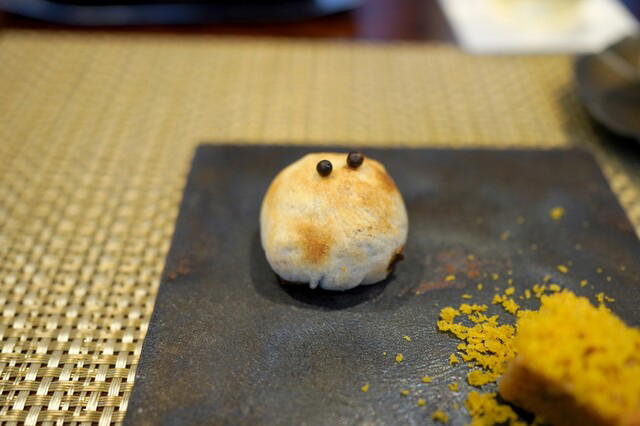
- Grilled Sweetfish Matsukasa-yaki
- Spiny Lobster
A Counter at the Foot of the Produce Chain
Shizuoka occupies an unusual position in Japanese fine dining. The prefecture sits between Tokyo and Kyoto on the Tokaido corridor, yet it operates less as a transit point than as a larder: Suruga Bay delivers some of Japan's richest trawl-to-table seafood, the surrounding farms and tea fields supply ingredients that appear on counters across the country, and Mount Fuji's snowmelt feeds river systems that shape the flavour of freshwater fish caught within the prefecture. The question that serious Japanese cuisine in Shizuoka has always had to answer is whether to ship those ingredients to the capital's counters or to cook with them at the source. FUJI, a seven-seat counter in the Sakae-cho neighbourhood of Aoi Ward, is an argument for the latter.
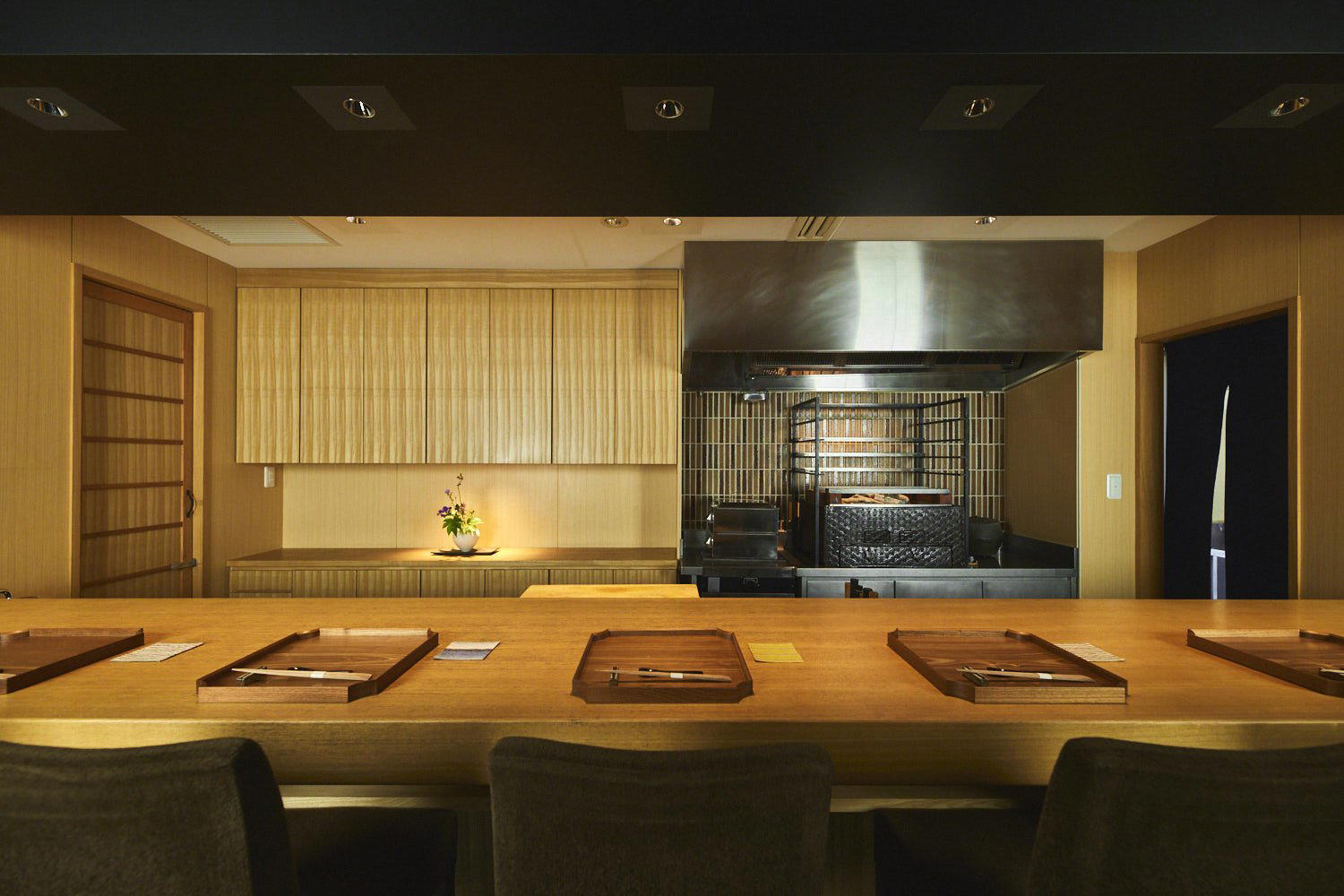
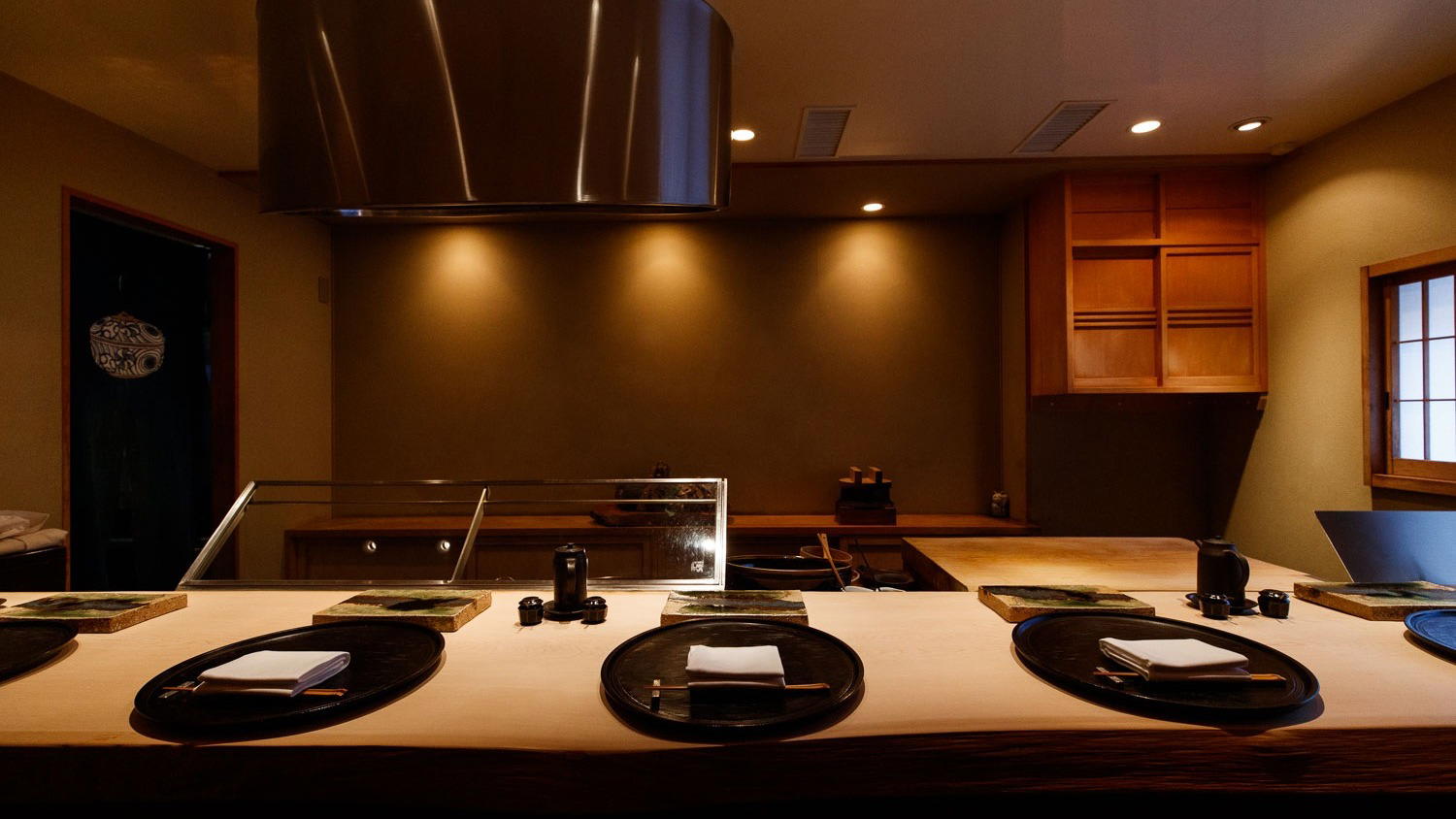
The room itself sets the register immediately: seven counter seats, a relaxing space built around direct sight lines to the kitchen, no private rooms, no distractions. This is a format with a clear philosophy about how Japanese cuisine should be experienced. The counter in traditional kaiseki and nihonryori culture is not merely a practical arrangement; it is the mechanism by which the kitchen communicates season, ingredient, and technique to the guest without the mediation of a dining-room floor. At seven seats, FUJI operates at a scale where that communication is preserved with particular precision.
What the Awards Record Tells You
Japan's dining scene has a layered recognition infrastructure, and Tabelog's annual awards function as one of its more granular instruments. Unlike Michelin, which evaluates a narrow set of criteria through anonymous inspections, Tabelog aggregates tens of thousands of verified diner reviews and applies statistical weighting to produce its scores. A 4.54 score, the figure FUJI carried into its 2026 Silver Award, places a restaurant in a very small cohort nationally. Silver designation on the Tabelog Award, held consecutively for 2024, 2025, and 2026 after a Bronze in 2023, signals a trajectory of consistent improvement alongside sustained peer recognition.
The Tabelog Japanese Cuisine EAST Top 100 selection, awarded in both 2023 and 2025, is a separate and complementary signal. It covers the eastern half of Japan, a competitive field that includes Tokyo's deepest concentration of high-end Japanese restaurants. Selection from a Shizuoka address in that field is not automatic; it requires the kind of review volume and score consistency that Tokyo counters generate by proximity to a larger diner population. For context, counters of comparable Tabelog standing in Tokyo's Ginza or Azabu-Juban districts often carry decade-long reputations, Michelin stars, and reservation queues stretching months. FUJI, operating from a regional city, occupies the same recognition tier through a different route.
Peers in Shizuoka's premium dining circuit take different category approaches. Asaba and Seirin represent kaiseki traditions; Ichi Unagi addresses Shizuoka's eel heritage specifically. FUJI's positioning within Japanese cuisine more broadly, with a documented focus on fish, places it in a category that draws on Suruga Bay's produce rather than framing itself through any single culinary sub-discipline. That breadth, combined with the award trajectory, positions it at the upper end of the city's Japanese cuisine tier. You can explore the full range of options in our full Shizuoka restaurants guide.
Fish, Provenance, and the Shizuoka Proposition
Japanese cuisine's relationship with fish is not simply a matter of freshness. It involves an understanding of species, season, preparation method, and the relationship between the ocean and the kitchen's rhythm across a calendar year. Suruga Bay is one of Japan's deepest bays, which produces particular conditions for species like sakuraebi (cherry shrimp), shirasu (whitebait), and a range of deepwater fish that do not appear on menus far from the coast. The kitchen at FUJI is noted specifically for its attention to fish, a framing that in the context of Shizuoka means working within one of the country's most concentrated seafood supply geographies.
This is the cultural logic that makes a regional Japanese cuisine counter operating at this price tier coherent. In the tradition of nihonryori, the highest expression of the cuisine is often the one most tightly bound to its immediate environment. Tokyo's great counters import from across Japan; a Shizuoka counter can, in principle, define its identity through what is available within a shorter radius. That proximity to source is not a constraint in this tradition; it is a credential. Comparable arguments are made for fish-focused high-end Japanese restaurants in Fukuoka, where proximity to Genkai Sea informs the cooking at counters like Goh, or at destination addresses in Nara such as akordu, where local produce drives an equally specific regional identity.
The broader comparison across Japanese regions is instructive. Tokyo counters like Harutaka or the kaiseki canon represented by Gion Sasaki in Kyoto operate within the most scrutinised and trafficked fine-dining corridors in Japan. The case for a Shizuoka counter in the same recognition tier is precisely that its identity is not derivative of those corridors. The cuisine is not Osaka's maximalist honzen tradition as expressed at HAJIME, nor is it the product of metropolitan competition. It is a counter working from one of Japan's most productive coastal prefectures, pricing in the JPY 20,000–39,000 range (the listed range is JPY 20,000–29,999, with review-based averages suggesting JPY 30,000–39,999 in practice), and accumulating recognition through the domestic review infrastructure rather than international press cycles.
Planning a Visit
FUJI operates on a reservation-only basis, and the booking conditions are clearly defined. Changes or cancellations to guest numbers must be communicated by 9:00 PM the day before the reservation; cancellations made on the day of the booking incur a full charge for the original party size. Given the seven-seat counter format, this policy reflects the operational reality of a very small room where a no-show represents a meaningful proportion of the evening's capacity. Plan accordingly, and treat the confirmation as a commitment.
The address at 3-6 Sakae-cho, Aoi Ward, places the restaurant approximately five minutes on foot from the north exit of JR Shizuoka Station, which makes it accessible from Tokyo via the Tokaido Shinkansen (roughly 45 minutes from Shin-Yokohama, or under 60 minutes from Shin-Osaka). There is no on-site parking, though a paid lot operates next door. Lunch runs from 12:00 onwards, dinner from 18:00 onwards; the kitchen is closed Sundays, Wednesday afternoons, and the third Monday of each month.
Payment is accepted by credit card (Visa, Mastercard, JCB, American Express, Diners Club); electronic money and QR code payments are not accepted. The restaurant is entirely non-smoking. The dress code discourages excessively casual attire and, notably, requests that guests avoid wearing perfume or scented products, citing the importance of preserving the aroma of the ingredients. This is a specific and meaningful policy at a fish-focused counter where the kitchen's sensory work depends on a neutral dining environment. Children are generally not accommodated unless dining from the same menu as adults, with exceptions possible depending on party composition.
The drink list covers sake, shochu, and wine. For those approaching Shizuoka as a broader destination, the city offers additional dimensions worth planning around: our full Shizuoka hotels guide, bars guide, and experiences guide cover the wider circuit. The LAT.34°N by Ao and Rin offer contrasting formats for those building a multi-dinner itinerary, and our Shizuoka wineries guide covers the prefecture's growing wine output for visitors with time beyond the city.
Frequently asked questions
What time does FUJI open and close?
Hours at FUJI: ■Business hoursLunch from 12:00 onwardsDinner from 18:00 onwards■Closed onSundays, the third Monday of each month, and Wednesday afternoons.
Where is FUJI in Shizuoka?
FUJI is located at 3-6 Sakaecho, Aoi Ward, Shizuoka, 420-0859, Japan, Shizuoka.
Has FUJI won any awards?
FUJI has received recognition including: {"Year":"2026","Award Source":"Tabelog","Award Type":"The Tabelog Award","Award Group":"silver","Award Group Rank":"22","Restaurant Name":"Japanese Cuisine Fuji","Score":"4.54","Budget":"Dinner: JPY 20,000 - JPY 29,999; Lunch: JPY 20,000 - ….
What do people recommend at FUJI?
Reviewers consistently cite the fish-focused courses as the reason to visit. The venue's own listing notes a particular emphasis on fish sourcing, and Tabelog review-based spending averages of JPY 30,000–39,999 per person suggest guests are ordering the fuller course options. With only seven counter seats, the kitchen's attention is concentrated rather than dispersed across a large menu.
What is FUJI known for?
FUJI is known for fish-forward Japanese cuisine built around Shizuoka prefecture's produce, recognised by Tabelog Silver Awards in 2024, 2025, and 2026, alongside selection for the Tabelog Japanese Cuisine EAST Top 100 in both 2023 and 2025. Operating from a seven-seat counter in Aoi Ward since November 2014, the restaurant runs on a strictly reservation-only basis with a no-perfume policy that signals how seriously provenance and aroma are treated in service.
Is FUJI good for vegetarians?
The venue explicitly identifies fish as its ingredient focus, which makes this a difficult fit for vegetarians. The listing makes no mention of vegetarian or plant-based course alternatives. Guests with dietary restrictions should check the venue's official channels before booking, as courses appear built around seasonal fish-centred preparations.
Budget and Context
Comparable venues nearby, for context on price, style, and recognition.
| Venue | Cuisine | Price | Awards | Notes |
|---|---|---|---|---|
| FUJIThis venue — the venue you are viewing | Traditional Shizuoka Kaiseki Omakase | $100–150 | Tabelog Silver #22 | Not listed |
| Tempura Nakamura | Shizuoka Tempura Omakase | $300–500 | Not listed | Yaizu, Shizuoka Tempura Omakase |
| Asaba | Traditional Japanese Kaiseki | $100–150 | Relais Chateaux Award | Shuzenji, Traditional Japanese Kaiseki |
| Taihei | Traditional Japanese Izakaya & Seafood | $50–100 | Tabelog 100 #50 | Aoi Ward (Ryougaemachi), Traditional Japanese Izakaya & Seafood |
| Simples | Modern French-inspired Japanese Omakase | $150–200 | Tabelog Bronze #413 | Mariko, Suruga-ku, Modern French-inspired Japanese Omakase |
| Ichi Unagi | Traditional Japanese Unagi | $50–100 | Tabelog Bronze #127 | Ito, Traditional Japanese Unagi |
Recognition history
Dated appearances from independent guides and award organizations, with the underlying list record or original source where available.
Opinionated About Dining Top Restaurants in Japan Ranked #29
Opinionated About Dining
Tabelog Silver #22
Tabelog
Full recognition history (4 entries)
Tabelog Silver
Tabelog
Tabelog 100 #2 · No. 2
Tabelog · Tabelog 100 - Japanese cuisine - EAST - 2025
Continue exploring
More in Shizuoka
Restaurants in Shizuoka
Browse all →
Hotels in Shizuoka
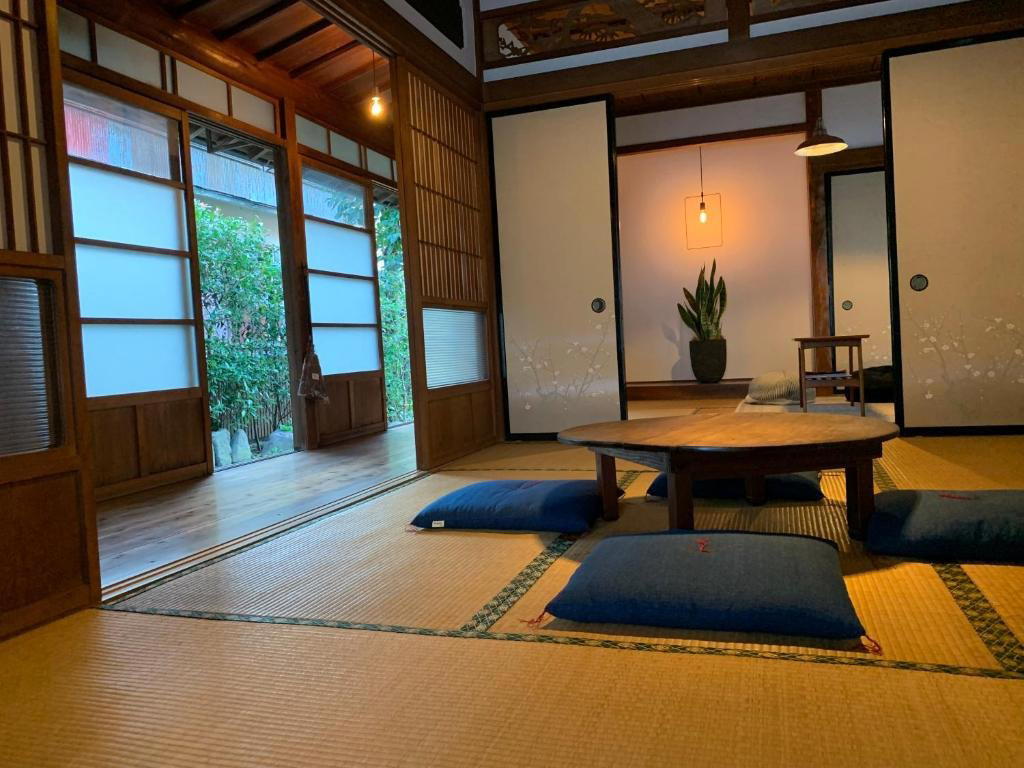
Browse all →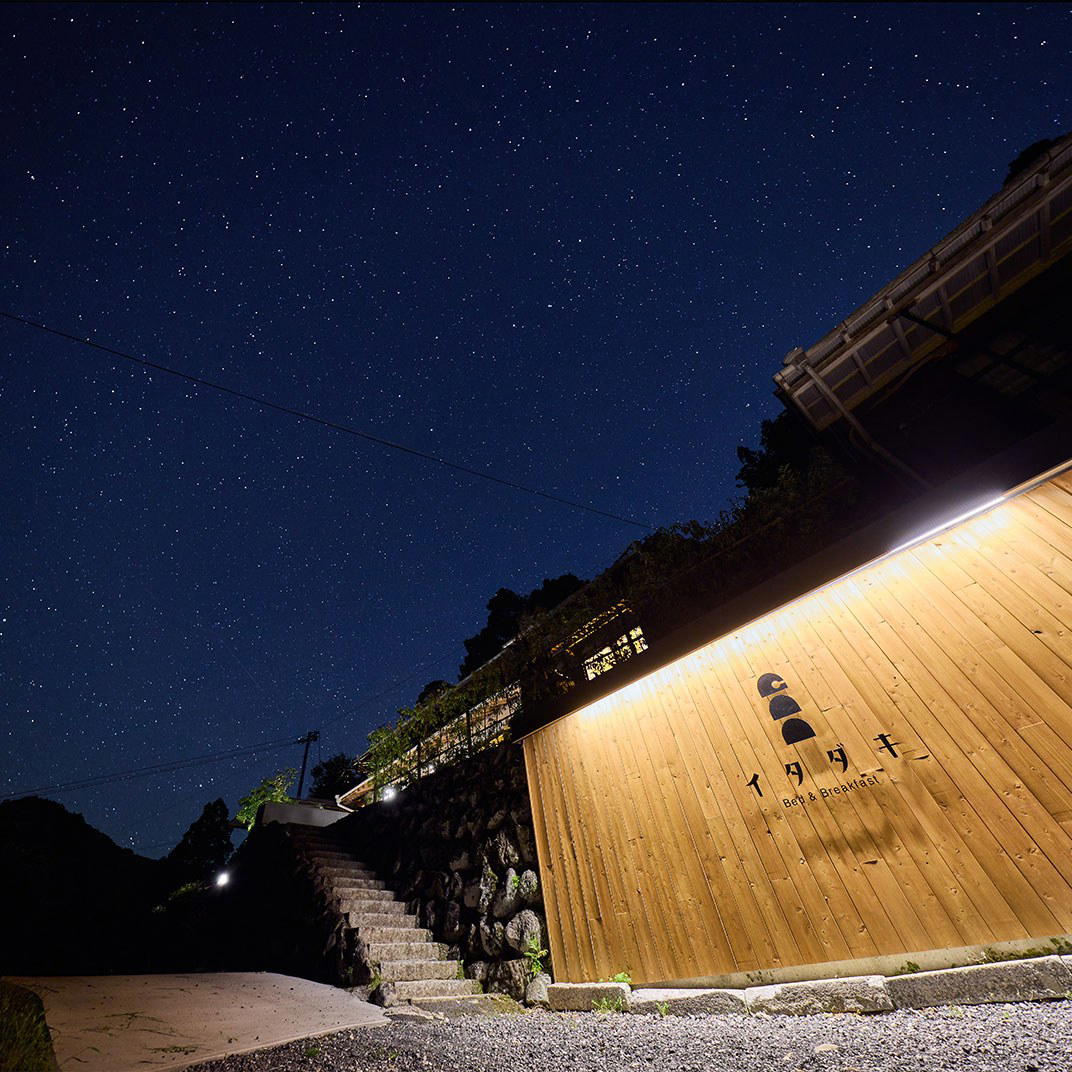
Wineries in Shizuoka
Browse all →
Details
- Elegant
- Intimate
- Sophisticated
- Date Night
- Special Occasion
- Chefs Counter
- Open Kitchen
- Sake Program
- Local Sourcing
- Omakase
- Sake
Current opening hours
- Monday
- 12–2:30 PM, 6–10 PM
- Tuesday
- 12–2:30 PM, 6–10 PM
- Wednesday
- 12–2:30 PM, 6–10 PM
- Thursday
- 12–2:30 PM, 6–10 PM
- Friday
- 12–2:30 PM, 6–10 PM
- Saturday
- 12–2:30 PM, 6–10 PM
- Sunday
- Closed
Hours can change for holidays and private events. Last verified .
Intimate counter setting with live kitchen performances like roasting sesame seeds, creating a polite and luxurious atmosphere focused on ingredient aromas.