Our verdict
台湾峡 occupies a compact address in Shimizu Ward's Ginza district, where Shizuoka's proximity to Suruga Bay and the slopes of the Southern Alps defines what arrives at the table. Booking ahead is advisable for this address.

Pearl is the En Primeur Club membership app — saves, bookings, and concierge access live there. Same editors, same standards.
- Address
- 1-1-8 Ginza, Shimizu Ward, Shizuoka, 424-0817, Japan
- Website
- taiwanaji.com
- Directions
- Get directions
Shimizu's Ginza Strip and the Sourcing Logic Behind It
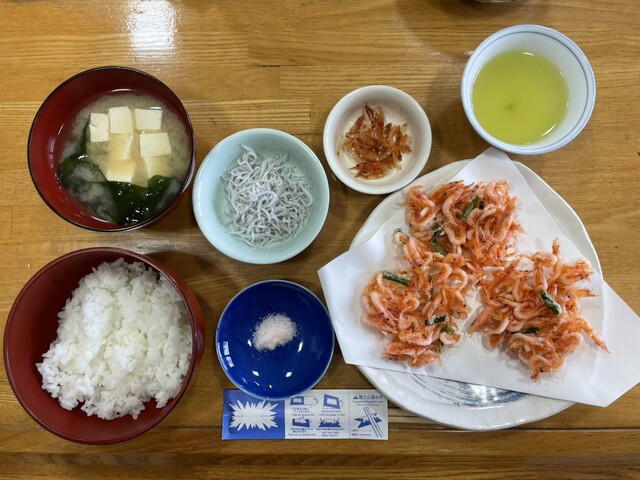
Shimizu Ward's compact Ginza district operates on a different register from the prefecture's inland dining centres. The waterfront is close enough that fishing boats and the wholesale market schedules shape kitchen rhythms in ways that are not replicated further from the bay. Suruga Bay, one of Japan's deepest coastal inlets, produces a distinct catch profile: sakura ebi (cherry shrimp) in volumes found nowhere else domestically, alongside shirasu whitebait, aji, and seasonal fish drawn from cold, nutrient-dense water. Any serious kitchen at this address works with that geography as its primary variable, not as a backdrop.
台湾峡, addressed at 1-1-8 Ginza, Shimizu Ward, sits directly within this sourcing corridor. The Ginza designation in Shimizu is local shorthand for the neighbourhood's strip of specialty food and dining addresses, a usage that predates the Tokyo association by several decades in the popular imagination of Shizuoka residents. The area rewards visitors who understand that the dining here is less about spectacle and more about compression: smaller rooms, tighter menus, ingredients that arrive with provenance already established by geography.
What the Region's Pantry Looks Like
Shizuoka Prefecture has an unusual dual-pantry character. From the coast come the bay's shellfish, deepwater fish, and the shirasu that appear at nearly every serious table in the area, from morning to dinner service. From the interior come wasabi cultivated in the cold-water streams of the Abe and Oi river valleys, green tea from the hillside gardens that supply some of Japan's most recognised harvest grades, and mountain vegetables from the Southern Alps foothills. A kitchen working this territory well does not need to import drama from elsewhere; the supply chain is the editorial argument.
This dual sourcing pattern has shaped the dining character of the prefecture broadly. Restaurants operating within it, from Asaba (Kaiseki) in the Izu interior to Ichi Unagi (Unagi (Eel)) closer to the city, each express a version of the same fundamental argument: that Shizuoka's larder is varied enough to anchor a menu without travelling far. The eel tradition alone, running through restaurants like Ichi Unagi, speaks to the freshwater systems that flow from the mountains to the bay, producing fish at a scale and quality that sustains dedicated specialist kitchens across the prefecture.
Placing 台湾峡 in Its Competitive Set
The Shimizu dining tier includes formats that range from counter-focused specialist rooms to kaiseki addresses with deeper ceremony. Comparison venues in the immediate vicinity include eel specialists and tempura houses, a category mix that reflects the neighbourhood's preference for ingredient-led discipline over multi-course architectural presentations. 台湾峡's Ginza address places it in the zone where these categories overlap, where a guest might eat at one type of room on a first visit and find an adjacent format compelling on the second.
The broader Shizuoka context is useful here. LAT.34°N by Ao (French, Innovative, Auberge) represents the prefecture's more internationally inflected tier, a kitchen using local materials through a French technical framework. Rin and FUJI each occupy distinct positions within the prefecture's dining conversation. The pattern across these addresses is consistent: Shizuoka's dining identity is anchored in what is grown and caught here, not imported. 台湾峡 operates within that same logic, shaped by the Shimizu coastal supply as its primary frame of reference.
For those comparing Shizuoka against Japan's other ingredient-driven dining regions, the prefecture occupies a middle tier in terms of international recognition but a high tier in terms of raw material quality. Kitchens in cities like Kyoto (Gion Sasaki), Osaka (HAJIME), and Tokyo (Harutaka) draw from national supply networks of comparable quality, but the localisation argument is arguably stronger in Shizuoka, where the variety and density of premium produce within a single prefecture is concentrated enough to be a complete system.
The Shimizu Ward Experience: What to Expect on Arrival
Shimizu Ward is accessible from Shizuoka city by the JR Tokaido Line, a journey of approximately fifteen minutes, putting this address within reasonable reach for visitors based in the prefectural capital. The Ginza district itself is walkable from Shimizu Station, with the 1-1-8 address falling on the main strip. The neighbourhood's character is quieter than the name implies, with low-rise buildings, a daytime rhythm shaped by local commerce, and an evening atmosphere that gravitates toward neighbourhood regulars over tourist traffic.
Visitors who have experience with Japan's tighter specialist dining rooms will be comfortable with the physical environment: this is a district built for the meal, not the photograph. The absence of theatrics is a feature of the sourcing-first dining tradition that runs through Shimizu's serious kitchens. The seasonal rhythm matters here as much as anywhere in Japan; cherry shrimp seasons, shirasu windows, and tea harvest cycles each alter what is worth ordering and when.
For planning purposes, the surrounding dining scene warrants building more than one meal into a Shimizu itinerary. The gap between what is on offer at the coastal end of the prefecture and the inland ryokan circuit, anchored by places like Asaba, is significant enough that a two-day structure captures both registers. Japan's regional dining outside the major city circuits, from 一本木ながた川制 in Nanao to 奥羽屋 in Nishikawa Machi, consistently rewards the same approach: build time around a specific geography, not around a single table.
Shizuoka is covered in depth in our full Shizuoka restaurants guide, where the prefecture's dining addresses are mapped against neighbourhood, format, and sourcing tradition. For comparison with how ingredient provenance functions at a very different scale, Le Bernardin in New York City represents the international benchmark for seafood-focused technical discipline, while Atomix in New York City illustrates how Korean regional sourcing logic has translated into a global fine-dining context. The conversation about what a geography's pantry means for a kitchen is not exclusive to Japan, but Shizuoka makes the case with particular clarity.
Planning Your Visit
台湾峡 is located at 1-1-8 Ginza, Shimizu Ward, Shizuoka, 424-0817. Shimizu Station on the JR Tokaido Line is the logical access point, with the Ginza district a short walk from the east exit. Booking information, current hours, and pricing are best confirmed directly with the venue or through local reservation channels, as these details shift with season and format. Visiting during the sakura ebi season (spring and autumn windows) or the first shirasu run of the year aligns the timing with the ingredients that define Suruga Bay's coastal identity most completely.
Frequently asked questions
Is 台湾峡 suitable for children?
The venue sits on Shimizu Ward's compact Ginza strip at 1-1-8 Ginza, a neighbourhood that runs toward the waterfront rather than a busy commercial corridor.
Where exactly is å°æ¹¾å³?
å°æ¹¾å³ is located at 1-1-8 Ginza, Shimizu Ward, Shizuoka, 424-0817, Japan, Shizuoka.
Is 台湾峡 better for a quiet night or a lively one?
Shimizu Ward's Ginza district operates at a notably quieter register than Shizuoka city's central dining blocks, which gives addresses here a more measured pace by default.
| Venue | Cuisine | Price | Awards |
|---|---|---|---|
| å°æ¹¾å³This venue — the venue you are viewing | Taiwanese | $10–20 | Not listed |
| Unagi Shun | Charcoal-Grilled Unagi Fine Dining | $150–200 | Tabelog Gold #31 |
| Tempura Naruse | Itamae Tempura | $150–200 | La Liste Top Restaurants · Tabelog Chef's Gold #7 |
| Asaba | Traditional Japanese Kaiseki | $100–150 | Relais Chateaux Award |
| Seirin | Seasonal Shizuoka Omakase | $500+ | La Liste Top Restaurants · Tabelog Silver #119 |
| Tempura Nakamura | Shizuoka Tempura Omakase | $300–500 | Not listed |
Continue exploring
More in Shizuoka
Restaurants in Shizuoka
Browse all →
Bars in Shizuoka
Browse all →
Hotels in Shizuoka
Browse all →
Wineries in Shizuoka
Browse all →
Details
- Cozy
- Classic
- Casual Hangout
- Family
- Sake Program
- A La Carte
- Vegetarian Friendly
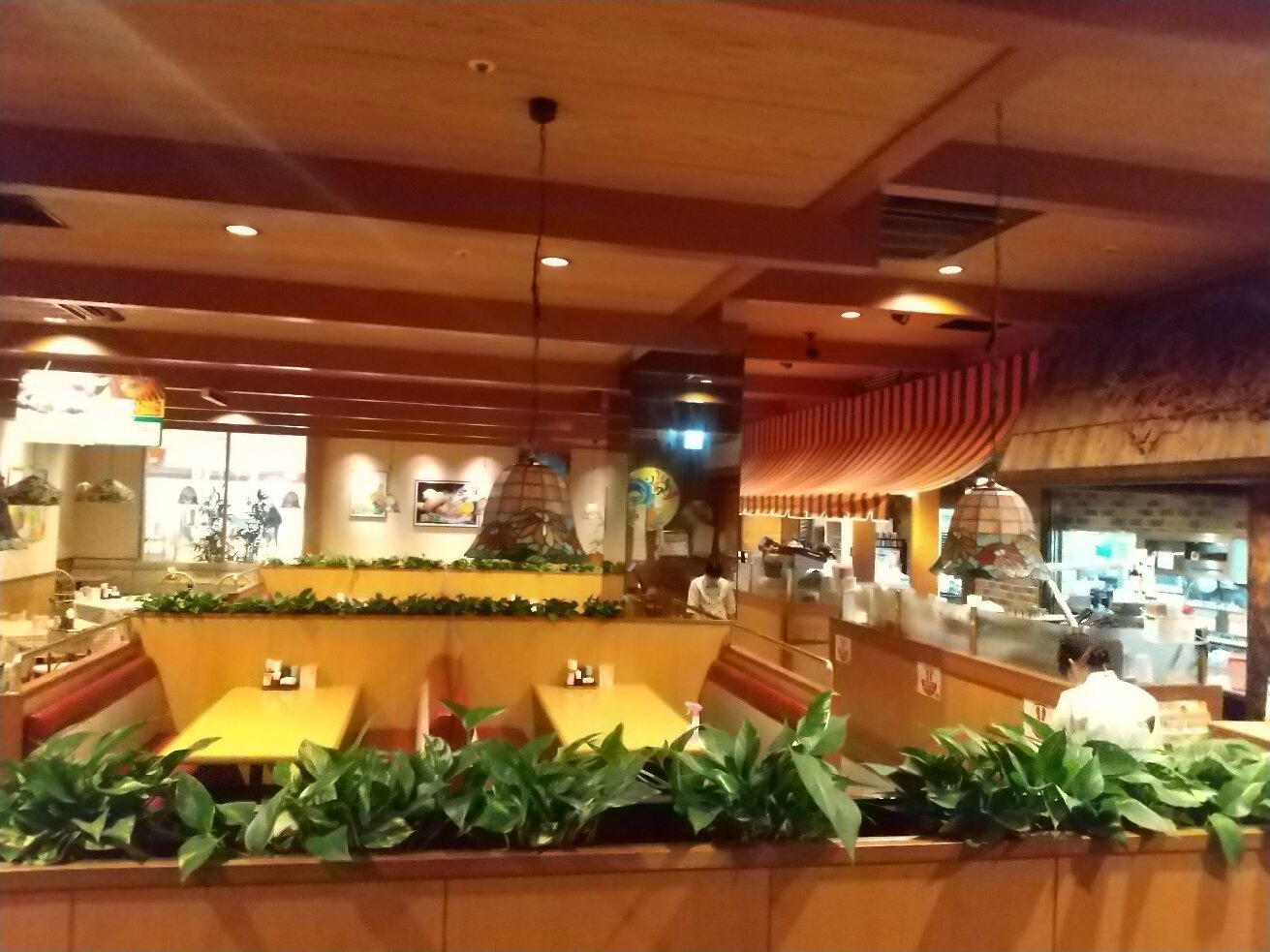
Warm and inviting with simple lighting and a homey Taiwanese diner atmosphere.