
Michelin Selected
A Michelin Selected property in Iwata, Shizuoka Prefecture, Greenity Iwata represents a quieter tier of Japanese hospitality: away from the major tourist circuits yet credentialed by the same guide that covers Tokyo's most celebrated addresses. For travellers moving between central Honshu destinations, it offers a considered stopping point in a city that most itineraries pass through rather than stop at.

Pearl is the En Primeur Club membership app — saves, bookings, and concierge access live there. Same editors, same standards.
- Address
- 2280 Iwai, Iwata, Shizuoka 438-0016, Japan
- Phone
- +81 538-34-1211
- Website
- greenity.jp
- Directions
- Get directions
Arriving in Iwata: What the Setting Tells You
Iwata sits in Shizuoka Prefecture, roughly midway between Nagoya and Shizuoka city on the Tokaido corridor. It is not a destination that draws international visitors on its own merits, which is precisely what makes a Michelin Selected property here worth attention. The Michelin hotel guide operates on a different logic from the restaurant guide: selection signals that a property meets a defined standard of comfort, character, and hospitality consistency, regardless of the city's fame. Greenity Iwata, addressed at Iwai 2280, carries that credential in a city where the traveller tends to be domestic, passing through on business or visiting the surrounding Enshunada coast and the tea-growing zones of inland Shizuoka.
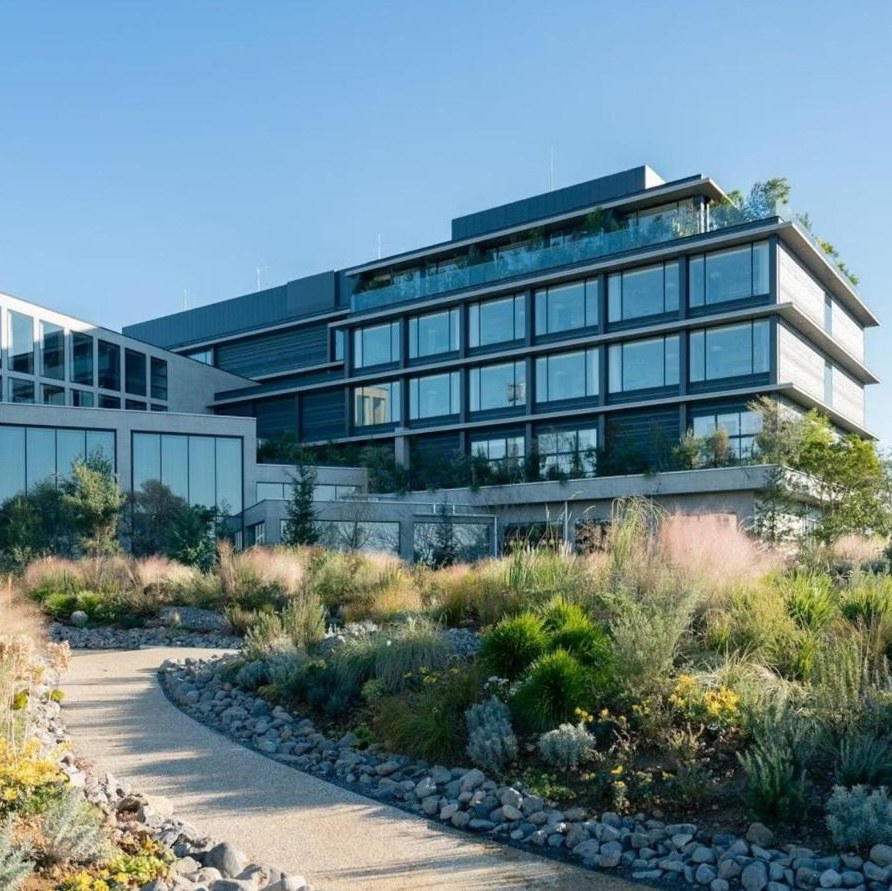
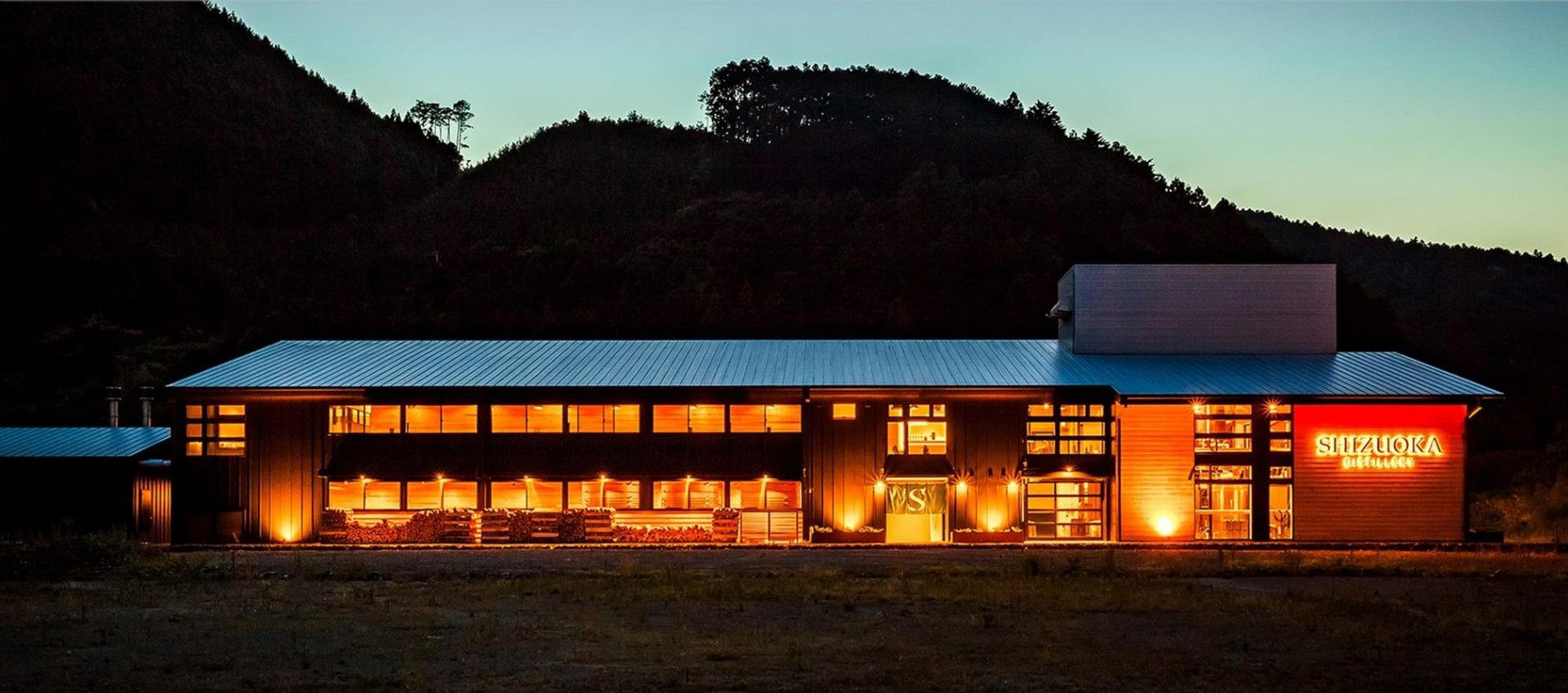
The physical approach to a property like this one tells you something about the Japanese regional hotel category it represents. Unlike the high-rise urban hotels that dominate Japan's major rail hubs, properties selected by Michelin in secondary cities tend to occupy lower-density sites with more deliberate use of space and greenery. The name itself — Greenity, a compound that fuses the English "green" with a suffix suggesting place or community — hints at an environment where the surroundings are treated as part of the design proposition, not just backdrop. In Shizuoka Prefecture, where the landscape shifts quickly from the coast to forested hills, that framing is coherent.
Design Positioning in the Regional Hotel Tier
Japan's Michelin Selected hotel category contains a wide range of properties: historic ryokan with centuries of operating lineage, spare minimalist retreats designed around landscape immersion, and mid-scale properties that distinguish themselves through service precision rather than architectural spectacle. Greenity Iwata falls into a regional cohort that is less photographed than, say, Gora Kadan in Hakone or Zaborin in Kutchan, but operates on a similar principle: the physical environment and spatial design carry most of the communicative work that larger brands handle through brand recognition.
This is a pattern visible across Japan's secondary cities and resort zones. Properties like Asaba in Izu and Fufu Kawaguchiko in Fujikawaguchiko anchor their identity in the quality of their landscape relationship, using natural materials, considered sightlines, and seasonal responsiveness to differentiate from chain hotels. Greenity Iwata's positioning in Iwai, a district that suggests proximity to green space rather than urban density, aligns it with this approach. The architecture and site layout are the primary signals the property sends before a guest steps through the entrance.
For travellers comparing this to properties at the top of the Japanese hotel tier, the reference set is informative. Bvlgari Hotel Tokyo and HOTEL THE MITSUI KYOTO in Kyoto operate with international brand infrastructure and prime urban addresses. A Michelin Selected regional property competes on different terms: intimacy, site specificity, and the kind of unhurried attentiveness that larger properties structurally cannot provide at scale.
Shizuoka Context: Why This Corridor Matters
Shizuoka Prefecture carries significant cultural and culinary weight that rarely translates into international itinerary planning. The prefecture produces a large share of Japan's green tea, with the Kakegawa and Makinohara plateau zones particularly noted for deep-steamed sencha. Enshunada, the bay that frames Iwata's coastal edge, supports a fishing tradition that feeds into the local food culture. Travellers who approach Shizuoka as transit between Tokyo and Kyoto are bypassing a region with a coherent identity.
Iwata itself is primarily known domestically for its proximity to the Enshunada coast, the Tenryu River, and its position in a zone where traditional crafts and agriculture persist alongside light industrial development. A hotel selected by Michelin here is making a specific argument: that Iwata is worth pausing for, not simply moving through. That argument is more legible to Japanese travellers familiar with the region than to international visitors approaching it cold, which is why properties like Greenity Iwata tend to serve a guest who either already understands the area or is willing to discover it without a pre-existing map of must-see landmarks.
For a regional comparison at a different scale, Amanemu in Mie shows how a world-recognised brand approaches the Tokai/Kii Peninsula corridor: by building an entire program around onsen culture and the Ise-Shima landscape. Greenity Iwata operates without that brand infrastructure, but the Michelin selection places it in a conversation about regional hospitality quality that extends across central Honshu.
Planning a Stay: Practical Orientation
Iwata is accessible via the JR Tokaido Main Line, with Iwata Station serving as the practical arrival point for rail travellers. The property address at Iwai 2280 places it outside the immediate station zone, suggesting that local transport or a taxi transfer is part of the arrival sequence. Shinkansen travellers stopping at Kakegawa or Hamamatsu can reach Iwata by local rail connections, making it a plausible overnight for itineraries that move through Shizuoka without the rush that a same-day transit implies.
Michelin Selected properties in Japan's secondary cities are not always reachable in English by direct contact, and working through a platform that has confirmed availability is the more dependable approach for international travellers. Properties in this tier do not consistently require advance booking at the same lead times as in-demand ryokan, but shoulder season and holiday periods in Japan, Golden Week, Obon, and New Year, compress availability across the board.
For context on how other Michelin-credentialed properties in Japan handle the regional hotel format, Nishimuraya Honkan in Kinosaki-cho, Satoyama-Jujo in Niigata, and Nasu Mukunone in Nasu each offer a different answer to the same question of how a property outside a major city builds a case for itself. Greenity Iwata's answer is grounded in Shizuoka's specific geography and in a design approach that uses its green setting as the primary architectural argument. See our full Iwata restaurants guide for the wider dining context around a stay here.
Comparable Venues
Comparable venues nearby, for context on price, style, and recognition.
| Venue | Cuisine | Price | Awards | Notes |
|---|---|---|---|---|
| Greenity IwataThis venue — the venue you are viewing | Nature-inspired luxury retreat on scenic green hill | Not listed | Michelin Selected | Not listed |
| 別邸仙寿庵 | Modern luxury ryokan fusing contemporary architecture with traditional Japanese hospitality | Not listed | Not listed | Tanigawa |
| Hanzuiryo (半水盧) | Luxury heritage ryokan with contemporary service standards, positioned as a upper-tier wellness and culinary destination within a protected national park. | Not listed | 1 Michelin Key | Unzen |
| The Royal Park Hotel Tokyo Haneda (ザ ロイヤルパークホテル 東京羽田) | Contemporary airport hotel with functional luxury positioning; designed for business travelers and transit passengers seeking comfort and convenience. | $200–300 | Not listed | Ota |
| Nagoya Tokyu Hotel | stylish modern urban hotel | Not listed | Preferred Hotels Member | Naka |
| Gora Kadan | Contemporary ryokan blending traditional Japanese architecture with modern luxury, set within a historic Imperial retreat. | Not listed | 3 Michelin Keys · La Liste Top Hotels | Gora, Hakone-machi |
Recognition history
Dated appearances from independent guides and award organizations, with the underlying list record or original source where available.
Michelin Selected
Michelin
Details
- Quiet
- Modern
- Scenic
- Cozy
- Minimalist
- Romantic Getaway
- Wellness Retreat
- Weekend Escape
- Garden
- Terrace
- Wi Fi
- Sauna
- Restaurant
- Room Service
- Garden
- Mountain
- Street Scene
- Wheelchair Accessible
Serene and tranquil with biophilic design, high ceilings, lush surroundings, and peaceful hilltop setting blending nature and minimalist interiors.