
OUBAITOURI brings Chinese and Sichuan cooking into Shizuoka’s compact serious-dining circuit, with Tabelog Chinese EAST 100 selection in 2026 giving it a clear trust signal beyond local word of mouth. The appeal is not scale or ceremony, but a focused dinner format where fermentation, fish, Shaoxing wine, and counter seating place Chinese technique inside a distinctly Shizuoka rhythm.
Pearl is the En Primeur Club membership app — saves, bookings, and concierge access live there. Same editors, same standards.
- Address
- Japan, 〒420-0033 Shizuoka, Aoi Ward, Showacho, 3-17 秀和ビル B1F
- Phone
- +81 54-252-0011
- Website
- oubaitouri0222.com
 Saves & bookings on Pearl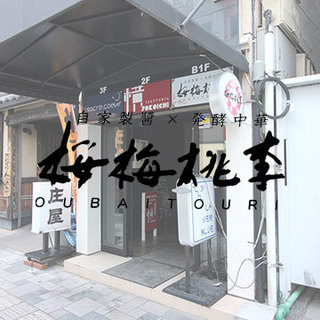
Below street level in Aoi Ward, the mood shifts from station-city movement to the smaller register of a dinner room built for concentration. Shizuoka’s restaurant culture often rewards restraint: seafood from Suruga Bay, tea-country precision, and kitchens that do not need Tokyo volume to earn serious attention. In that setting, OUBAITOURI reads as part of a quieter pattern in regional Japanese dining, where Chinese and Sichuan cooking are filtered through local produce, sake-era drinking habits, and a preference for controlled portions over banquet excess.
The signal that matters is not size. The restaurant was selected for Tabelog 100 Chinese cuisine EAST in 2026, a list that places it within eastern Japan’s competitive Chinese category rather than only within Shizuoka’s city rankings. Its Tabelog score of 3.59 supports the same point: this is a specialist table in a prefectural capital, not a broad tourist address designed around spectacle. For a wider read on the city’s dining range, our full Shizuoka restaurants guide gives the useful map.
Chinese technique with Shizuoka's regional restraint
Chinese restaurants in Japan split broadly between hotel-style banquet rooms, neighbourhood chuka, and smaller modern kitchens that treat spice, fermentation, and wine pairing with the discipline associated with contemporary Japanese dining. OUBAITOURI belongs to that third category. Its categories are Chinese and Sichuan, while the cooking is flagged for fish, health-conscious menus, homemade soy sauce, and fermented seasonings. That combination matters in Shizuoka, where seafood is not an accessory but a local grammar.
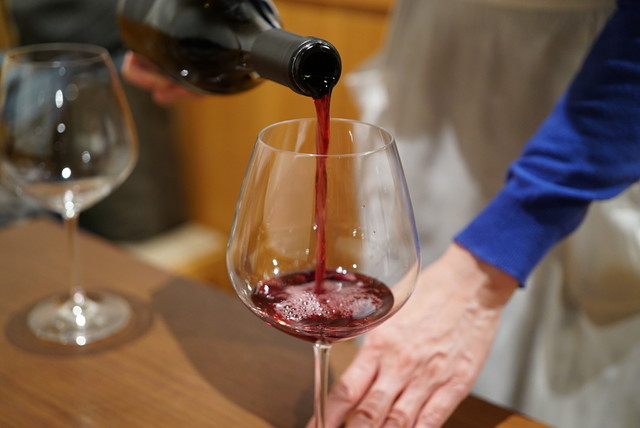
Sichuan cooking outside China is often flattened into heat. Better Japanese interpretations tend to work differently, using chilli, aromatics, vinegar, and fermented depth as structure rather than volume. Here, the presence of Shaoxing wine, wine, cocktails, shochu, BYO drinks, and a sommelier suggests a restaurant thinking beyond the usual beer-and-mapo shorthand. That does not turn it into a French-style dégustation room; it places Chinese cooking inside Japan’s mature drinking culture, where the glass can carry as much editorial weight as the plate.
Within Shizuoka, that makes the comparison set instructive. Blue Label sits at a higher dinner spend, while Chabo occupies a more expensive bracket again. Chinese Muramatsu gives another point of reference for Chinese dining in the city, and Aozora shows how Shizuoka’s serious tables can operate without the formality associated with larger metropolitan dining rooms. The useful conclusion is simple: OUBAITOURI sits in the zone where price discipline, award recognition, and a specific Chinese-Sichuan identity overlap.
A compact dinner room rather than a banquet address
The format reinforces the culinary argument. With 30 seats, counter seating, no private rooms, non-smoking policy, and private use available for larger groups, the restaurant has the bones of a small urban dining room rather than a hotel Chinese salon. Maximum seated party size is listed at 14, which keeps the room away from the large-table banquet model that still defines much Chinese restaurant culture across Japan. For travellers, that means the experience is closer to a focused evening meal than a ceremonial group feast.
Its opening date in 2018 also places it in a newer generation of regional restaurants that came of age after Japan’s dining audience had already absorbed natural wine, craft fermentation, and reservation-led small-room formats. That context matters more than any personality-driven origin story. The restaurant’s interest in fermented seasonings and fish aligns with a national movement toward lighter, more ingredient-specific Chinese cooking, but the Shizuoka setting gives it a different centre of gravity from Tokyo’s denser Chinese scene.
For readers building a full Shizuoka itinerary, the dining choice should not sit in isolation. Our full Shizuoka hotels guide is the practical companion for anchoring the stay, while our full Shizuoka bars guide helps after dinner. The prefecture’s broader food-and-drink culture extends beyond restaurant tables, so our full Shizuoka wineries guide and our full Shizuoka experiences guide are useful for travellers treating the city as more than a transit stop between Tokyo and Kyoto.
How to place it in a Japan dining itinerary
OUBAITOURI is strongest for travellers who already understand that Japanese Chinese cooking is not a single category. The Sichuan label gives one reference point, but the more interesting cue is the restaurant’s balance of fish, fermentation, and beverage seriousness. Compared with classic kaiseki, the structure is less ritualized; compared with casual chuka, the room and recognition carry more intent. Shizuoka travellers considering Asaba (Kaiseki) are looking at a different tradition entirely, one rooted in seasonal Japanese formality rather than Chinese technique adapted to local appetite.
That distinction is valuable because Japan’s regional dining is often misread through Tokyo categories. A restaurant like this does not need the capital’s reservation theatre to justify attention. Its 2026 Tabelog 100 Chinese EAST selection gives an external marker, while the price bracket keeps it accessible beside more expensive Shizuoka peers. The smarter itinerary pairs it with a Japanese-format meal on another night, allowing the city’s culinary range to become clearer: Chinese spice and fermentation here, kaiseki cadence elsewhere, seafood-driven casual dining in between.
Travellers tracing similar category contrasts across Japan can use the wider EP Club archive for calibration rather than imitation. A sukiyaki-focused meal such as -Grilled beef Sukiyaki- KAMAKURA TANUKIAN 鎌倉 たぬき庵 in Kamakura, a Tokyo seafood-and-charcoal address like. 鮪と炭火焼き うお炭 秋葉原店 in Tokyo, or casual regional formats such as.cafe in Osaka,.know in Kumamoto, (Shoku) Vietnam in Kawasaki, and [Curry Senmon Ten] Maruyama Kyoju. in Sapporo all show how tightly Japanese dining depends on category, city, and price. Outside Japan, Jōdo Saké Bar in Los Angeles and Onigiri Time in Pasadena make the contrast sharper: Japanese influence travels, but regional Japanese context changes the meal.
The editorial verdict is restrained but clear. OUBAITOURI is not the address for travellers seeking grand-room Chinese dining or chef-theatre storytelling. It is the stronger choice for a focused Shizuoka dinner where Chinese and Sichuan technique meet local fish, fermentation, and a beverage program with more range than the category usually promises at this price level.
Pricing, Compared
Side-by-side context: comparable cuisine and price.
| Venue | Cuisine | Price | Awards | Notes |
|---|---|---|---|---|
| OUBAITOURIThis venue — the venue you are viewing | $$$ | , | ||
| Shizuoka Sichuan Hanten | Aoi Ward, Authentic Sichuan Chinese | $$$ | , | |
| Taihei | $$$ | , | Aoi Ward (Ryougaemachi), Traditional Japanese Izakaya & Seafood | |
| Chinese Muramatsu | Chinese | $$$$ | , | |
| Suien Dosai Honten | $$ | , | Aoi Ward, Traditional Tonkatsu (Japanese Pork Cutlet) | |
| Ichi Unagi | Ito, Traditional Japanese Unagi | $$$ |
Continue exploring
More in Shizuoka
Restaurants in Shizuoka
Browse all →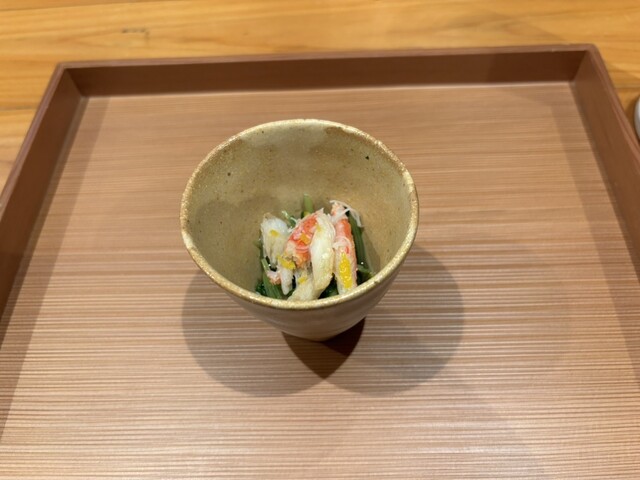
Hotels in Shizuoka
Browse all →
Wineries in Shizuoka
Browse all →
At a Glance
- Cozy
- Intimate
- Hidden Gem
- Date Night
- Group Dining
- Casual Hangout
- After Work
- Standalone
- Local Sourcing
Warm, compact basement space with an intimate, quietly lively atmosphere focused on carefully prepared Chinese dishes and Shaoxing wine rather than decor or views.