

Michelin Plate · Tabelog 100 #11
Our verdict
Operating from Kyobashi since 1954, SAKAKI is one of Tokyo's longest-running Western-cuisine institutions, now in its fourth generation with a French-trained chef at the helm. Lunch covers Western classics; dinner shifts to a prix fixe French format shaped by time spent in the south of France. A Michelin Plate holder in both 2024 and 2025, it sits at the accessible end of Tokyo's serious French dining tier.

Pearl is the En Primeur Club membership app, where members save venues, book tables and use the concierge.
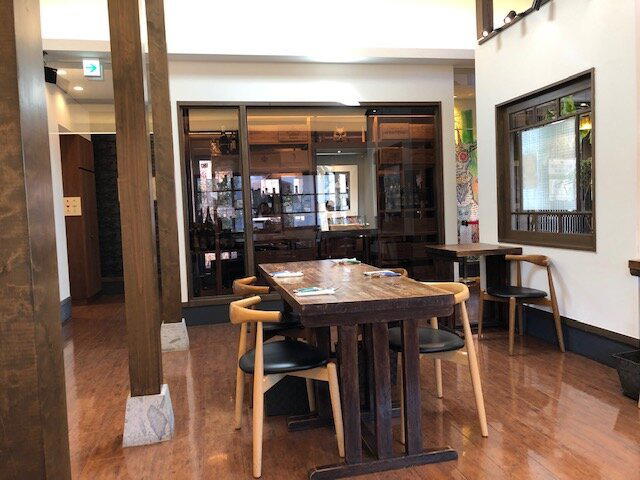
The menu
What to order
- Hamburg Steak
- Pork Ginger
- Sea Bream à la Niçoise
Seven Decades in Kyobashi: What French Cuisine Looks Like Over the Long Run
Tokyo's French dining scene tends to be narrated through its recent arrivals: the chefs who trained under marquee names, the kaiseki-influenced tasting menus, the sommeliers pouring Burgundy beside wagyu. That framing skips over something less fashionable but arguably more telling, the Western-cuisine establishments that have been running continuously since the mid-twentieth century, when French food in Japan was less a trend than a serious institutional commitment. It has now passed through four owner-chefs, each generation inheriting both the address and the obligation to make the food worth returning to.
The current format is a split that makes intuitive sense for a restaurant with roots in generalist Western cooking: lunch covers the broader Western repertoire, while evenings narrow to a prix fixe French menu. That division isn't a compromise, it reflects how many of Tokyo's longer-running French establishments manage the tension between accessibility and seriousness. At the dinner level, the format signals intent. Prix fixe French service, even at the ¥¥ price tier, implies a kitchen organised around a sequence rather than a short-order list, and front-of-house choreography that follows accordingly.
The South of France as Reference Point
Within Tokyo's French dining spectrum, the culinary register matters as much as the Michelin tier. The city's French restaurants cluster around a few distinct approaches: the haute cuisine refinement of places like Sézanne and Château Restaurant Joël Robuchon, the ingredient-led contemporary French of L'Effervescence and Florilège, and a smaller tier of classically-oriented houses working without the need for constant reinvention. SAKAKI's fourth-generation chef trained in France, and the menu reflects specifically southern French experience: seafood appetisers shaped by the Mediterranean coast, main courses built on technique-heavy traditions like roast lamb and beef cheek stewed in red wine. These are not dishes that need explanation or conceptual framing, they are dishes that live or die by execution.
That distinction matters when placing SAKAKI in the wider Tokyo French dining picture. Where ESqUISSE and similar contemporary French addresses operate through creative programs and tasting menus designed to surprise, the classical register that SAKAKI occupies asks something different of both kitchen and dining room. The measure of quality is faithfulness to a known standard, not departure from it. For a certain kind of diner, that is a more demanding test.
The Choreography of French Service at the ¥¥ Tier
The editorial angle on French service usually attaches itself to the higher price points, where sommelier programs run deep and the maître d' manages tables like a conductor. But the architecture of French service, the sequenced arrival of courses, the attentiveness that doesn't tip into intrusiveness, the management of pace, exists at every price level where the format is taken seriously. At a prix fixe restaurant operating at SAKAKI's price tier, the front-of-house has to maintain that structure without the resource buffer that larger or more expensive operations carry. That is a different kind of discipline: doing more with less, in a room where the formality of the format is expected but the margin for error is narrow.
Kyobashi is a business district rather than a destination dining neighbourhood, which shapes the service dynamic. The clientele here skews toward local professionals and repeat visitors rather than tourists working through a Tokyo. That kind of regulars-heavy room tends to produce a specific service rhythm: less performance, more precision. The front-of-house knows its audience, and the choreography adjusts accordingly.
Pricing and Competitive Position
The ¥¥ price designation places SAKAKI at the accessible end of Tokyo's serious French dining tier, well below the ¥¥¥¥ bracket occupied by L'Effervescence and the city's other multi-Michelin houses. That gap is significant. At the upper price tier, you are paying for ingredient provenance, deep wine programs, and extended kitchen teams. At SAKAKI's level, the value proposition shifts: Michelin Plate recognition in both 2024 and 2025 indicates a kitchen that meets Michelin's baseline for quality, but the price point removes the layer of luxury-service theatrics. What remains is cooking and format discipline.
For context, the Michelin Plate is awarded to restaurants that Michelin inspectors identify as serving good food, distinct from Bib Gourmand (which signals value) and the star tiers (which signal exceptional cooking). Two consecutive Plate appearances confirm consistent quality at the level inspectors track, without implying ambitions toward the star program. That positioning suits a restaurant whose identity is built on continuity and tradition rather than competition within the upper echelon.
| Venue | Cuisine | Price Tier | Michelin Recognition |
|---|---|---|---|
| SAKAKI | French (classical) | ¥¥ | Plate 2024, 2025 |
| L'Effervescence | French | ¥¥¥¥ | |
| ESqUISSE | French | ¥¥¥¥ | |
| Florilège | French | ¥¥¥¥ |
Planning Your Visit
SAKAKI operates from Kyobashi 2-chome in Chuo City, a few minutes from Kyobashi Station on the Tokyo Metro Ginza Line. The dinner format is prix fixe French; lunch covers the broader Western menu. For booking, hours, and current pricing, contact the restaurant directly or check for updated listings. Those exploring the broader French dining tier in Tokyo can consult our full Tokyo restaurants guide. For accommodation options nearby, see our full Tokyo hotels guide, and for after-dinner drinking, our full Tokyo bars guide.
Travellers building a broader Japan itinerary around serious dining might also consider HAJIME in Osaka, Gion Sasaki in Kyoto, akordu in Nara, Goh in Fukuoka, 1000 in Yokohama, or 6 in Okinawa. For international benchmarks in classical French, Hotel de Ville Crissier in Crissier and Les Amis in Singapore represent two very different expressions of the tradition. Further Tokyo listings across dining, drinking, and travel are available through our Tokyo wineries guide and our Tokyo experiences guide.
Frequently asked questions
What's the signature dish at SAKAKI?
SAKAKI does not publish a single named signature dish, but the dinner menu's anchor courses reflect the fourth-generation chef's training in the south of France: seafood appetisers shaped by the Mediterranean coast, and main courses built on classical French technique, roast lamb and beef cheek stewed in red wine are among the dishes the restaurant is associated with. The current chef-owner trained in France before returning to Tokyo to take over the family restaurant. The kitchen has held a Michelin Plate in both 2024 and 2025, confirming consistent quality at a price point that sits well below the city's starred French tier.
Awards and Standing
A quick peer list to put this venue’s basics in context.
| Venue | Cuisine | Price | Awards | Notes |
|---|---|---|---|---|
| SAKAKIThis venue (the venue you are viewing) | Classical French with Japanese Sensibility | $150–200 | Michelin Plate · Tabelog 100 #11 | Not listed |
| Harutaka | Edo-Style Omakase Sushi | $200–300 | 3 Michelin Stars · World's 50 Best #76 | Sushi |
| RyuGin | Modern Kaiseki | $500+ | 3 Michelin Stars · World's 50 Best #41 | Kaiseki, Japanese |
| L'Effervescence | Modern French with Japanese Influences | $200–300 | 3 Michelin Stars · World's 50 Best #69 | French |
| HOMMAGE | Modern French with Japanese Influences | $150–200 | 2 Michelin Stars · World's 50 Best #78 | Innovtive French, French |
| MAZ | Innovative Peruvian-Japanese Fusion | $150–200 | 2 Michelin Stars · World's 50 Best #28 | Innovative |
Recognition history
Dated appearances from independent guides and award organizations, with the underlying list record or original source where available.
Michelin Plate
Michelin
Tabelog 100 #11 · No. 11
Tabelog · Tabelog 100 - French - TOKYO - 2025
Full recognition history (4 entries)
Michelin Plate
Michelin
Michelin Plate
Michelin
Continue exploring
More in Tokyo
Restaurants in Tokyo
All restaurants in Tokyo →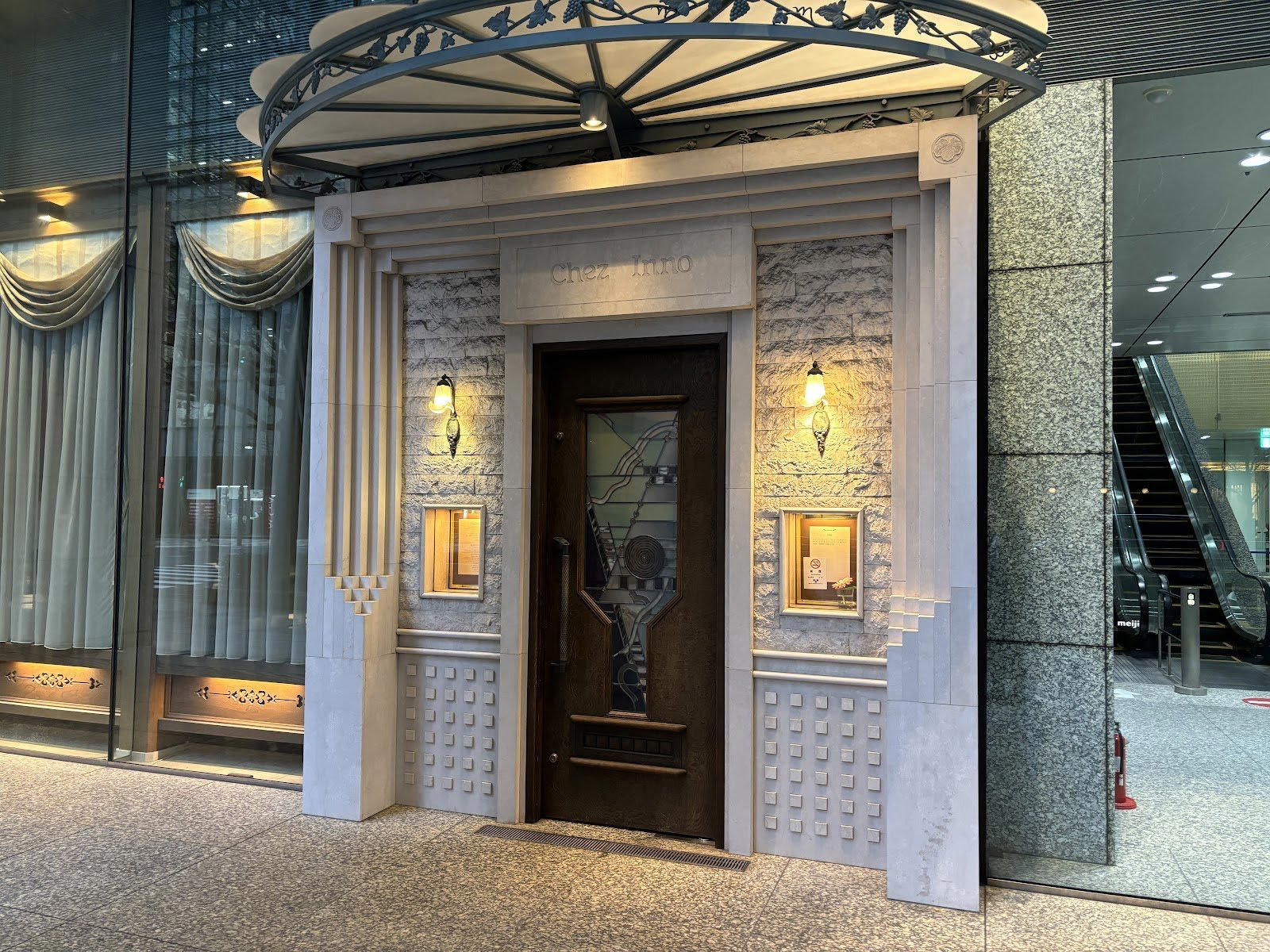
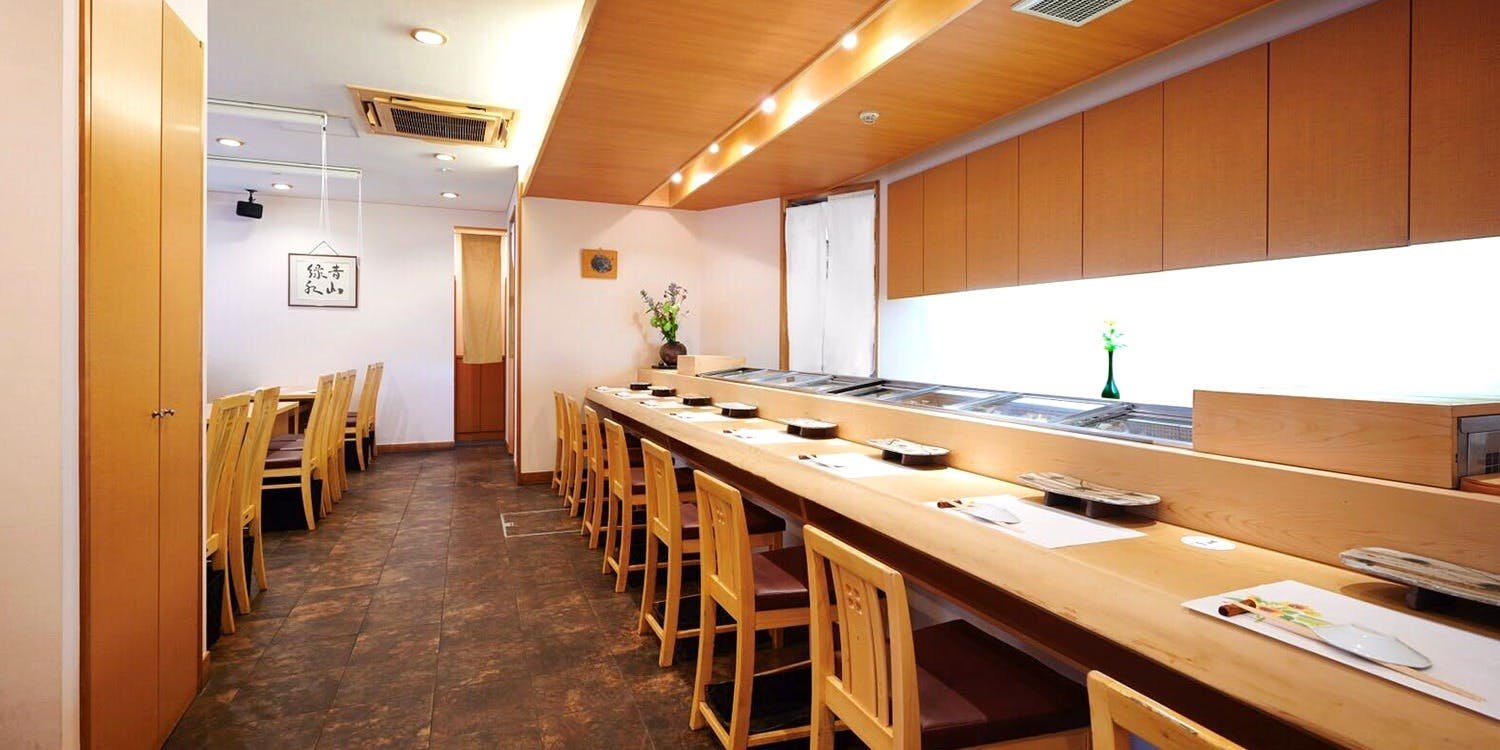
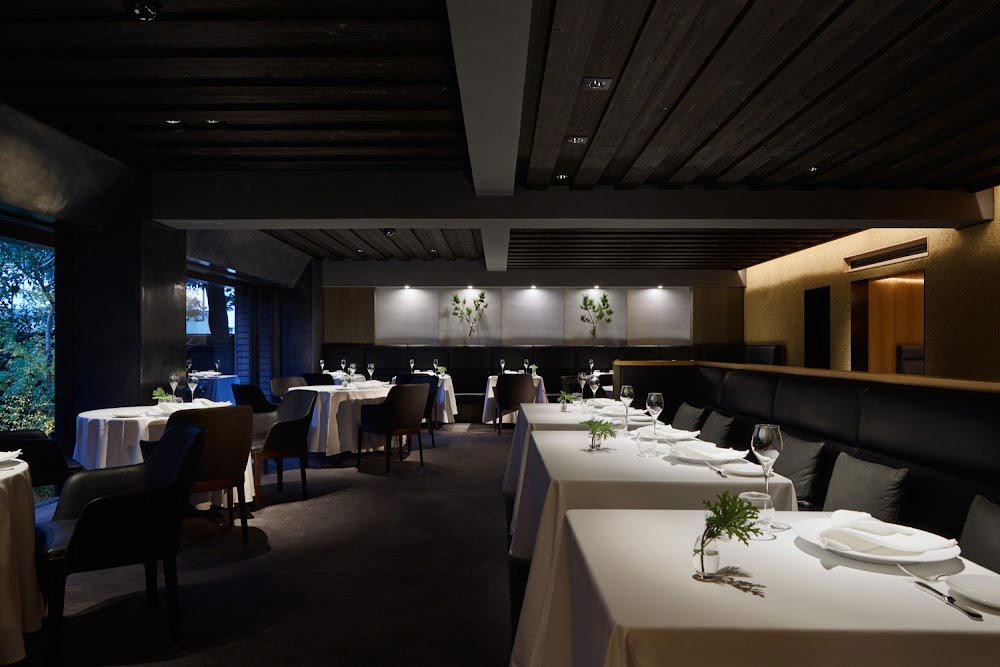



Details
- Elegant
- Sophisticated
- Intimate
- Classic
- Date Night
- Business Dinner
- Special Occasion
- Chefs Counter
- Extensive Wine List
- Sake Program
- Sommelier Led
- Prix Fixe
- Tasting Menu
- Wine
- Sake
- Allergy Accommodating
Current opening hours
- Monday
- 11:30 AM–1:20 PM, 6–8 PM
- Tuesday
- 11:30 AM–1:20 PM, 6–8 PM
- Wednesday
- 11:30 AM–1:20 PM, 6–8 PM
- Thursday
- 11:30 AM–1:20 PM, 6–8 PM
- Friday
- 11:30 AM–1:20 PM, 6–8 PM
- Saturday
- 11:30 AM–1:20 PM, 6–8 PM
- Sunday
- Closed
Hours can change for holidays and private events. Last verified .
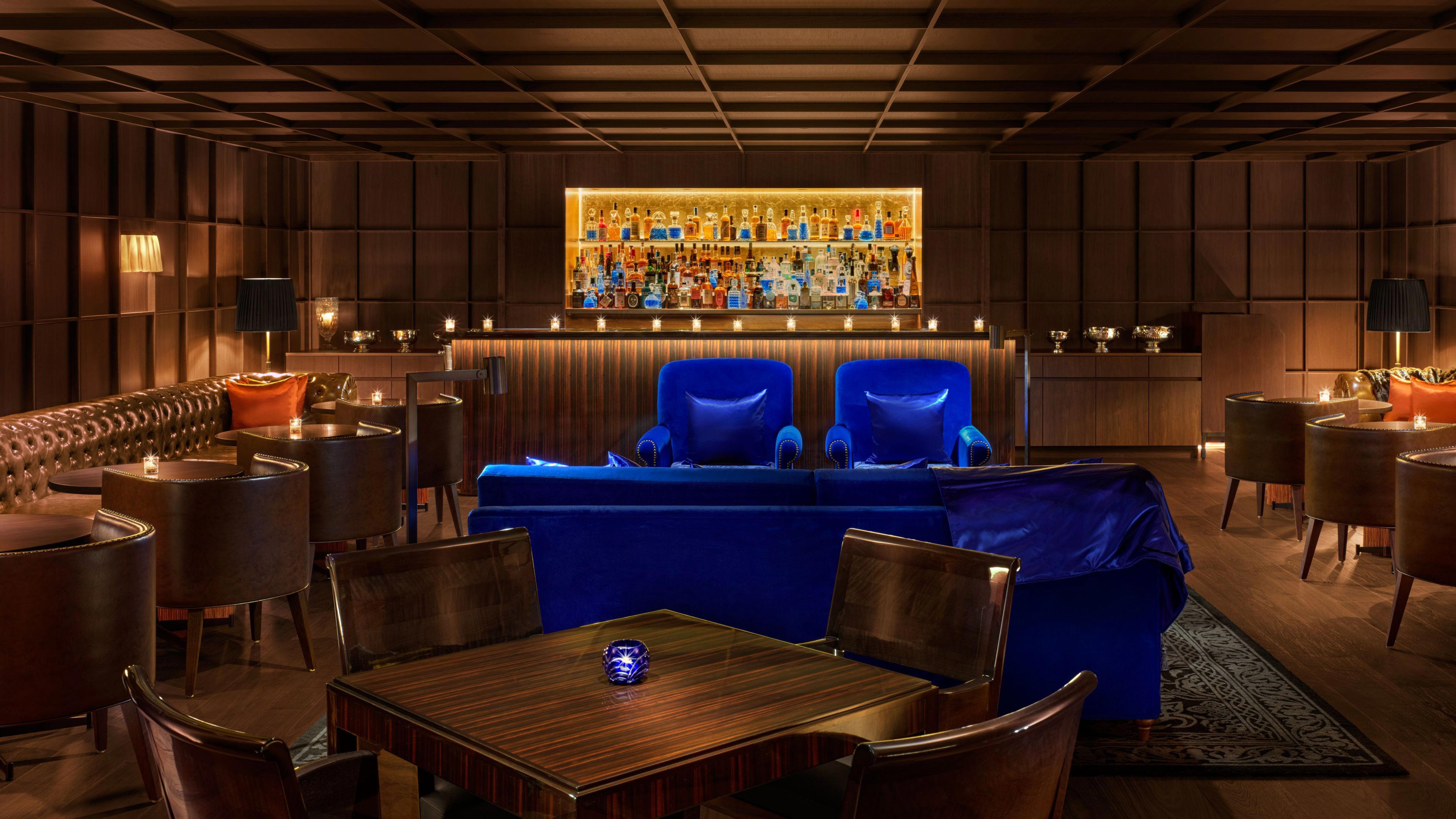
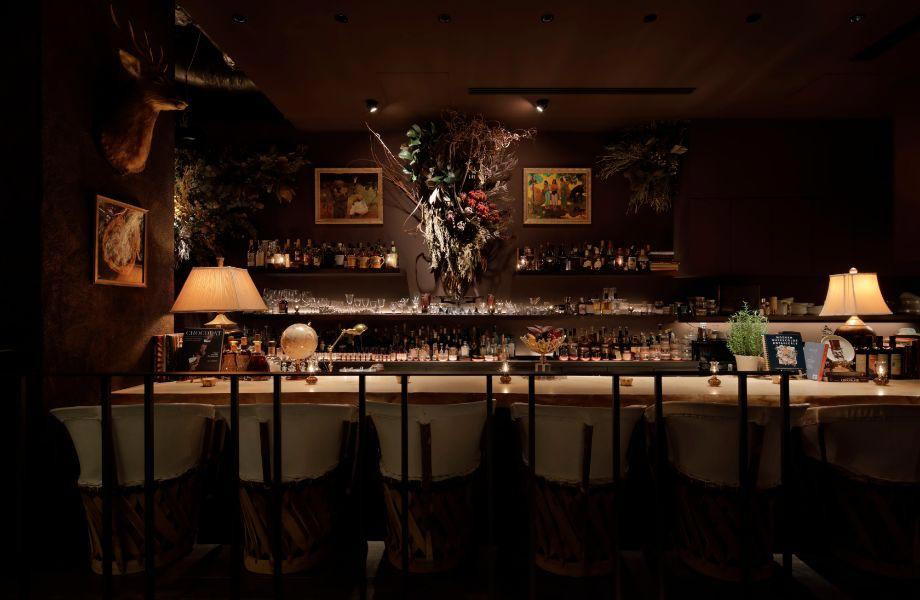
Elegant, softly lit room with mid-century bones and modern restraint, creating a calm, urbane, and refined atmosphere.