

Tabelog 100 #78
Our verdict
Chuogo Honten Mita serves Tokyo ramen in Minato City, with a casual, conversational room suited to lunch or dinner and a 2026 Opinionated About Dining ranking at No. 90.

Pearl is the En Primeur Club membership app, where members save venues, book tables and use the concierge.
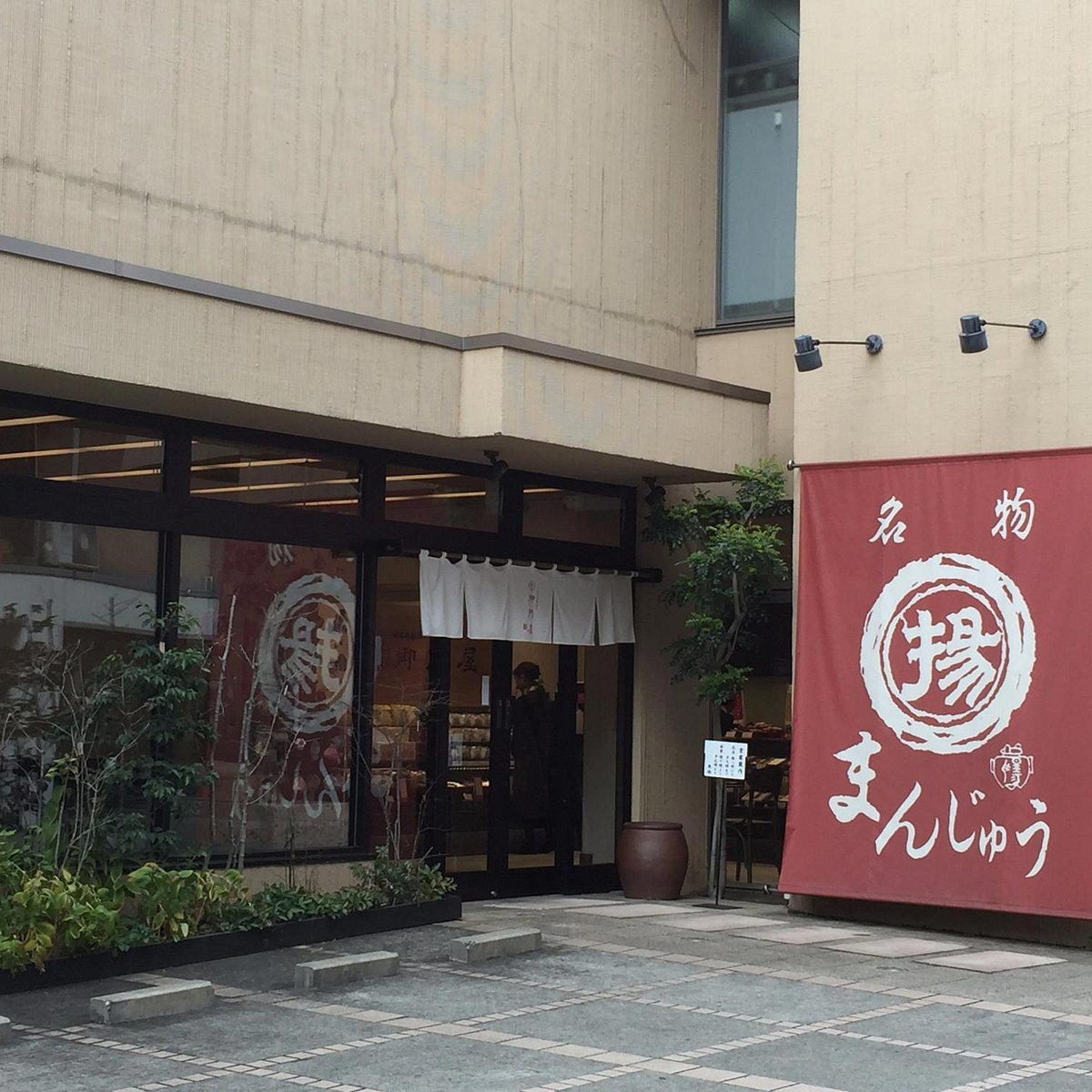
Mita's Quiet Corner of Ethical Eating
The Shiba district of Minato sits at a remove from the tasting-menu theatre of Ginza and the concentrated fine-dining density of Roppongi. Streets here are calmer, the signage less aggressive, and the buildings carry a working-city utility that the glossier neighbourhoods have largely shed. It is in this kind of setting that Tokyo's more considered restaurants often take root: places where the story told on the plate matters more than the room's ability to photograph well. Chuogo Honten Mita, addressed on the first floor of the Ichigo Mita Building in Shiba 5-chome, belongs to that less-heralded tier of the city's dining map.
Tokyo's premium restaurant scene has, over the past decade, bifurcated sharply. On one side sit the internationally legible names, the Michelin-starred counters in Ginza covered by Harutaka, the French-trained kitchens such as L'Effervescence and Sézanne, the kaiseki institutions like RyuGin. On the other sits a quieter cohort, operating in neighbourhoods that attract residents and regulars rather than tourists and food media, building their reputations through repeat custom rather than award cycles. Chuogo Honten Mita positions itself within that second current.
Sustainability as Operational Logic, Not Marketing
Japan's food culture has long practised what Western restaurants now brand as sustainability: the shokunin tradition of using every part of an ingredient, the seasonal discipline enforced by market availability, the kitchen economy that treats waste as a failure of craft rather than an afterthought. Across Japan, restaurants from HAJIME in Osaka to Gion Sasaki in Kyoto operate within this inherited framework without needing to announce it. The ethical sourcing conversation in these kitchens tends to happen upstream, in the relationships with producers and markets, rather than on the menu's cover page.
In Tokyo, this manifests differently by neighbourhood. A Ginza kitchen sources through the prestige channels that validate its price tier. A Shiba restaurant, operating for a more local clientele, is more likely to build those sourcing relationships over years rather than seasons, prioritising consistency with specific farmers or fishermen over the prestige of headline ingredients. The result, at its finest, is a more traceable supply chain: fewer intermediaries, more direct accountability, and a menu shaped by what the producer has rather than what the kitchen wants to serve. That kind of sourcing discipline, less visible than a carbon-offset statement on the bill, sits at the more durable end of what ethical eating actually requires. Venues like akordu in Nara and Goh in Fukuoka have demonstrated that regional rootedness and ingredient traceability often travel together, and Chuogo Honten Mita's Minato address places it in similar territory.
The Minato Setting and What It Signals
Minato-ku is one of Tokyo's more internally varied wards. It contains the expense-account density of Roppongi and the tourist volume of Tokyo Tower, but it also holds residential pockets in Shiba and Mita where the dining offer is quieter and more locally calibrated. The Mita neighbourhood in particular has a history of serving the academic and professional communities associated with Keio University nearby, which tends to produce a restaurant culture that values reliability and depth over novelty. A restaurant with a long-standing address in this part of the city, operating under a name that suggests a main-branch identity, honten translates roughly as head store or main establishment, is usually trading on accumulated trust rather than recent buzz.
That distinction matters when reading Tokyo's dining scene from the outside. The venues that attract international attention are rarely representative of where Tokyo residents actually eat with regularity. Crony and the innovation-forward French kitchens pull coverage precisely because they are legible to an international critical framework. A restaurant in Mita named Chuogo Honten is legible to a different audience: one that reads longevity and neighbourhood anchoring as trust signals, not the absence of ambition.
This pattern repeats across Japan. Abon in Ashiya, affetto akita in Akita, Aji Arai in Oita, Ajidocoro in Yubari District, Akakichi in Imabari, aki nagao in Sapporo: these are restaurants whose reputations are built for the communities they serve, not for the guidebook editors who may or may not find them. The ethical logic extends here too: a restaurant accountable to its regulars is a restaurant that cannot afford to cut corners on sourcing or consistency.
Without published pricing, Michelin recognition, or a declared cuisine type in the available record, placing Chuogo Honten Mita in a precise competitive tier requires care. The honten designation, combined with the Mita address, suggests an operation with roots rather than one recently opened. Japanese restaurants that carry this kind of naming convention typically operate in a mid-to-upper price tier for their neighbourhood, with a menu structured around a core cuisine identity rather than a fusion proposition. Whether that reads as a Michelin Bib Gourmand contender or something closer to the ¥¥¥¥ tier occupied by Harutaka or RyuGin cannot be confirmed without current pricing data. What can be said is that the address and naming pattern position this as a serious, rooted establishment rather than a casual satellite.
For international comparison, the operating model has some parallel with restaurants like Le Bernardin in New York City or Lazy Bear in San Francisco in one specific sense: these are kitchens that built credibility through a defined culinary identity sustained over time, rather than through constant reinvention for media cycles. The sustainability of that model, financially and culinarily, tends to outperform the trend-driven alternative when measured across a decade rather than a season. For our full editorial assessment of where Tokyo's dining scene sits in 2024 and beyond, see our full Tokyo restaurants guide.
Know Before You Go
- Address: Ichigo Mita Building, 1F, Shiba 5-chome 13-18, Minato-ku, Tokyo 108-0014
- Neighbourhood: Mita / Shiba, Minato-ku, accessible from Mita Station (Toei Mita and Asakusa lines) or Tamachi Station (JR Yamanote and Keihin-Tohoku lines)
- Booking:
Recognition, Side-by-Side
Comparable venues nearby, for context on price, style, and recognition.
| Venue | Cuisine | Price | Awards | Notes |
|---|---|---|---|---|
| Chuogo Honten MitaThis venue (the venue you are viewing) | Tokyo Ramen | $20–30 | Tabelog 100 #78 | Not listed |
| Sumiyaki Unafuji Yuurakuchou ten | Traditional Nagoya-style unagi and hitsumabushi | $30–50 | Tabelog 100 #87 | Chiyoda |
| Ginza Birdland | Michelin-Starred Yakitori | $50–100 | Michelin Plate · Tabelog 100 #45 | Chūō |
| 荒木町たつや | Seasonal Kaiseki | $150–200 | Michelin Plate | Shinjuku |
| Na Camo guro | Duck-focused Japanese bistro & sukiyaki | $50–100 | Tabelog 100 #36 | Meguro |
| Matsuki Ya | Traditional Sukiyaki with Kuroge Wagyu | $50–100 | Tabelog 100 #10 | Shibuya |
Recognition history
Dated appearances from independent guides and award organizations, with the underlying list record or original source where available.
Opinionated About Dining Casual in Japan Ranked #90
Opinionated About Dining
Tabelog 100 #78 · No. 78
Tabelog · Tabelog 100 - Chinese cuisine - TOKYO - 2026
Full recognition history (4 entries)
Opinionated About Dining Casual in Japan Ranked #74
Opinionated About Dining
Opinionated About Dining Casual in Japan Ranked #62
Opinionated About Dining
Continue exploring
More in Tokyo
Restaurants in Tokyo
All restaurants in Tokyo →


Bars in Tokyo
All bars in Tokyo →




Details
- Classic
- Casual Hangout
- After Work
- Standalone
- A La Carte
Current opening hours
- Monday
- 11:30 AM–10 PM
- Tuesday
- 11:30 AM–10 PM
- Wednesday
- 11:30 AM–10 PM
- Thursday
- 11:30 AM–10 PM
- Friday
- 11:30 AM–10 PM
- Saturday
- 11:30 AM–10 PM
- Sunday
- 11:30 AM–10 PM
Hours can change for holidays and private events. Hours as of .
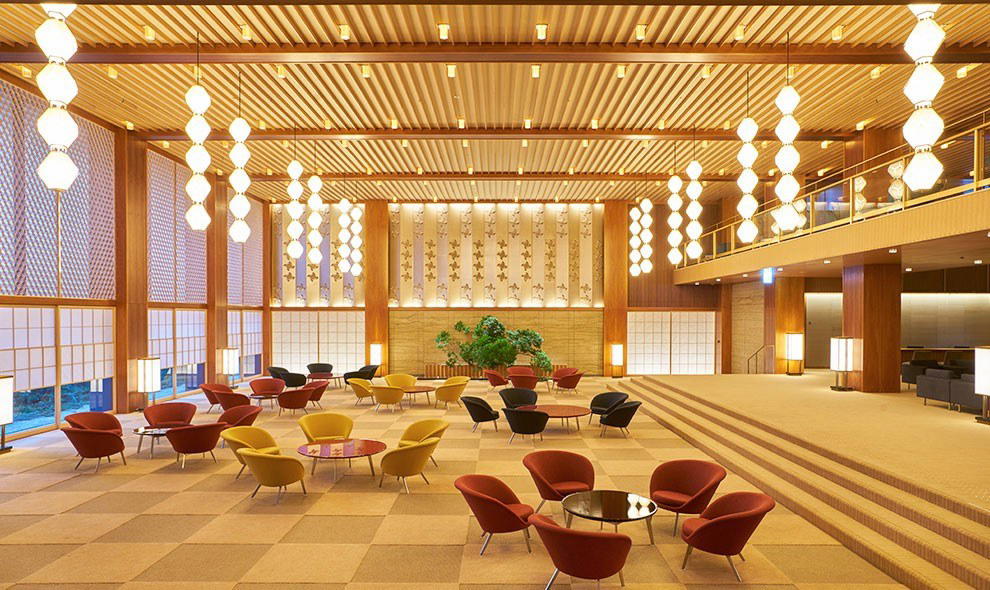
Casual atmosphere in a ground-floor office block location drawing local workers and ramen enthusiasts.