
Matsuki Ya places Shibuya’s sukiyaki tradition in a room built for several kinds of Tokyo dining: tatami seating, tables, bar-area round tables, and counter seats. Its selection for Tabelog 100 Hot Pot 2024 and JPY 8,000–9,999 dinner range put it in a serious but accessible bracket for sweet-soy hot pot near Shinsen.
Pearl is the En Primeur Club membership app — saves, bookings, and concierge access live there. Same editors, same standards.
- Address
- Japan, 〒150-0044 Tokyo, Shibuya, Maruyamacho, 6−8 松木家ビル
- Phone
- +81 3-3461-2651
- Website
- matsukiya-shibuya.com
 Saves & bookings on Pearl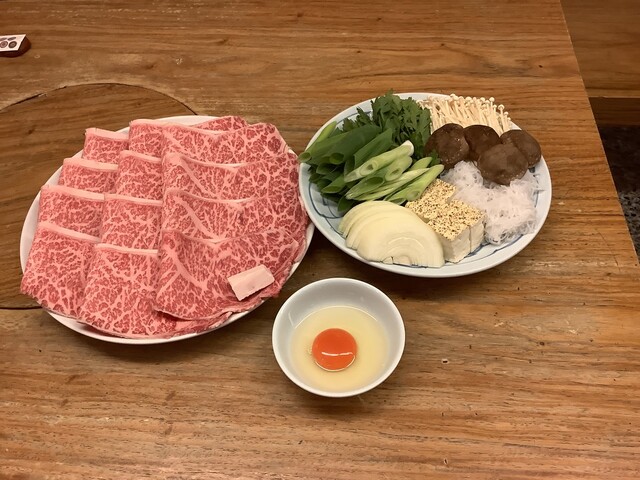
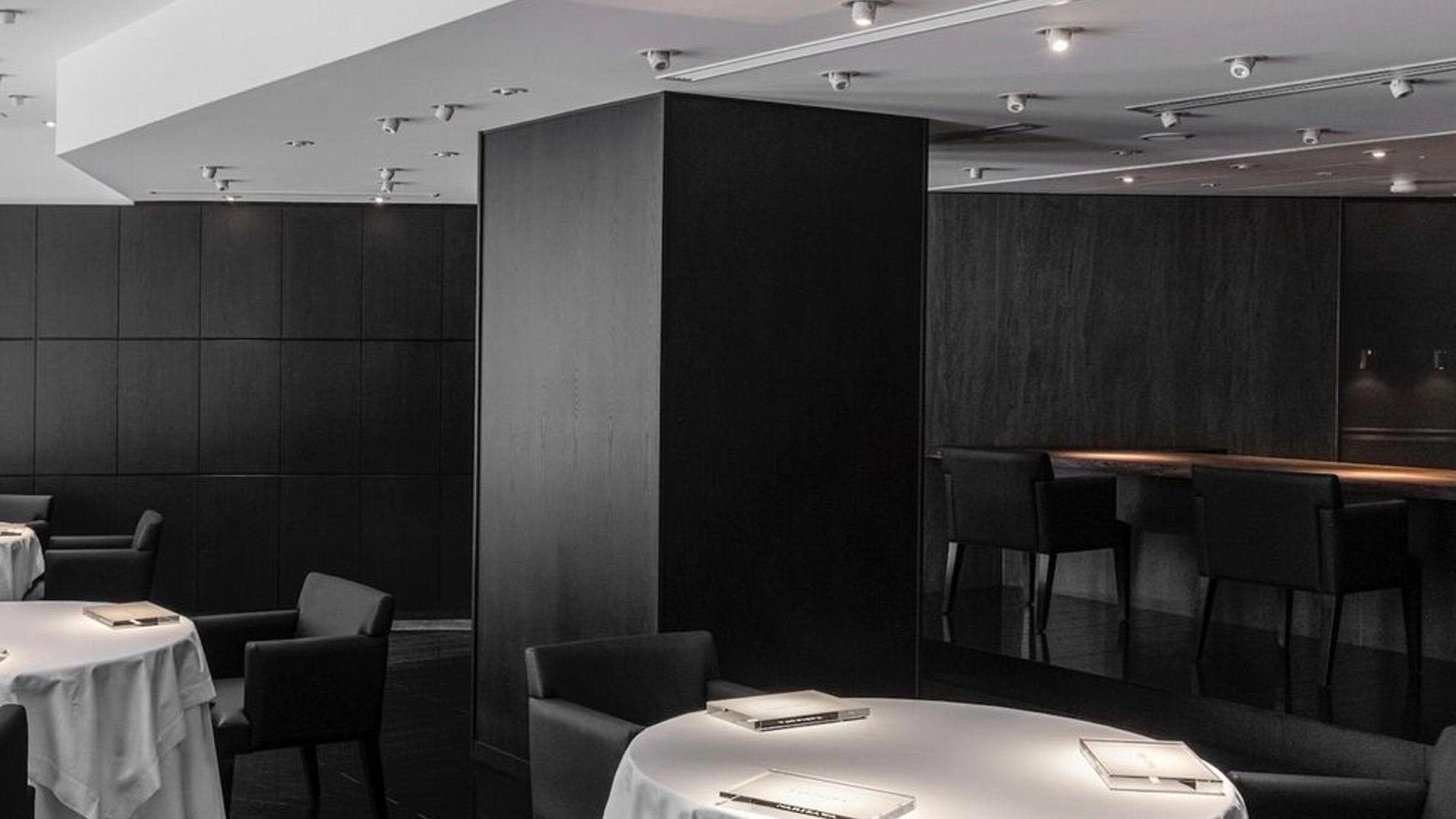
After Shibuya’s station crush, Maruyamacho quickly shifts into love hotels, small bars, old dining rooms, and the quieter slope toward Shinsen. Inside Matsuki Ya, the room feels less like a single-format hot pot counter than a compact map of Tokyo social dining: tatami seating, tables, round marble bar-area tables, and counter seats under one roof. That matters for sukiyaki, a cuisine built not on silence or chef-facing theatre but shared heat, sweet soy, controlled richness, and negotiated pacing.
Tokyo’s premium dining conversation often privileges omakase precision and imported tasting-menu grammar, but sukiyaki and shabu-shabu come from another tradition: domestic ingredients, communal cooking, and seasoning systems that reward balance over novelty. The global technique angle is quiet. Hot pot has long absorbed outside expectations around comfort, service, and room design, while the Japanese core stays in the handling of broth, tare, beef, vegetables, fish where offered, and cooking sequence. Matsuki Ya’s listing across sukiyaki, dining bar, and Japanese cuisine captures that hybrid Tokyo register: recognisable washoku structure in a room flexible enough for after-work drinking, family use, and small-group dinners.
Shibuya hot pot without the counter-only script
The distinction here is format. Around Shibuya, dinner often splits between high-turnover izakaya rooms, polished tourist-facing Japanese restaurants, and compact specialist counters. Hot pot sits in the middle: sociable, technique-led, and rarely as visually austere as sushi or kappo. A 44-seat room is substantial for central Tokyo, and the layout, 16 tatami-room seats, 14 table seats, 12 round-table seats in the bar area, plus counter seating, signals a restaurant built for different meals rather than one fixed ceremony.
The Tabelog 100 Hot Pot 2024 selection is the cleanest public trust signal. Tabelog’s Hyakumeiten lists tend to reward category consistency rather than Michelin-style international trophy logic, making the recognition useful for readers judging local credibility. A Tabelog score of 3.55 also matters in Japanese review culture, where decimals carry weight, especially in mature categories with many long-running specialists. Editorially, the award says this is not just a nostalgic Shibuya address; it belongs in the city’s current hot pot conversation.
Sukiyaki appeals partly because it resists over-modernisation. The form moved through changing Japanese ideas of meat eating, from Meiji-era Western influence to postwar restaurant culture, but its grammar remains direct: heat, soy-based sweetness, fat, egg, vegetables, and timing. In Tokyo, that ranges from hushed beef temples to looser rooms where drinks matter as much as the pot. Matsuki Ya sits closer to the latter without losing specialist identity. Sake, shochu, wine, and cocktails fit the way contemporary Tokyo lets domestic formats coexist with global drinking habits.
Local product, imported expectations, and the Shinsen edge
The restaurant is best read through the friction between locality and international expectation. Visitors often arrive in Tokyo seeking hyper-specialisation: eight seats, fixed menu, no substitutions, total concentration. Hot pot requires different literacy. The skill is keeping the meal social while preserving rhythm. Ingredients are Japanese in reference point, cooking is table-centred, and the mix of tatami, tables, and bar seating shows an older format adapting to urban dining without becoming a museum piece.
That adaptability is also geographic. Shinsen has long been Shibuya’s less exposed dining pocket, close enough to the main station catchment but removed from the scramble-crossing caricature. Nearby comparisons show the spread: neo works in a lower JPY 5,000–5,999 bracket, while Kaikaya by the Sea, Gonpachi Shibuya, 開花屋, and Dame Jeanne reflect the neighbourhood’s seafood, large-format Japanese dining, izakaya energy, and wine-bar gravity. Against that set, the restaurant’s JPY 8,000–9,999 dinner range and hot pot recognition place it in a narrower lane: not Shibuya’s cheapest dinner, not a trophy tasting menu, but a category-led address with local endorsement.
The history gives the room weight without myth. The restaurant relocated to Shibuya in 1933 and was renovated in 1990. Those dates matter because Tokyo dining rooms often trade on either total newness or staged old-Tokyo nostalgia. Here, continuity is more useful than romance. A prewar Shibuya relocation anchors the address in a district repeatedly remade, while the later renovation explains the multi-zone dining room rather than a preserved time capsule.
For a broader Tokyo itinerary, use this as a corrective to counter fatigue. Pairing hot pot with yakitori, curry, seafood, and casual café formats gives a sharper city picture than prestige counters alone. Within EP Club’s Tokyo coverage, useful contrasts include 124. KAGURAZAKA (Yakitori) for skewered precision, 3 Chome no Curry Ya San for curry culture, . 鮪と炭火焼き うお炭 秋葉原店 for tuna and charcoal cooking, 12/10 Shinjuku ten for a Shinjuku comparison, and 2D Cafe for a lighter visual counterpoint. The wider city index remains the cleanest planning tool: Our full Tokyo restaurants guide, Our full Tokyo hotels guide, Our full Tokyo bars guide, Our full Tokyo wineries guide, and Our full Tokyo experiences guide.
Who should choose this style of dinner
Choose this for Tokyo technique without a rigid tasting-menu frame. The private room for 13 people and maximum seated party size of 30 suit groups, while non-smoking policy, children-welcome status, and take-out service broaden the use case beyond rarefied date-night dining. Credit cards, transport IC cards, major electronic money, and QR payments are accepted, helpful for visitors navigating Japan’s uneven payment culture.
The caution is category-based. Diners seeking a chef biography, named signature dishes, or a scripted omakase arc will find more information and theatre elsewhere. The value here is another Tokyo pleasure: a recognised hot pot room in Shibuya’s Shinsen orbit, where local ingredients, sweet-soy cooking, and flexible seating carry the meal. For a regional comparison outside Tokyo, -Grilled beef Sukiyaki- KAMAKURA TANUKIAN 鎌倉 たぬき庵 in Kamakura gives another sukiyaki reference point, while broader Japan and overseas Japanese-dining contrasts include.cafe in Osaka.know in Kumamoto, (Shoku) Vietnam in Kawasaki, [Curry Senmon Ten] Maruyama Kyoju. in Sapporo, [ki:] in Kyoto, Jōdo Saké Bar in Los Angeles, and Onigiri Time in Pasadena.
Style and Standing
Comparable venues at the same tier for side-by-side context.
| Venue | Cuisine | Price | Notes |
|---|---|---|---|
| Matsuki YaThis venue — the venue you are viewing | Traditional Sukiyaki with Kuroge Wagyu | $$$ | Not listed |
| Hakushū Teppanyaki | Kobe Beef Teppanyaki | $$$ | Shibuya |
| Onikuya Keisuke Sannanbo | Refined Yakiniku & Beef Tongue in Hiroo | $$$ | Shibuya |
| Unagi Mejiro Zorome | Edo-style Unagi (freshwater eel) | $$$ | Toshima |
| SATO BRIAN Osaka Umeda Ten | Premium Yakiniku | $$$ | Suginami |
| Isehiro Kyobashi honten | Historic Yakitori Specialist | $$$ | Chūō |
Recognition history
Dated appearances from independent guides and award organizations, with the underlying list record or original source where available.
Tabelog 100 #10 · No. 10
Tabelog · Tabelog 100 - Hot Pot - 2024













At a Glance
- Classic
- Cozy
- Intimate
- Elegant
- Date Night
- Business Dinner
- Group Dining
- Special Occasion
- Chefs Counter
- Historic Building
- Standalone
- Sake Program
- Local Sourcing
Current opening hours
- Monday
- 5:30–10 PM
- Tuesday
- 5:30–10 PM
- Wednesday
- 5:30–10 PM
- Thursday
- 5:30–10 PM
- Friday
- 5:30–10 PM
- Saturday
- 5:30–10 PM
- Sunday
- Closed
Hours can change for holidays and private events. Last verified .
A calm, nostalgic interior that blends Showa‑period warmth with contemporary touches, featuring tatami rooms, counter and table seating, creating a quietly elegant atmosphere suited to unhurried dinners and special evenings.