
Tabelog 100 #7
Our verdict
Cheval Banc sits in Kasugai, an Aichi city that rarely appears on international dining itineraries despite its proximity to Nagoya's serious restaurant culture. The venue's address in the Kashiwaicho district places it within a regional scene where ingredient provenance and precision carry more weight than metropolitan visibility. For travellers already tracing Japan's mid-Honshu dining corridor, it merits attention.

Pearl is the En Primeur Club membership app, where members save venues, book tables and use the concierge.
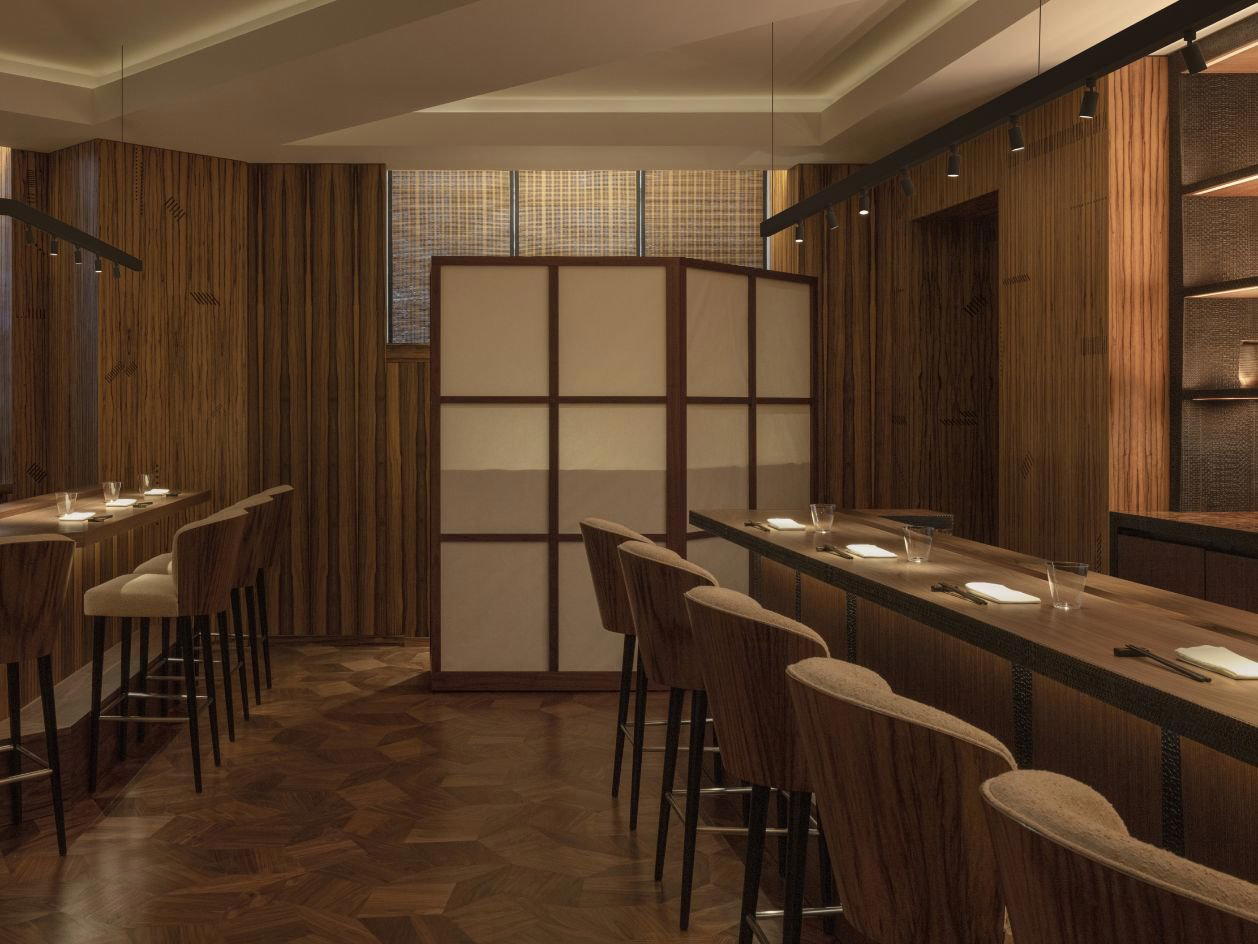
Kasugai and the Aichi Dining Tradition
Aichi Prefecture occupies a position in Japan's food geography that is frequently underestimated by visitors who route their itineraries through Tokyo, Kyoto, and Osaka. The region has its own culinary grammar, built around miso-based preparations, freshwater eel from the Kiso River basin, and agricultural output from the Nobi Plain, one of central Japan's most productive growing areas. Kasugai, immediately north of Nagoya, sits inside that agricultural and culinary orbit without the international visibility of its larger neighbour. Dining here operates on local terms, which tends to mean ingredient sourcing and seasonal alignment matter more than format theatrics or prestige-label recognition. Cheval Banc, addressed in the Kashiwaicho district, is part of that quieter register.
The broader context matters because Aichi's premium dining scene is genuinely distinct from what international travellers encounter in Japan's more-photographed cities. That is not a limitation; it is frequently where the more grounded cooking happens. For the kind of traveller who has already worked through the Kyoto kaiseki circuit, including Gion Sasaki in Kyoto, the case for extending into Aichi is precisely this: less performance, more agriculture.
What Ingredient Sourcing Means in Central Honshu
Central Japan's ingredient sourcing culture differs from that of the coasts partly because the terrain dictates it. Aichi produces mikawa mirin, hatcho miso aged for two or more years, and vegetables from the Chita Peninsula and Nobi Plain that rarely leave the prefecture in quantity. Restaurants in this region that take sourcing seriously tend to work through networks of local farmers and fishing cooperative relationships that do not surface in any press release. The result is cooking that reflects seasonal and geographic specificity rather than a constructed narrative about it. This distinction is easier to perceive when you compare it to the approach at internationally-oriented establishments: at venues like akordu in Nara or Goh in Fukuoka, there is a deliberate conversation with international technique. In Aichi's more local establishments, the frame of reference is the prefecture itself.
What is available is the location: Kashiwaicho, a residential-commercial district in Kasugai's inner grid. That address alone places it outside the tourist-facing restaurant zones that cluster around Nagoya Station and Sakae, which typically signals a local clientele, neighbourhood pricing, and the kind of operational rhythm that is not oriented toward reservation platforms or English-language coverage.
Kasugai's Position in the Regional Dining Circuit
Visitors travelling through the Chubu region have several natural reference points for calibrating what quality dining looks like across different city sizes. Amaki in Aichi operates within the same prefecture and offers a point of comparison for how serious kitchens present themselves outside Nagoya's central districts. Further afield, Abon in Ashiya and anchoa in Kanagawa illustrate how Japan's secondary cities and near-metro towns sustain their own precision dining cultures independent of Tokyo's gravitational pull. Japan's regional dining infrastructure is more developed than international media suggests, and Kasugai fits inside that pattern.
The absence of verified awards data for Cheval Banc does not itself indicate anything about quality. Japan has a significant number of serious small establishments that operate entirely outside the Michelin inspection circuit, either because they have not sought recognition or because they serve a format or neighbourhood that inspectors have not prioritised. The Michelin Nagoya guide covers a portion of Aichi's dining map, but Kasugai as a district has not received the same depth of coverage as central Nagoya. This means independent research, local recommendation networks, and Japanese-language review platforms carry more weight here than in the better-documented urban centres. Platforms cataloguing regional Japan, including our full Kasugai restaurants guide, provide a more reliable orientation than assuming international awards coverage is complete.
Framing the Visit
This is common for neighbourhood-scale establishments in Japanese cities outside the main tourist corridors: many do not maintain English-language websites, take reservations through Japanese phone lines or walk-in, and do not list hours on international platforms. Travellers who have successfully visited comparable off-grid establishments, such as affetto akita in Akita or Aji Arai in Oita, will recognise the pattern and know that a hotel concierge in Nagoya, a Japanese-speaking contact, or a specialist booking service provides the most reliable access.
Kasugai is connected to central Nagoya via the Chuo Main Line and several private rail lines, making the logistics direct for anyone already based in the city. The Kashiwaicho address is within the city's residential interior rather than a commercial hub, which means the approach by foot from the nearest station passes through ordinary neighbourhood fabric rather than retail or entertainment zones. That approach, which in other contexts might signal obscurity, is in Japan often the most reliable sign that a place is feeding local people rather than performing for visitors. For international comparison, the equivalent shift in register would be the difference between dining at Le Bernardin in New York City and finding a precise neighbourhood table in Astoria or Carroll Gardens. The frame shifts entirely.
Travellers who want to build a fuller picture of Japan's regional dining at this level of detail might also consider the itineraries surrounding Ajidocoro in Yubari District, Akakichi in Imabari, aki nagao in Sapporo, Amegen in Saga, and Arakawa in Hyogo. Each occupies a different node of Japan's regional dining network, and collectively they illustrate how much serious cooking happens at a remove from the internationally indexed restaurant hubs. The comparison to destination-driven formats, such as the community-table model at Lazy Bear in San Francisco, is less about cuisine type than about the shared logic of building a kitchen for a specific place and its people rather than for a travelling audience.
Frequently asked questions
Is Cheval Banc good for families?
Cheval Banc is located in Kashiwaicho, a residential district of Kasugai, which tends to favour neighbourhood dining rather than high-volume tourist trade. The Kasugai context suggests a considered local dining atmosphere rather than a child-oriented casual setting.
What's the overall feel of Cheval Banc?
Cheval Banc sits in Kasugai, an Aichi city that draws on a regional food culture built around locally produced ingredients including mikawa mirin. The address in Kashiwaicho positions it as a neighbourhood-rooted venue rather than a city-centre showpiece. Aichi's dining tradition rewards specificity over spectacle, and restaurants in this corridor tend to reflect that restraint.
How does Cheval Banc fit into the broader Chubu regional dining circuit?
Kasugai sits within the Chubu corridor that connects Nagoya's dense restaurant scene with smaller Aichi cities where neighbourhood venues often operate with a tight local focus. Cheval Banc's Kashiwaicho address places it away from Nagoya's central dining clusters, which typically means a clientele drawn from the surrounding community rather than passing visitors. Travellers calibrating a Chubu itinerary can use Nagoya as a reference point before extending into Kasugai's quieter dining register.
What's the best thing to order at Cheval Banc?
Aichi's culinary identity is anchored in ingredients like hatcho miso and mikawa mirin, which shape the flavour profiles common across the region's serious kitchens. Reaching out to Cheval Banc directly, or consulting local Kasugai dining guides, will give the most accurate picture of what the kitchen is currently running.
What's the address for Cheval Banc?
Cheval Banc is located at Japan, 〒486-0927 Aichi, Kasugai, Kashiwaicho, 1 Chome−75 1B, Kasugai.
A Quick Peer Check
| Venue | Cuisine | Price | Awards | Notes |
|---|---|---|---|---|
| Cheval BancThis venue (the venue you are viewing) | Michelin-Starred French Fine Dining | $200–300 | Tabelog 100 #7 | Not listed |
| HAJIME | Avant-Garde Japanese Fine Dining | $300–500 | 3 Michelin Stars · World's 50 Best #83 | French, Innovative |
| Harutaka | Edo-Style Omakase Sushi | $200–300 | 3 Michelin Stars · World's 50 Best #76 | Sushi |
| L'Effervescence | Modern French with Japanese Influences | $200–300 | 3 Michelin Stars · World's 50 Best #69 | French |
| RyuGin | Modern Kaiseki | $500+ | 3 Michelin Stars · World's 50 Best #41 | Kaiseki, Japanese |
| Crony | Modern French with Japanese Influences | $150–200 | 2 Michelin Stars · World's 50 Best #34 | Innovative, French |
Recognition history
Dated appearances from independent guides and award organizations, with the underlying list record or original source where available.
Tabelog 100 #7 · No. 7
Tabelog · Tabelog 100 - French - EAST - 2025
Continue exploring
More in Kasugai
Restaurants in Kasugai
All restaurants in Kasugai →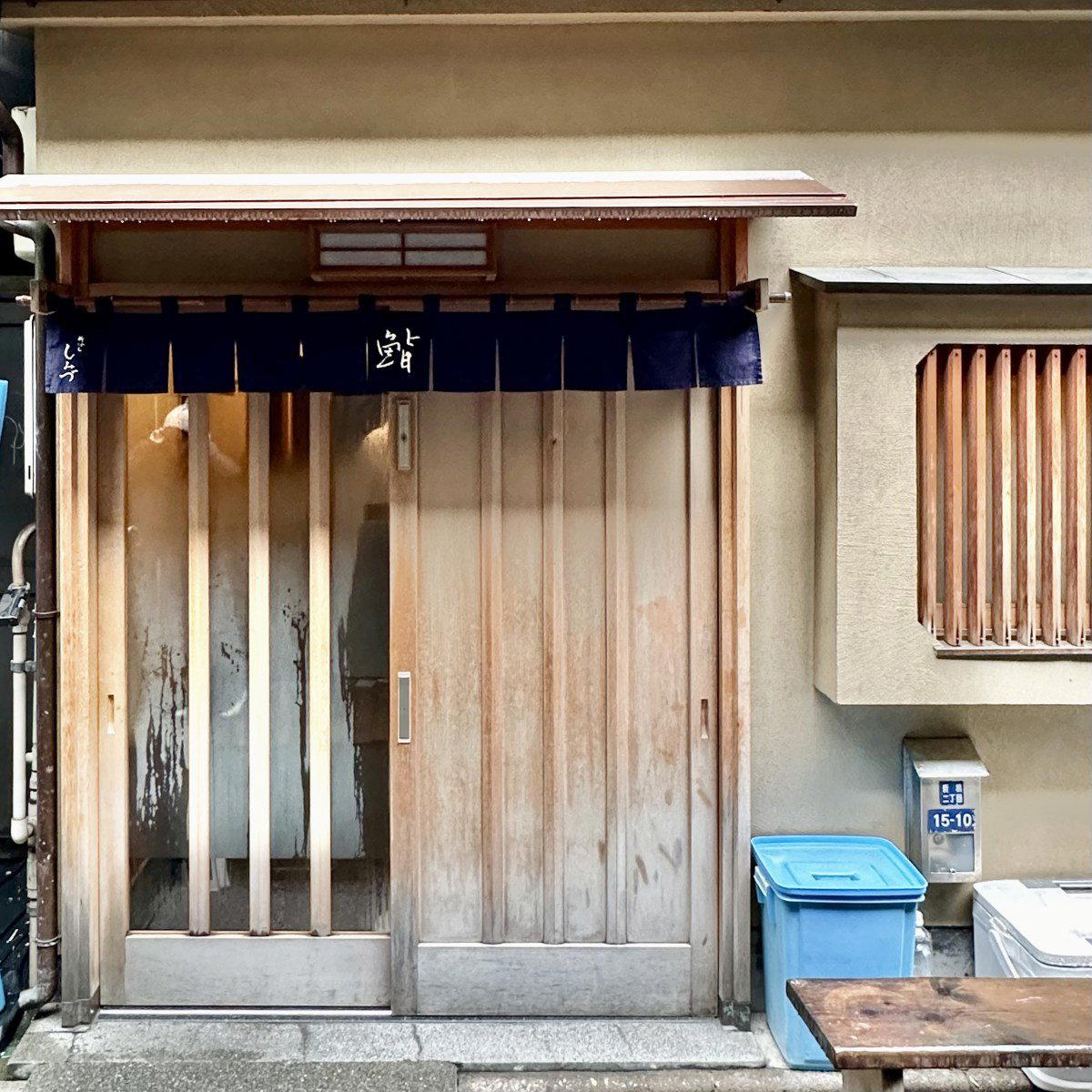


Details
- Elegant
- Sophisticated
- Intimate
- Date Night
- Special Occasion
- Business Dinner
- Standalone
- Sake Program
- Prix Fixe
Current opening hours
- Monday
- 12–1 PM, 6–8:30 PM
- Tuesday
- 12–1 PM, 6–8:30 PM
- Wednesday
- Closed
- Thursday
- 12–1 PM, 6–8:30 PM
- Friday
- 12–1 PM, 6–8:30 PM
- Saturday
- 12–1 PM, 6–8:30 PM
- Sunday
- 12–1 PM, 6–8:30 PM
Hours can change for holidays and private events. Hours as of .
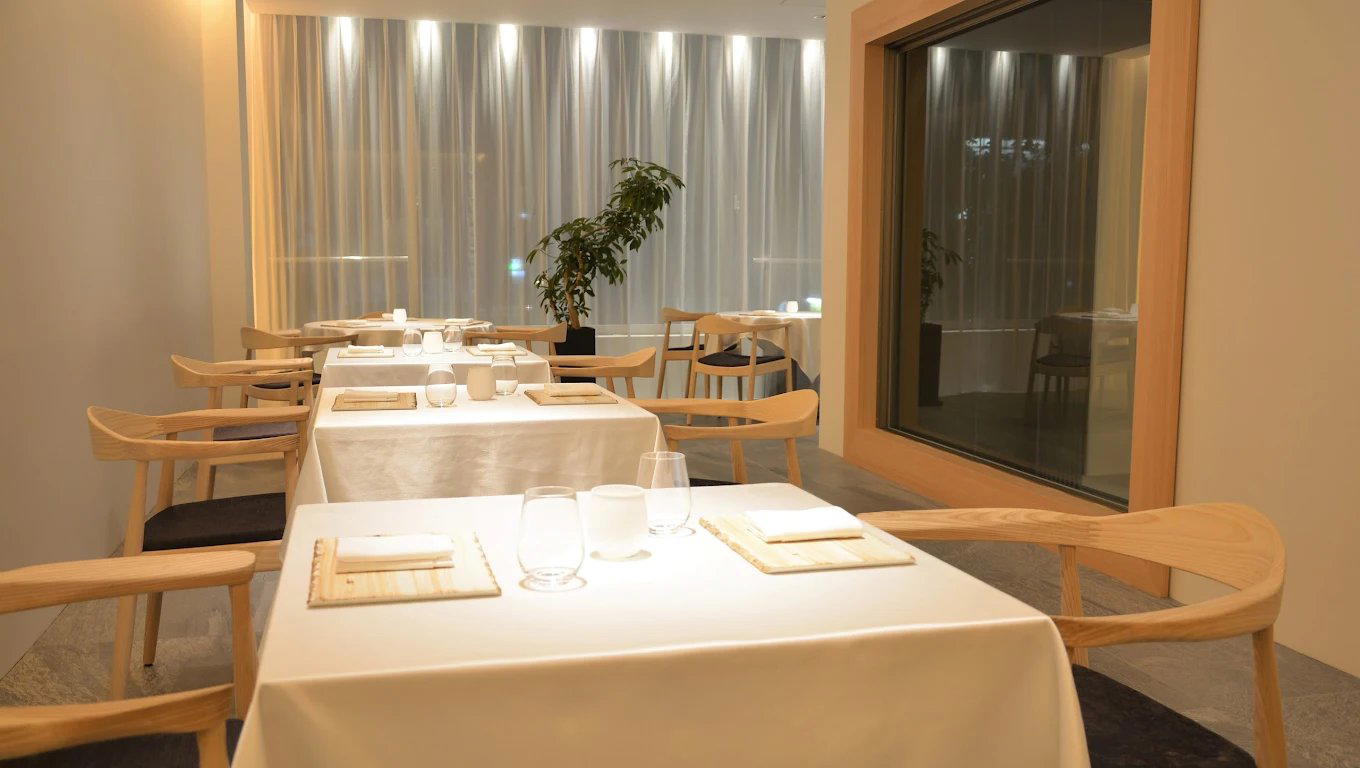
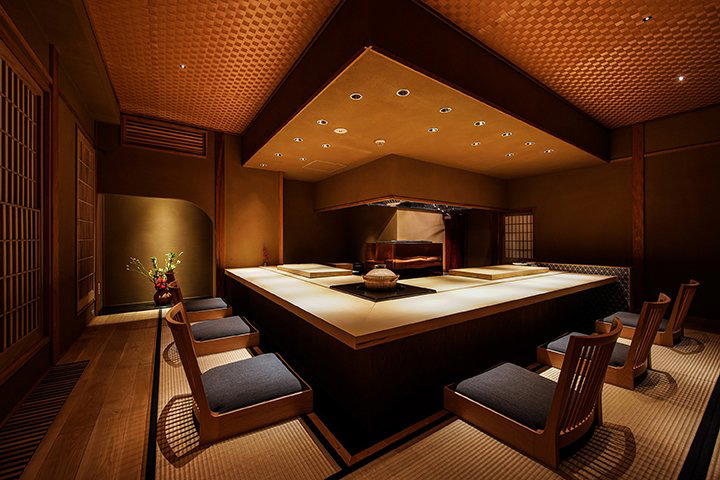
Elegant and intimate fine dining atmosphere suitable for special occasions.