
Ramen Kobou Arigataya is a compact Kasugai counter where local ramen culture is treated with discipline rather than spectacle. Its 2025 Tabelog 100 Ramen AICHI selection, eight-seat format, and menu spanning ramen, Taiwanese mixed noodles, and dumplings place it in the serious everyday tier of Aichi noodle shops.
Pearl is the En Primeur Club membership app — saves, bookings, and concierge access live there. Same editors, same standards.
- Address
- 愛知県春日井市小野町4-123
- Phone
- +81568845321
- Website
- arigataya-kasugai.jimdo.com
 Saves & bookings on Pearl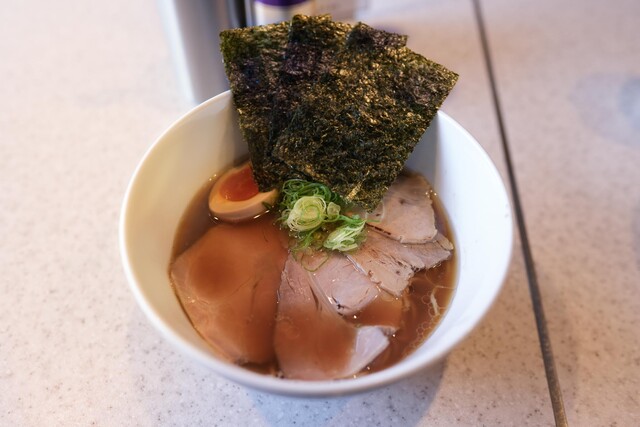
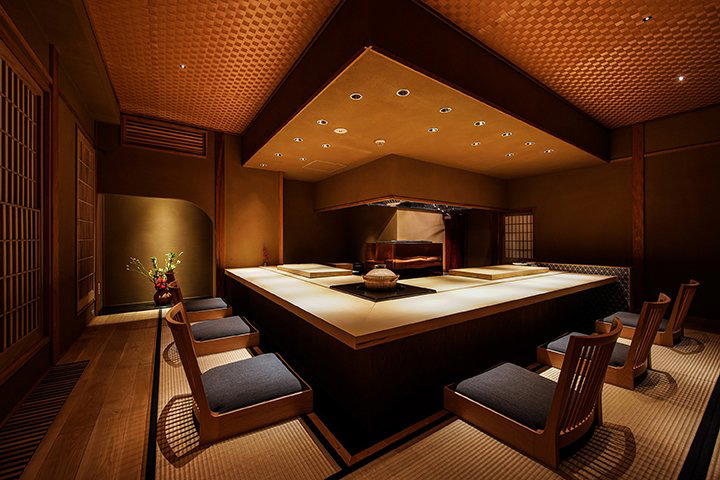
Kasugai’s ramen scene rewards attention to small rooms: the ticket machine at the entrance, the counter rhythm, the short distance between kitchen and bowl. Ramen Kobou Arigataya belongs to that compact Japanese format, with eight counter seats and a house-restaurant setting that keeps the experience close to the cooking. This is not the long-form tasting-menu version of Japanese dining. It is the sharper daily ritual: choose, sit, eat, make room for the next guest.
Aichi ramen has its own habits, shaped by commuters, car travel, neighborhood loyalty, and Nagoya-area taste for strong seasoning. In that context, a menu that includes ramen, Taiwanese mixed noodles, and dumplings says something specific. It points to the region’s appetite for noodles that can carry heat, aromatics, and texture without drifting into novelty. The sourcing question at a shop like this is less about named farms and more about discipline in component balance: broth, tare, noodles, fat, garnish, and side dishes have to work at speed, under repeat-visit scrutiny, at a counter where mistakes are hard to hide.
Aichi ramen culture, compressed into an eight-seat counter
The Tabelog 100 Ramen AICHI 2025 selection gives this address a useful external marker. Tabelog’s Hyakumeiten lists are not luxury awards; they function more like a serious local filter in categories where Japan has deep regional competition. For a ramen shop in Kasugai, that recognition matters because the competitive field is broad and unforgiving. Diners compare bowls across suburbs, train-station corridors, and roadside shops, not only within central Nagoya.
That is where Ramen Kobou Arigataya fits. Its scale is closer to a specialist workshop than a casual chain, and the eight-seat counter changes the stakes. Small ramen rooms depend on repeatable execution: noodles cannot sit, broth cannot wander, and service flow has to absorb solo diners as well as pairs. The format also clarifies the food. There is little room for theatrical plating or long explanations; the bowl has to carry the argument.
The presence of Taiwanese mixed noodles alongside ramen is particularly Aichi-coded. Nagoya popularized Taiwan ramen, a local invention rather than a Taiwanese import, and the broader region has absorbed that appetite for minced-meat heat, garlic, and seasoning intensity into multiple noodle forms. Without needing to overstate the point, the category placement tells diners that this is not a neutral shoyu-only ramen stop. It sits in a regional conversation where assertive flavor and practical portioning matter.
How it compares in Kasugai's compact dining circuit
Kasugai is not a city where every serious meal announces itself with a hotel-lobby entrance or a dining-room ritual. Its better eating is often neighborhood-scaled. Lightning Fire and Haruki occupy the inexpensive end of the local restaurant map, while Menja Sugure signals the city’s noodle depth from another angle. Cheval Banc and hape show how varied the city’s small-restaurant field can be beyond ramen.
Against that backdrop, Ramen Kobou Arigataya is useful for a traveler because it shows the local hierarchy without requiring a formal occasion. The Tabelog score of 3.62 and the 2025 Aichi ramen selection place it above ordinary convenience while keeping it inside everyday Japanese dining. That combination is often where ramen is at its strongest: not rarefied, not anonymous, but judged by a public that eats the category often enough to be severe.
The practical feel follows the format. Counter seating favors solo dining and quick turnover. The meal-ticket system keeps ordering direct. Cashless convenience is limited, though PayPay is accepted when handled by staff, and the room’s child policy is stricter than a family restaurant’s because each child requires a seat order. These details are not side notes; they are part of how small Japanese ramen shops maintain pace and fairness in a room with little slack.
What the ingredient question means here
Ingredient sourcing in premium restaurants often arrives as a list of producers. In ramen, the more revealing question is whether the components behave like a system. A shop serving ramen, Taiwanese mixed noodles, and dumplings has to manage different textures and seasoning loads across a narrow operational footprint. Noodles need enough structure for hot broth and mixed preparations. Dumplings have to work as a side without turning the meal into a full izakaya spread. The kitchen’s task is not abundance; it is control.
That control is why small regional ramen shops can be more instructive than polished destination restaurants. They expose how a city eats when price, speed, and repeat custom shape the food. Kasugai sits close enough to Nagoya to absorb its noodle culture, yet far enough from tourist circuits that local utility still matters. For travelers building a tighter food map, the stronger comparison may be not with formal Japanese dining, but with other category specialists across the country, from [Curry Senmon Ten] Maruyama Kyoju. in Sapporo to (Shoku) Vietnam in Kawasaki, where a narrow format becomes the editorial point.
For wider planning, use Our full Kasugai restaurants guide to place the meal alongside other local tables. Kasugai’s broader travel frame is easier to read with Our full Kasugai hotels guide, Our full Kasugai bars guide, Our full Kasugai wineries guide, and Our full Kasugai experiences guide. Readers comparing Japanese casual formats further afield can also look at -Grilled beef Sukiyaki- KAMAKURA TANUKIAN 鎌倉 たぬき庵 in Kamakura. 鮪と炭火焼き うお炭 秋葉原店 in Tokyo.cafe in Osaka.know in Kumamoto, Jōdo Saké Bar in Los Angeles, and Onigiri Time in Pasadena.
A Quick Peer Check
Comparable venues by cuisine and price in the same metro.
| Venue | Cuisine | Price | Notes |
|---|---|---|---|
| Ramen Kobou ArigatayaThis venue — the venue you are viewing | Ramen shop | $ | Not listed |
| Ramen Asuka | Ramen & Tsukemen Shop | $ | Ajima |
| Lightning Fire | Ramen & Mazesoba Shop | $ | Kachigawa |
| らぁ麺 飛鶏 | 鶏そば専門ラーメン | $$ | 御幸町 |
| Haruki | Traditional Japanese Ramen (Chuka Soba) | $ | .null |
| Menno Haru | Ramen | $ | Kasugai |
Recognition history
Dated appearances from independent guides and award organizations, with the underlying list record or original source where available.
Tabelog 100 #100 · No. 100
Tabelog · Tabelog 100 - Ramen - AICHI - 2025
Continue exploring
More in Kasugai
Restaurants in Kasugai
Browse all →

At a Glance
- Cozy
- Lively
- Classic
- Solo
- Family
- Casual Hangout
- Group Dining
- Late Night
- Standalone
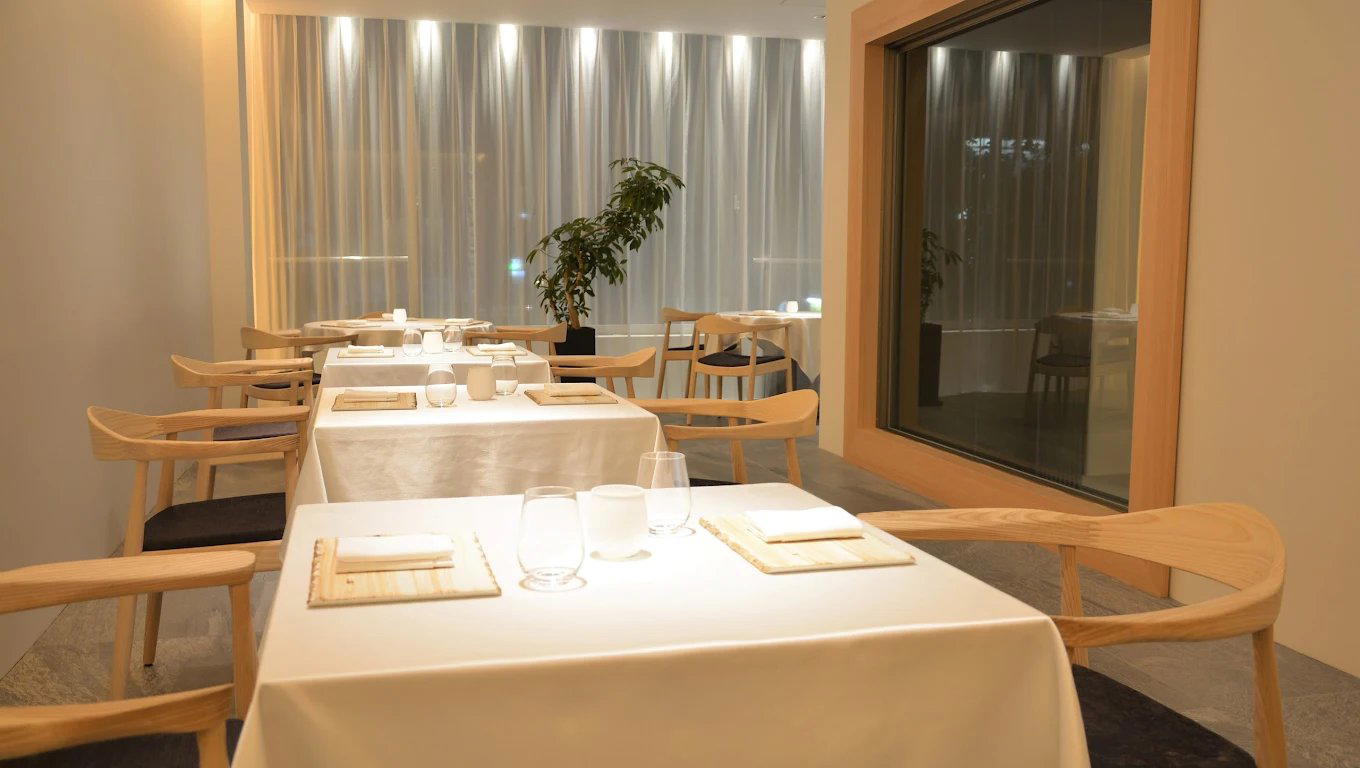
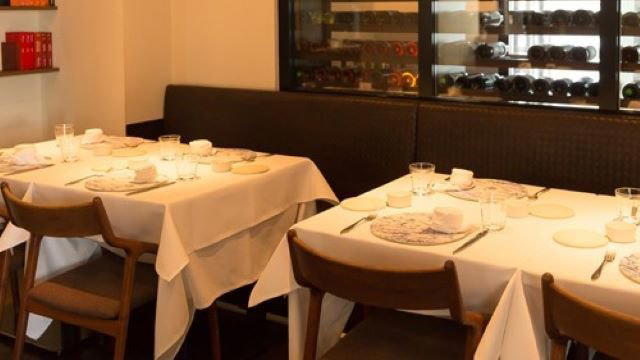
Casual and homey ramen shop atmosphere with a warm, family-style feel; lively at peak times but comfortable for both solo diners and families.