
Menja Sugure is a compact Kasugai ramen and tsukemen shop with Tabelog Ramen AICHI “Tabelog 100” 2025 recognition, a low JPY 999 price band, and a format built for counter dining rather than ceremony. Its value lies in how suburban Aichi ramen culture prizes repeatable craft, quick turnover, and ingredient-led bowls without the theatre of destination tasting menus.
Pearl is the En Primeur Club membership app — saves, bookings, and concierge access live there. Same editors, same standards.
- Address
- Japan, 〒486-0817 Aichi, Kasugai, Higashinocho, 2 Chome−1−24
- Phone
- +81 568-29-7998
- Website
- menjasugure.com
- Directions
- Get directions
 Saves & bookings on Pearl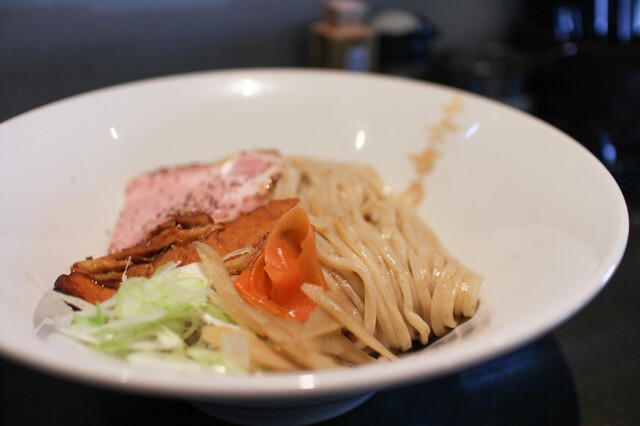
Approaching a suburban ramen shop in Kasugai differs from entering a city-centre counter in Nagoya. The cues are practical before theatrical: a small room, counter seats, tables for groups, and the expectation that the bowl is the event. Menja Sugure fits the Aichi pattern, where ramen and tsukemen are judged less by décor than by broth discipline, noodle texture, and whether regulars return at lunch and dinner.
The recognition matters because ramen in Japan is crowded, and regional lists filter countless casual shops into a smaller group with documented local traction. Selection for Tabelog Ramen AICHI “Tabelog 100” 2025 places the shop within Aichi’s serious ramen conversation, not the tourist-facing dining circuit. Its 3.61 score reads in context: for everyday ramen, it can signal steady approval in a modestly priced category with direct expectations.
Tsukemen, ramen, and the Aichi habit of precision without ceremony
Aichi’s ramen culture has never depended on a single signature style as Sapporo is tied to miso or Hakata to tonkotsu. The stronger pattern is variety: dipping noodles, pork-based broths, chicken-clear bowls, spice-heavy local preferences, and shops competing on small differences in noodle weight, soup concentration, and finishing balance. Menja Sugure’s categories, tsukemen and ramen, place it where noodle structure matters as much as broth.
Tsukemen changes the meal’s arithmetic. Instead of noodles submerged from the start, the dipping format separates noodle and soup, leaving less room to hide texture. The broth must be concentrated enough to cling, while the noodles need resilience through the bowl. Ingredient sourcing becomes visible even without a long producer list: flour selection, soup base, tare, oil, and toppings must work as a system, not decoration.
At this price level, restraint is the editorial point. Ramen shops in the sub-JPY 999 bracket are not selling luxury signals; they sell consistency under volume pressure. A bowl must land quickly, satisfy solo diners, and work for families without turning service into a production. In Kasugai, a recognised ramen shop becomes a useful reading of local food culture: affordable, repeatable, and technically unforgiving.
For travellers mapping the city by food rather than landmarks, this is the same practical Kasugai dining network that includes nearby casual and specialist addresses such as Haruki, Menno Haru, Lightning Fire, hape, and Cheval Banc. The point is not interchangeability; it is that Kasugai rewards diners who look beyond central Nagoya and treat suburban Aichi as its own eating territory.
A 15-seat room built for regulars, solo bowls, and quick decisions
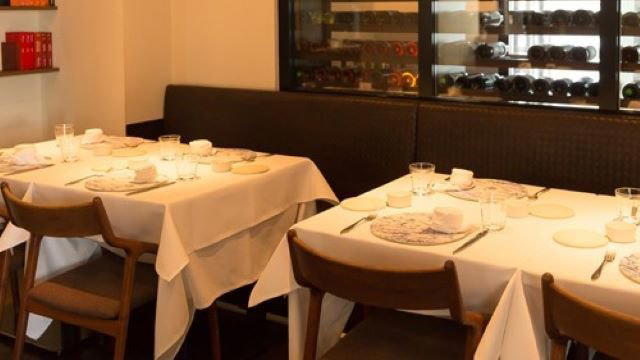
The room format explains how to use it. Fifteen seats, with seven at the counter and two tables making up the remaining eight, gives the shop a split personality: efficient for solo ramen dining, flexible enough for a small family meal. In Japan’s noodle culture, the counter remains the purest fast-bowl format, while tables make the same shop workable for children or friends without changing its rhythm.
Reservations are unavailable, typical of this category, which changes planning logic. A no-reservation ramen shop asks diners to think in service windows, not booking slots. Lunch is shorter on weekdays and slightly longer on weekends, while dinner runs into the evening. Avoid treating the meal like a long-form restaurant reservation; approach it as a timed stop around the day’s route.
Payment also signals the genre. Credit cards, electronic money, and QR payments are not accepted, so cash remains part of the visit. That is operational reality across many smaller Japanese ramen shops, especially outside heavily international districts. Shared parking, with 14 spaces in front and beside the restaurant, marks it as a car-friendly suburban address rather than a station-adjacent urban counter.
The location is still workable by public transport, with Higashinocho Bus Stop and Higashino Bus Stop listed at a two-minute walk. Kasugai Station is farther out, so visitors without a car should plan the bus leg rather than assume a quick station walk. For broader planning around the city, see Our full Kasugai restaurants guide, Our full Kasugai hotels guide, Our full Kasugai bars guide, Our full Kasugai wineries guide, and Our full Kasugai experiences guide.
How to read the recognition without overreading it
Tabelog’s regional ramen lists are useful because they separate local consensus from broad fame. Menja Sugure’s 2025 Aichi listing signals relevance inside a prefectural ramen field, not luxury dining. For travellers, the distinction matters: this is a low-price, no-private-room, non-smoking shop where the appeal is concentrated in the bowl and pace of service.
The Kasugai comparison set reinforces the point. Haruki and Menno Haru occupy the same low-price ramen-adjacent band, while other casual addresses in and around the area may sit slightly higher. A recognised shop under JPY 999 competes on value and execution, not extended hospitality. That makes it sharper for diners wanting a grounded Aichi noodle meal rather than a formal reservation-led evening.
Kasugai can also sit inside a larger Japan itinerary without imitating Tokyo or Osaka. Travellers building a food route across the country might move from local noodle shops here to broader Japanese casual formats such as -Grilled beef Sukiyaki- KAMAKURA TANUKIAN 鎌倉 たぬき庵 in Kamakura. 鮪と炭火焼き うお炭 秋葉原店 in Tokyo.cafe in Osaka.know in Kumamoto, (Shoku) Vietnam in Kawasaki, and [Curry Senmon Ten] Maruyama Kyoju. in Sapporo. For readers comparing Japanese food culture abroad, Jōdo Saké Bar in Los Angeles and Onigiri Time in Pasadena show how tightly defined Japanese formats change when they leave Japan.
The verdict is pragmatic: choose the restaurant for a concise, ingredient-led ramen or tsukemen stop in Kasugai, especially if the day calls for value, speed, and local credibility. It is not a place to overcomplicate. Bring cash, expect a compact room, and let the shop’s place in Aichi’s ramen circuit explain the rest.
How It Stacks Up
Comparable venues by cuisine and price in the same metro.
| Venue | Cuisine | Price | Notes |
|---|---|---|---|
| Menja Sugure | Tsukemen and ramen shop | $ | Kasugai |
| Haruki | Traditional Japanese Ramen (Chuka Soba) | $ | .null |
| Menno Haru | Ramen | $ | Kasugai |
| Lightning Fire | Ramen & Mazesoba Shop | $ | Kachigawa |
| Ramen Kobou Arigataya | Ramen shop | $ | Kachigawa |
| Ramen Asuka | Ramen & Tsukemen Shop | $ | Ajima |
Recognition history
Dated appearances from independent guides and award organizations, with the underlying list record or original source where available.
Tabelog 100 #56 · No. 56
Tabelog · Tabelog 100 - Ramen - AICHI - 2025
At a Glance
- Lively
- Cozy
- Solo
- Casual Hangout
- Family
- After Work
- Group Dining
- Standalone
Current opening hours
- Monday
- 11 AM–2 PM, 6–9:30 PM
- Tuesday
- 11 AM–2 PM, 6–9:30 PM
- Wednesday
- 11 AM–2 PM, 6–9:30 PM
- Thursday
- 11 AM–2 PM, 6–9:30 PM
- Friday
- 11 AM–2 PM, 6–9:30 PM
- Saturday
- 11 AM–2:30 PM, 6–9:30 PM
- Sunday
- 11 AM–2:30 PM, 6–9:30 PM
Hours can change for holidays and private events. Last verified .
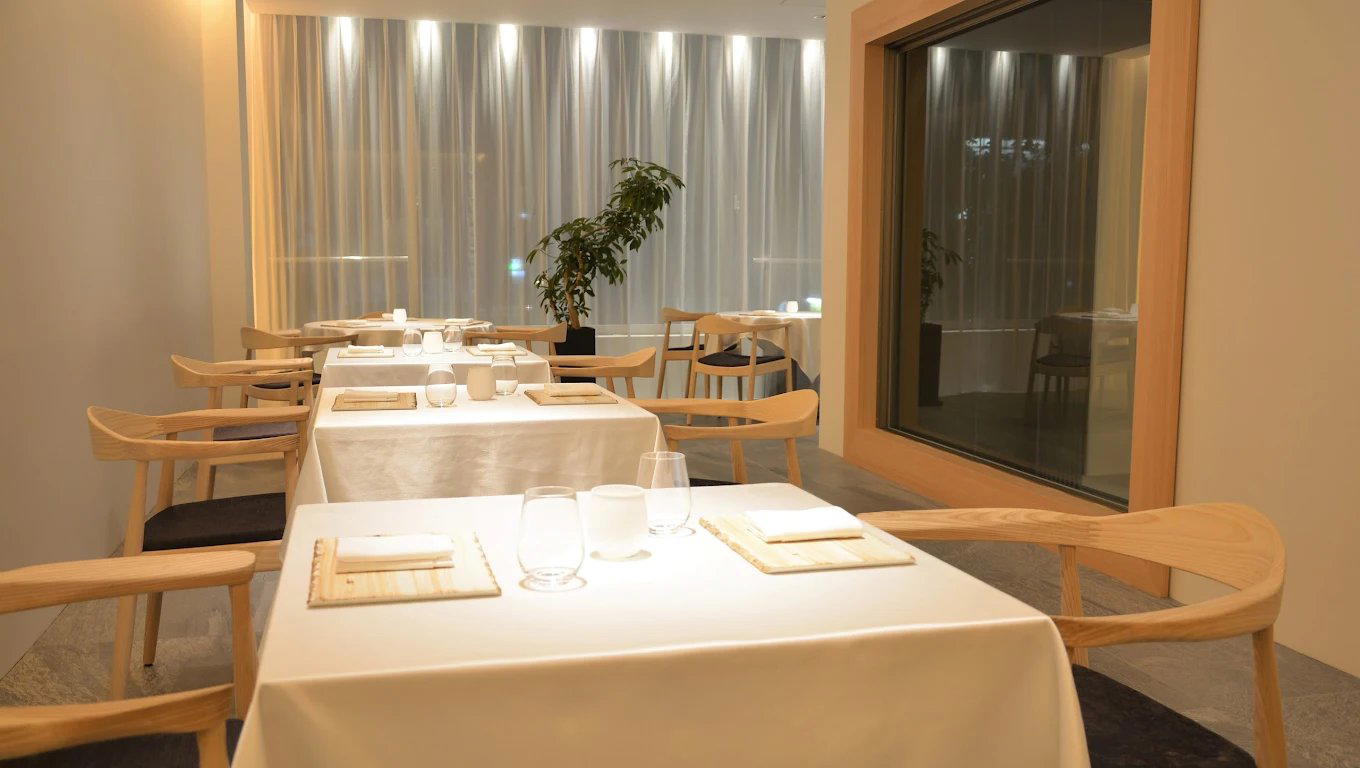
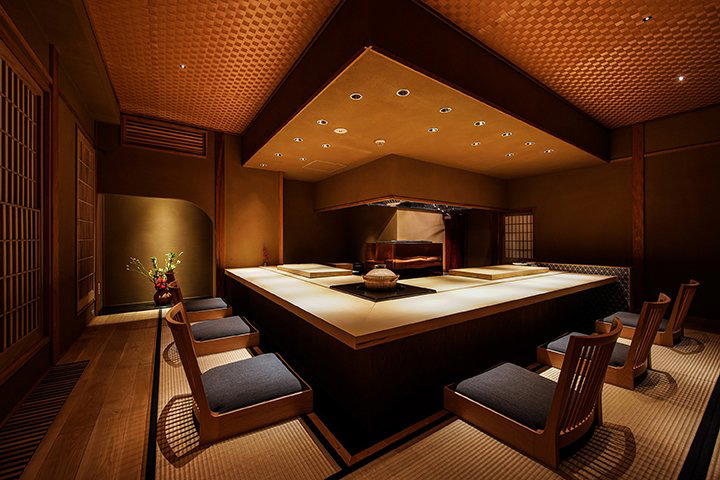
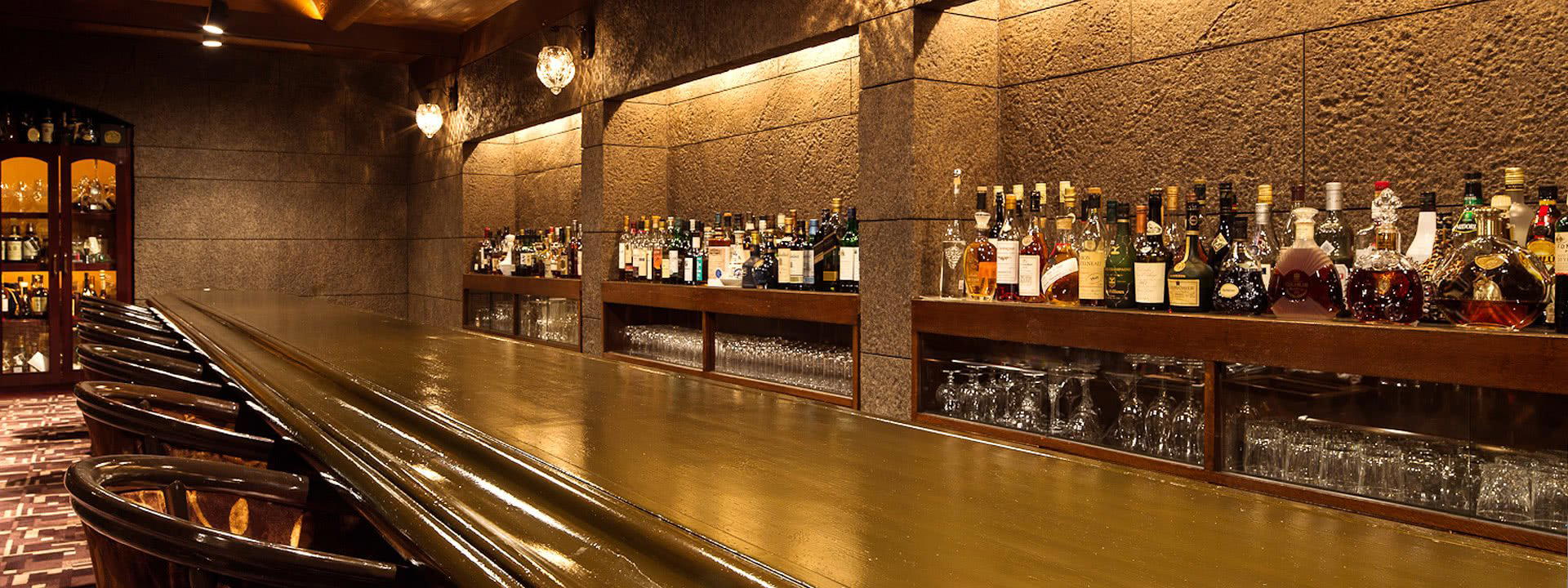
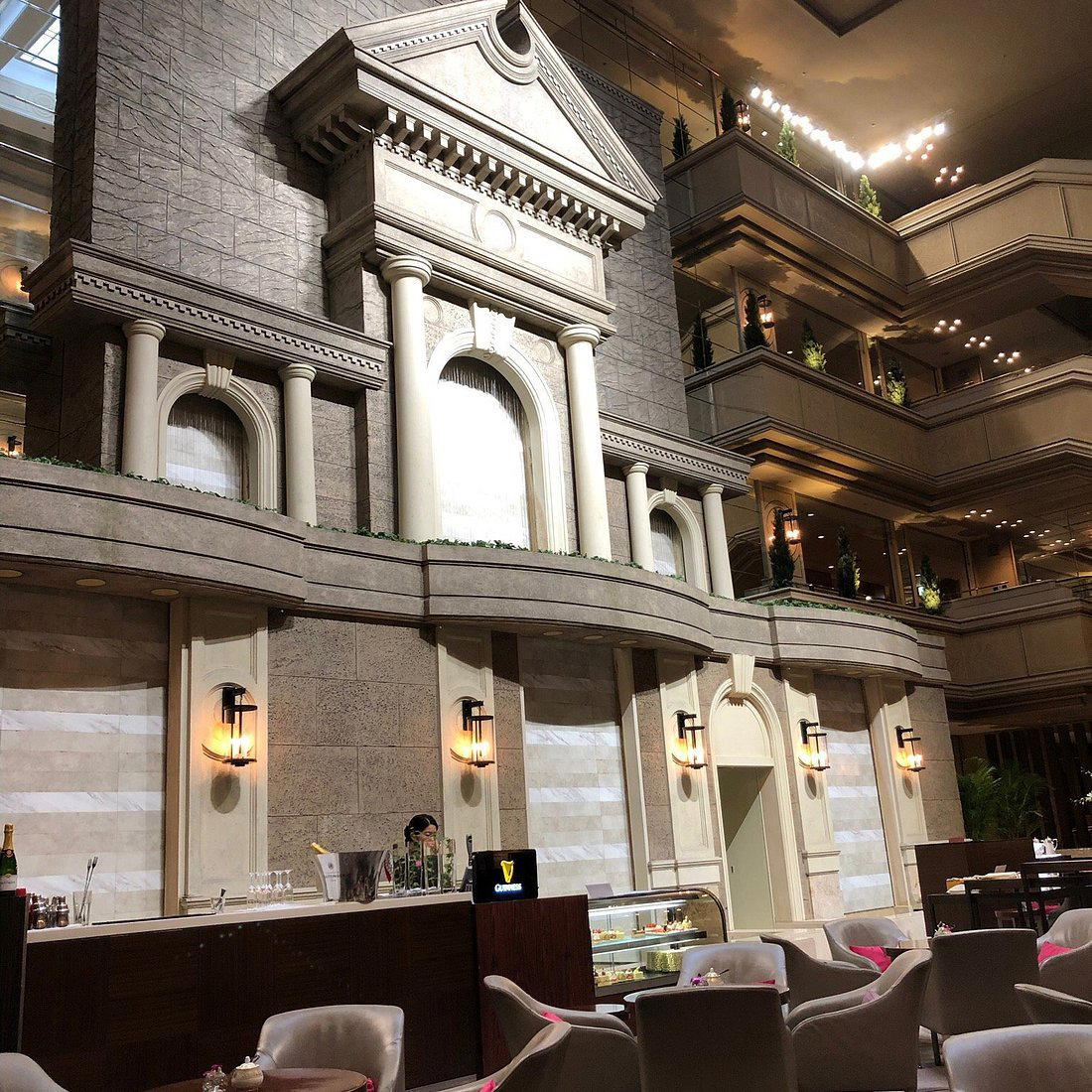
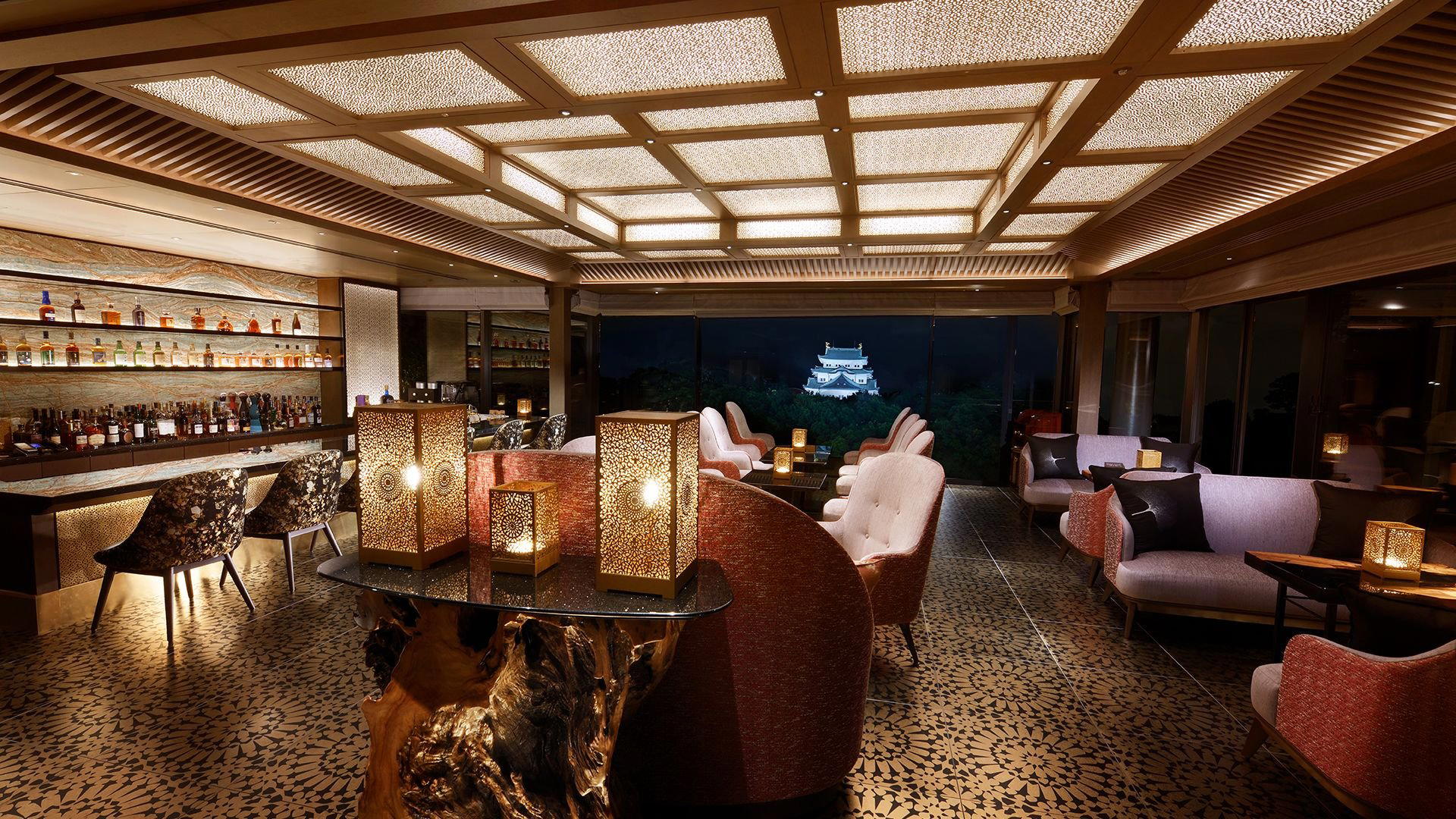
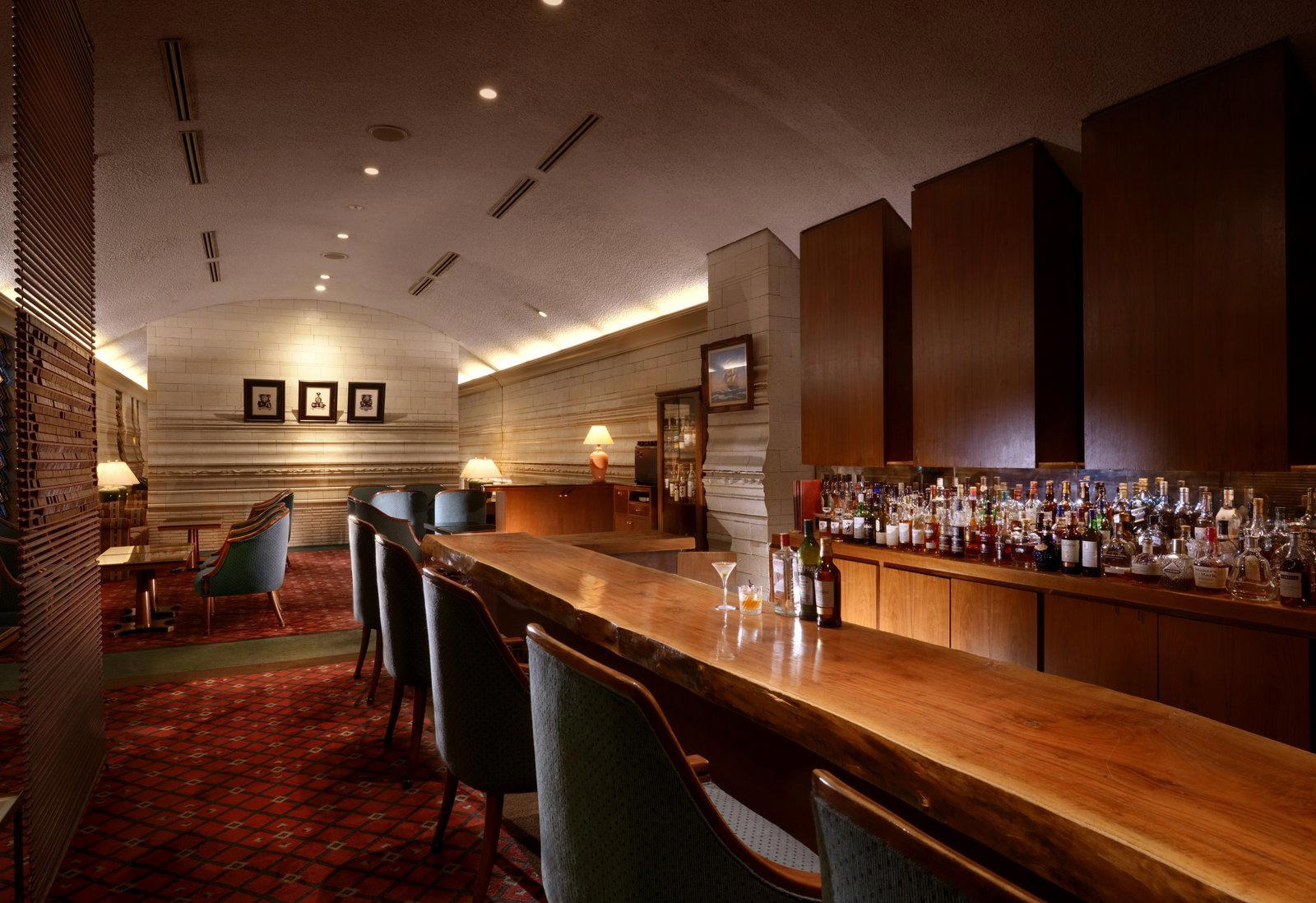
Casual ramen-ya atmosphere with a compact, counter-focused layout, bright functional lighting, and an energetic feel typical of popular local tsukemen shops.