
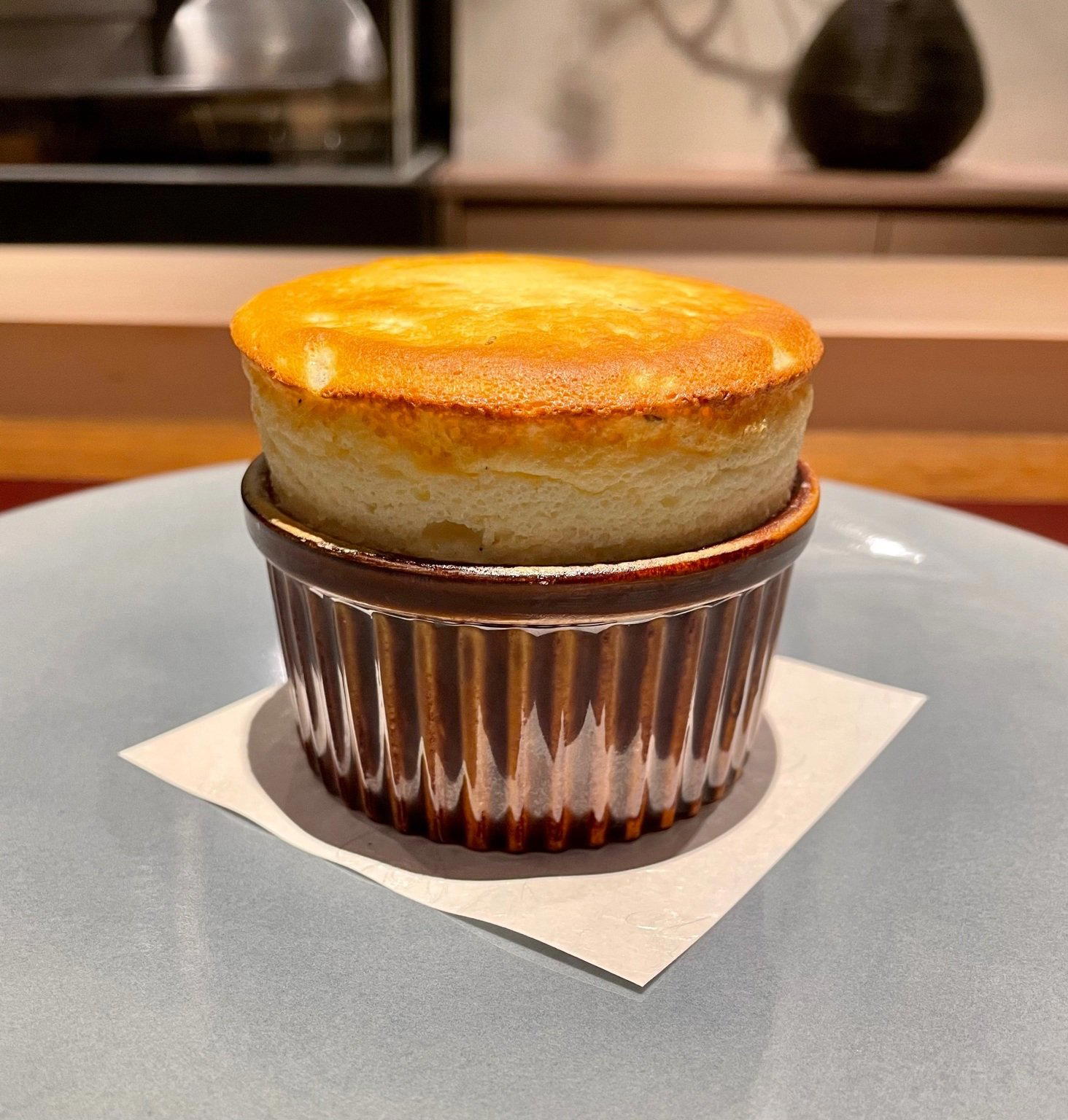
Kasugai’s French and innovative dining tier is small, which makes hape more than a local curiosity: it signals how serious cooking in Aichi can move beyond Nagoya without losing regional focus. Its Tabelog French EAST 100 selection in 2025, 12-seat scale, wine orientation, and house-restaurant setting place it in a quieter, produce-led register.
Pearl is the En Primeur Club membership app — saves, bookings, and concierge access live there. Same editors, same standards.
- Address
- 愛知県春日井市廻間町下巳新田65-1
- Phone
- +81568888710
- Website
- hape.shopinfo.jp
- Directions
- Get directions
 Saves & bookings on Pearl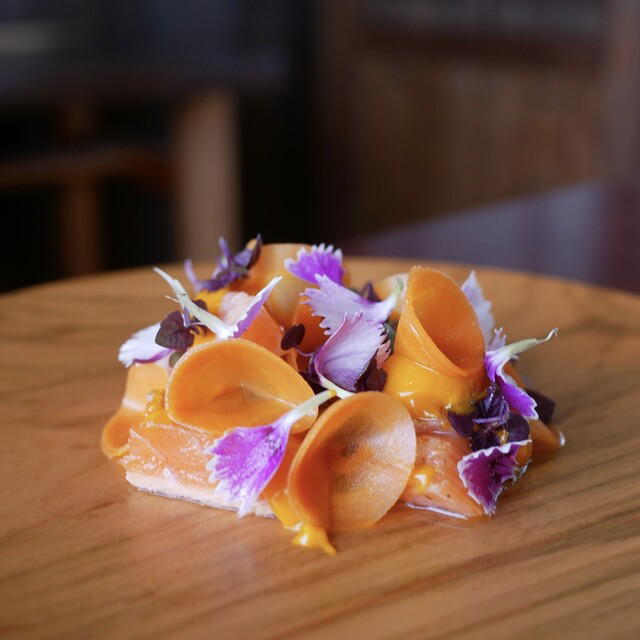
Approach in Kasugai and the rhythm changes from city-center dining to a house-restaurant scale: fewer seats, less theatre, and a dining room where the meal depends on control rather than volume. That setting matters for contemporary French cooking in Japan, where the strongest regional rooms often read less like imported Parisian templates and more like disciplined kitchens using local supply chains, seasonality, and Japanese restraint to make the category feel native to its place.
hape belongs to that smaller Aichi conversation. The restaurant is listed in the Tabelog 100 French EAST 2025 selection and carries a 4.01 Tabelog score, a meaningful signal in a category where regional French rooms compete not only on technique but on consistency, ingredient judgment, and the ability to justify a slower meal outside a major station district. In Kasugai, where everyday dining is often defined by ramen, casual noodles, and neighborhood counters, a French and innovative restaurant at this scale changes the city’s dining map.
French technique in Kasugai, read through produce rather than spectacle
Japan’s regional French cooking has become more interesting when it stops imitating grand dining-room codes and starts treating French technique as a framework for local materials. That is the useful lens here. The category label, French and innovative, points to a kitchen working between classical structure and contemporary Japanese flexibility, where sourcing, pacing, and portion logic matter more than showpiece luxury.
In Aichi, that distinction is important. Nagoya absorbs much of the prefecture’s dining attention, but the surrounding cities support a different kind of restaurant: lower capacity, more dependent on repeat local trust, and often less concerned with the performance of metropolitan dining. A 12-seat room sharpens that equation. Small restaurants have less margin for inconsistency; the cooking has to carry the experience without relying on a crowded room or a long list of distractions.
The wine listing is also a useful clue. French restaurants outside Japan’s largest cities can split into two camps: casual Western-style dining with familiar plates, or serious tasting-oriented rooms where wine is part of the meal’s architecture. hape sits closer to the latter camp, not because of grand claims, but because its format, category, and recognition place it in the same conversation as regional restaurants using French grammar to organize Japanese ingredients.
That produce-led reading is the point. The appeal is not an imported idea of French luxury; it is the way a compact Kasugai kitchen can turn the discipline of sauce work, heat control, and course progression toward ingredients available in its own orbit. For travelers who usually treat Aichi as a Nagoya dining stop, this kind of restaurant argues for widening the map.
A small-room format with stronger intent than the city's casual baseline
Kasugai’s casual dining scene has plenty of low-cost momentum. Menno Haru, Menja Sugure, and Haruki sit in a different price and format bracket, built around quick decisions and repeatable neighborhood habits. That contrast helps explain hape’s role: it is not trying to win the same occasion. It belongs to the slower, reservation-led side of the city, where the meal is planned rather than incidental.
Cheval Banc offers another local reference point for diners reading Kasugai through French-inflected cooking rather than noodle shops or everyday set meals. Lightning Fire, by contrast, speaks to the city’s more casual appetite. The useful comparison is not which restaurant is superior; it is how narrow the serious French lane remains in this part of Aichi. Recognition in the Tabelog 100 French EAST list gives hape a credential that travels beyond the neighborhood.
The house-restaurant setting reinforces that narrower lane. In Japan, this format often changes diner expectations before the first course arrives: arrival is quieter, pacing is more deliberate, and the room’s scale makes the relationship between kitchen and table more direct. It also filters the audience. This is not a drop-in dining decision after sightseeing; it is the kind of meal that suits travelers building a day around Kasugai rather than adding it as an afterthought.
The editorial case is strongest for diners who care about regional expression in French cooking. Tokyo and Kyoto may dominate international attention, but smaller Aichi rooms can be revealing because they strip away the familiar signals of destination dining. What remains is format discipline, ingredient confidence, and whether the restaurant has enough identity to justify leaving the obvious route.
How to place it within a wider Japan dining itinerary
For a broader read on the city, Our full Kasugai restaurants guide puts the local dining range in context, while Our full Kasugai hotels guide, Our full Kasugai bars guide, Our full Kasugai wineries guide, and Our full Kasugai experiences guide help frame the city beyond dinner. The wider Japan file ranges from -Grilled beef Sukiyaki- KAMAKURA TANUKIAN 鎌倉 たぬき庵 in Kamakura and. 鮪と炭火焼き うお炭 秋葉原店 in Tokyo to.cafe in Osaka.know in Kumamoto, (Shoku) Vietnam in Kawasaki, and [Curry Senmon Ten] Maruyama Kyoju. in Sapporo. For readers tracking Japanese food culture abroad, Jōdo Saké Bar in Los Angeles and Onigiri Time in Pasadena show how different the same culinary vocabulary becomes once it leaves Japan.
The reason to prioritize hape is specific: it gives Kasugai a serious French reference point with measurable recognition, compact-room discipline, and a produce-first argument that feels tied to place. For travelers already moving through Aichi, it is a sharper detour than another generic station-area meal, and for local diners it marks the city’s ability to sustain a more deliberate kind of restaurant.
How It Stacks Up
Comparable venues by cuisine and price in the same metro.
| Venue | Cuisine | Price | Notes |
|---|---|---|---|
| hape | Modern French set-course dining | $$$ | Not listed |
| Cheval Banc | Michelin-Starred French Fine Dining | $$$$ | Kashiwaicho |
| らぁ麺 飛鶏 | 鶏そば専門ラーメン | $$ | 御幸町 |
| Menno Haru | Ramen | $ | Kasugai |
| Haruki | Traditional Japanese Ramen (Chuka Soba) | $ | .null |
| Menja Sugure | Tsukemen and ramen shop | $ | Kasugai |
Recognition history
Dated appearances from independent guides and award organizations, with the underlying list record or original source where available.
Tabelog 100 #89 · No. 89
Tabelog · Tabelog 100 - French - EAST - 2025
At a Glance
- Intimate
- Cozy
- Date Night
- Special Occasion
- Celebration
- Solo
- Chefs Counter
- Standalone
- Design Destination
Current opening hours
- Monday
- 12–2 PM, 6–8 PM
- Tuesday
- 12–2 PM, 6–8 PM
- Wednesday
- 12–2 PM, 6–8 PM
- Thursday
- 12–2 PM, 6–8 PM
- Friday
- 12–2 PM, 6–8 PM
- Saturday
- 12–2 PM, 6–8 PM
- Sunday
- Closed
Hours can change for holidays and private events. Last verified .
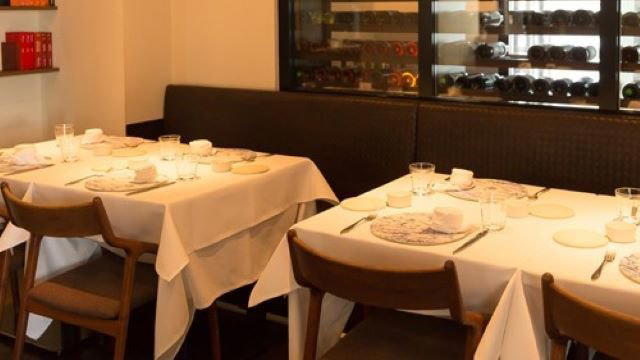
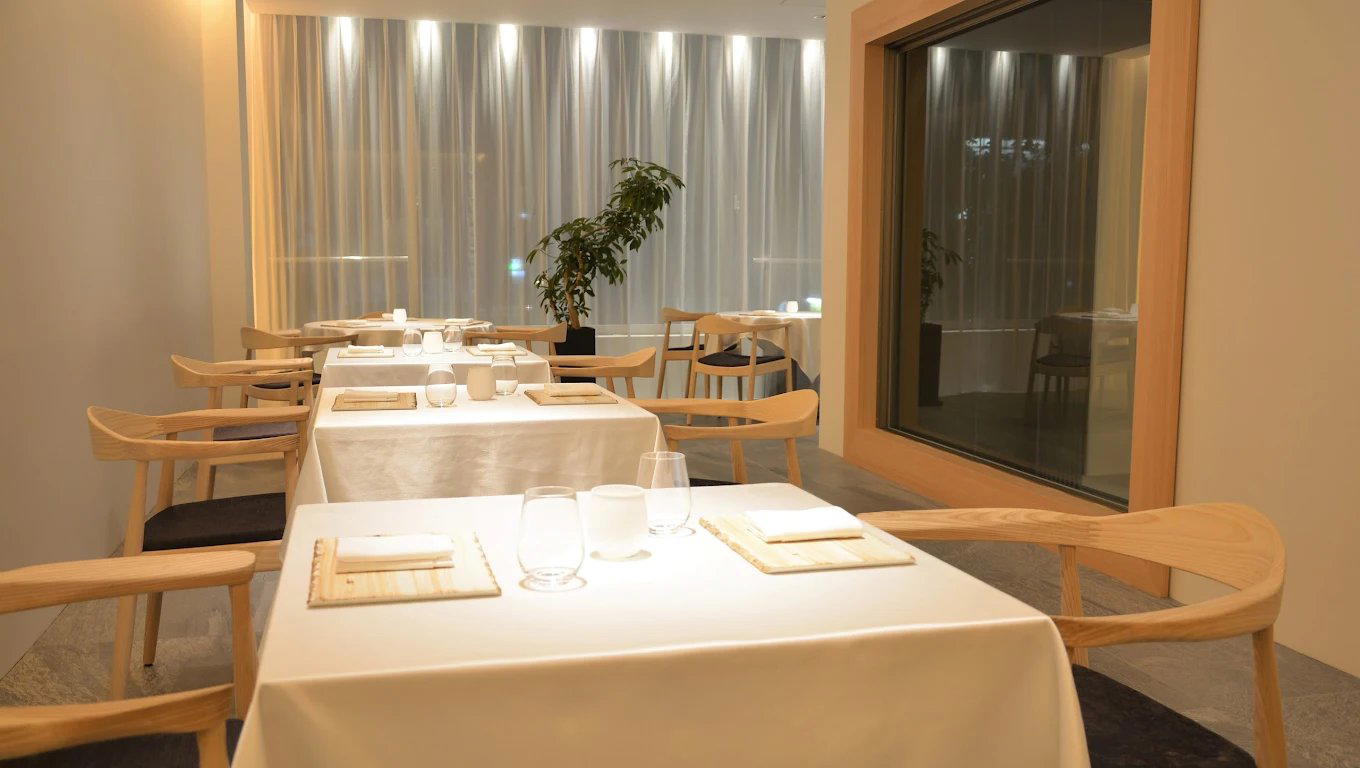
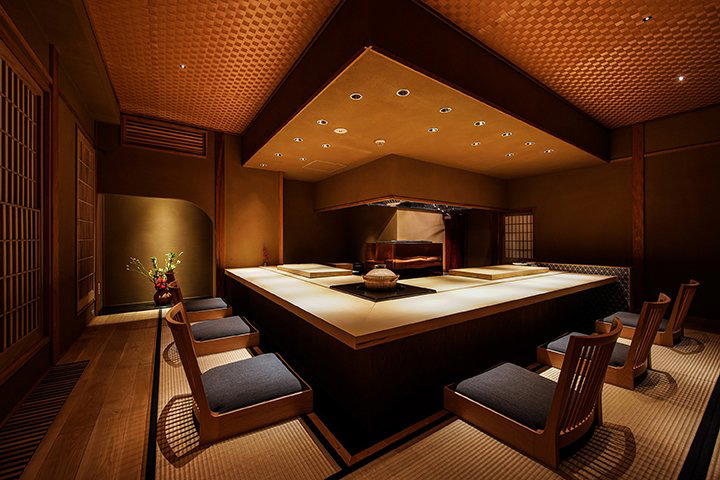
A small, reservation-only dining room with a quiet, cozy feel and an atmosphere focused on the chef’s refined French dishes rather than décor or spectacle.