明珠ひら緒 occupies a basement unit on a narrow Torikai block in Fukuoka's Chuo Ward, within the city's quieter tier of reservation-led, small-format dining rooms. The venue sits between the internationally recognised counters and the city's casual end, serious enough to require advance planning, operating at a scale that resists the standardisation that heavier recognition tends to produce. Approach it as you would any focused progressive-format room: book first, arrive with intent.
Pearl is the En Primeur Club membership app — saves, bookings, and concierge access live there. Same editors, same standards.
- Address
- Japan, 〒810-0053 Fukuoka, Chuo Ward, Torikai, 1 Chome−2−33 1F-B
- Phone
- +817024050023
- Website
- tablecheck.com
- Directions
- Get directions
 Saves & bookings on Pearl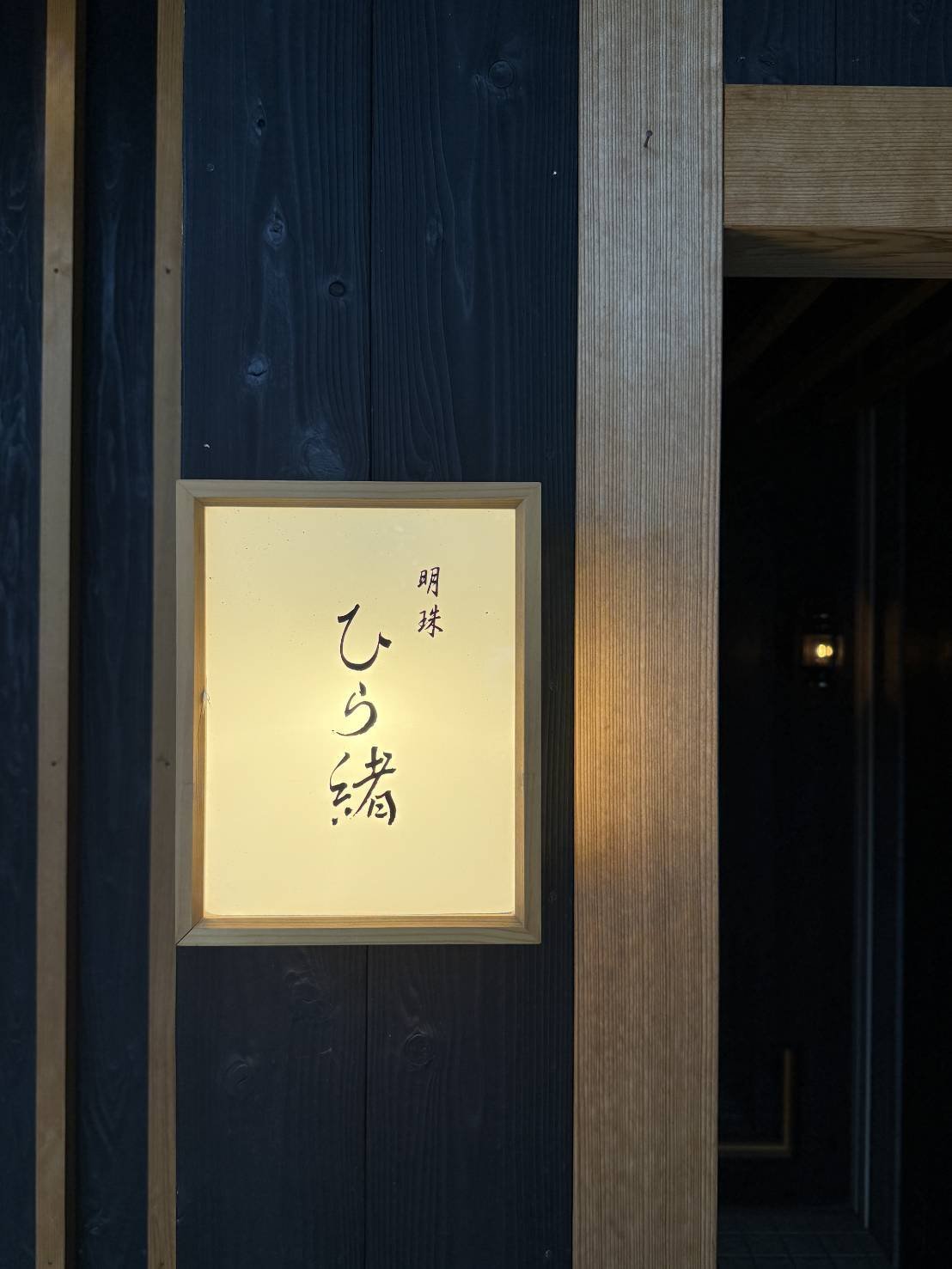
Torikai, After Dark: Reading Fukuoka's Quiet Dining Register
Chuo Ward's Torikai district operates at a register that most visitors never tune into. The streets around 1-chome are narrow enough that two people walking side by side fill the pavement, and the signage above the ground-floor units runs from the cryptic to the near-invisible. This is not accidental. The dining culture that has taken root here skews toward the kind of place that rewards prior knowledge over spontaneous discovery, small-format rooms, often counter-centric, where the evening has a defined shape and that shape is the whole point. 明珠ひら緒 sits within this tradition, occupying a basement unit at 1 Chome-2-33 that announces itself quietly, if at all, to the street above.
Fukuoka's dining scene has always operated with a certain confidence in this model. Where Tokyo's restaurant culture is increasingly legible to international visitors through awards, aggregators, and English-language booking platforms, Fukuoka retains more dining rooms that function primarily through local reputation and word of mouth. That insularity is not a limitation, it is a structural feature of how the city's food culture reproduces itself. The Torikai pocket is one of the clearer expressions of it.
The Arc of the Meal: How a Progressive Format Reads Here
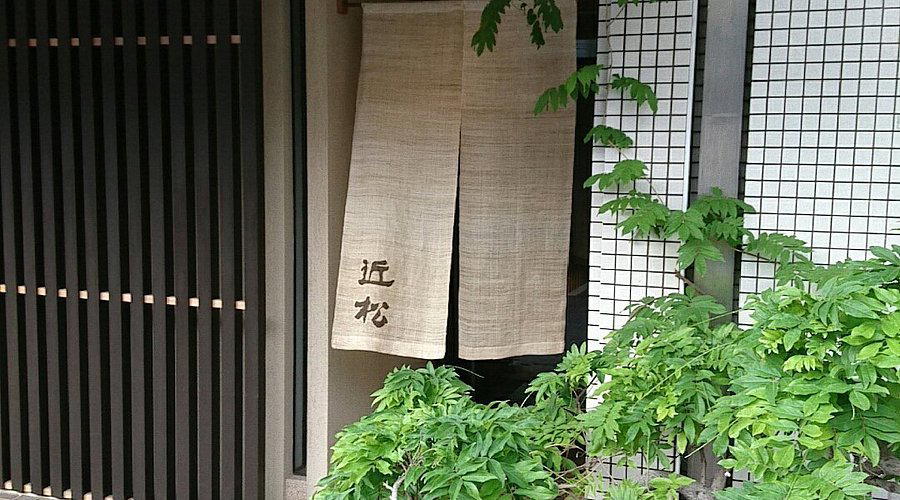
Restaurants in Fukuoka's serious dining tier increasingly share a structural logic: the evening is a sequenced event rather than an à la carte exercise. This is the format that separates the omakase sushi counter, of which Fukuoka has several strong examples, including Chikamatsu, from the multi-course kaiseki format, from the Western tasting menu tradition represented by venues like Goh (French). Each format imposes a different kind of narrative on the meal: the sushi counter builds through cut and temperature; the kaiseki through seasonal reference and textural contrast; the Western tasting menu through sauce architecture and protein progression.
What is clear from the address and the format signals embedded in the venue's name and positioning within Torikai is that this is not a casual drop-in. Reservations, rather than walk-in access, define this tier of Fukuoka dining. Visitors planning an evening here should approach it as they would any serious progressive-format room in the city: book in advance, communicate dietary restrictions at the time of reservation, and arrive prepared for a meal that unfolds on the kitchen's terms rather than the guest's.
Positioning Within Fukuoka's Progressive Dining Tier
Fukuoka does not have the density of starred rooms that Osaka or Tokyo carry, but it sustains a cohort of serious small-format venues that punch into national conversations. Goh, with its French-technique kaiseki hybrid, draws the comparison set that includes HAJIME in Osaka and Gion Sasaki in Kyoto. The sushi tier anchors around counters like Chikamatsu, which invites comparison with Tokyo's most disciplined omakase rooms, including Harutaka. Below that peak tier sits a wider band of serious, chef-driven rooms in Chuo Ward, venues like Asago and Bekk, that serve a local professional clientele rather than destination diners flying in specifically for the meal.
明珠ひら緒 occupies this intermediate zone, where the dining proposition is serious enough to require intent but has not yet attracted the kind of external recognition that brings queue pressure from outside the city. In a national context, this mirrors the position of venues like akordu in Nara or Bistro Ange in Toyohashi, serious regional rooms that sustain loyal local followings without necessarily appearing on the international radar. There is a strong argument that this is one interesting tier in Japanese dining right now: venues that have not been flattened by the standardisation that heavy award attention can produce.
For comparison, the city's more casual end runs from Hakata-style ramen joints to yakiniku rooms like Beef Taigen, where the format is convivial and the expectations are entirely different. The gap between those rooms and the Torikai tier is wide, and 明珠ひら緒 reads as firmly on the serious side of it.
Japan's Quiet Dining Rooms: A Pattern Worth Understanding
The basement-level small-format room is a recurring feature across Japanese cities, from Sapporo to the regional dining towns of Honshu. Venues like 夕佳山乃 in Sapporo and 一本木 浜川製 in Nanao represent the same structural logic in different geographies: small room, fixed format, clientele built through trust rather than visibility. What separates these venues from their Western equivalents, the chef's table at a larger restaurant, the tasting-menu offshoot, is that the intimacy is not a premium add-on but the entire premise. The room exists at that scale because the kitchen operates leading at that scale.
This pattern has proven durable precisely because it resists the economics of growth. A 10-seat room with a fixed menu and a single sitting cannot be scaled up without becoming something different. That structural rigidity, paradoxical as it sounds, is the source of its consistency. Diners who have eaten at 庭羽屋 in Nishikawa Machi or 湖岸庵 in Takashima will recognise the same spatial logic at work in Torikai.
The international equivalent most readers will know is the counter-format tasting room, the dining model that Le Bernardin in New York and Atomix represent in their own ways, though translated through entirely different culinary traditions. Birdland in Sakai draws a sharper domestic comparison within Japan's own yakitori-counter tradition.
Planning Your Evening: What to Know Before You Go
Practical access to 明珠ひら緒 requires some navigation. The Torikai address in Chuo Ward is reachable from Tenjin or Akasaka station, both of which sit on the Fukuoka City Subway's Kuko Line, within a short walk. The basement location at 1F-B means the entrance is below street level, worth knowing if you are arriving after dark on an unfamiliar block.
The Quick Read
Comparable venues nearby, for context on price, style, and recognition.
| Venue | Cuisine | Price | Notes |
|---|---|---|---|
| 明珠ひら緒This venue — the venue you are viewing | Chūō, Japanese Fine Dining | $$$$ | Not listed |
| 鮨おさむ | Takamiya, Hakata-style Omakase Sushi | $$$$ | Not listed |
| 嗣味 | Chūō, Modern Japanese Omakase | $$$$ | Not listed |
| Sushi to Amakusa Daio Amane | Not listed | $$$ | Chūō, Omakase Sushi & Amakusa Daio Chicken |
| Teppanyaki Sazanka | Not listed | $$$$ | Hakata, Teppanyaki & Wagyu at Hotel Okura Fukuoka |
| torila | Chūō, Modern Yakitori Omakase | $$$$ | Not listed |
At a Glance
- Elegant
- Intimate
- Sophisticated
- Special Occasion
- Sake Program
Current opening hours
- Monday
- 6–10 PM
- Tuesday
- Closed
- Wednesday
- 6–10 PM
- Thursday
- 6–10 PM
- Friday
- 6–10 PM
- Saturday
- 6–10 PM
- Sunday
- 6–10 PM
Hours can change for holidays and private events. Last verified .
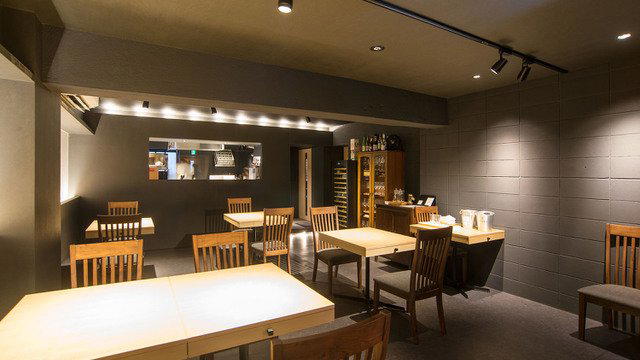
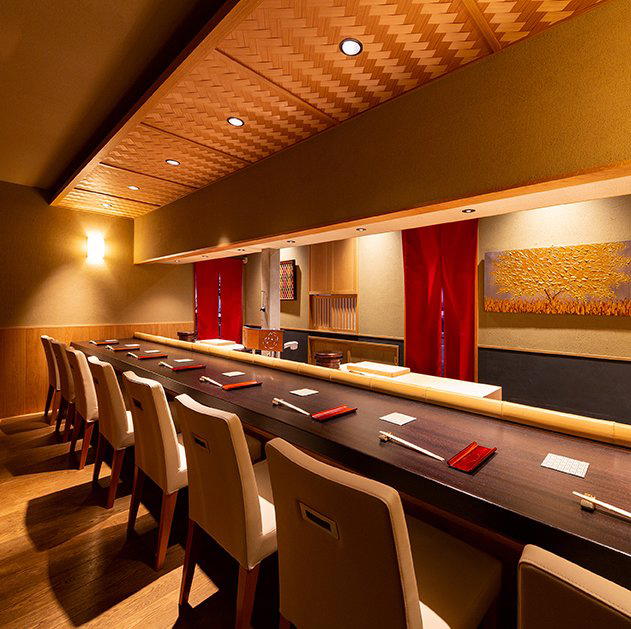
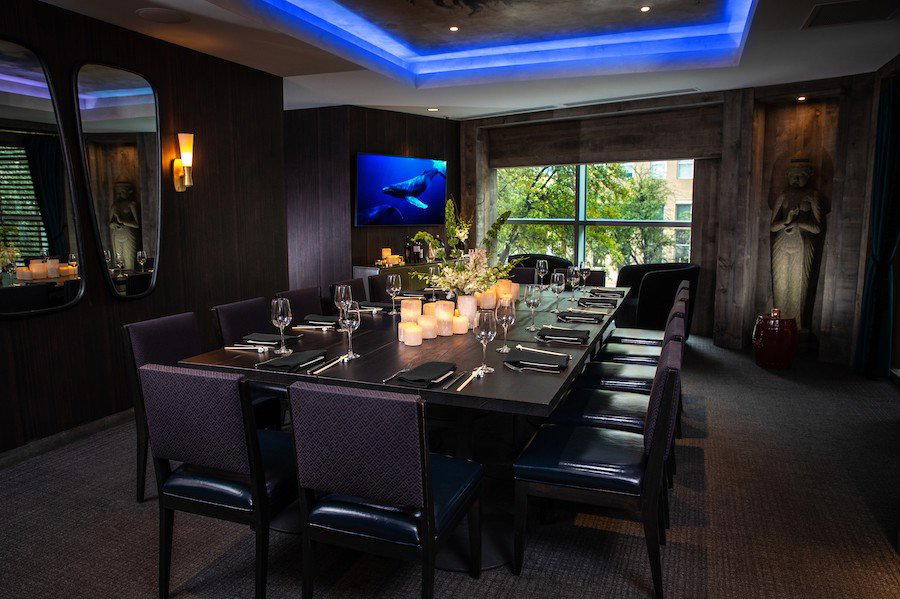
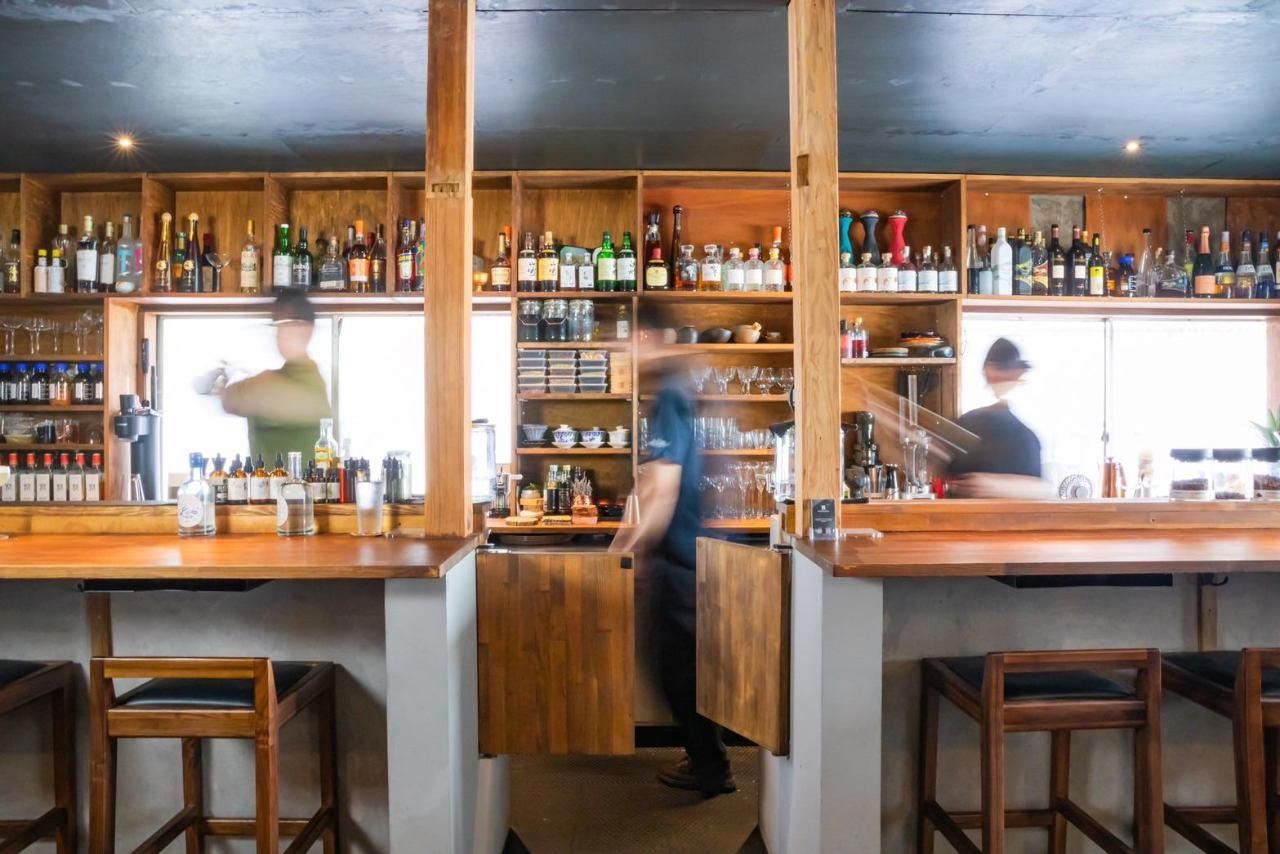
Tranquil atmosphere with simple yet high-end interior featuring a tatami counter stage.