Situated in Fukuoka's Chuo Ward, 壁虎 occupies a quiet ground-floor address in Takasago that places it at some distance from the city's more trafficked dining corridors. Fukuoka's restaurant scene runs deep in this mid-city pocket, where smaller independent operations tend to trade on neighbourhood loyalty rather than foot traffic. Booking ahead is advisable for any evening visit.
Pearl is the En Primeur Club membership app — saves, bookings, and concierge access live there. Same editors, same standards.
- Address
- Japan, 〒810-0011 Fukuoka, Chuo Ward, Takasago, 1 Chome−6−6 1F
- Phone
- +81924011819
- Website
- tablecheck.com
- Directions
- Get directions
 Saves & bookings on Pearl
Takasago and the Quieter Side of Fukuoka Dining
Fukuoka's dining identity is most legible not in its headline districts but in the mid-city residential corridors that stretch between the ferry port and the commercial centre. Chuo Ward's Takasago neighbourhood sits in that band: close enough to Tenjin to benefit from the broader pull of the city's food culture, yet far enough from it that the restaurants here tend to depend on intention rather than impulse. Visitors do not stumble into Takasago; they come because they know where they are going. That fact alone filters the clientele and shapes the atmosphere of the independent operations scattered along its quieter streets.
嗣味 is a Modern Japanese Omakase restaurant in Fukuoka's Chuo Ward, priced at about US$250 per person. It is located at a ground-floor address on Takasago 1-chome, a detail that carries more weight than it might first appear. Ground-floor positioning in this part of Fukuoka typically signals an operation built around accessibility and local footfall rather than the multi-floor stacked formats common in Tenjin tower buildings. The immediate streetscape here is low-rise and neighbourhood-scaled, which gives venues in this pocket a different relationship with their surroundings than the high-visibility destinations further west. For the traveller arriving from outside Fukuoka, the Takasago address is a short ride from Hakata Station or Tenjin, manageable by taxi or the city's efficient subway network. Plan for a deliberate journey rather than a spontaneous detour.
Fukuoka's Independent Dining Scene: Where 壁虎 Fits
Fukuoka has a more differentiated restaurant scene than its population size might suggest. The city consistently produces Michelin-recognised addresses alongside a wide tier of independent operators who draw from both the local izakaya tradition and a broader engagement with Japanese regional ingredients. Within that spread, the Chuo Ward pocket that includes Takasago tends to house restaurants that function as genuine neighbourhood anchors: places with regular clientele, modest signage, and formats built around repeat visits rather than single-occasion spectacle.
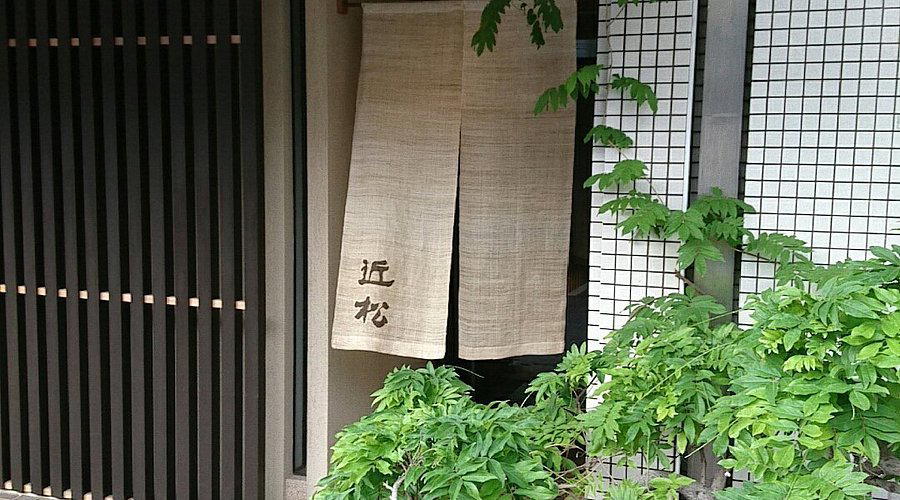
The comparison set in this part of the city includes operations across different format registers. Chikamatsu (Sushi) represents the more formal counter end of Fukuoka's mid-city dining, where bookings are essential and the format is structured around the progression of the meal. Asago and Bekk cover different registers again. What these venues share is an orientation toward the local diner rather than the tourist circuit, which gives the neighbourhood a different energy from the destination-heavy clusters around Nakasu or Canal City. 壁虎, occupying a ground-floor unit in this same zone, likely operates within that same logic: a venue built for the neighbourhood first, with visitors arriving as a secondary but welcome layer.
Fukuoka's restaurant scene at the higher end is well represented by addresses like Goh (French), which operates in a recognisably international fine-dining mode, and Beef Taigen, which anchors a more specific product-driven format. 壁虎 does not appear to operate in that same formal tier, though the precise positioning within Fukuoka's independent middle ground remains open. What the Takasago address and ground-floor format do confirm is a venue calibrated for the neighbourhood rather than the occasion-dining market.
The Broader Context: Japanese Regional Dining at This Address Type
Across Japan, the ground-floor residential-neighbourhood restaurant has a distinct identity. These are the operations that keep irregular hours without losing a customer base, that adjust their offer seasonally without announcing it, and that accumulate local authority through consistency rather than media attention. Cities like Osaka, Kyoto, and Sapporo each have their versions of this format. In Osaka, HAJIME represents the end of that spectrum where neighbourhood presence meets international recognition. In Kyoto, Gion Sasaki performs a similar anchoring function in its own district. In Sapporo, 夕仙山乃 sits in a comparable mid-city independent register. In Tokyo, counter-format venues like Harutaka show how the neighbourhood-restaurant format can carry significant critical weight without abandoning its residential logic. Elsewhere in Japan, addresses like akordu in Nara, 一本木 石川 in Nanao, 湖畔荘 in Takashima, 舘羽根屋 in Nishikawa Machi, Birdland in Sakai, and Bistro Ange in Toyohashi all demonstrate how Japan's most interesting mid-tier independent restaurants tend to root themselves in specific neighbourhood identities rather than generic city-centre positions. 壁虎's Takasago address places it within that tradition.
In New York terms, the contrast would be between destination venues like Le Bernardin or Atomix, which are built around the visitor and the occasion, and the working neighbourhood restaurant that treats the walk-in regular as the primary customer.
Planning a Visit: What to Know Before You Go
Chuo Ward's Takasago district is accessible from central Fukuoka without difficulty. The address at 1-chome-6-6 Takasago places the venue within a short taxi or rideshare journey from Tenjin or Hakata. Fukuoka's compactness is one of its operational advantages: most of the city's significant dining addresses are within fifteen to twenty minutes of the major transport hubs, and Takasago is no exception.
Reservations are essential, so plan ahead before travelling. Smaller independent operations in this part of Fukuoka commonly have limited seatings, and ground-floor neighbourhood venues of this type can run close to capacity on weekday evenings when local regulars account for most of the cover count. Arriving without a reservation is a workable strategy for lunch in many venues of this format, but carries more risk for dinner. Travellers should treat advance contact as the default approach rather than an optional step.
A Tight Comparison
Comparable venues nearby, for context on price, style, and recognition.
| Venue | Cuisine | Price | Notes |
|---|---|---|---|
| 嗣味This venue — the venue you are viewing | Chūō, Modern Japanese Omakase | $$$$ | Not listed |
| 鮨おさむ | Takamiya, Hakata-style Omakase Sushi | $$$$ | Not listed |
| 茶懐石 中伴 | Chūō, Kappo Kaiseki | $$$$ | Not listed |
| Sushi Dokoro Ishibashi | Chūō, Seasonal Kyushu Omakase Sushi | $$$$ | Not listed |
| Teppanyaki Sazanka | Not listed | $$$$ | Hakata, Teppanyaki & Wagyu at Hotel Okura Fukuoka |
| Nakahan | Chūō, Cha-Kaiseki Omakase | $$$$ | Not listed |
At a Glance
- Intimate
- Elegant
- Sophisticated
- Minimalist
- Date Night
- Special Occasion
- Solo
- Chefs Counter
- Open Kitchen
- Sake Program
- Local Sourcing
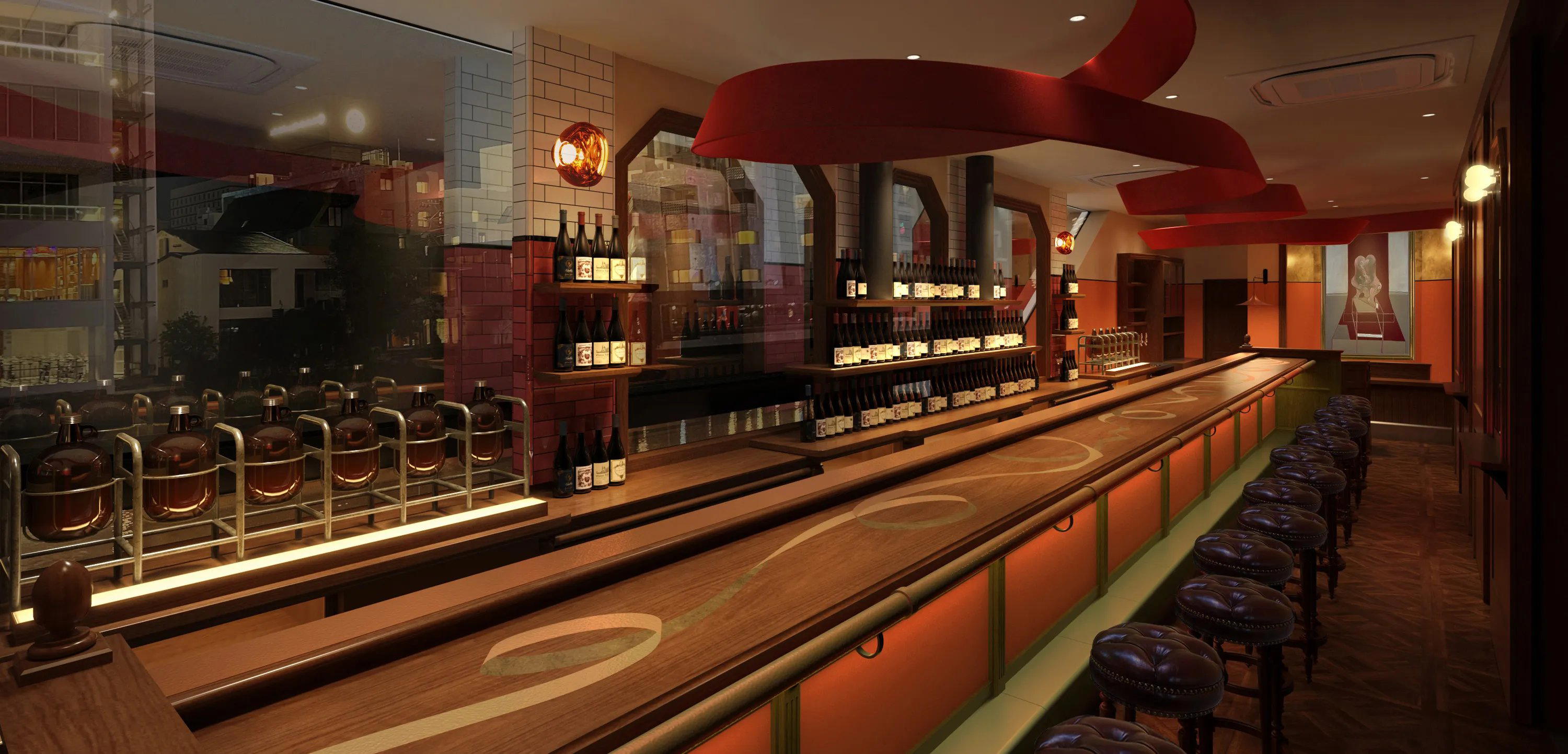
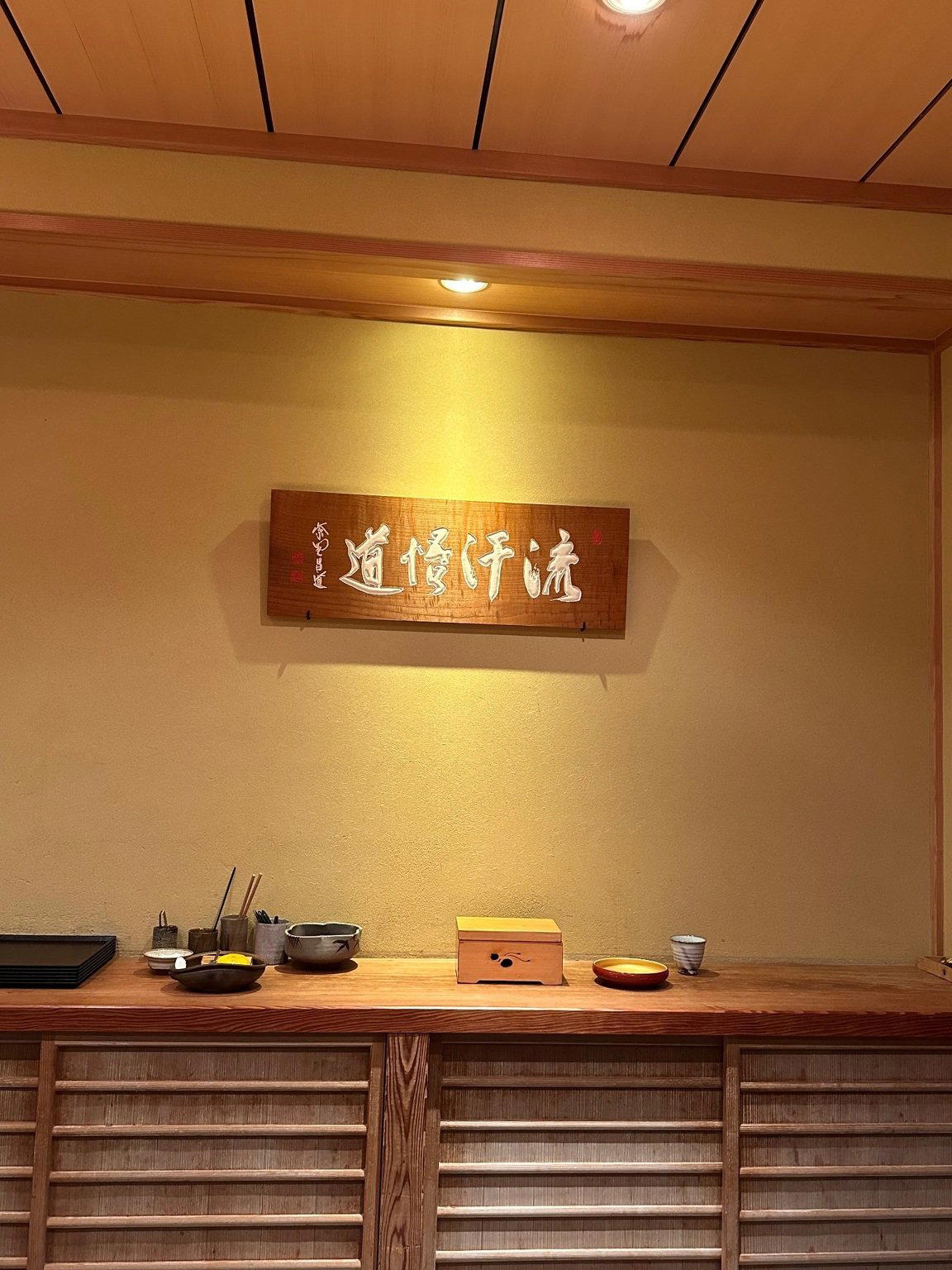
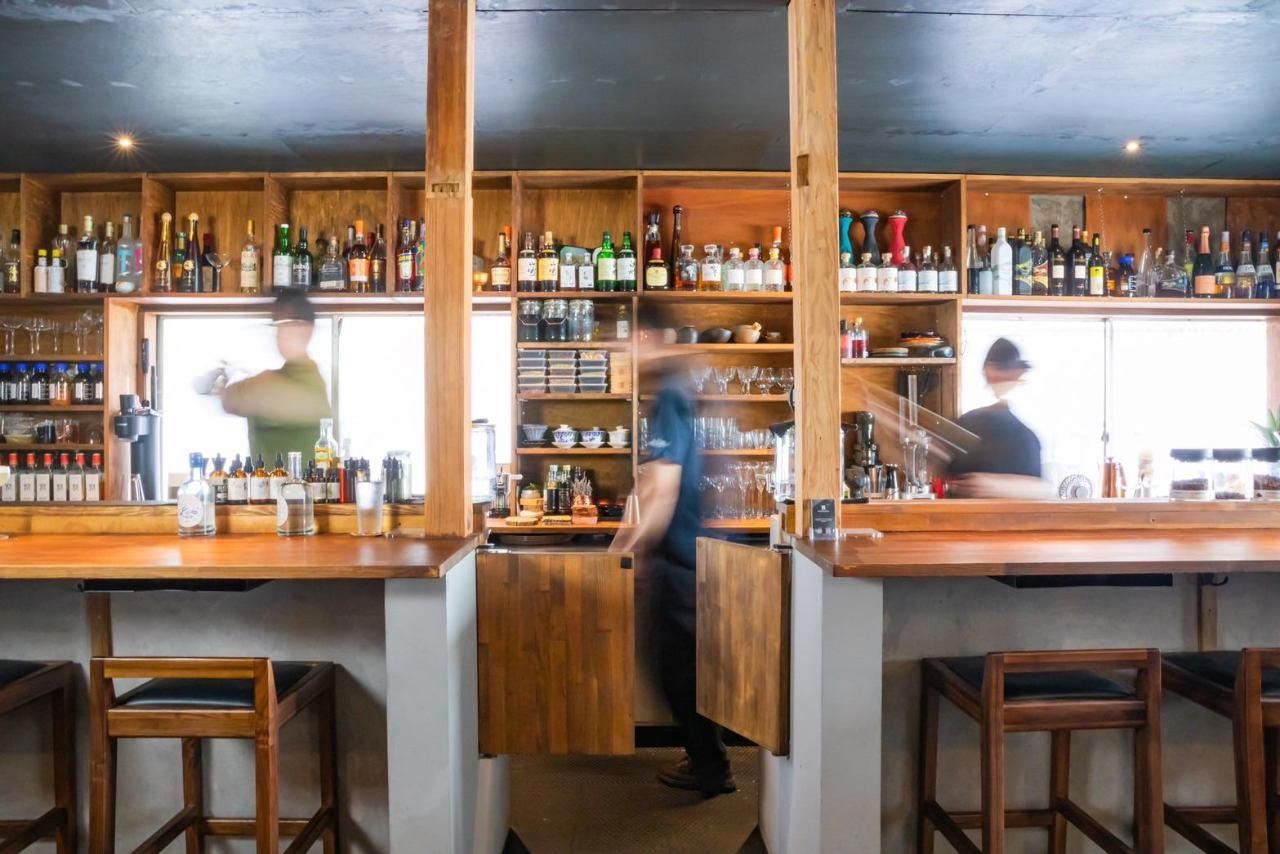
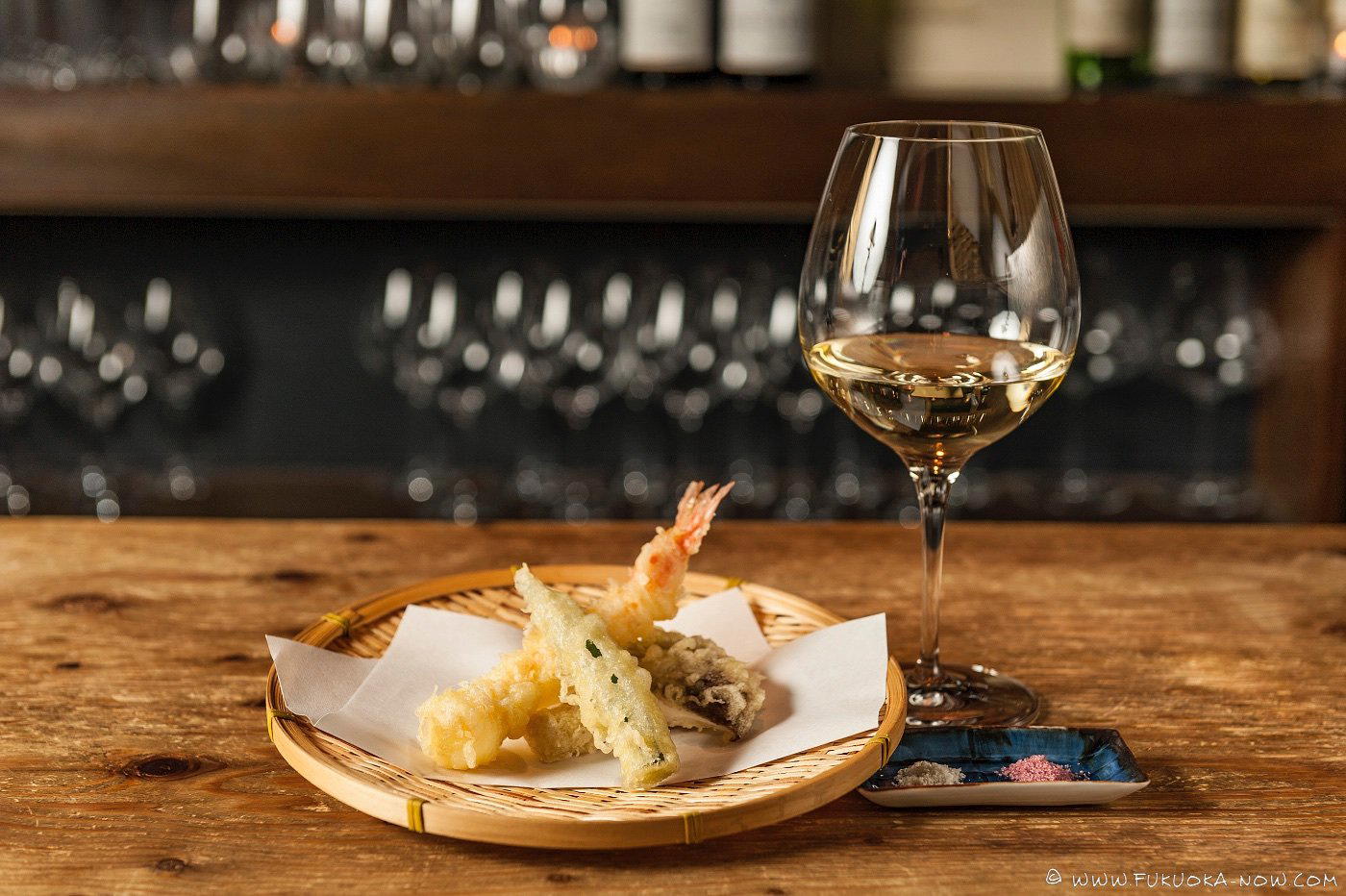
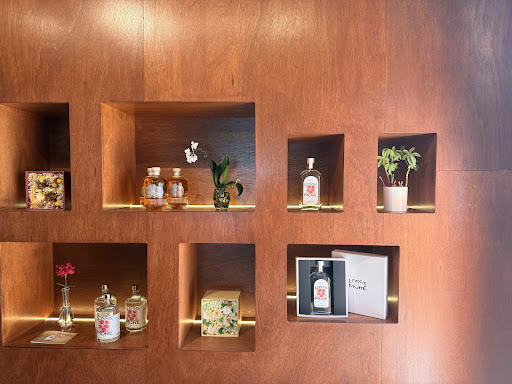
Dimly lit, minimalist counter with focused spotlighting on the chef's precise preparations, creating a serene and reverent atmosphere.