
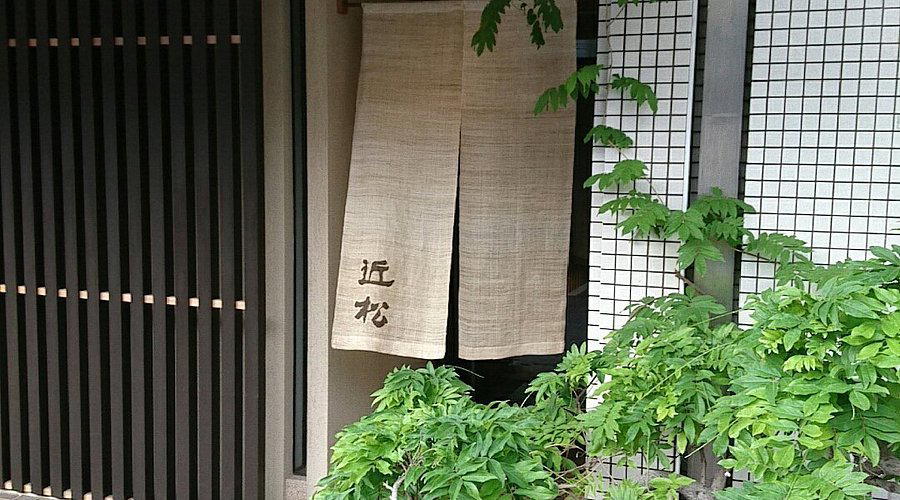
Sushi to Amakusa Daio Amane brings a compact counter format to Yakuin, with sushi, chicken dishes and Japanese cuisine framed by Amakusa sourcing. Its selection for Tabelog 100 Sushi WEST 2025 places it in a serious regional sushi conversation rather than a casual neighbourhood category.
Pearl is the En Primeur Club membership app — saves, bookings, and concierge access live there. Same editors, same standards.
- Address
- 福岡県福岡市中央区薬院2-2-28 レキシントンスクエア薬院 2F
- Phone
- +81927912167
- Website
- sushitoamakusadaio-amane.com
 Saves & bookings on Pearl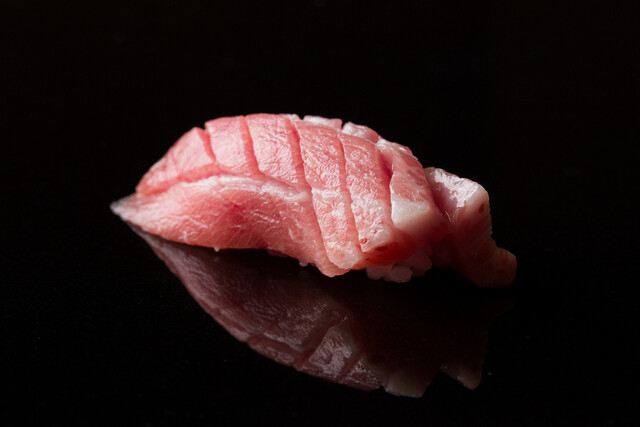
Yakuin moves at a different tempo from Fukuoka’s station-side dining districts. Streets thin, rooms shrink, and dinner feels less like a citywide performance than a controlled counter exchange. In that setting, Sushi to Amakusa Daio Amane fits a newer Fukuoka pattern: small-format sushi rooms using Kyushu identity not as decoration, but as the meal’s organising principle.
Fukuoka’s sushi culture has an advantage Tokyo cannot copy directly. The city sits near fishing grounds, has deep ties to sake and shochu, and shifts between Hakata’s commercial appetite and quieter residential dining districts. Serious counters here do not need Ginza theatre. They need discipline, sourcing, and a clear reason to choose a few-seat room over louder restaurant circuits around Tenjin or Hakata.
Amakusa sourcing gives the counter a Kyushu argument
The name signals the point before the first course: Amakusa matters here. In Kyushu dining, Amakusa is not a vague regional flourish; it suggests seafood, poultry and island produce from Kumamoto’s coastal orbit. The listed categories, sushi, chicken dishes and Japanese cuisine, place it slightly beyond a narrow nigiri-only reading. That matters in Fukuoka, where high-spend Japanese dining often competes across sushi, tempura, kappo and sake-led formats rather than one rigid lane.
The critical signal is external recognition. Selection for Tabelog 100 Sushi WEST 2025 places the restaurant among western Japan sushi addresses that have cleared a meaningful user-and-editorial threshold. Tabelog’s Hyakumeiten lists are not Michelin, and should not be read as star equivalents, but in Japan they carry real dining-market weight. For travellers, the selection separates a serious counter from the long field of competent sushi rooms that rarely register outside local networks.
Price positioning reinforces that reading. Within the Fukuoka comparison set, Chinese Sai KHAOS and Tempura Tenko sit in a lower dinner band, while Daidokoro is slightly more accessible. Bomber Kitchen Yakuin honten and Soba Ozaki belong to a different everyday category. Sushi to Amakusa Daio Amane is not competing with casual Yakuin meals; it sits in the narrower tier where format, ingredient cost and counter access define the decision.
That tier is not only about spending. Fukuoka rewards restaurants that feel local without becoming provincial. The strongest counters let Kyushu speak through product and drink structure while keeping the service precision expected at this level. The listed drinks focus, sake, shochu and wine, fits that reality: nihonshu for sushi’s classic register, shochu for Kyushu fluency, wine for diners wanting a broader pairing rhythm.
Recognition matters more in a small-room city
Small counters make reputation unusually powerful. With limited seating, a restaurant does not need mass demand to become difficult; it needs only steady locals, repeat visitors and travelling diners who understand the signal. In Fukuoka, less internationally overexposed than Tokyo or Kyoto, a Tabelog 100 selection can move a room quickly from local knowledge to planned itinerary.
The Yakuin location shapes the experience. This is not Nakasu’s riverfront crawl or Tenjin’s department-store density. Yakuin’s appeal is quieter: independent restaurants, residential edges, and enough distance from the main tourist flow to make dinner feel intentional. Diners comparing neighbourhoods should use Our full Fukuoka restaurants guide for the broader map, then cross-check hotels through Our full Fukuoka hotels guide if staying close to dinner matters.
The city’s range is part of the point. Fukuoka can move from South Indian cooking at 106 South Indian Fukuoka tenjin ten to spice-led dining at Afterglow, old-school Japanese rooms such as Aji Dokoro Taro Gen Sougyou ten, fry-focused local eating at Aji Furai Shokudo Kaba, and everyday regional comfort at Aji no Katsueda. Against that spread, a compact sushi counter with national-platform recognition plays a specific role: the controlled, reservation-led meal that anchors a food-focused trip.
For travellers building an evening around the counter, surrounding categories are useful, not secondary. Fukuoka’s bar scene can extend a sushi dinner without turning the night into a crawl; start with Our full Fukuoka bars guide. For daytime structure, Our full Fukuoka experiences guide balances markets, neighbourhoods and cultural stops. Wine-focused travellers will find the city less cellar-driven than Tokyo or Osaka, but Our full Fukuoka wineries guide keeps the regional drinks lens in view.
The decision: a serious Fukuoka sushi booking, not a casual add-on
The better way to judge this restaurant is not by asking whether it resembles Tokyo omakase. It does not need to. Its value lies in how Fukuoka and Kyushu can support a high-precision counter without importing the capital’s full grammar. The Amakusa emphasis, small-room format and 2025 Tabelog 100 Sushi WEST selection make it a strong candidate for diners seeking local logic and recognised standing.
Planning discipline is sensible. This is a room for diners comfortable with counter etiquette, scent restraint and a meal shaped by the restaurant’s sequence rather than broad à la carte browsing. The no-smoking policy and fragrance request are not minor manners; they protect the quiet sensory conditions sushi depends on. In this category, the guest’s restraint is part of the format.
Readers mapping Japan more broadly can compare specialist restaurants across cities: beef sukiyaki at -Grilled beef Sukiyaki- KAMAKURA TANUKIAN 鎌倉 たぬき庵 in Kamakura, tuna and charcoal cooking at. 鮪と炭火焼き うお炭 秋葉原店 in Tokyo, café culture at.cafe in Osaka, Kumamoto dining at.know in Kumamoto, Vietnamese cooking at (Shoku) Vietnam in Kawasaki, and curry focus at [Curry Senmon Ten] Maruyama Kyoju. in Sapporo. Outside Japan, the same specialist logic appears differently at Jōdo Saké Bar in Los Angeles and Onigiri Time in Pasadena. The common thread is not luxury for its own sake; it is focus, format and a clear reason for the meal to exist.
Cost Snapshot
Comparable venues for orientation by cuisine and category.
| Venue | Cuisine | Price | Notes |
|---|---|---|---|
| Sushi to Amakusa Daio AmaneThis venue — the venue you are viewing | Not listed | $$$ | Not listed |
| 井本 | Chūō, Traditional Japanese | $$$ | Not listed |
| Yakitori Morimoto | Chūō, Yakitori | $$$ | Not listed |
| Kamoryori Marimo Honten | Not listed | $$$ | Hakata, Duck hot pot & kaiseki-style Japanese |
| Ningyocho Imahan JR hakata shiti ten | Not listed | $$$ | Hakata, Traditional Japanese sukiyaki & shabu-shabu |
| Teppanyaki Akatsuki | Chūō, Teppanyaki & Wagyu Steakhouse | $$$ | Not listed |
Recognition history
Dated appearances from independent guides and award organizations, with the underlying list record or original source where available.
Tabelog 100 #72 · No. 72
Tabelog · Tabelog 100 - Sushi - WEST - 2025
At a Glance
- Intimate
- Elegant
- Cozy
- Modern
- Date Night
- Special Occasion
- Celebration
- Business Dinner
- Solo
- Chefs Counter
- Standalone
- Wine Cellar
- Sake Program
- Extensive Wine List
- Beer Program
- Local Sourcing
- Farm To Table
- Sustainable Seafood
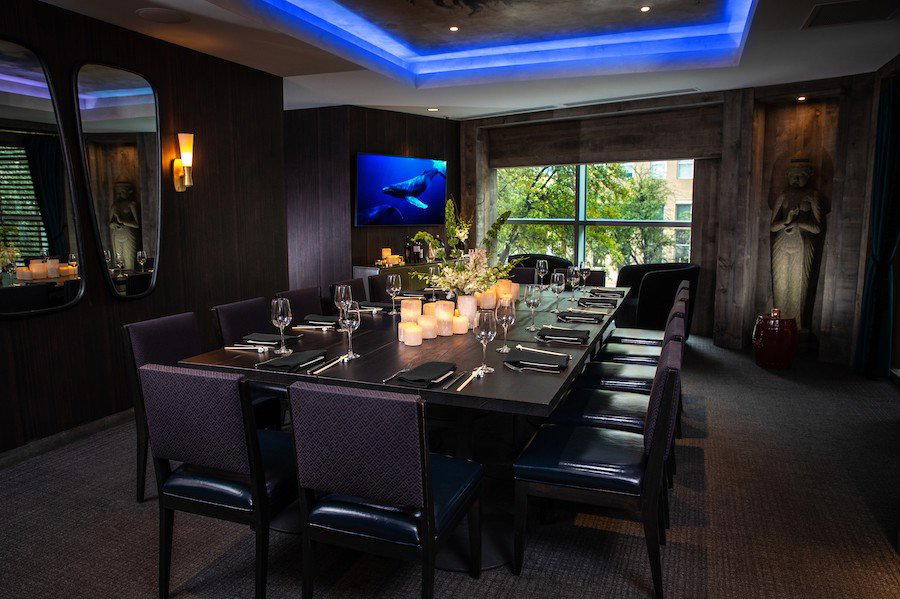
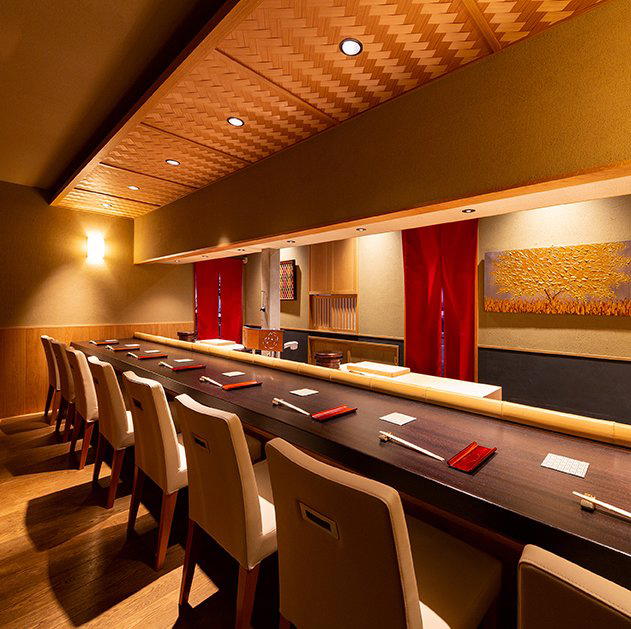
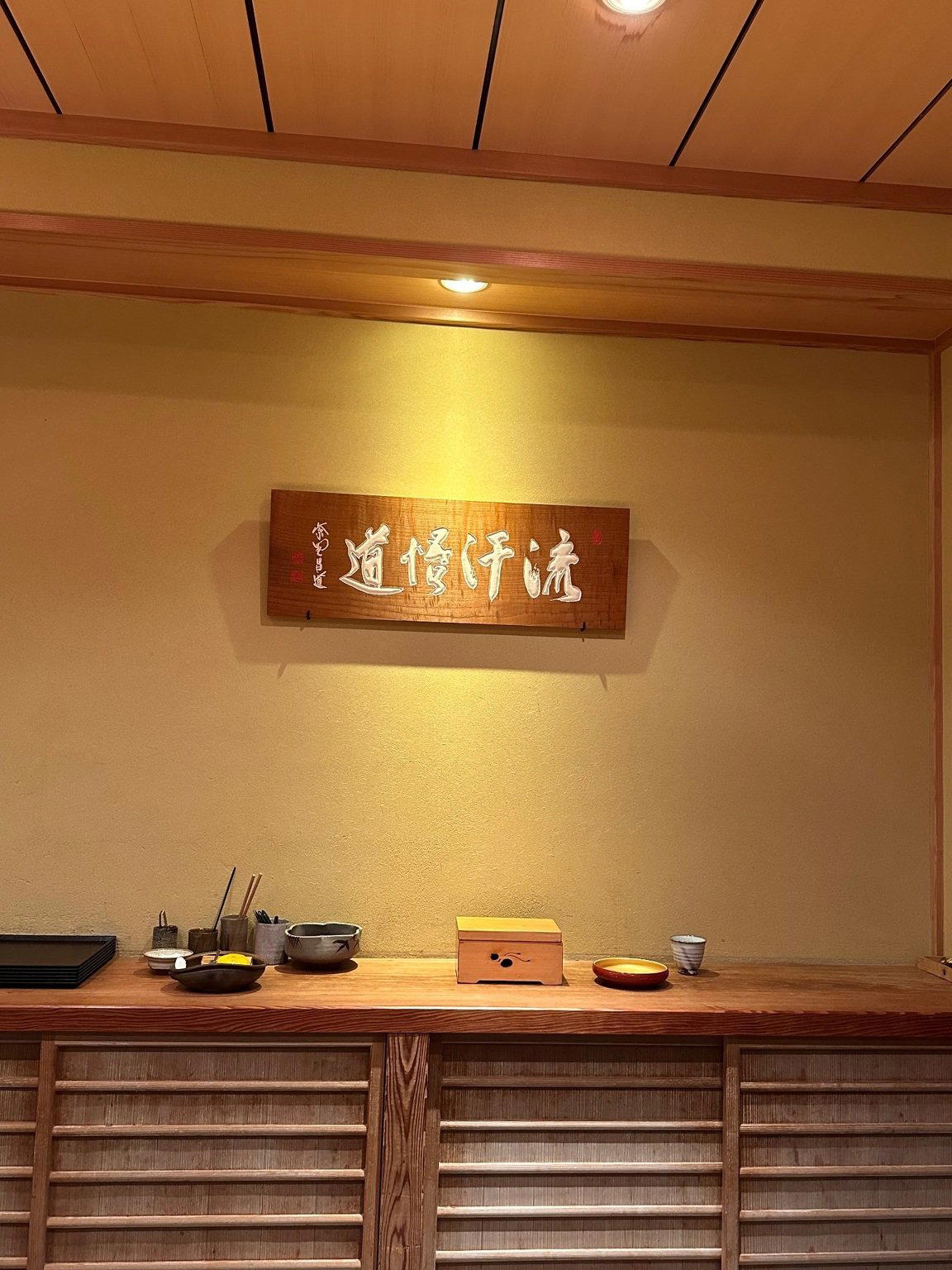
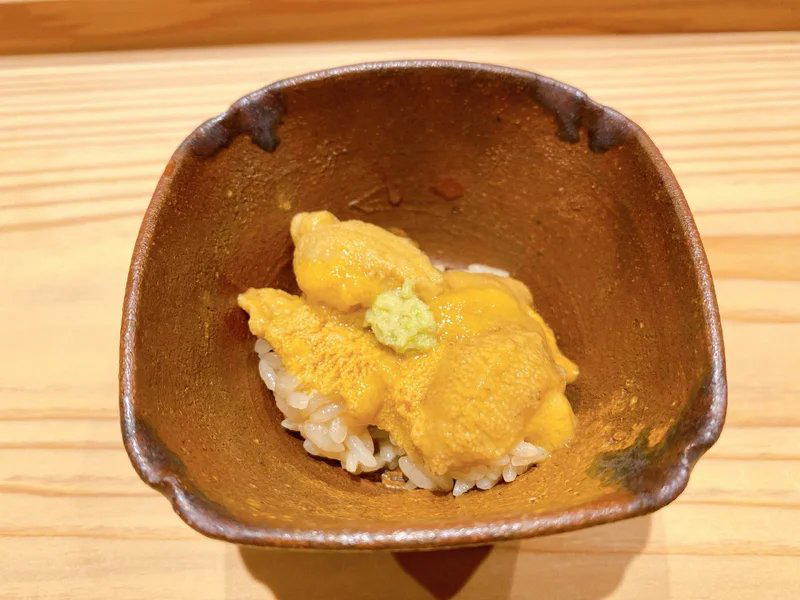
An intimate counter sushi shop with a small number of seats, warm modern decor, and a calm, refined atmosphere suited to lingering over an omakase course rather than a quick meal.