

Michelin Plate · Tabelog 100 #59
Our verdict
A husband-and-wife Italian restaurant in Bunkyo's Hongo district, canade earns its Michelin Plate recognition (2024, 2025) through a kitchen shaped by Italian training and a wine program built with matching rigour. The name draws from the Japanese kanaderu, to play an instrument, and the pairing between food and cellar is the restaurant's defining argument.

Pearl is the En Primeur Club membership app, where members save venues, book tables and use the concierge.
The menu
What to order
- Macallè-style risotto
- Tokachi beef grilled over straw
- Bonito carpaccio
- Cacio e pepe
Hongo's Quiet Case for Italian Dining Done on Its Own Terms
Bunkyo is not where most visitors to Tokyo go looking for dinner. The ward is associated with universities, publishing houses, and the kind of residential calm that Shinjuku and Shibuya actively resist.
canade sits in a tier of Tokyo Italian that is harder to define than the obvious brackets. It does not carry the three-star weight of a room like Gucci Osteria da Massimo Bottura Tokyo, nor does it operate as the kind of technically ambitious tasting-menu destination you find at Aroma Fresca or PRISMA. The Michelin Plate, awarded in both 2024 and 2025, places it in the guide's tier for restaurants that demonstrate good cooking without rising to star level, a signal that the quality is there, but the ambition is calibrated to intimacy rather than spectacle.
The Wine Program as Structural Argument
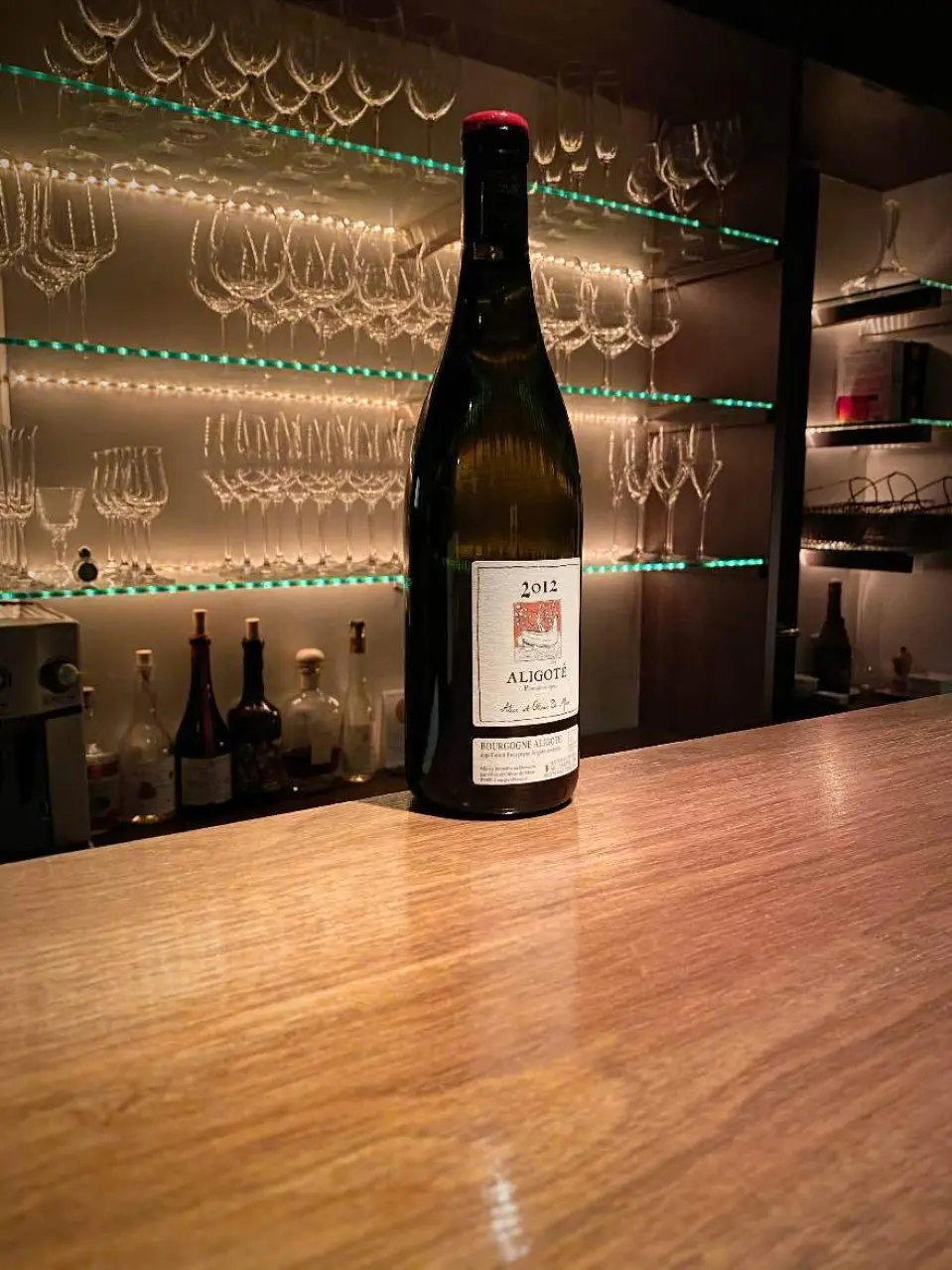
What separates canade from its peer group most clearly is the architecture of its wine program. In many Tokyo Italian restaurants, wine selection is competent but secondary, the kitchen leads and the cellar follows. Here, the pairing between food and wine is framed as the restaurant's central proposition, and that framing has roots in how the couple behind canade divided their time in Italy: the kitchen trained in cooking, the front of house trained in wine. The result is a program built with the same level of discipline applied to both sides of the pass.
Restaurants where sommeliers have formal training in the producing region rather than purely exam-based credentials tend to pour differently: with less deference to prestige labels and more willingness to pull from less obvious appellations that work against specific dishes. That dynamic is at play at canade, where the wine selections are shaped by someone who studied the subject in Italy rather than in a classroom designed to replicate it. For diners who treat the cellar as an equal partner to the kitchen, rather than an afterthought, this matters considerably. It also places canade in a different conversation than restaurants like Principio or AlCeppo, where the Italian wine offering may be broad but the curatorial logic less personally rooted.
The Pinocchio doll on the shelf, a souvenir from the couple's time in Italy, is a small but legible signal of the kind of restaurant this is: the detail is personal without being precious, and it tells you that the Italy being referenced here is lived experience rather than aesthetic borrowing.
What the Kitchen Does
The cooking at canade draws on classical Italian reference points, interpreted with Japanese sourcing. Two dishes anchor the menu's identity most clearly. The first is a Macallè-style risotto, which the restaurant describes as a simple farmer's dish made more elegant through seasoning, a description that signals restraint rather than elaboration, and that positions the kitchen as one interested in clarity over complexity. The second is Tokachi beef, sourced from cattle raised specifically for this restaurant and grilled over straw for aroma. The sourcing detail, cows that have calved, raised for this table, places canade in the company of Tokyo restaurants that treat ingredient provenance as a form of argument rather than marketing copy.
Straw-grilling as a technique carries its own logic: the heat is relatively brief, the aroma contribution is significant, and the method has deep roots in Japanese culinary practice even when applied to European-style beef. The intersection of Italian recipe tradition and Japanese sourcing discipline is where Tokyo's better Italian restaurants tend to find their most convincing register, and canade's version of that intersection is grounded enough to feel considered rather than opportunistic.
The Name as Program
canade takes its name from the Japanese kanaderu, meaning to play an instrument. The metaphor, food and wine in harmony, kitchen and front-of-house in counterpoint, is not just naming strategy. It describes how the restaurant is structured. In Italian fine dining, the relationship between kitchen and cellar is often treated as a courtesy: the sommelier pairs wine to a menu they had no hand in building. At canade, the implication is that both programs were developed in parallel, by two people with complementary training who approached the same culinary tradition through different disciplines.
That structure is less common than it might appear. Tokyo has many Italian restaurants where the wine list is well-chosen, and others where the kitchen is technically accomplished. Restaurants where both functions are built from genuine expertise in the producing country, and where the couple behind it studied those disciplines side by side, form a smaller group. Within Tokyo's wider Italian scene, which runs from the cutting edge represented by Aroma Fresca to the regional inflections found at AlCeppo, canade occupies a position defined less by technical scale and more by the integration of its two core disciplines.
Placing canade in the Broader Japanese Context
Italian cooking in Japan has a longer and more serious history than the cuisine's global casual reputation might suggest. Restaurants like cenci in Kyoto demonstrate what happens when Italian technique is filtered through rigorous Japanese attention to ingredient and season. At the other end of the ambition register, 8½ Otto e Mezzo Bombana in Hong Kong shows what three Michelin stars look like when applied to Italian cooking in an Asian city context. canade is neither of those things: it is a smaller, more personal room operating in a less trafficked part of Tokyo, with a Michelin Plate rather than stars, and a value proposition built around the quality of pairing rather than the drama of a tasting menu format.
For those mapping a broader trip across Japan, the range of dining available beyond Tokyo is considerable: HAJIME in Osaka, Gion Sasaki in Kyoto, akordu in Nara, Goh in Fukuoka, 1000 in Yokohama, and 6 in Okinawa each represent a different register of Japanese fine dining. Within Tokyo specifically, the full picture across restaurants, hotels, bars, wineries, and experiences is mapped in our full Tokyo restaurants guide, our full Tokyo hotels guide, our full Tokyo bars guide, our full Tokyo wineries guide, and our full Tokyo experiences guide.
Know Before You Go
- Location: 二木ビル 1F, 2 Chome-31-3 Hongo, Bunkyo City, Tokyo 113-0033
- Price range: ¥¥¥ (mid-to-upper tier; reservations advised)
- Recognition: Michelin Plate 2024 and 2025
- Cuisine: Italian, with Japanese sourcing; wine program built with Italian study credentials
- Booking: Contact the restaurant directly; given the small size and loyal regular base, advance planning is recommended
Frequently asked questions
What does dinner at canade typically cost?
Pricing at canade is listed as ¥¥¥.
What distinctions does canade have?
canade has received recognition including: The Pinocchio doll on the shelf is a souvenir from the couple’s time in Italy. The chef studied cooking there, while his wife studied wine. Macallè-style risotto is a simple farmer’s dish, made more elegant with seasonings; Tokachi beef, fr….
What do people recommend at canade?
The two dishes most associated with the kitchen are the Macallè-style risotto, a farmer's preparation made precise through careful seasoning, and Tokachi beef, sourced from cows raised specifically for the restaurant and grilled over straw for aroma. Both appear consistently in accounts of the menu and reflect the kitchen's approach: classical Italian reference points executed with Japanese sourcing. canade holds a Michelin Plate for 2024 and 2025.
What's the address for canade?
canade is located at Japan, 〒113-0033 Tokyo, Bunkyo City, Hongo, 2 Chome−31−3 二木ビル 1F, Tokyo.
How far ahead should I plan for canade?
Bunkyo is not a walk-in dining neighbourhood, and canade's small footprint in a residential ward means its regular following fills availability quickly. Planning two to four weeks ahead is a reasonable baseline; for specific dates or weekend sittings, longer lead time is advisable. The restaurant sits at ¥¥¥ pricing, which positions it as a considered destination rather than a casual drop-in.
Budget Reality Check
A small set of peers for context, based on recorded venue fields.
| Venue | Cuisine | Price | Awards | Notes |
|---|---|---|---|---|
| canadeThis venue (the venue you are viewing) | Seasonal Italian with Japanese Ingredients | $100–150 | Michelin Plate · Tabelog 100 #59 | Not listed |
| Harutaka | Edo-Style Omakase Sushi | $200–300 | 3 Michelin Stars · World's 50 Best #76 | Sushi |
| RyuGin | Modern Kaiseki | $500+ | 3 Michelin Stars · World's 50 Best #41 | Kaiseki, Japanese |
| L'Effervescence | Modern French with Japanese Influences | $200–300 | 3 Michelin Stars · World's 50 Best #69 | French |
| HOMMAGE | Modern French with Japanese Influences | $150–200 | 2 Michelin Stars · World's 50 Best #78 | Innovtive French, French |
| MAZ | Innovative Peruvian-Japanese Fusion | $150–200 | 2 Michelin Stars · World's 50 Best #28 | Innovative |
Recognition history
Dated appearances from independent guides and award organizations, with the underlying list record or original source where available.
Michelin Plate
Michelin
Tabelog 100 #59 · No. 59
Tabelog · Tabelog 100 - Italian - TOKYO - 2025
Full recognition history (4 entries)
Michelin Plate
Michelin
Michelin Plate
Michelin
Continue exploring
More in Tokyo
Restaurants in Tokyo
All restaurants in Tokyo →








canade
The wine
- Wine program
- Deep wine list
- Extensive wine list
- Sommelier-led
Details
- Intimate
- Elegant
- Sophisticated
- Date Night
- Special Occasion
- Celebration
- Chefs Counter
- Open Kitchen
- Extensive Wine List
- Sommelier Led
- Local Sourcing
- Tasting Menu
- Counter Dining
- Italian Wine
- Gluten Free Options
- Allergy Accommodating
Current opening hours
- Monday
- 6–9:30 PM
- Tuesday
- 6–9:30 PM
- Wednesday
- 6–9:30 PM
- Thursday
- 6–9:30 PM
- Friday
- 6–9:30 PM
- Saturday
- 5–9:30 PM
- Sunday
- Closed
Hours can change for holidays and private events. Hours as of .
Candlelit, intimate counter-focused space with a relaxing, adult-oriented atmosphere designed for quiet conversation and culinary focus.