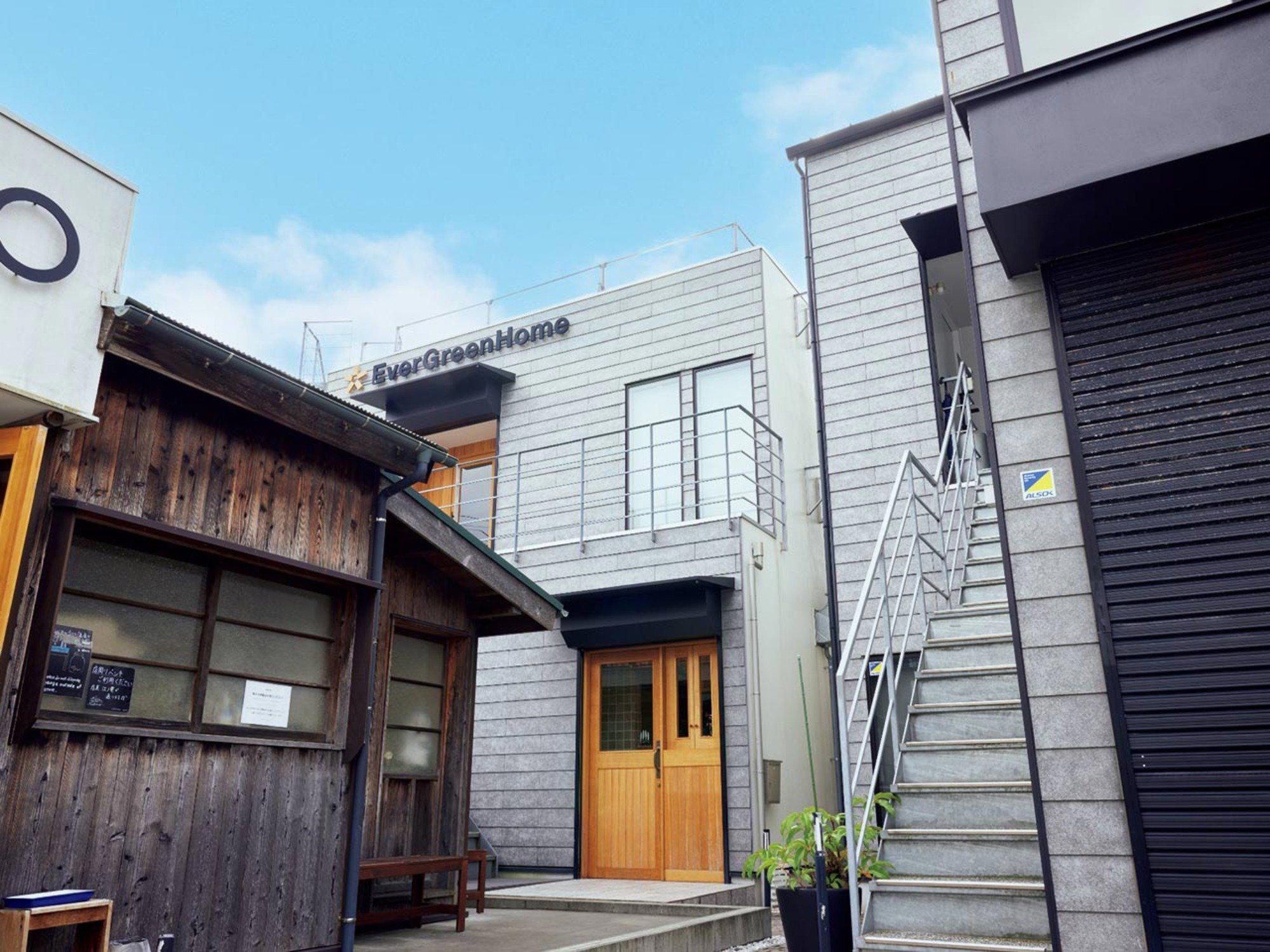
アンチョア occupies a ground-floor unit in the Onari Village complex on one of Kamakura's quieter shopping streets, sitting within a city that has quietly built one of Japan's more interesting concentrations of European-influenced independent restaurants. The address alone signals something deliberate: a neighbourhood setting removed from the tourist circuit, where the kitchen's priorities can speak without distraction.
 Discover on Pearl
Pearl is the En Primeur Club membership app — saves, bookings, and concierge access live there. Same editors, same standards.
Kamakura's European Table, Away from the Crowds
Kamakura's dining scene has developed along a line that separates it from both Tokyo's density and Kyoto's tradition-heaviness. The city draws chefs who want proximity to the capital's supply chains and clientele without its rents or competitive noise, and the result is a collection of independently run European and Japanese restaurants that reward visitors who look past the shrine trail. Our full Kamakura restaurants guide maps that wider picture; アンチョア sits within it as a ground-floor address in the Onari Village building on Onarimachi, a street that functions more as a local thoroughfare than a tourist artery.
The Onari district runs between Kamakura Station's west exit and the forested edges of the city, and its restaurant density reflects long-term residential demand rather than seasonal visitor traffic. Approaching the Onari Village complex, the scale is immediately domestic: a low-rise building with commercial units at street level, the kind of setting where a serious kitchen operates without a room full of decorative theatre to justify itself. That physical context is worth noting because it frames the register of the meal before you sit down. This is a neighbourhood restaurant in the precise sense — not a destination performing neighbourhood warmth, but a place that has oriented itself toward the people who live nearby and return often.
How the Menu Reads as a Document
The restaurant name アンチョア transliterates the Spanish and Italian word for anchovy, a choice that gestures toward southern European coastal cooking without pinning the kitchen to a single flag. Anchovy-led menus in this tradition tend to be built around the logic of preserved, fermented, and salt-cured ingredients used as seasoning agents rather than centrepieces, and that architecture typically produces menus with significant depth in umami without the protein-forward structure of French bistro cooking. Whether that logic holds precisely here is not something EP Club can confirm from verified data, but the name functions as a declaration of intent that experienced diners can read.
In Japan's wider European restaurant category, the venues that use anchovy as a naming anchor tend to be wine-oriented and produce-driven, calibrating portion logic and course structure toward the kind of meal that stretches across an evening rather than resolves quickly. Kamakura's European-influenced tier includes places like ETE Kamakura and IL NODO, both of which operate within a frame where the local environment informs what reaches the table. アンチョア's Onari address places it in that same residential-neighbourhood tier, distinct from the more formal room at Restaurant Michel Nakajima or the meat-specific focus of Roastbeef Kamakurayama.
Reading Kamakura Against the National European Tier
Japan's European restaurant scene has split into two broad cohorts over the past decade. One operates inside the award infrastructure: Michelin-starred rooms in Tokyo, Osaka, and Kyoto where a single tasting menu format is held to a fixed standard across hundreds of covers per month. The other cohort works outside that system, often by design, building regulars through a more fluid format that changes with season and sourcing opportunity. HAJIME in Osaka and Gion Sasaki in Kyoto sit firmly in the credentialed tier. akordu in Nara occupies an interesting middle position, drawing on Spanish influences in a city better known for Japanese temple culture — a parallel of sorts to what Kamakura's European restaurants do with their setting.
アンチョア's location in a city that is not a primary dining destination gives it structural advantages that city-centre venues don't carry. Rents on Onarimachi do not require high table turnover to sustain a kitchen. The clientele base skews toward repeat visitors with formed preferences rather than first-time diners working through a checklist. Those conditions tend to produce menus with more idiosyncratic logic and fewer concessions to broad palatability. Restaurants that operate in similar conditions , like Goh in Fukuoka or smaller houses in secondary Japanese cities , often develop more singular voices precisely because the room's economics permit it.
The Onari Village Address: What It Tells You
The Onari Village building is a mixed-use complex in a part of Kamakura that functions without the pedestrian volume of Komachi-dori or the approach roads to the major shrines. Ground-floor restaurant units in this kind of setting attract a specific operator type: chefs who prioritise kitchen autonomy over foot-traffic capture, and who are willing to depend on reputation and word-of-mouth over location. That profile places アンチョア alongside the more deliberately positioned European tables in Japan's secondary cities, rather than with venues that use a dramatic address as part of the dining proposition.
For comparison, the model appears across Japan's smaller cities: Ichirin Hanare in Kamakura occupies a similar off-centre position within the city's dining geography. Further afield, restaurants like 一本木 石川製 in Nanao or 湖風庵 in Takashima demonstrate how Japan's regional dining scene has developed kitchens that operate at serious levels without urban infrastructure. The shared logic is that the address signals something about the kitchen's priorities: craft over spectacle, regulars over tourism.
Planning a Visit
Kamakura Station's west exit puts you within walking distance of the Onari Village complex on Onarimachi. The city is accessible from Tokyo in roughly 50 to 60 minutes via the Yokosuka Line from Tokyo Station or the Shonan-Shinjuku Line, making a dinner visit logistically direct for travellers based in the capital. Given the neighbourhood orientation of the address and the building's residential scale, booking in advance is the practical approach , this is not a venue where walk-in availability during peak Kamakura visitor seasons (spring cherry blossom, autumn foliage) should be assumed. Reservations can typically be pursued through Japanese restaurant booking platforms or direct contact; specific booking method details are not confirmed in EP Club's current data. Kamakura's restaurant hours often align with suburban rather than late-city dining rhythms, so confirming service times before visiting is advisable. Those building a wider Kamakura itinerary should consult our full city guide, which maps the dining options across the city's different neighbourhoods and price points. Travellers approaching Japan's wider European dining tier may also find context in Harutaka in Tokyo or international comparators like Le Bernardin in New York City and Atomix in New York City, where European and Korean fine-dining formats have been refined over years of consistent execution.
Standing Among Peers
A quick peer list to put this venue’s basics in context.
| Venue | Awards | Cuisine | Notes |
|---|---|---|---|
| アンチョア | This venue | ||
| Ichirin Hanare | Chinese | Chinese | |
| IL NODO | |||
| -Grilled beef Sukiyaki- KAMAKURA TANUKIAN 鎌倉 たぬき庵 | |||
| ETE Kamakura | |||
| å£é³ |

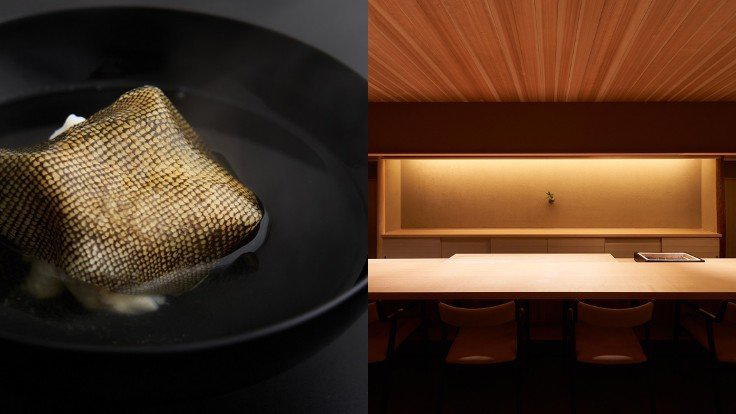

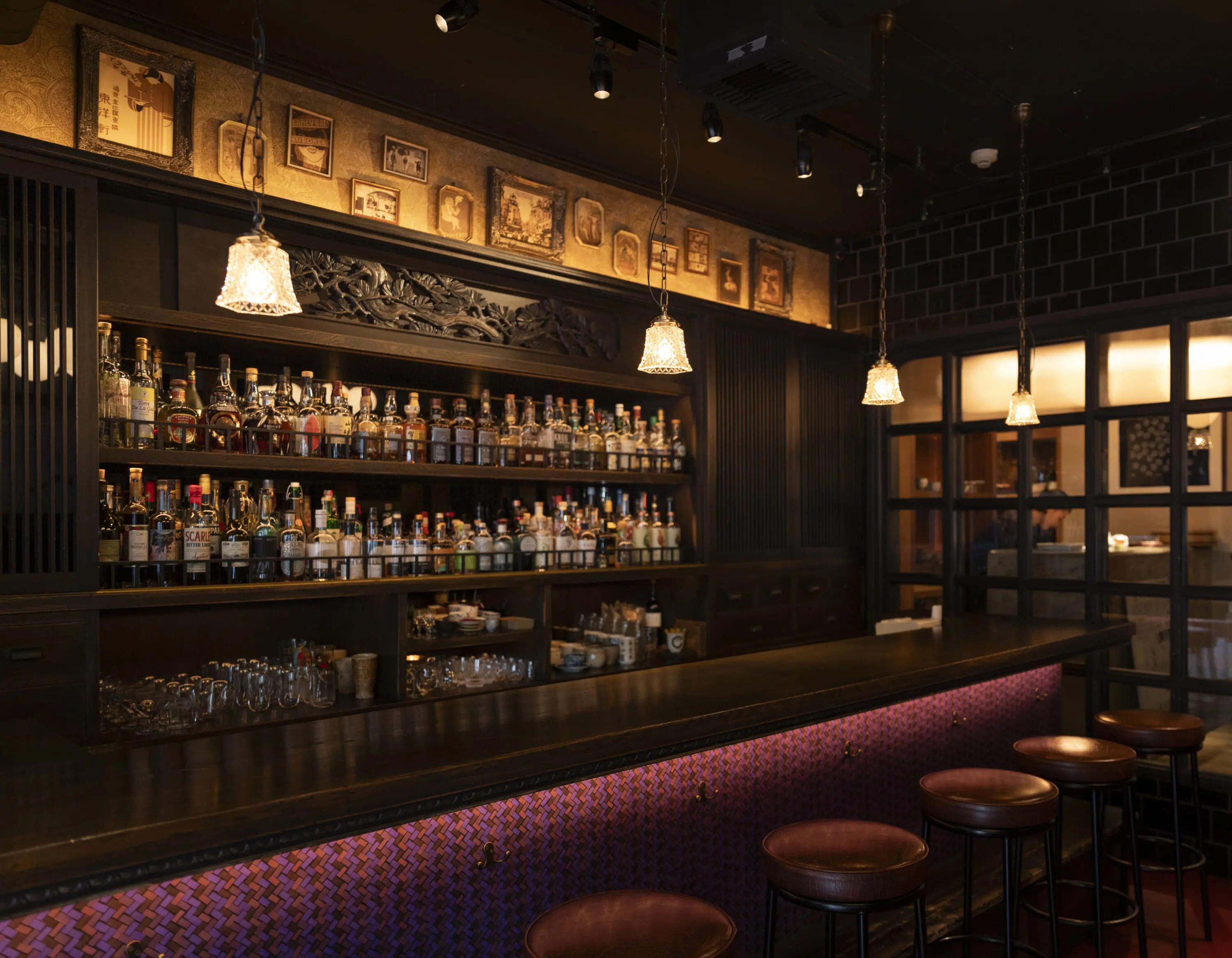
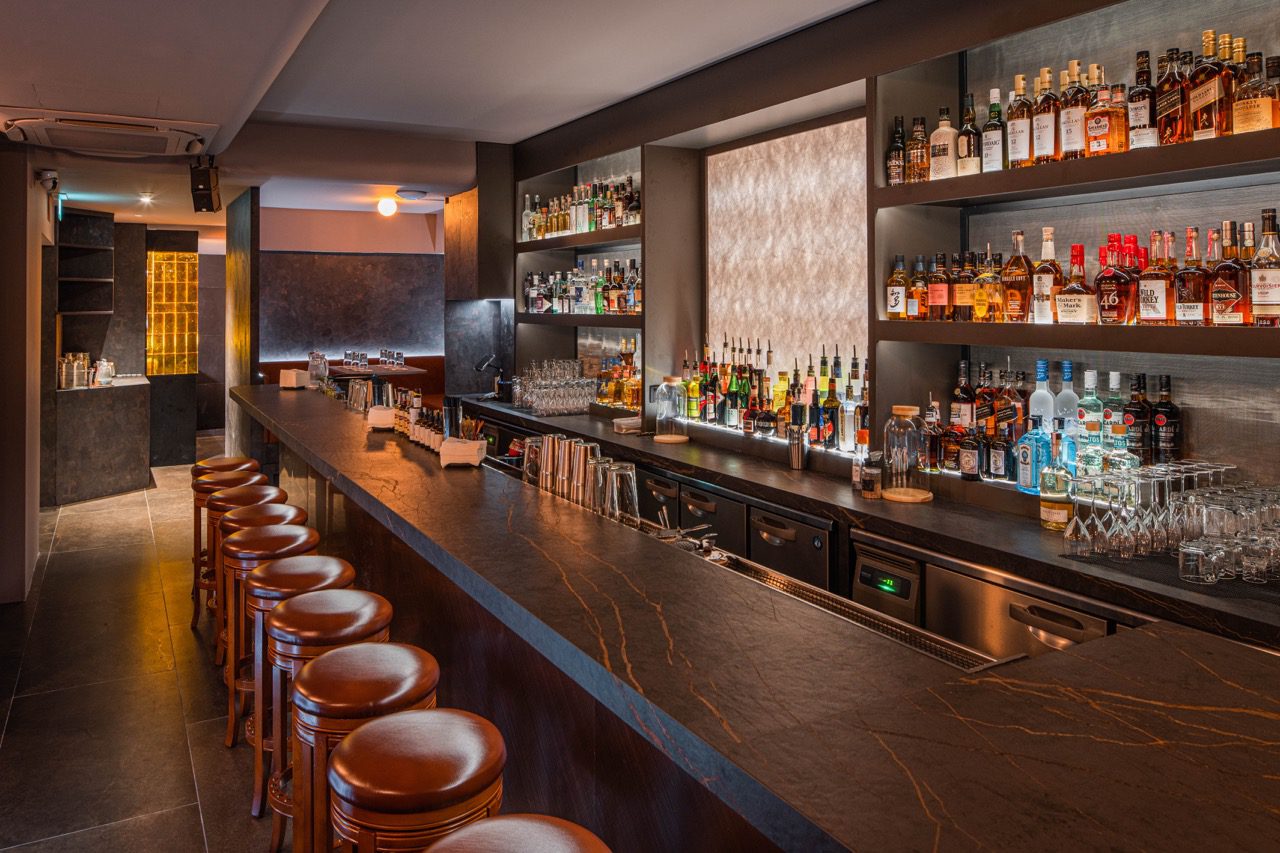
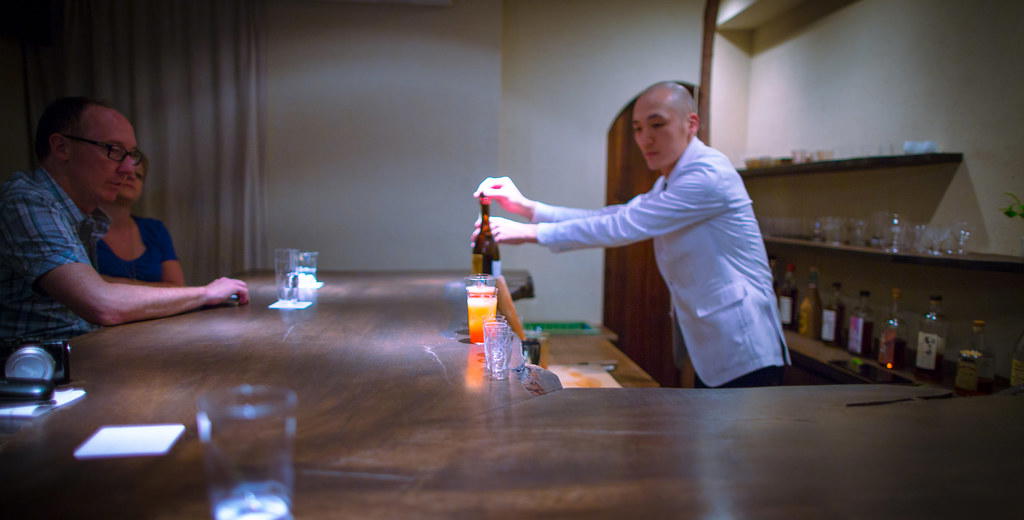



At a Glance
- Elegant
- Sophisticated
- Modern
- Intimate
- Date Night
- Special Occasion
- Celebration
- Business Dinner
- Open Kitchen
- Standalone
- Extensive Wine List
- Sommelier Led
- Local Sourcing
- Farm To Table
- Sustainable Seafood
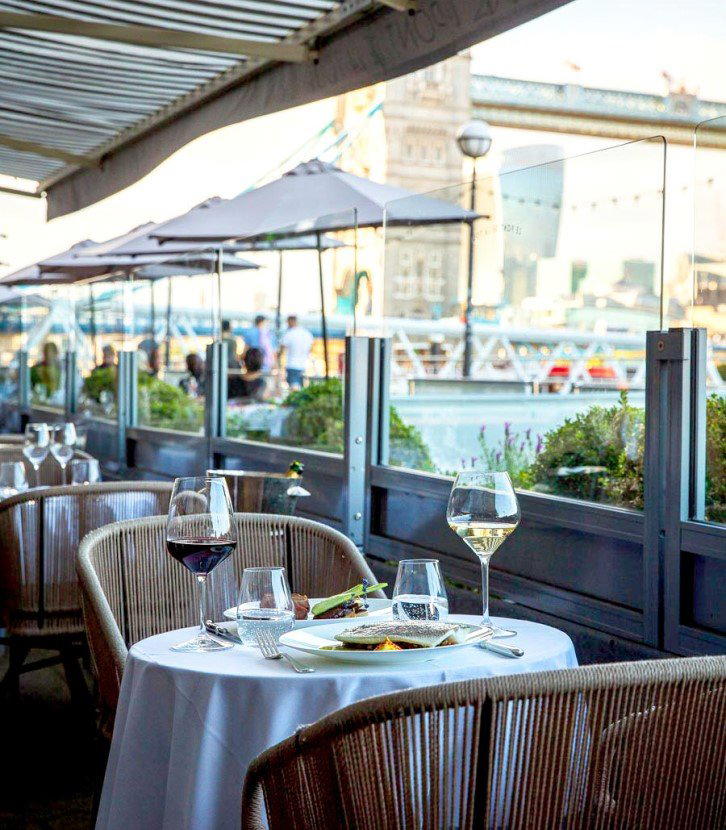
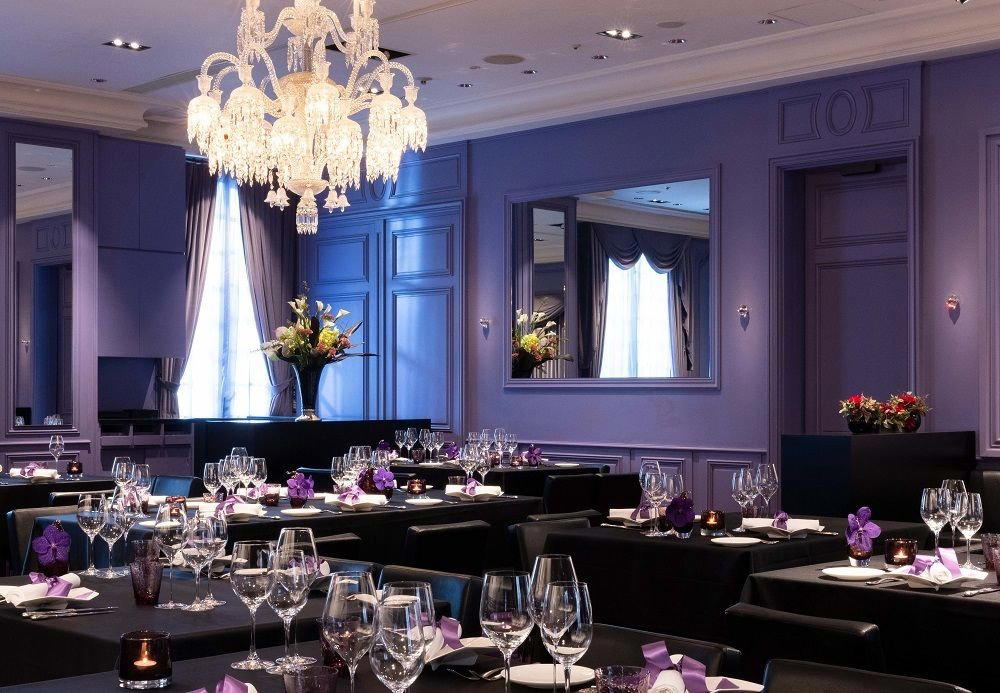
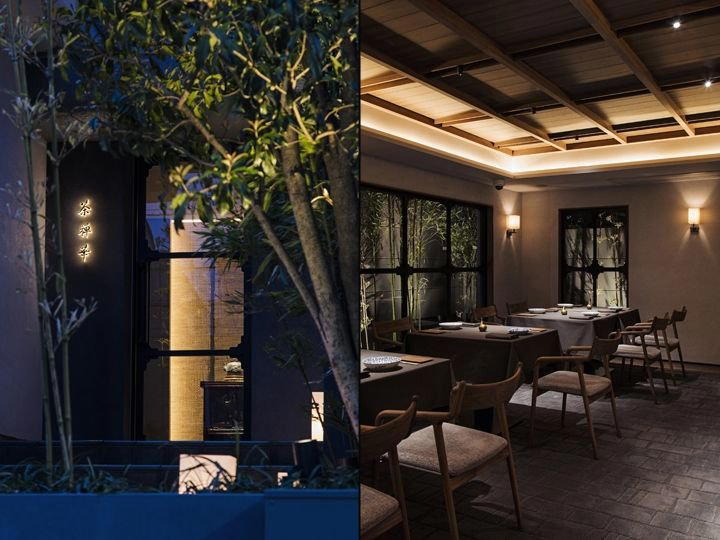
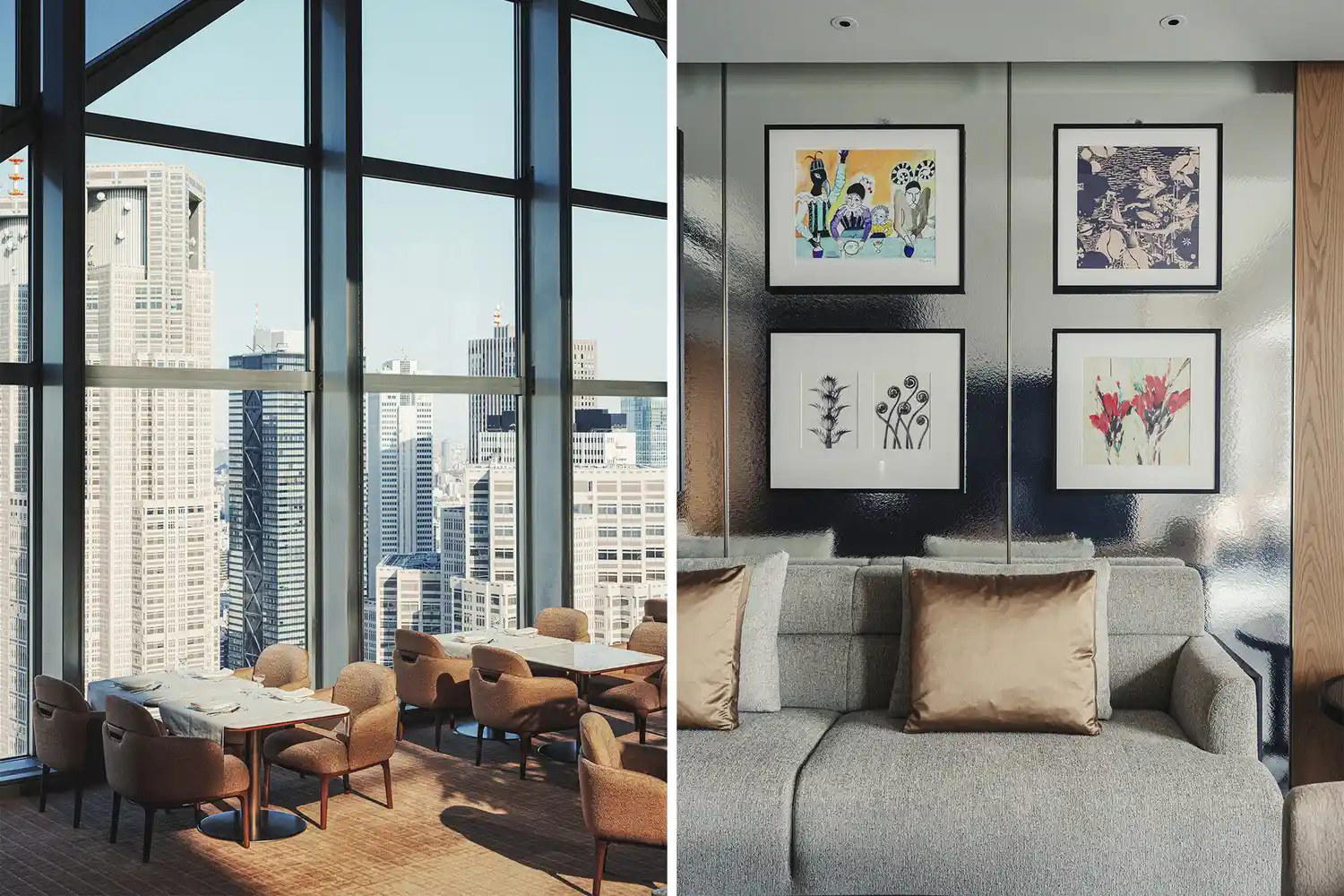
Elegant and refined with a focus on the culinary experience; intimate dining space near Kamakura Station with a sophisticated, modern aesthetic.