In the cedar forests above Nagano city, 蕎麦処 そばの実 occupies the Togakushi plateau, where soba has been grown and milled for centuries. The restaurant sits within one of Japan's most concentrated soba-producing regions, drawing visitors who make the mountain pilgrimage specifically for buckwheat ground at altitude. It represents the serious, ingredient-led end of a tradition that Togakushi has defined for generations.
Pearl is the En Primeur Club membership app — saves, bookings, and concierge access live there. Same editors, same standards.
- Address
- 戸隠3510-25, 長野市, 長野県, 381-4101
 Saves & bookings on Pearl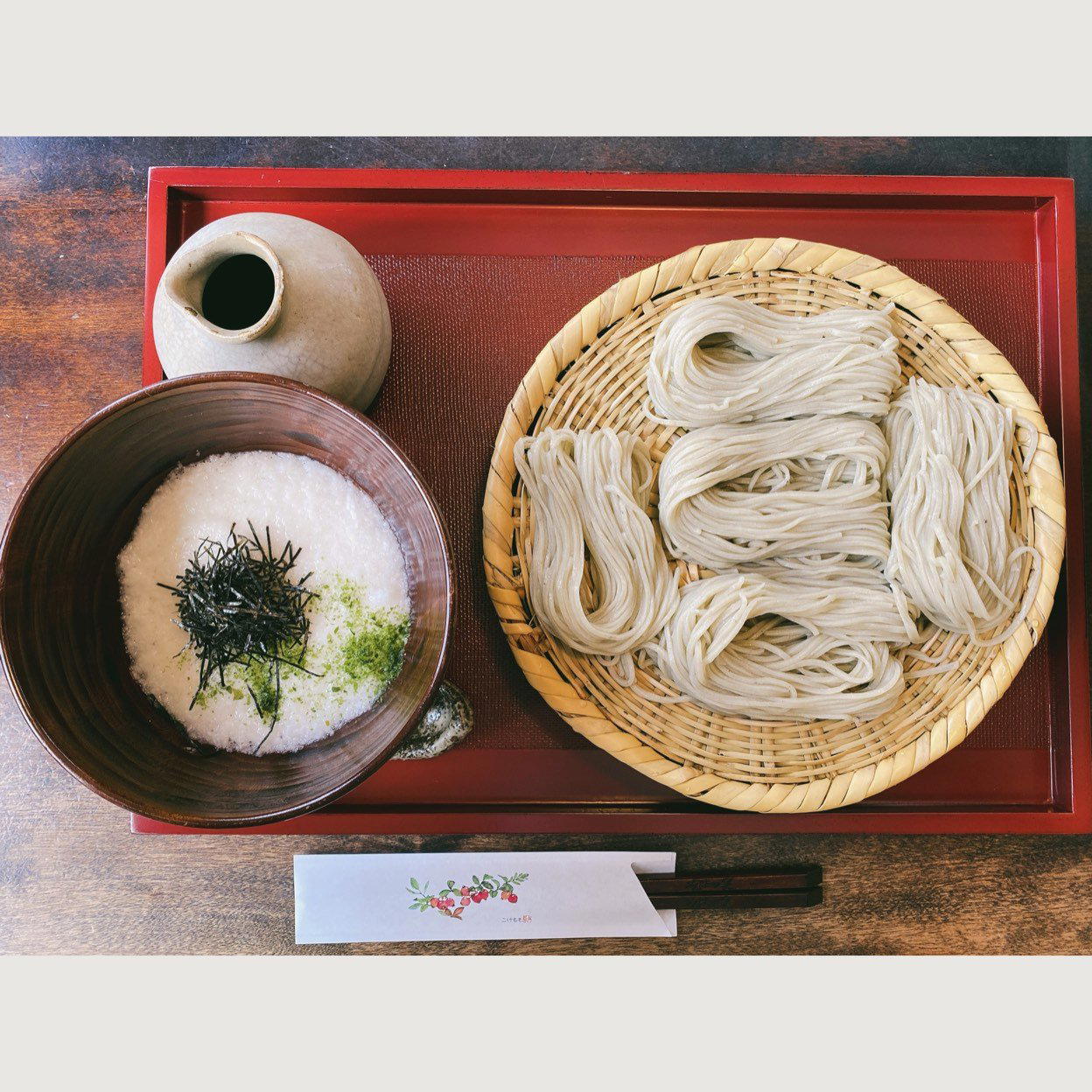
The Togakushi Plateau and Japan's Soba Heartland
The road to Togakushi climbs through beech and cedar forest before the plateau opens into a range of shrine precincts, buckwheat fields, and a concentration of soba restaurants that has no equivalent density anywhere else in Japan. This is not a recent culinary development. Togakushi soba carries a documented history stretching back several centuries, connected to the shrine complex and the agricultural traditions of high-altitude cultivation. The buckwheat grown here benefits from the cold, dry air and the elevation, producing a grain with a pronounced mineral quality that separates it from lowland equivalents. 蕎麦処 そばの実, addressed at Togakushi 3510-25 within Nagano City, sits inside this tradition rather than adjacent to it.
The plateau rewards the deliberate traveller, and the cluster of soba-ya along its main approach to the Oku-sha shrine gives visitors a rare opportunity to eat within the agricultural source of what they are consuming. That vertical integration, from field to mill to bowl, defines the serious end of this culinary tradition in a way that urban soba restaurants, however skilled, cannot replicate.
Buckwheat as a Beverage Pairing Subject
Buckwheat, as both flavour compound and structural grain, responds to pairing in ways that sake and shochu producers have understood for decades. The region around Nagano produces junmai sake that can sit comfortably beside freshly milled Togakushi buckwheat.
That sensibility has moved downstream, and visitors eating in Togakushi are increasingly attentive to what they drink alongside their soba. A bowl of juwari (100% buckwheat) seiro soba, served cold with a simple tsuyu, makes beverage pairing more legible, not less, because the grain's flavour is unmediated by flour blending.
At the serious soba-ya of the plateau, the beverage offering has historically been minimal: water, tea, soba-yu (the hot water in which noodles were cooked, served at the end of the meal to combine with remaining tsuyu), and occasionally local sake. That restraint is itself a curation philosophy. It concentrates the diner's attention on the buckwheat rather than distributing it across a broad drinks list. The decision not to offer an elaborate cellar is a pairing decision, not an oversight.
Where Togakushi Fits in Japan's Regional Dining Conversation
Nagano Prefecture is not typically included in the first tier of Japan's fine dining geography, which defaults to Tokyo, Kyoto, and Osaka. That ranking reflects award density rather than ingredient quality. The prefecture's agricultural output, covering sake rice, apples, miso, mountain vegetables, and buckwheat, supplies kitchens well above its own starred tier. Restaurants such as Harutaka in Tokyo and akordu in Nara operate in urban contexts that attract the institutional recognition Nagano's regional restaurants rarely receive.
Within Nagano city itself, the dining range is broader than most visitors expect. Bleston Court Yukawatan represents the haute European end of the local spectrum, while Fogliolina della Porta Fortuna takes Italian cuisine into regional produce with seriousness. ca'enne and Aoitou fill different registers of the contemporary Japanese dining category, and Chinese Sai Muen anchors the mid-range at JPY 3,000 to JPY 4,999. Togakushi soba sits apart from all of these, not because it competes with them but because its reference set is different: the comparison is to the other soba-ya on the plateau, and to the weight of the tradition rather than to contemporary dining formats.
Elsewhere in Japan's soba geography, notable parallels exist in the Dewa Sanzan area of Yamagata and in parts of Shimane, but Togakushi's proximity to a major transport hub and its documented shrine history have given it a visibility that those regions lack. Diners who have made soba pilgrimage the subject of serious attention also look toward Goh in Fukuoka for a comparison point in how Japanese grain-led cuisine reaches international recognition, even when the formats differ substantially.
The Grain, the Mill, and the Bowl
Togakushi soba is typically served cold, as seiro soba, with the noodles arranged on a bamboo tray and dipped into tsuyu. The juwari style, using buckwheat alone without wheat flour as a binder, is demanding to produce and breaks easily, which is why many restaurants cut with 20% wheat (ni-hachi) to improve workability. The choice to produce juwari or ni-hachi soba is a production commitment that signals how seriously a kitchen treats the grain. At Togakushi's established restaurants, that choice is considered, and menus often indicate the ratio.
Soba-yu, the starchy cooking water served at the end of the meal, functions as a kind of digestif and palate marker. Diners who add it to their remaining tsuyu and drink it receive something close to a concentrated expression of the grain, and it is one of the more instructive moments in understanding what terroir means in a buckwheat context. The mineral character of Togakushi buckwheat becomes most legible at this point.
Planning a Visit
The Togakushi plateau is most accessible between late spring and early autumn, when the mountain road operates fully and the surrounding forest is at its greenest. Winter access is more challenging, and some restaurants reduce hours or close seasonally. Visitors from Nagano Station should allow at least a half-day and ideally a full day if combining the soba experience with the Togakushi Shrine complex. The area is popular on weekends and during peak foliage periods in October, when waits at the better-known soba-ya extend well beyond an hour. Arriving before 11:30 on weekdays substantially reduces that friction.
Quick Comparison
Comparable venues nearby, for context on price, style, and recognition.
| Venue | Cuisine | Price | Awards | Notes |
|---|---|---|---|---|
| 蕎麦処 そばの実This venue — the venue you are viewing | Togakushi Handmade Soba | $$ | , | |
| 松栄寿司東口店 | 本格握り寿司 | $$ | , | 栗田 |
| Unagi Honda | Traditional Japanese Unagi (Eel) Kabayaki | $$$ | , | Iiyama |
| いろは堂 | Nagano Oyaki (Stuffed Dumplings) | $$ | , | Oniyari |
| Uzura Ya | Traditional Togakushi soba restaurant | $$ | , | Togakushi |
| Aoitou | Japanese Sauce Katsudon | $$ | , | 西箕輪 |
Continue exploring
More in Nagano
Restaurants in Nagano
Browse all →
Hotels in Nagano
Browse all →
Wineries in Nagano
Browse all →
At a Glance
- Rustic
- Cozy
- Scenic
- Casual Hangout
- Solo
- Family
- Sake Program
- Local Sourcing
- Mountain
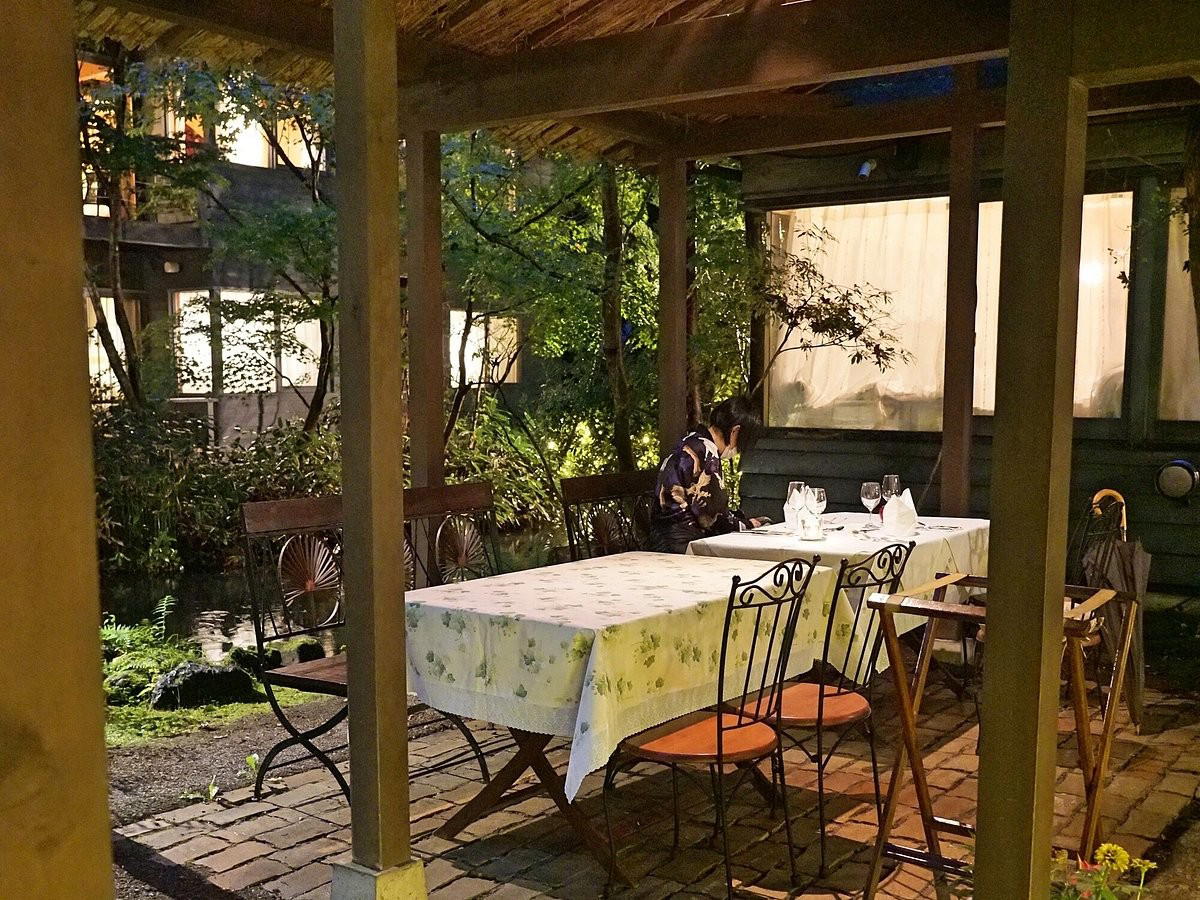
Cozy traditional atmosphere with scenic mountain views, bustling yet welcoming for soba enthusiasts.